Have you ever walked through a botanical garden, park, or reforestation site and noticed small metal or plastic plates attached to trees? These are tree identification tags, and they play a critical role in forestry, landscaping, research, and conservation efforts. From tracking species in arboretums to monitoring growth in urban planning, these tags provide essential data that helps professionals and enthusiasts alike. But not all tags are created equal. Selecting the right ones involves understanding materials, customization, and durability to withstand harsh environmental conditions. In this article, we’ll dive into the key aspects of tree identification tags, covering everything from working with a reliable Tree Tag Manufacturer to leveraging a Custom Nameplate Factory for bespoke solutions. We’ll explore OEM Tree Tags for bulk needs, the versatility of Industrial Nameplates, and practical tips on how to make durable tree tags that last for years. Whether you’re a forester, a municipal planner, or a hobbyist, this guide will help you make informed decisions to ensure your tree tagging projects succeed.
What Are Tree Identification Tags and Why Do They Matter?
Tree identification tags are small markers, typically made from materials like aluminum, stainless steel, or durable plastics, that are attached to trees to provide information such as species names, planting dates, GPS coordinates, or maintenance records. They serve as vital tools in ecology, urban forestry, and educational settings, enabling accurate data collection and long-term monitoring. For instance, in conservation projects, these tags help track the health and growth of endangered species, while in cities, they assist in managing public green spaces. The effectiveness of tree identification tags hinges on their ability to resist weathering, UV exposure, and physical damage. This is where partnering with a specialized Tree Tag Manufacturer becomes crucial, as they can produce tags tailored to specific environmental challenges. By understanding the fundamentals, you can appreciate why investing in high-quality tags—whether through a Custom Nameplate Factory or OEM Tree Tags—is essential for sustainable outcomes.
The Importance of Working with a Reputable Tree Tag Manufacturer
When it comes to sourcing tree identification tags, collaborating with an experienced Tree Tag Manufacturer can make all the difference. These manufacturers specialize in producing tags that meet industry standards for durability and legibility. For example, a trusted manufacturer will use materials like anodized aluminum or coated stainless steel, which resist corrosion, fading, and abrasion. They also offer expertise in design, ensuring that tags are easy to read and install without harming the tree. Many manufacturers provide services as a Custom Nameplate Factory, allowing you to personalize tags with logos, barcodes, or specific text. This level of customization is particularly useful for large-scale projects, such as municipal forestry programs, where consistency and brand identity matter. Additionally, a reliable manufacturer often supports OEM Tree Tags, enabling businesses to order bulk quantities with custom specifications at competitive prices. By choosing a reputable partner, you not only get high-quality tree identification tags but also benefit from technical support and warranties that protect your investment.
Leveraging a Custom Nameplate Factory for Personalized Solutions
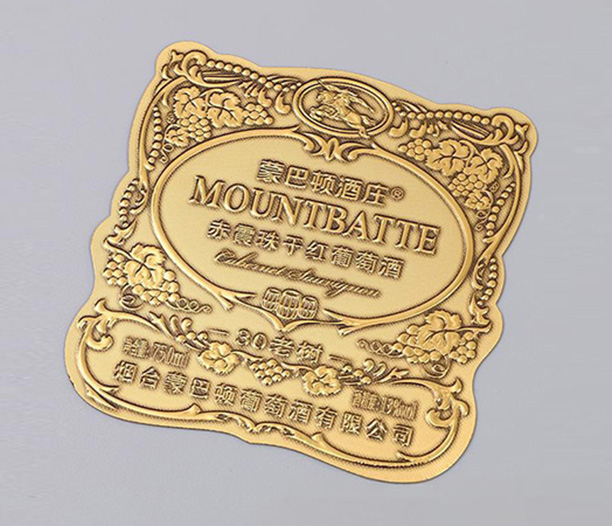
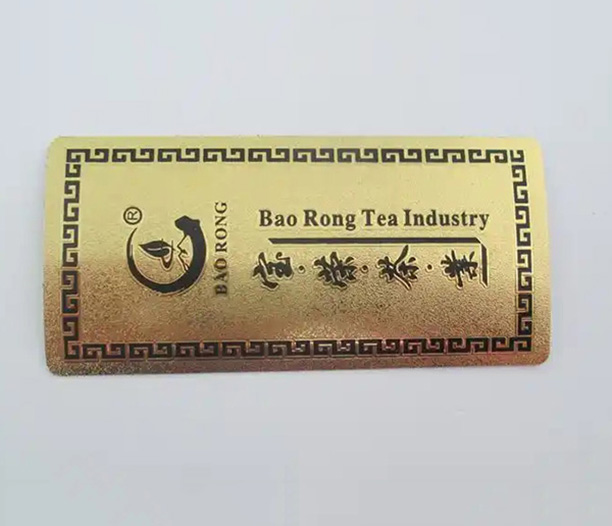
A Custom Nameplate Factory takes tree identification tags to the next level by offering tailored solutions that fit unique project requirements. Whether you need tags for a university research study, a corporate sustainability initiative, or a public park, customization ensures that each tag conveys the right information in a visually appealing way. For instance, you can choose from various shapes, sizes, colors, and attachment methods (e.g., wires, nails, or adhesives) to suit different tree types and environments. Advanced factories use techniques like etching, engraving, or digital printing to create sharp, long-lasting impressions that won’t fade over time. This is especially important for Industrial Nameplates, which often require high durability in rugged settings like construction sites or industrial forests. By working with a Custom Nameplate Factory, you can integrate features such as QR codes for digital tracking or multilingual text for international projects. This flexibility not only enhances the functionality of tree identification tags but also aligns with branding and compliance needs, making your efforts more efficient and professional.
Benefits of OEM Tree Tags for Large-Scale Projects
OEM Tree Tags (Original Equipment Manufacturer) are ideal for organizations that need large volumes of tree identification tags at a cost-effective price. OEM services allow businesses to outsource production to specialized manufacturers while maintaining control over design and quality. This approach is common in government contracts, non-profit reforestation programs, or commercial nurseries where standardized tags are required across multiple sites. For example, a city planning department might order thousands of OEM Tree Tags to label trees in public spaces, ensuring uniformity in data collection. These tags often incorporate elements from Industrial Nameplates, such as heavy-duty materials and weather-resistant coatings, to endure extreme conditions. The key advantage of OEM Tree Tags is scalability; manufacturers can produce them in bulk without compromising on durability or customization. This makes it easier to manage inventory and reduce long-term costs, as you can order replacements or updates as needed. When sourcing OEM Tree Tags, it’s vital to partner with a manufacturer who adheres to environmental standards, as sustainable practices align with the ethos of tree conservation.
Applications of Industrial Nameplates in Forestry and Beyond
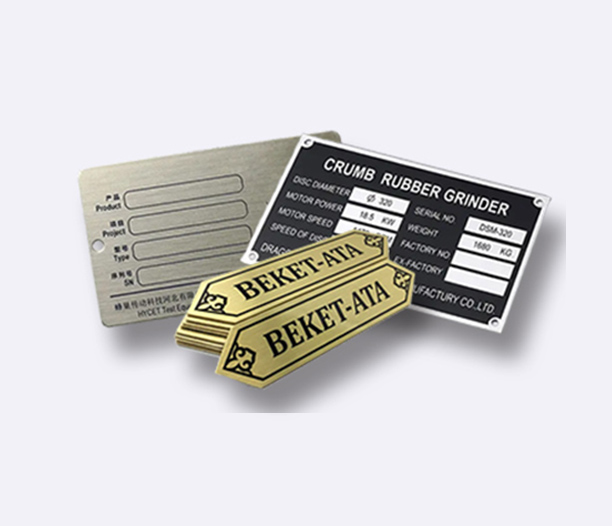
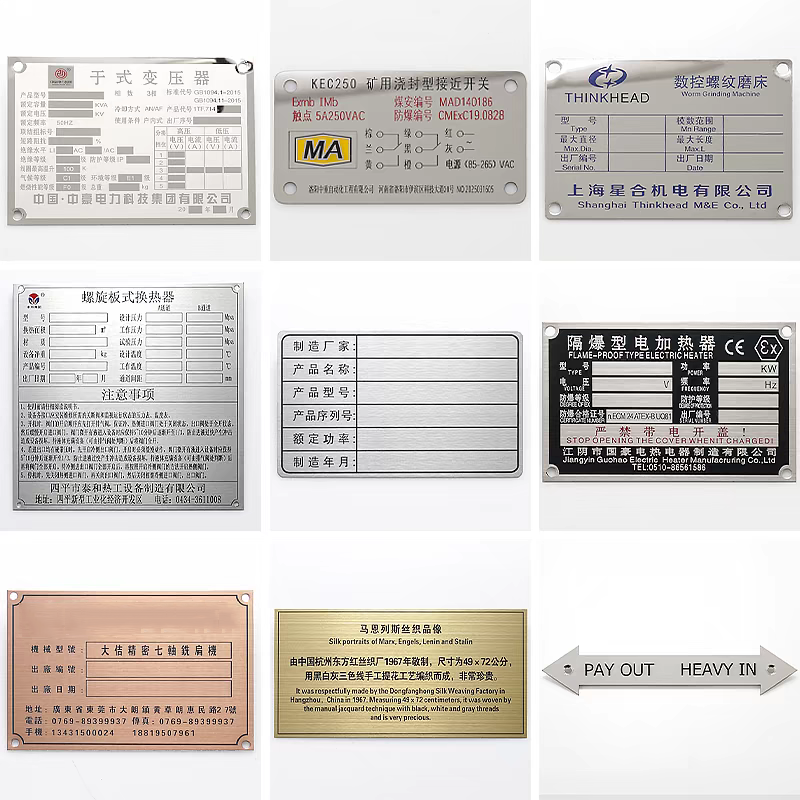
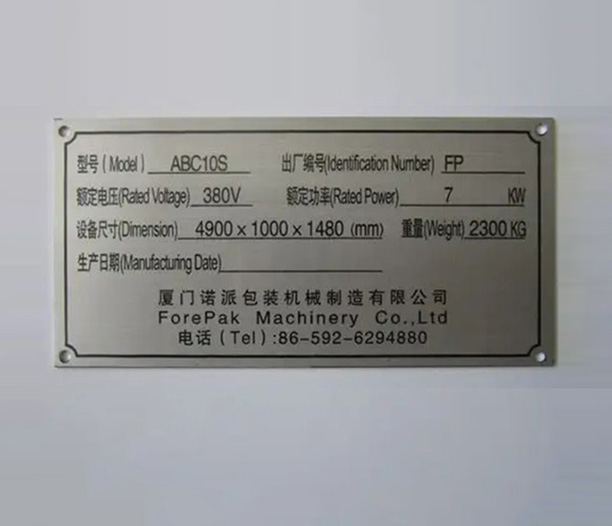
Industrial Nameplates are robust identification tools used in various sectors, including forestry, where they enhance the durability and functionality of tree identification tags. Typically made from metals like brass, aluminum, or stainless steel, these nameplates are designed to withstand harsh conditions such as moisture, temperature fluctuations, and physical impact. In forestry, they are often used for permanent tree marking in areas prone to vandalism or severe weather. For instance, in logging operations, Industrial Nameplates might display safety warnings or ownership details, while in arboretums, they provide educational content for visitors. The integration of Industrial Nameplates with tree identification tags ensures that critical information remains intact for decades, supporting long-term research and management. Moreover, many Industrial Nameplates are produced by a Custom Nameplate Factory, allowing for features like serial numbers or anti-theft mechanisms. This versatility makes them a go-to solution for projects that require both resilience and precision, bridging the gap between industrial durability and ecological sensitivity.
How to Make Durable Tree Tags: A Step-by-Step Approach
Knowing how to make durable tree tags is essential for anyone involved in forestry or landscaping, as it empowers you to create cost-effective, long-lasting solutions. Here’s a practical guide to crafting tags that stand the test of time:
Select the Right Materials: Start by choosing materials that resist environmental stress. Aluminum and stainless steel are popular for metal tags due to their corrosion resistance, while UV-stabilized plastics work well for lighter applications. For extreme conditions, consider materials used in Industrial Nameplates, such as coated metals or composite polymers.
Design for Legibility and Durability: Use clear, bold fonts and high-contrast colors to ensure the text remains readable. Avoid designs that trap moisture or debris, as this can lead to decay. If you’re working with a Tree Tag Manufacturer, discuss options like embossed or engraved text, which are less prone to fading.
Apply Protective Coatings: Coatings like epoxy, polyester, or anodizing can shield tags from UV rays, chemicals, and abrasion. This step is crucial for tags exposed to sunlight or polluted environments, as it prevents discoloration and wear.
Choose Secure Attachment Methods: The way you attach the tag can affect its longevity. Use stainless steel wires, rust-proof nails, or flexible ties that allow for tree growth without causing damage. Avoid materials that can constrict or corrode over time.
Test and Iterate: Before mass production, test a sample tag in the intended environment to assess its performance. Collaborate with a Custom Nameplate Factory for prototyping, and consider OEM Tree Tags if you need large batches with consistent quality.
By following these steps, you can produce tree identification tags that are not only functional but also sustainable. Remember, the goal is to balance cost, durability, and environmental impact—whether you’re making tags in-house or sourcing from a professional manufacturer.
Integrating Technology into Modern Tree Identification Tags
In today’s digital age, tree identification tags are evolving to include smart features like QR codes, RFID chips, or NFC tags. These technologies enable real-time data collection and remote monitoring, revolutionizing how we manage forests and urban green spaces. For example, a QR code on a tag can link to an online database with detailed tree histories, while RFID tags allow for automated inventory checks. This innovation often involves collaboration with a Tree Tag Manufacturer who specializes in integrating electronic components without compromising durability. Similarly, a Custom Nameplate Factory can embed these technologies into Industrial Nameplates, creating hybrid solutions that serve both identification and data-tracking purposes. When considering how to make durable tree tags with tech elements, focus on sealing mechanisms to protect against moisture and physical damage. OEM Tree Tags are also adapting to this trend, offering scalable options for smart tagging in large projects. By embracing technology, you can enhance the efficiency and accuracy of your tree identification efforts, making them more adaptable to future needs.
Environmental Considerations and Sustainability in Tag Production
As the demand for tree identification tags grows, so does the importance of sustainable practices in their production. Choosing eco-friendly materials and processes not only reduces environmental impact but also aligns with the conservation goals of many forestry projects. Look for a Tree Tag Manufacturer that uses recycled metals or biodegradable plastics and employs energy-efficient manufacturing techniques. A Custom Nameplate Factory might offer water-based inks or low-emission coating options to minimize pollution. For OEM Tree Tags, inquire about carbon-neutral shipping or take-back programs for old tags. Additionally, when learning how to make durable tree tags, consider the entire lifecycle—from production to disposal. Opt for designs that are easy to recycle or repurpose, and avoid hazardous substances like lead or cadmium. By prioritizing sustainability, you contribute to a circular economy while ensuring that your tree identification tags support, rather than harm, the ecosystems they monitor.
Conclusion: Investing in Quality for Long-Term Success
Tree identification tags are more than just labels; they are essential tools that support conservation, education, and management across various sectors. From selecting a reputable Tree Tag Manufacturer to leveraging the expertise of a Custom Nameplate Factory, every decision impacts the longevity and effectiveness of your tags. Whether you opt for OEM Tree Tags for bulk needs or incorporate Industrial Nameplates for rugged environments, the key is to focus on durability, customization, and sustainability. By understanding how to make durable tree tags and integrating modern technologies, you can ensure that your projects thrive for years to come. Remember, investing in high-quality tree identification tags today will pay off in accurate data, reduced maintenance, and a healthier environment tomorrow.
Frequently Asked Questions (FAQ)
Q1: What are the most common materials used for tree identification tags?
A1: The most common materials include aluminum, stainless steel, brass, and durable plastics like PVC or polycarbonate. Aluminum is lightweight and corrosion-resistant, making it ideal for general use, while stainless steel and brass are chosen for their strength and longevity in harsh conditions. Plastics are often UV-stabilized to prevent fading. For high-durability applications, Industrial Nameplates made from coated metals are recommended.
Q2: How do I choose between a Tree Tag Manufacturer and a Custom Nameplate Factory?
A2: A Tree Tag Manufacturer typically specializes in standard forestry tags and may offer bulk OEM Tree Tags, while a Custom Nameplate Factory focuses on personalized designs, including unique shapes, colors, and embedded technologies. If your project requires specific branding or complex features, a Custom Nameplate Factory is better suited. For large-scale, standardized needs, a Tree Tag Manufacturer might be more cost-effective.
Q3: Can OEM Tree Tags be customized with logos or serial numbers?
A3: Yes, most manufacturers allow customization in OEM Tree Tags, including logos, serial numbers, barcodes, or QR codes. This is often done through engraving, printing, or etching during production. It’s important to discuss your requirements with the manufacturer early on to ensure they can accommodate your design while maintaining durability and readability.
Q4: What factors should I consider when learning how to make durable tree tags?
A4: Key factors include material selection (e.g., weather-resistant metals or plastics), protective coatings (like epoxy for UV protection), attachment methods (using rust-proof hardware), and design simplicity to avoid dirt buildup. Testing prototypes in real-world conditions and consulting with experts, such as a Tree Tag Manufacturer, can help refine the process for long-lasting results.
Q5: Are there eco-friendly options for tree identification tags?
A5: Absolutely. Many manufacturers now offer tags made from recycled materials, biodegradable plastics, or sustainably sourced metals. You can also look for a Custom Nameplate Factory that uses eco-friendly inks and coatings. Additionally, some OEM Tree Tags are designed for easy recycling, reducing environmental impact over their lifecycle.
Q6: How long do high-quality tree identification tags typically last?
A6: With proper materials and coatings, high-quality tags can last 10 to 20 years or more. For instance, anodized aluminum or stainless steel Industrial Nameplates often endure decades of exposure to elements like rain, sun, and wind. Factors such as climate, installation method, and maintenance will influence longevity, so it’s best to choose tags based on your specific environment.
Q7: Can I use tree identification tags for purposes beyond forestry, such as in urban planning?
A7: Yes, tree identification tags are versatile and used in urban planning, parks, campuses, and even private gardens. They help track tree health, manage maintenance schedules, and provide educational information. In cities, tags might include safety warnings or historical details, often produced by a Custom Nameplate Factory to meet municipal standards.
This article provides a comprehensive overview of tree identification tags, covering key aspects from manufacturing to practical application. If you have more questions or need assistance with a specific project, feel free to reach out to industry professionals for tailored advice.