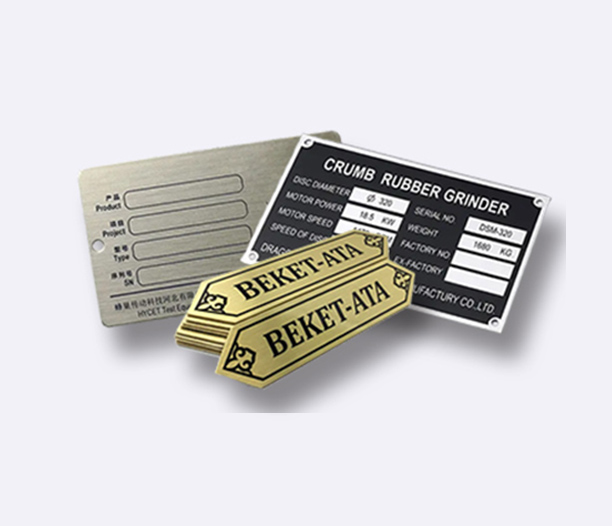
5 Key Considerations for Crafting Professional Easy DIY Name Plates with Long-Lasting ResultsCreating your own identification tags can be a cost-effective and rewarding way to organize a workspace, brand products, or label assets. However, achieving results that are both aesthetically pleasing and durable requires more than just a craft knife and a marker. When we talk about easy diy name plates, we refer to methods that balance simplicity with professional-grade outcomes. Below, we break down the five critical factors that ensure your homemade nameplates can withstand wear, meet readability standards, and even serve in light industrial applications.
1. Material Selection for DIY Name Plates: Balancing Workability and Durability
The substrate you choose defines the entire performance envelope of your nameplate. For easy diy name plates, the material must be forgiving enough for hand tools or low-power machines yet robust enough for its intended environment. Below are the most common categories with their mechanical and chemical properties.
Metals: Aluminum, Brass, and Stainless Steel
Aluminum (6061 or 5052): Offers the best weight-to-strength ratio and is easily engraved with rotary tools or fiber lasers. Pre-anodized aluminum provides a scratch-resistant surface and high contrast when laser-etched. For DIY, 0.5 mm to 1.5 mm thickness is manageable with jeweler’s saws or shears.
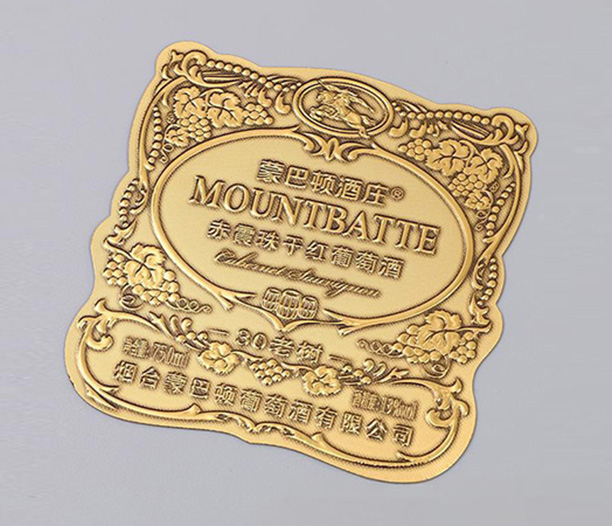
Brass: Favored for decorative plaques because of its warm tone and resistance to tarnishing when clear-coated. It machines cleanly but requires sharp carbide burrs to avoid burr formation.
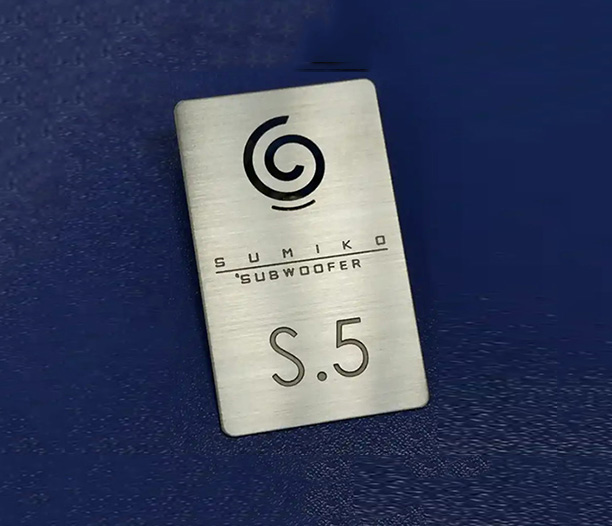
Stainless Steel (304): Highly corrosion-resistant but demands either chemical etching or powerful laser markers. For true DIY without heavy equipment, stainless is challenging; however, pre-etched blanks are available for customization with permanent markers or paints.
Engineering Plastics: Acrylic, PVC, and Polycarbonate
Plastics are ideal for indoor use and low-cost prototyping. Acrylic (PMMA) engraves cleanly with lasers and edge polishes automatically. PVC is flexible and weather-resistant but releases chlorine gas when laser-cut—use mechanical cutting instead. Polycarbonate offers impact resistance down to -40°C and is often used for machine tags. When selecting plastic for easy diy name plates, ensure it is UV-stabilized if placed outdoors.
Laminated Materials and Pre-Finished Blanks
Many suppliers, including Hemawell Nameplate, offer pre-cut blanks with a durable top layer (e.g., anodized aluminum or polyester) and a contrasting core. These are designed for quick engraving with minimal tooling—simply remove the top layer to reveal the base color. This approach guarantees consistent depth and contrast without post-processing.
2. Essential Tools for Easy DIY Name Plates: From Manual to Digital
The toolset determines the complexity and precision you can achieve. For true easy diy name plates, you can start with hand tools and progress to desktop machines as your needs grow.
Hand Tools: Stamps, Engraving Pens, and Stencils
For low-volume projects, metal stamping kits (3 mm to 6 mm characters) provide a tactile, permanent mark on soft metals and plastics. Use a hammer and a jig to keep alignment. Rotary engraving pens (like Dremel with diamond burrs) allow freehand lettering but require steady hands and practice to maintain consistent depth. Stencils and etching creams (ferric chloride for metals) offer a chemical approach—safe and repeatable for thin plates.
Desktop CNC Routers and Laser Engravers
Entry-level CNC machines (e.g., Shapeoko, Carbide Nomad) can engrave metals and plastics with 0.1 mm precision. They require CAD/CAM software and workholding. Diode laser engravers (5W to 20W) are excellent for marking coated metals, wood, and acrylic. For instance, a 10W diode laser can engrave anodized aluminum at 300 mm/min, producing high-contrast marks. CO₂ lasers (40W and above) cut through acrylic up to 10 mm thick. When choosing a laser for easy diy name plates, ensure it has air assist to reduce charring.
Software for Design and Layout
Vector design tools like Inkscape (free) or Adobe Illustrator are used to create artwork. For laser users, LightBurn provides direct machine control and supports variable power settings for depth modulation. For CNC, Fusion 360 or Carbide Create generates toolpaths. Always export designs as SVG or DXF to preserve scale. Test prints on paper verify text size—a minimum stroke width of 0.5 mm is recommended for readability.
3. Step-by-Step Process to Create Durable DIY Name Plates
Follow this systematic workflow to achieve repeatable, professional-looking results with your easy diy name plates.
Designing with Vector Graphics
Start by defining the plate dimensions and text. Use sans-serif fonts (e.g., Arial, Helvetica) for legibility at small sizes. Convert text to paths to avoid font substitution issues. For barcodes, use 2D Data Matrix or QR codes with error correction level H. Include a border at least 2 mm from edges to account for cutting tolerance.
Preparing the Material Surface
Clean the material with isopropyl alcohol to remove oils and debris. For metals, lightly abrade with 400-grit sandpaper to improve adhesion of any subsequent coatings. Masking tape or transfer paper can be applied to protect surfaces during engraving and reduce burrs.
Engraving/Cutting Parameters
For laser engraving anodized aluminum, set power to 80% and speed to 200 mm/s (on a 40W CO₂ laser) to remove the anodic layer without melting the base. For rotary engraving brass, use a 0.5 mm carbide cutter, spindle speed 10,000 RPM, and depth 0.15 mm. Always perform a test on scrap material to verify contrast and depth. Measure depth with a dial indicator or digital microscope—target 0.1–0.2 mm for indoor plates, 0.3 mm for outdoor.
Finishing and Protective Coatings
After engraving, remove debris with compressed air and a soft brush. For metals, apply a clear lacquer or wax to prevent oxidation. For outdoor use, consider epoxy fills: mix epoxy resin with pigment, apply into engraved areas, and scrape off excess before curing. This creates a smooth, weatherproof surface. Hemawell Nameplate recommends a post-cure at 60°C for 2 hours to maximize adhesion.
4. Common Pitfalls in Easy DIY Name Plates and How to Avoid Them
Even with the best intentions, several mistakes can compromise the quality of your easy diy name plates. Here’s how to sidestep them.
Incorrect Depth Leading to Illegibility
Too shallow, and the mark may wear off; too deep, and the plate may warp or the cutter may break. Always calibrate your machine’s Z-axis or laser focus. Use a step wedge test to determine optimal power/speed combinations. For hand stamping, strike once firmly—repeated strikes cause double images.
Material Warping from Heat
Lasers generate heat that can distort thin plastics or metals. Use air assist to cool the cut zone, and employ a honeycomb bed to dissipate heat. For thin aluminum (<0.8 mm="">
Poor Contrast and Readability
Low contrast occurs when the engraved area does not differ enough from the surface. For anodized aluminum, ensure the anodic layer is fully removed—inspect with a 10x loupe. For plastics, use a contrasting fill: acrylic paints or enamel sticks rubbed into the engraving then wiped clean. For metals, chemical darkening agents (like brass darkener) can be applied.
5. Applications of DIY Name Plates in Various Industries
While DIY often conjures home projects, the techniques described are also used by small businesses and maintenance teams for functional labeling.
Home Organization and Labeling
From pantry jars to electrical panels, custom nameplates bring order. Use adhesive-backed plastic or magnetic sheets for easy repositioning. Laser-engraved wooden tags add a rustic touch to gardens or tool sheds.
Small Business Product Branding
Artisans and boutique manufacturers can produce short runs of branded metal tags for leather goods, furniture, or electronics. Hemawell Nameplate supplies blank anodized aluminum sheets that are ideal for laser marking, giving a premium look without the cost of custom tooling.
Industrial Asset Tagging
Even in heavy industry, easy diy name plates can be used for temporary identification during maintenance or for low-risk assets. Materials like 316 stainless steel (0.5 mm thick) can be engraved with a fiber laser if available, or chemically etched. However, for assets subject to extreme conditions, professionally manufactured plates from experts like Hemawell Nameplate are recommended to meet safety and traceability standards.
Frequently Asked Questions About Easy DIY Name Plates
Q1: What is the easiest material for beginners to engrave for DIY name plates?
A1: For beginners, anodized aluminum is the most forgiving. It engraves cleanly with both laser and rotary tools, offers high contrast, and is available in various colors. Pre-cut blanks can be found online, and a simple diode laser or even a hand engraver can produce readable marks. Acrylic sheets (1/8" thick) are also easy to laser-cut and engrave, though they are less durable outdoors.
Q2: Can I make DIY name plates without a laser or CNC machine?
A2: Absolutely. Manual methods include metal stamping (using letter punches and a hammer), hand engraving with a rotary tool, or chemical etching with ferric chloride and stencils. For plastics, you can use a hot stamping tool or even a Dremel with a fine burr. The key is to practice on scrap to achieve consistent depth and spacing.
Q3: How do I ensure my DIY name plates are weather-resistant?
A3: Select materials rated for outdoor use: anodized aluminum, 316 stainless steel, or UV-stabilized polycarbonate. After engraving, apply a clear protective coating—acrylic spray or marine-grade polyurethane. For maximum durability, consider epoxy filling the engraved areas to seal them from moisture. Test by spraying with water and freezing to check adhesion.
Q4: What font and size should I use for optimal readability?
A4: Sans-serif fonts like Arial or Verdana are recommended because they lack fine details that can fill in during engraving. For a viewing distance of 1 meter, minimum character height should be 4 mm. For small tags (e.g., 25 mm x 10 mm), use 3 mm tall text with a stroke weight of at least 0.3 mm. Always perform a readability test under the expected lighting conditions.
Q5: Where can I find templates or design ideas for easy DIY name plates?
A5: Websites like Thingiverse, Pinterest, and manufacturer sites (including Hemawell Nameplate) offer free templates and design examples. You can also use built-in templates in design software like Canva or Inkscape. For industrial applications, refer to ANSI or ISO standard tag layouts available from standards organizations.
Q6: Can I produce barcodes or QR codes on DIY name plates?
A6: Yes, as long as the engraving method can achieve the necessary resolution. For 2D codes, a minimum cell size of 0.3 mm is required for reliable scanning. Laser engraving on anodized aluminum or CNC engraving on plastic can achieve this. Test the code with a scanner immediately after production and after any finishing steps to ensure it remains readable.
Q7: How do I attach DIY name plates to different surfaces?
A7: Common methods include industrial double-sided tape (for smooth, clean surfaces), rivets or screws (for permanent attachment), magnetic backing (for temporary placement), or adhesive epoxy. For curved surfaces, consider flexible materials like thin aluminum or vinyl. Ensure the attachment method is compatible with the environment (e.g., stainless steel screws for outdoor use).
Creating professional-grade easy diy name plates is achievable with the right combination of materials, tools, and techniques. Whether you are organizing a home workshop or producing short-run product tags, following the guidelines above will help you avoid common mistakes and produce durable, legible identification. For projects that require high volume, strict compliance (e.g., MIL-STD-130), or extreme durability, partnering with an experienced manufacturer like Hemawell Nameplate ensures your nameplates meet the highest standards of quality and traceability.