A DIY name plate for home adds a unique touch to your entrance. It’s more than just a way to tell people they’re at the right house. It’s a statement of your style and a welcoming first impression. Making one yourself means it carries a bit of your personality.
This project is accessible to almost anyone. You don’t need a fancy workshop. With some simple materials and a little time, you can create something special. Let’s look at the options and methods to find the right fit for you.
What Makes a Good DIY House Sign?
A DIY name plate for home serves a few key purposes. First, it needs to be readable from a short distance. Visitors should be able to see your house number or family name clearly.
It also has to withstand the weather. Your creation will live outside, facing sun, rain, and maybe snow. Choosing durable materials and finishes is non-negotiable.
Finally, it should reflect you. Unlike a store-bought plaque, a DIY name plate for home can tell a story. It could be rustic, modern, playful, or elegant. The design is entirely in your hands.
Comparing Materials for Your Homemade Name Plate
Your first big decision is what to make it from. The material shapes the entire project. Each option has its own look and skill requirement.
Wood is a classic and forgiving choice for a DIY name plate for home. Pallet wood, cedar plank, or even a slice of log can work. Wood is easy to cut, sand, and paint. However, it requires a good outdoor sealant to prevent rot and warping.
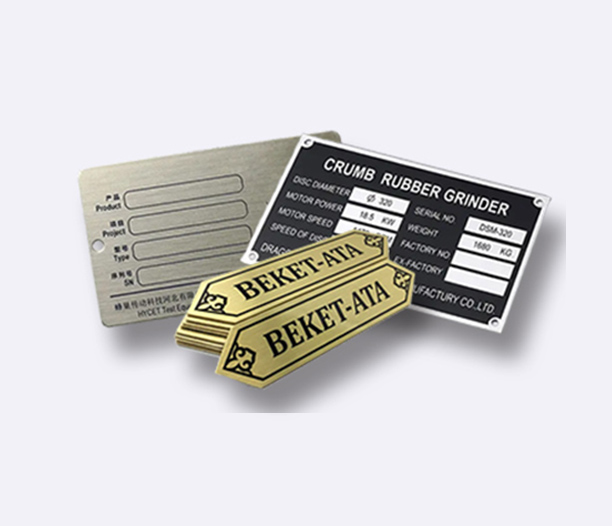
Metal offers a sleek, modern look. You can use aluminum flashing, old license plates, or steel sheets. Cutting metal can be trickier and requires the right tools like tin snips or a jigsaw with a metal blade. Weathering steel (Corten) is popular for its rustic, self-protecting patina.
Slate or stone tiles create a beautiful, high-end look. You can find tiles at home improvement stores. Lettering is typically done with paint pens or stencils. The result is a very durable DIY house sign that feels permanent.
Reclaimed and unexpected items add character. Think of an old window shutter, a vintage baking sheet, or a piece of weathered barn wood. This approach is perfect for a truly unique, upcycled DIY name plate for home.
A Simple Guide to Planning Your Project
Before you cut or paint anything, a bit of planning saves frustration. Start by deciding what information to include. Just your house number? Your family name? Or a combination of both?
Next, measure your space. How wide is the spot next to your door or on your porch? Your DIY name plate for home should fit comfortably without looking cramped or lost.
Sketch your design on paper. Play with different fonts and layouts. For numbers, simple, bold styles are often the most readable from the street. If you’re including a name, a script font can be elegant but ensure it’s not too fussy.
Consider your mounting method. Will it hang from hooks? Will it sit on a porch ledge? Or will it be screwed directly into siding or a post? Figuring this out early influences the design and backing of your DIY house sign.
What It Really Costs to Make a DIY Name Plate
One of the biggest appeals is controlling the budget. A DIY name plate for home can be incredibly cheap or a moderate investment, depending on your vision.
If you use reclaimed materials, your cost might be nearly zero. An old board, leftover paint, and some screws from the garage can create a charming sign.
Buying new materials from a craft or hardware store is still affordable. A nice pine board, a small can of exterior paint, and a brush might cost less than a basic store-bought plaque. Specialty items like a slate tile or a metal sheet will increase the price slightly.
The main investment is often in tools you might not own. A wood-burning kit, a set of metal stamps, or a small CNC router expands your possibilities but adds cost. Remember, these tools can be used for future projects, too.
Don’t forget the finishing supplies. A quality exterior-grade polyurethane, spar urethane, or outdoor metal sealant is crucial for longevity. This small cost protects your work for years.
Hands-On Techniques for Making Your Sign
Here is where the fun begins. The technique you choose defines the look of your final DIY name plate for home.
Hand-painting is the most straightforward method. Use stencils for clean letters or freehand for a folk-art charm. Exterior acrylics or specially formulated enamel paints work best. Apply several thin coats and let it dry completely between each.
Wood burning (pyrography) creates a beautiful, natural look. It works best on light, smooth wood like basswood or birch plywood. You trace your design and burn it into the surface. The result is a permanent, rustic DIY house sign.
Stenciling and spray painting is great for modern, graphic looks. Use adhesive vinyl stencils cut on a machine or simple cardboard stencils. Spray light, even coats from a distance to prevent drips. This method works brilliantly on metal or smooth wood.
For a rustic, dimensional look, try using nailed letters. Print your name or numbers in a bold font. Pin the paper to your wood backing. Then, drive small nails or brads along the outlines of the letters. You can leave them as is or wrap string around the nails.
If you have access to digital tools, the options explode. A Cricut or Silhouette machine can cut precise paint stencils or adhesive vinyl decals. Those with a desktop laser engraver or CNC router can produce incredibly professional-looking DIY name plates for home.
Mounting and Protecting Your Finished Creation
Your work isn’t done when the paint dries. Proper mounting and sealing are what make it a lasting DIY name plate for home.
For sealing wood, sand it smooth first. Apply an exterior-grade water sealer or spar urethane. Follow the directions, and apply at least two to three coats, sanding lightly between coats. This protects against moisture and UV rays.
For metal, clean it thoroughly with rubbing alcohol. After painting, a clear coat of exterior-grade acrylic spray sealant will protect the paint from chipping and fading. For raw steel, a clear matte sealant can lock in the rusted look.
Mounting hardware matters. Use rust-proof screws or outdoor-rated picture hanging wire. If attaching directly to siding, ensure you’re not drilling into wires or pipes. Consider using a cleat hanger system for a secure, level hold on a heavier slate or wood DIY house sign.
Placement is part of the design. Hang it at eye level for easy reading. Ensure it’s well-lit at night, either by your porch light or with a dedicated solar spot light.
Frequently Asked Questions (FAQ)
Q1: What is the easiest material for a first-time DIY name plate for home?
A1: Wood is generally the easiest. It’s easy to cut, sand, and paint. A simple painted wooden plaque with stenciled letters is a fantastic beginner project with a high chance of success.
Q2: How can I make sure the letters on my DIY house sign are straight and evenly spaced?
A2: Using a stencil is the best method. You can buy pre-made stencils, print and cut your own from cardboard, or use adhesive vinyl stencils cut with a craft machine. Lightly draw a center line on your plaque and align your stencil to it.
Q3: Can I make a DIY name plate for home without any power tools?
A3: Absolutely. Many projects require only hand tools. Use a hand saw to cut wood, sandpaper for smoothing, and a brush for painting. For metal, you can often have it cut to size at the hardware store.
Q4: How do I protect a painted DIY name plate for home from peeling in the sun and rain?
A4: The key is in the prep and the topcoat. Ensure the surface is clean and smooth before painting. After the paint has fully cured (check the can), apply 2-3 coats of a clear, exterior-grade waterproof sealant like spar urethane for wood or an acrylic sealer for metal.
Q5: What’s a creative way to display a DIY house sign without drilling into my house?
A5: There are several options. You can mount it on a sturdy garden stake and place it in a planter or garden bed next to your walkway. A decorative porch stand or a vintage chair can also hold a sign. For a lightweight sign, strong outdoor adhesive strips might work on smooth siding.