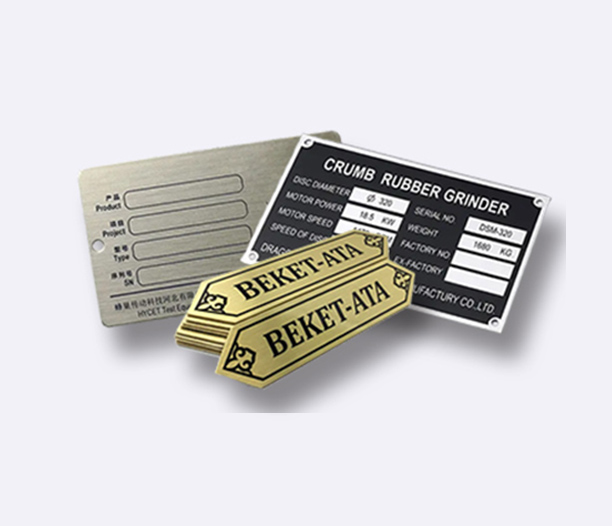
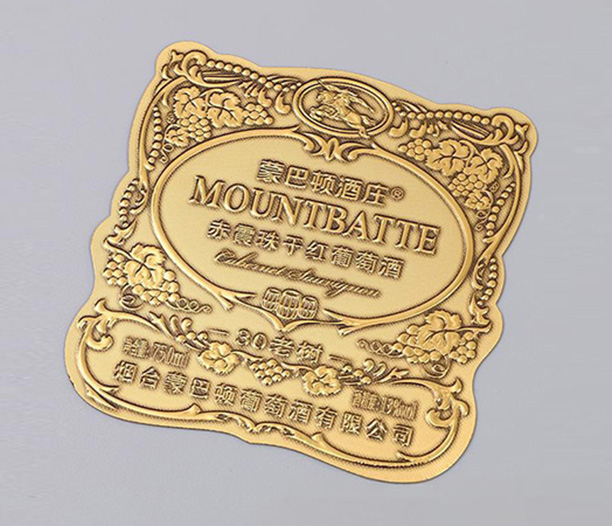
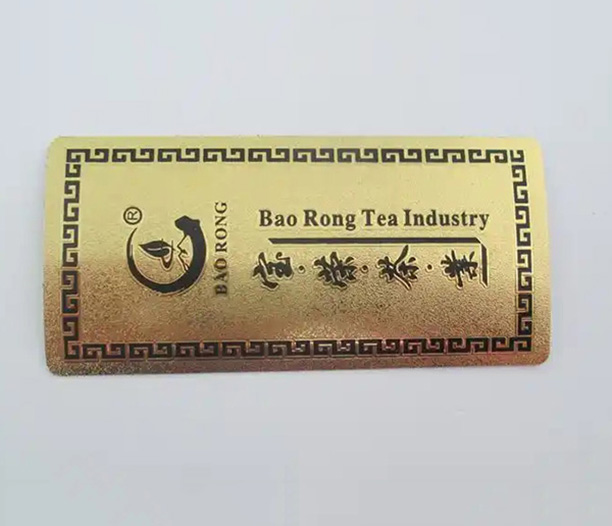
7 Key Insights into Metal Label Printing for Durable Industrial SolutionsMetal label printing is a specialized method for creating labels on metal surfaces. It is widely used in industries where durability and clarity are essential. This process involves various techniques to ensure labels withstand harsh conditions. In this article, we will explore important aspects of
metal label printing. You will learn how it works and why it matters for modern applications.
1. What Is Metal Label Printing and How Does It Work?
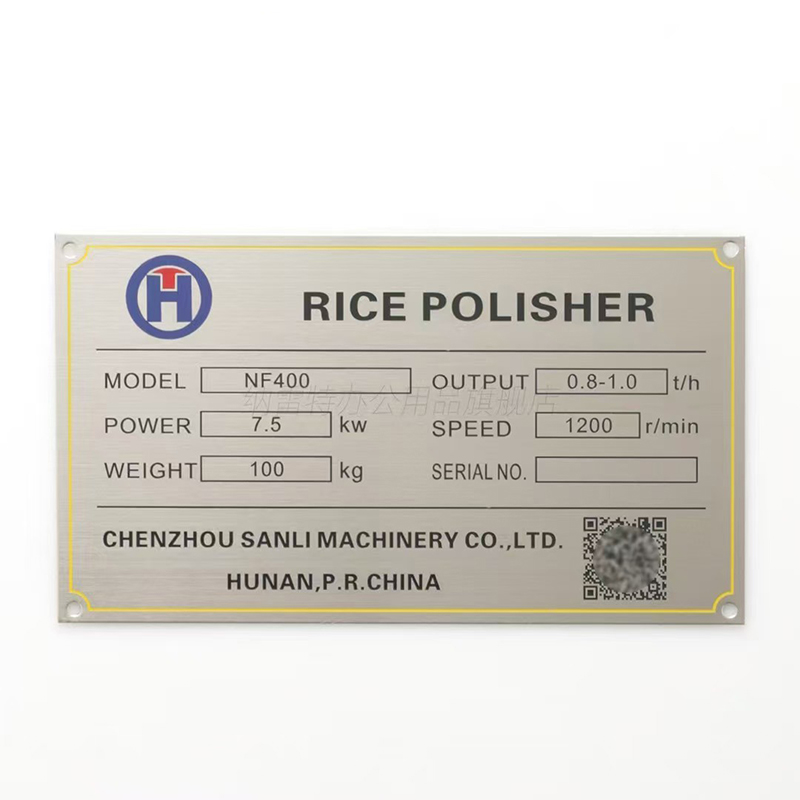
Metal label printing refers to the process of applying text or graphics onto metal labels. These labels are made from materials like aluminum, stainless steel, or brass. The printing ensures information remains visible and intact over time.
Common Techniques in Metal Label Printing
Several methods are used for printing on metal labels. Each technique offers unique advantages depending on the project requirements.
Screen Printing: This method uses a mesh to transfer ink onto the metal surface. It is cost-effective for large batches.
Digital Printing: Ideal for custom designs, digital printing allows for high detail and quick turnaround.
Etching: Chemical or laser etching creates permanent marks by removing layers of metal. It is highly durable.
Embossing: This technique raises the label surface for a tactile effect. It combines aesthetics with functionality.
Choosing the right technique depends on factors like budget and durability needs. Proper metal label printing ensures labels meet industry standards.
2. Benefits of Using Metal Label Printing in Industries
Metal label printing offers numerous advantages for industrial and commercial use. These benefits make it a preferred choice for many applications.
Enhanced Durability and Resistance
Metal labels are known for their strength. They can endure extreme temperatures, moisture, and chemicals. This resilience ensures information stays readable in tough environments.
Weather Resistance: Labels remain intact outdoors, resisting UV rays and rain.
Chemical Resistance: They do not degrade when exposed to solvents or oils.
Long Lifespan: Metal labels often last for decades without fading or peeling.
Improved Safety and Compliance
In regulated industries, clear labeling is crucial for safety. Metal labels help meet legal requirements by providing permanent warnings or instructions.
For example, equipment in factories needs labels that withstand wear. Effective metal label printing ensures compliance with standards like OSHA or ISO.
3. Applications of Metal Label Printing Across Sectors
Metal label printing is versatile and used in many fields. From manufacturing to healthcare, it plays a key role in organization and safety.
Industrial and Manufacturing Uses
In factories, labels identify machinery, parts, and pipelines. They must endure heat, dirt, and physical contact. Metal labels are ideal for this purpose.
Asset Tracking: Labels with serial numbers help monitor equipment lifecycles.
Warning Signs: Permanent labels alert workers to hazards like high voltage.
Technical Specifications: Labels display data like pressure ratings or model numbers.
Commercial and Retail Applications
Beyond industry, metal labels add a premium look to products. They are used for branding, pricing, or informational tags on consumer goods.
For instance, luxury items often feature engraved metal labels. This enhances perceived value and durability. The process of metal label printing supports these aesthetic needs.
4. Key Considerations for Effective Metal Label Printing
To achieve the best results, certain factors must be addressed. Material choice, design, and environment all impact the outcome.
Selecting the Right Metal Material
Different metals offer varying properties. Aluminum is lightweight and corrosion-resistant. Stainless steel provides high strength for harsh conditions.
Aluminum: Good for indoor use and cost-effective projects.
Stainless Steel: Suitable for outdoor or chemical-heavy environments.
Brass: Offers a classic appearance for decorative labels.
Design and Layout Tips
A clear design ensures readability. Use bold fonts and high-contrast colors. Avoid overcrowding text to maintain legibility from a distance.
Also, consider the label size relative to the surface. Proper planning prevents issues during application. Consulting experts in metal label printing can streamline this process.
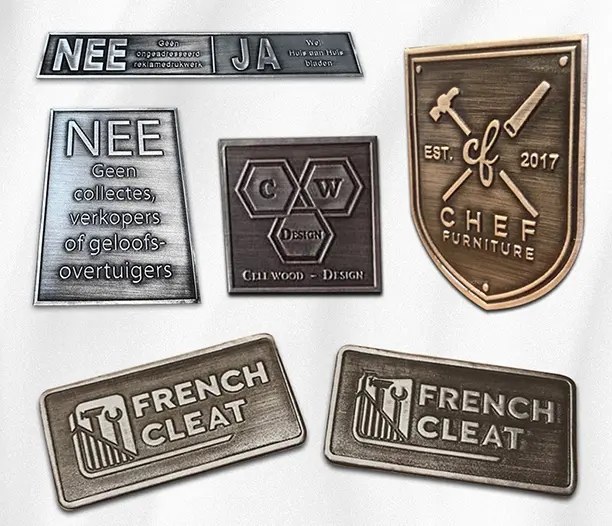
5. Technological Advances in Metal Label Printing
Innovations have improved the efficiency and quality of printing on metal. New technologies offer faster production and better customization.
Digital and Laser Innovations
Digital printers now handle metal surfaces with precision. They allow for full-color graphics and variable data printing. Laser systems enable detailed etching without physical contact.
Speed: Modern printers reduce turnaround times from days to hours.
Accuracy: High-resolution outputs ensure sharp images and text.
Flexibility: On-demand printing supports small batches and prototypes.
Environmentally Friendly Options
Eco-conscious practices are gaining traction. Water-based inks and recyclable metals reduce environmental impact. These options appeal to businesses focusing on sustainability.
Advances in metal label printing continue to drive these green initiatives. They balance performance with ecological responsibility.
6. Challenges and Solutions in Metal Label Printing
Despite its benefits, this process can present obstacles. Understanding these challenges helps in finding effective solutions.
Common Issues and How to Overcome Them
Adhesion problems may occur if the metal surface is not properly prepared. Cleaning and priming can enhance ink bonding. Also, color fading might happen under intense sunlight.
Surface Preparation: Use degreasers to remove oils before printing.
Protective Coatings: Apply clear layers to shield against abrasion or UV exposure.
Quality Control: Regular testing ensures labels meet durability standards.
Cost Management Strategies
Metal label printing can be expensive for complex designs. Optimizing batch sizes and material usage helps control costs. Working with reliable suppliers also reduces waste.
By addressing these challenges, businesses can maximize the value of their labeling projects. This makes metal label printing a practical investment.
7. Future Trends in Metal Label Printing
The industry is evolving with new trends shaping its future. Smart labels and automation are set to transform how labels are used.
Integration with IoT and Smart Systems
Labels may include RFID or QR codes for tracking. This connects physical assets to digital databases. It improves inventory management and maintenance scheduling.
Real-Time Data: Smart labels provide updates on location or condition.
Enhanced Security: Encoded information prevents tampering or counterfeiting.
Efficiency: Automated systems reduce manual labeling errors.
Customization and Personalization
Demand for unique labels is growing. Businesses seek tailored designs that reflect their brand. Advances in printing technology support this trend.
In summary, metal label printing will continue to adapt to market needs. Its role in industry remains vital for identification and safety.
Metal label printing is a critical process for creating durable, reliable labels. It offers benefits like longevity and compliance across various sectors. As technology advances, its applications will expand further. By understanding the insights shared here, you can make informed decisions about metal label printing for your needs.
Frequently Asked Questions About Metal Label Printing
Q1: What materials are commonly used in metal label printing?
A1: Common materials include aluminum, stainless steel, and brass. Aluminum is lightweight and cost-effective. Stainless steel offers high durability for harsh environments. Brass is often chosen for its aesthetic appeal in decorative applications.
Q2: How long do metal labels typically last?
A2: Metal labels can last for decades when properly printed and applied. Their lifespan depends on factors like material quality and environmental conditions. In indoor settings, they may remain intact for over 20 years without significant wear.
Q3: Can metal label printing handle full-color designs?
A3: Yes, modern digital printing techniques allow for full-color graphics on metal labels. This includes photographs and complex logos. However, for outdoor use, protective coatings are recommended to prevent fading.
Q4: What industries benefit most from metal label printing?
A4: Industries such as manufacturing, automotive, aerospace, and healthcare benefit greatly. These sectors require labels that withstand extreme conditions, like heat, chemicals, or moisture, for safety and compliance purposes.
Q5: Is metal label printing environmentally friendly?
A5: It can be, with the use of recyclable metals and eco-friendly inks. Many providers now offer sustainable options to reduce waste and energy consumption. Always check with suppliers for green practices in their metal label printing processes.