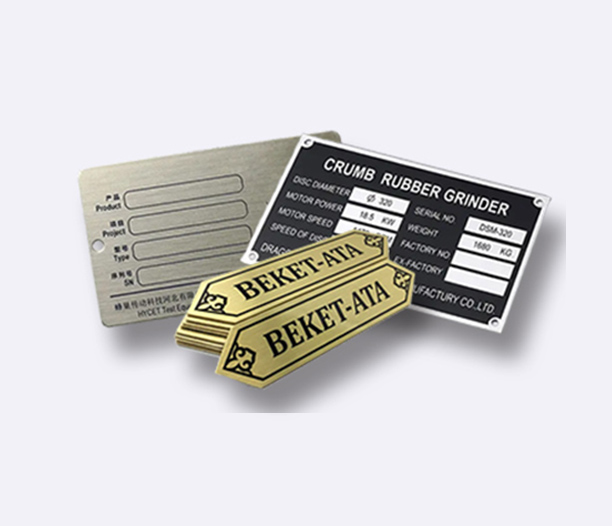
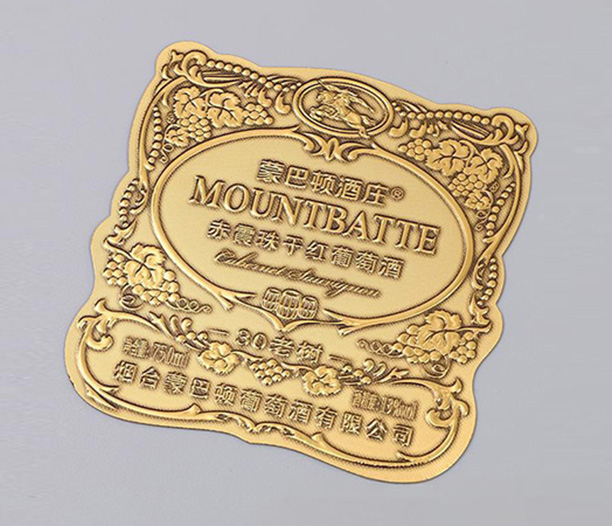
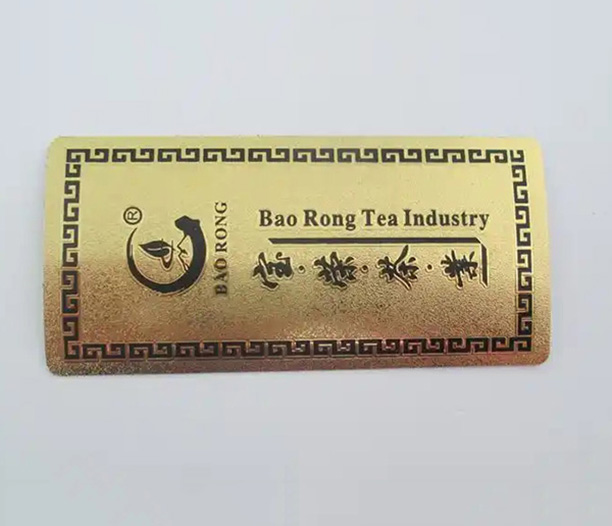
Adhesive name plates are simple yet effective tools for labeling and identification. They stick to surfaces using a strong backing, making them versatile for many applications. From offices to industrial settings, these plates help organize spaces and convey information clearly.
This guide covers essential aspects of adhesive name plates. You will learn about their types, benefits, and how to use them properly. Whether for branding or safety, they offer a reliable solution.
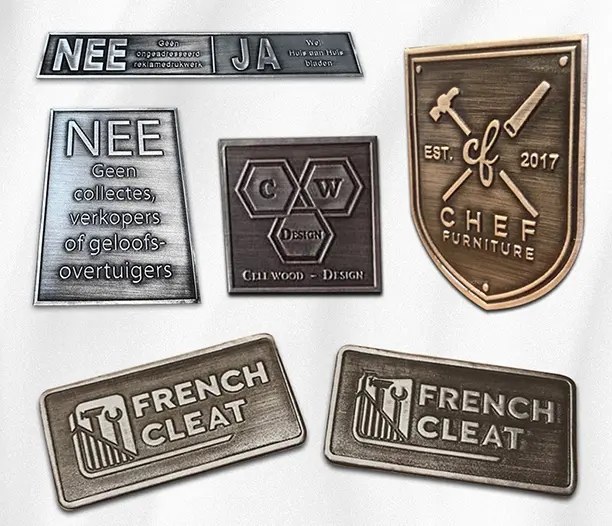
What Are Adhesive Name Plates?
Adhesive name plates are labels made from durable materials with a sticky backing. They attach to surfaces without screws or tools. This makes them quick to apply and remove when needed.
Definition and Basic Features
These plates typically consist of a face material and an adhesive layer. The face can be metal, plastic, or vinyl. The adhesive ensures a firm hold on various surfaces like doors, equipment, or walls.
Key features include:
Resistance to wear and tear.
Customizable text and designs.
Easy application process.
Common Uses for Adhesive Name Plates
You can find adhesive name plates in many places. They label office doors, machinery, and products. They also serve in healthcare for equipment identification.
Other uses include:
Branding on retail displays.
Safety warnings in factories.
Name tags for conferences or events.
Types of Adhesive Name Plates
Choosing the right type depends on your needs. Adhesive name plates come in various materials and adhesive strengths. This section breaks down the options.
Categories by Material
Materials affect durability and appearance. Common choices are:
Metal plates: Often aluminum or stainless steel. They last long and look professional.
Plastic plates: Lightweight and cost-effective. Good for indoor use.
Vinyl labels: Flexible and easy to print. Suitable for curved surfaces.
Each material has pros and cons. Metal resists heat and chemicals. Plastic works well for temporary labels. Vinyl is versatile for detailed graphics.
Categories by Adhesive Type
The adhesive backing determines how well the plate sticks. Options include:
Permanent adhesive: Strong bond for long-term use. Hard to remove without residue.
Removable adhesive: Allows easy repositioning. Ideal for rental spaces or temporary setups.
High-tack adhesive: Designed for rough or uneven surfaces. Ensures a secure hold.
Consider the surface before selecting. Smooth surfaces like glass need less adhesive strength. Textured surfaces may require high-tack options.
Benefits of Using Adhesive Name Plates
These plates offer many advantages over traditional methods. They simplify identification and branding. Below are key benefits.
Easy Application and Removal
You can apply adhesive name plates quickly. No drilling or hardware is needed. This saves time and reduces installation costs.
Removal is also straightforward. For removable types, you can peel them off cleanly. This minimizes damage to surfaces during updates.
Durability and Longevity
Quality plates resist fading, scratches, and moisture. They maintain readability in harsh conditions. This makes them reliable for outdoor or industrial use.
Benefits include:
UV resistance for sun exposure.
Chemical resistance for labs or factories.
Temperature tolerance for varied climates.
How to Choose the Right Adhesive Name Plates
Selecting the best adhesive name plates involves several factors. Think about where you will use them and what information they must convey.
Consider the Surface and Environment
Surface type impacts adhesion. Smooth surfaces like metal or glass work with most adhesives. Rough surfaces like brick may need special backings.
Environmental factors matter too. For outdoor use, choose weather-resistant materials. Indoor plates can focus on aesthetics.
Evaluate Design and Customization
Design elements include text, colors, and logos. Custom plates help match your brand. Ensure the print method suits the material.
Key points:
Use legible fonts for clear identification.
Select colors that contrast with the background.
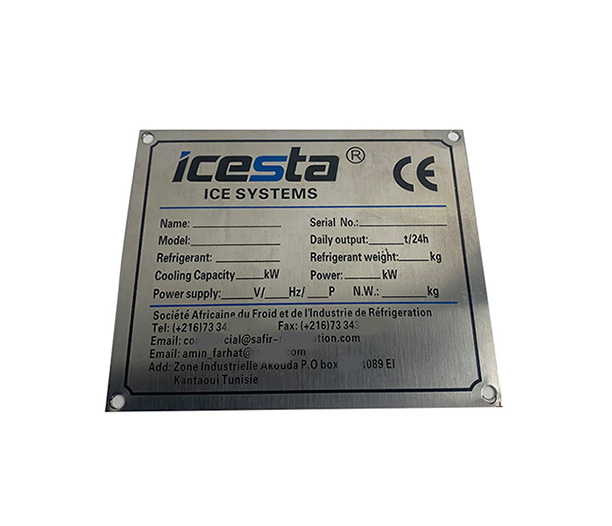
Include essential details like names or serial numbers.
Installation and Maintenance Tips
Proper installation extends the life of adhesive name plates. Follow these steps for best results. Maintenance keeps them looking new.
Preparing the Surface
Clean the surface before application. Remove dust, oil, or debris. Use a mild cleaner and let it dry completely.
A clean surface ensures better adhesion. This prevents peeling or bubbles over time.
Application Steps
Apply the plate carefully. Peel the backing and align it correctly. Press firmly from the center outward to remove air pockets.
For large plates, use a squeegee for even pressure. Allow the adhesive to set for a few hours before exposing to stress.
Adhesive name plates are valuable for organization and branding. They combine ease of use with durability. By selecting the right type and installing them properly, you can enhance any space.
Consider your specific needs when choosing these plates. With various options available, you can find a solution that fits your budget and requirements. For reliable products, explore quality adhesive name plates from trusted suppliers.
Frequently Asked Questions
Q1: What surfaces can adhesive name plates stick to?
A1: They adhere to many surfaces, including metal, plastic, glass, and wood. Ensure the surface is clean and dry for best results. Some adhesives are designed for textured or curved surfaces.
Q2: How long do adhesive name plates last?
A2: Durability varies by material and environment. High-quality plates can last several years outdoors. Indoor plates may last even longer with minimal wear.
Q3: Can adhesive name plates be removed without damage?
A3: Yes, removable adhesive types allow clean removal. For permanent adhesives, use a heat gun or solvent to reduce residue. Always test a small area first.
Q4: Are adhesive name plates customizable?
A4: Absolutely. You can customize text, colors, logos, and sizes. Many suppliers offer printing services to meet specific branding needs.
Q5: What is the cost range for adhesive name plates?
A5: Costs depend on material, size, and customization. Simple vinyl labels may cost a few dollars each. Metal plates with custom designs can be more expensive. Bulk orders often reduce per-unit prices.