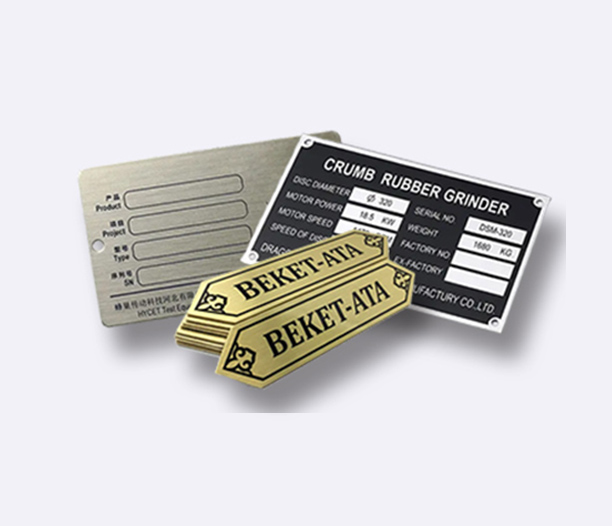
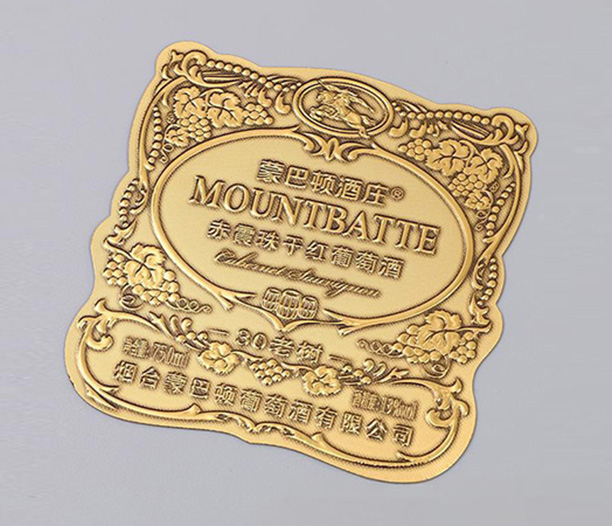
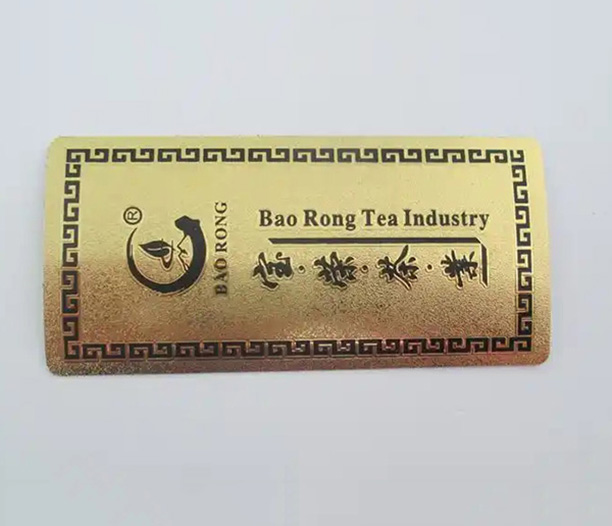
You see them every day, but you might not give them a second thought. Customized nameplates are the small, informative panels attached to products, equipment, and doors. They identify, instruct, warn, and brand.
A well-made nameplate does its job silently for years. A poor one fades, peels, and fails, creating confusion and a bad impression. Whether you need a single engraved sign for your office or ten thousand durable tags for machinery, understanding your options is key.
This article breaks down the world of personalized labels and plates. We’ll look at the materials, methods, and decisions that go into creating an effective nameplate.
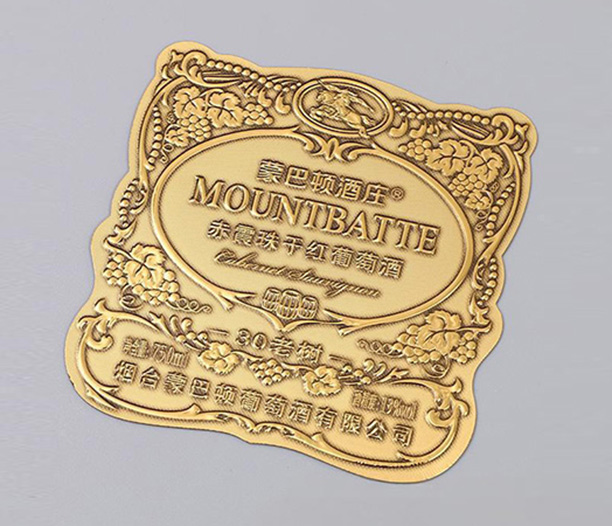
The applications for custom name badges and plates are nearly endless. They are a fundamental part of product design and asset management.
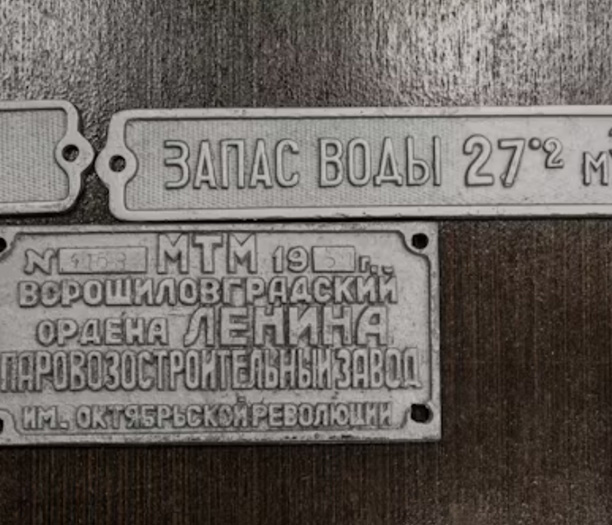
In manufacturing, industrial identification tags are crucial. They display model numbers, serial numbers, electrical ratings, and safety warnings on equipment. This information is vital for operation, maintenance, and compliance.
For businesses, personalized office nameplates on doors and desks provide a professional appearance. They help clients and employees navigate the workspace easily.
In the consumer realm, customized product labels serve as a brand’s fingerprint. They often feature logos, certification marks, and care instructions on everything from kitchen appliances to power tools.
Comparing Common Nameplate Materials
Your choice of material is the most important decision. It dictates durability, appearance, and cost.
Metal Nameplates:
Metals like aluminum, stainless steel, and brass are the standard for durability. Aluminum is lightweight, corrosion-resistant, and cost-effective, making it the most common choice for industrial nameplates. Stainless steel offers superior strength and chemical resistance. Brass and bronze provide a classic, high-end look often used for architectural signage and plaques.
Plastic Nameplates:
Modern polymers offer excellent versatility. PVC and polycarbonate are tough and affordable. For outdoor use, materials like Lexan or acrylic are favored for their weather resistance and clarity. Plastic name tags are also very common for indoor, temporary, or lower-cost applications.
Vinyl and Adhesive Labels:
For short-term identification or smooth-surface applications, vinyl decals and labels are a practical solution. They are typically printed digitally and are ideal for serialized barcodes, instructional labels, or promotional stickers. Their adhesive strength varies greatly by type.
How to Choose the Right Customized Nameplate
Selecting the perfect nameplate involves balancing several factors. Start by defining its primary purpose.
Consider the environment first. Will the plate be indoors or outdoors? Outdoor customized nameplates must withstand UV rays, moisture, and temperature swings. Metal or UV-stabilized plastic is essential. For harsh industrial settings with oil or chemicals, stainless steel or anodized aluminum is best.
Next, think about attachment. Will it be riveted, screwed, or adhered with tape? This affects the material thickness and design. Permanent adhesive nameplates require a very clean, smooth surface for proper bonding.
Finally, focus on legibility and longevity. The information must stay readable for the life of the product. This is where the marking method becomes critical.
Understanding Nameplate Manufacturing Techniques
The technology used to create the text and graphics on your personalized plates is just as important as the base material.
Screen Printing:
A classic, cost-effective method for medium to large batches. Ink is pushed through a fine mesh screen onto the plate. It offers bold, opaque colors and good durability, especially when combined with a protective overcoat.
Etching and Engraving:
These are subtractive processes. Chemical etching uses acid to dissolve material, creating precise, shallow marks. Mechanical engraving uses a rotating bit to cut into the surface. Both methods produce permanent, elegant marks that are part of the material itself. They are ideal for sequential serial number plates and high-end applications.
Digital and UV Printing:
Digital printing is incredibly flexible for short runs and complex, full-color graphics. UV printing cures the ink instantly with ultraviolet light, creating a remarkably durable and scratch-resistant surface. This method is excellent for photorealistic images on customized labels.
Embossing and Debossing:
These processes use dies to press a 3D raised (embossed) or recessed (debossed) design into the material. It creates a tactile, premium feel often used for brand logos on metal name tags.
What Impacts the Cost of Custom Nameplates?
The price for customized nameplates can range from a few dollars to hundreds each. Several variables drive this cost.
The raw material is a primary factor. Stainless steel costs more than aluminum. A thick, brushed aluminum plate costs more than a thin, plain one.
The manufacturing process adds significant cost. Simple, single-color screen printing is economical for batches. Full-color digital printing, precision etching, or embossing involve more complex setups and higher per-unit costs.
Quantity always plays a huge role. Unit prices drop dramatically with larger production runs due to amortized setup costs. A one-off personalized office nameplate will have a high unit cost compared to one of a thousand identical industrial identification tags.
Additional features like special adhesives, protective coatings, or sequential numbering also add to the final price.
Finding a Supplier for Your Project
Sourcing reliable customized nameplates requires some research. Look for manufacturers or trade shops that specialize in identification products.
Review their portfolio. A good supplier will show examples across different industries and techniques. Do they offer the material and process you think you need?
Communication is key. A responsive supplier will ask smart questions about your application, environment, and budget. They should provide clear advice, not just take an order.
Request physical samples before placing a large order. This lets you feel the quality, test the adhesion, and see the color accuracy firsthand. It’s the best way to ensure the final custom name badges and plates meet your expectations.
Frequently Asked Questions
Q1: What information should I provide when ordering customized nameplates?
A1: You should provide a detailed artwork file (vector formats like .AI or .EPS are best), specify the exact material (e.g., “0.040” thick anodized aluminum”), the desired marking process, the quantity, and any special requirements like adhesive type or hole sizes. Always include a physical sample or mockup if possible.
Q2: How durable are screen-printed nameplates outdoors?
A2: Screen printing alone can fade under prolonged UV exposure. For outdoor use, screen-printed customized nameplates must have a protective ultraviolet-resistant clear coat laminated or applied over the ink. With this coating, they can last for many years in harsh weather.
Q3: Can I get a single, one-off personalized nameplate made?
A3: Yes, many shops specialize in low-volume and single-piece orders, particularly for personalized office nameplates or awards. Processes like digital printing, laser engraving, or rotary engraving are cost-effective for prototypes or single items.
Q4: What is the difference between etched and engraved nameplates?
A4: Chemical etching is a photochemical process that removes material evenly, excellent for complex, flat graphics. Mechanical engraving uses a cutting tool to physically carve into the material, creating deeper, tactile grooves. Engraving is often better for very deep marks or harder metals, while etching excels at fine detail on thinner materials.
Q5: How do I ensure the adhesive on my nameplate will stick permanently?
A5: Surface preparation is everything. The surface must be clean, dry, and free of oil, dust, or wax. For challenging surfaces like textured plastic or powder-coated metal, discuss this with your supplier. They may recommend a specific high-strength acrylic or foam tape designed for that purpose. Always test adhesion with a sample before full production.