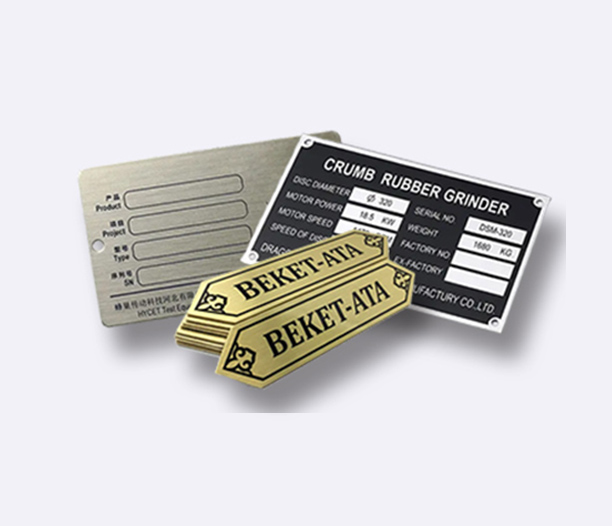
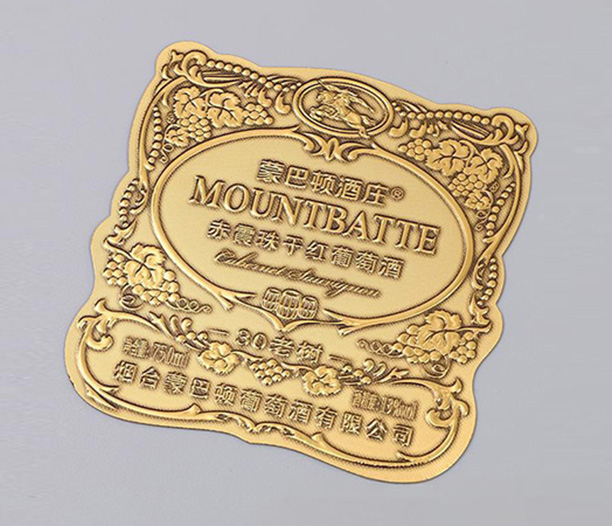
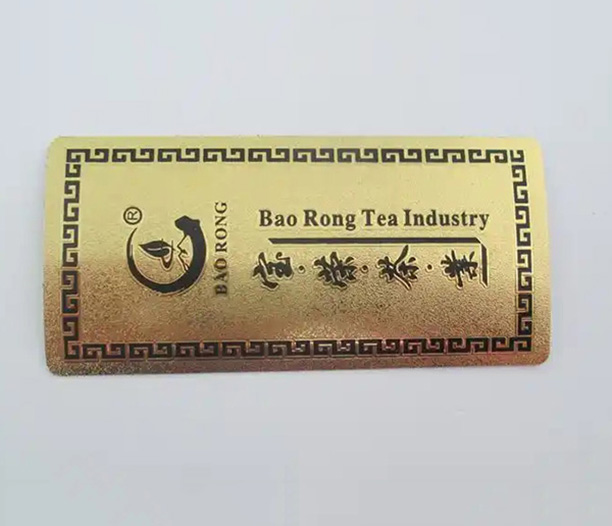
For applications demanding a combination of corrosion resistance, aesthetic
permanence, and the ability to accept deep, legible markings, brass engraved tags remain a preferred solution
across maritime, industrial, and architectural sectors. Unlike printed or
surface-coated alternatives, engraved brass creates a marking that is physically
recessed into the metal, ensuring that the identification remains legible even
after decades of exposure to saltwater, abrasion, or chemical cleaning. At Hemawell
Nameplate, we approach the production of brass engraved
tags with a focus on metallurgical consistency, engraving depth
control, and post-processing treatments that maximize service life in demanding
environments.
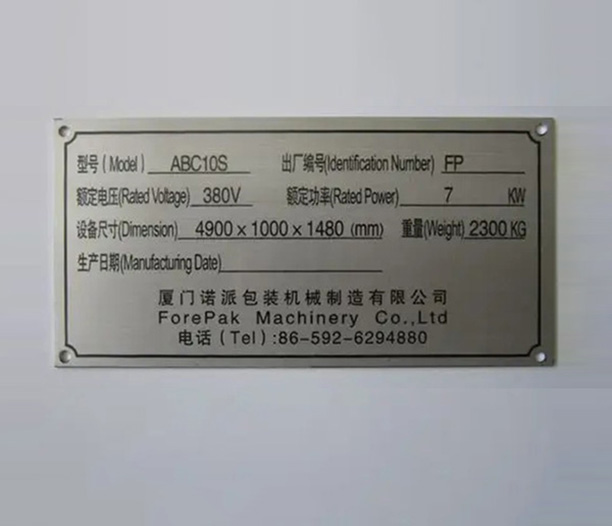
1. Metallurgical Foundation: Selecting the Right Brass Alloy
The performance of any brass engraved tag begins with the
selection of the appropriate alloy. Brass is a copper-zinc alloy, and the ratio
of these elements determines hardness, machinability, and corrosion resistance.
For industrial identification, two alloys dominate:
C26000 (Cartridge Brass): Composed of approximately 70%
copper and 30% zinc, this alloy offers excellent cold-working properties and a
rich golden color. It is the preferred choice for tags that require a balance of
formability and corrosion resistance. C26000 is particularly well-suited for
rotary engraving, producing clean, burr-free characters with good edge
definition.
C36000 (Free-Cutting Brass): With a higher zinc content
(approx. 61.5% copper, 35.5% zinc, and 3% lead), C36000 is engineered for
superior machinability. It is the standard for tags requiring intricate, deep
engraving or high-volume production. The lead content acts as a chip breaker,
allowing for faster feed rates and smoother finishes during CNC
engraving.
For marine applications or environments with high chloride exposure, we
specify lead-free brass alloys (such as C27450) to meet NSF/ANSI 61 requirements
for potable water applications, or naval brass (C46400) which contains a small
amount of tin to inhibit dezincification—a common failure mode in saltwater
environments where zinc is selectively leached from the alloy.
1.1 Material Thickness and Engraving Depth
The durability of brass engraved tags is directly related to
the depth of the engraving relative to the material thickness. Industry best
practice dictates that engraving depth should be at least 0.010 inches (0.25mm)
for general industrial use, and 0.020 inches (0.5mm) or greater for tags subject
to heavy abrasion or pressure washing. The tag thickness must provide sufficient
remaining material beneath the engraving to maintain structural integrity. For a
tag with 0.020-inch engraving, we recommend a minimum starting thickness of
0.050 inches (1.27mm) to prevent flexural deformation and to ensure that the
engraved area does not become a stress concentration point.
2. Engraving Technologies: Rotary vs. Laser vs. Chemical Etching
Not all engraving methods yield the same result. The choice of technology
significantly impacts the longevity, contrast, and tactile quality of
brass engraved tags. Each method offers distinct advantages
based on the application.
Rotary Engraving (Mechanical): This is the traditional and
most durable method for brass tags. A rotating carbide or diamond cutter
physically removes material, creating a V-cut or flat-bottomed channel. Rotary
engraving produces a clean, crisp character with a slight raised burr that can
be easily removed via light tumbling or brushing. The depth is precisely
controlled, and the resulting marking is essentially permanent—it will not fade,
peel, or wear away. This method is specified for tags that will be exposed to
direct abrasion, such as equipment control panels, valve tags, and asset
identification in heavy industrial settings.
Laser Engraving (Fiber Laser): Fiber lasers (1064 nm
wavelength) can mark brass by either annealing (creating a dark oxide contrast
without material removal) or by ablation (vaporizing the surface). While laser
marking is fast and excellent for high-contrast data matrix codes, it produces a
marking that is typically only a few microns deep. For applications requiring a
tactile, recessed marking, rotary engraving remains superior. However, for
variable data (such as serial numbers) on tags that are not subject to direct
abrasion, laser marking offers a cost-effective, high-speed solution.
Chemical Etching (Photo-Chemical): This process uses a
photoresist and etchant to dissolve the exposed metal, creating recessed
characters. While it produces excellent detail for complex graphics, it is
generally limited to shallower depths (0.005-0.015 inches) compared to rotary
engraving. It is best suited for high-volume, thin-gauge brass tags where
consistent depth across a large surface is required.
3. Addressing Industry-Specific Pain Points
Engineers and facility managers consistently report three primary issues with
identification tags: illegibility due to wear, corrosion-induced failure, and
loss of fasteners. Properly manufactured brass engraved tags address each of these through intentional design and processing choices.
3.1 Wear Resistance in High-Traffic Areas
In industrial plants, valve tags and equipment identifiers are frequently
wiped, brushed against, or subjected to pressure washing. A surface-printed tag
will lose its markings within months. A brass engraved tag with
a 0.020-inch deep rotary engraving retains its legibility even after the
surrounding surface has been abraded. The recessed characters act as a physical
reservoir for the marking, and if color-filled with epoxy, the fill remains
protected from direct contact.
3.2 Corrosion Resistance in Aggressive Environments
While brass is naturally corrosion-resistant, certain
environments—particularly those with high ammonia, sulfur compounds, or
chlorides—can accelerate corrosion. For such conditions, we apply a
post-engraving treatment: clear epoxy coating or a baked-on lacquer that seals
the surface. For marine environments, we utilize naval brass (C46400) and apply
a passivation step that removes free copper from the surface, reducing the risk
of galvanic corrosion when the tag is mounted on dissimilar metals. In offshore
oil and gas platforms, we combine deep rotary engraving with a marine-grade
clear coat that meets NORSOK M-501 standards.
3.3 Secure Mounting and Fastener Selection
The best brass engraved tag is worthless if it falls off. We engineer
mounting solutions based on the application: stainless steel drive rivets for
permanent attachment to steel equipment, epoxy adhesives for smooth surfaces, or
slotted holes for security wire or tamper-proof screws. For tags subject to
vibration (e.g., on engines or compressors), we recommend mechanical fasteners
rather than adhesives, and we pre-drill mounting holes with a countersink to
accommodate flush rivet heads, eliminating snag points.
4. Manufacturing Workflow for High-Reliability Brass Tags
Producing consistent, high-quality brass engraved tags requires a controlled manufacturing process. At Hemawell
Nameplate, we follow a structured workflow that ensures every tag
meets its specified requirements.
Step 1 – Material Verification: Each lot of brass is
verified against mill test reports for alloy composition and hardness. For
military or critical infrastructure contracts, we retain material certifications
for 10 years.
Step 2 – Precision Shearing & Deburring: Tags are
sheared to size using CNC-controlled presses to maintain dimensional tolerances
of ±0.005 inches. Edges are then deburred using vibratory tumbling with ceramic
media to remove sharp edges without rounding corners.
Step 3 – Engraving: For rotary engraving, we use CNC
routers with spindle speeds up to 25,000 RPM and carbide micro-tools as small as
0.005 inches in diameter. Depth is controlled via closed-loop feedback systems
that account for minor variations in material thickness. For laser marking, we
use 50W fiber lasers with galvanometer scanners, and we verify each Data Matrix
code against ISO/IEC 15415 standards.
Step 4 – Color Filling (Optional): For enhanced contrast,
we fill engraved characters with epoxy enamel. The fill is applied by syringe or
screen, then cured at 150°F to achieve a hard, chemical-resistant finish. Excess
fill is removed by surface milling or chemical stripping to leave a clean,
professional appearance.
Step 5 – Protective Coating: Depending on the environment,
tags receive a clear lacquer, epoxy, or ceramic coating. Coating thickness is
measured with a magnetic induction gauge to ensure consistency.
Step 6 – Final Inspection & Packaging: Each tag is
inspected under magnification for engraving depth, character integrity, and
coating coverage. Tags are then packaged with anti-tarnish paper and
individually wrapped for shipment.
5. Quality Assurance and Testing Protocols
To validate the durability of brass engraved tags, we
conduct a series of tests that simulate decades of field exposure. These tests
are aligned with industry standards such as ASTM, MIL-STD, and ISO.
Salt Spray Testing (ASTM B117): Tags are subjected to 5%
NaCl fog at 95°F for up to 500 hours. After testing, we inspect for corrosion,
coating delamination, and legibility. No red rust or pitting is permitted, and
engraved characters must remain fully readable.
Thermal Cycling: Tags undergo 50 cycles from -40°F to
+250°F with 30-minute dwells. This test validates the adhesion of epoxy fills
and coatings, and confirms that differential expansion between the brass and
fill does not cause cracking.
Humidity Resistance (ASTM D2247): Samples are placed in a
100% relative humidity chamber at 100°F for 240 hours. We look for blistering,
loss of gloss, or any degradation of the marking.
Adhesion Testing (ASTM D3359): For color-filled or coated
tags, we perform cross-hatch tape testing. A rating of 4B or 5B is required,
indicating no loss of adhesion at the scribe lines.
UV Exposure (QUV): For tags used in outdoor applications,
we test under UV-A lamps for 500 hours to ensure that the clear coat and any
color fill do not yellow or chalk.
6. Applications and Industry Standards
The versatility of brass engraved tags makes them suitable
for a wide range of industries, each with its own set of standards and
performance requirements.
Maritime & Offshore: Tags must meet requirements for
corrosion resistance and low smoke generation. We manufacture to ABS (American
Bureau of Shipping) and DNV GL standards, using naval brass and deep rotary
engraving.
Oil & Gas: Nameplates for hazardous areas require
compliance with ATEX or IECEx. We produce tags from non-sparking brass alloys
with engraved markings that meet the “permanent” classification under IEC
60079-0.
Architectural & Heritage: For building directories,
donor recognition, and historical markers, we use C26000 brass with
hand-finished edges and museum-quality clear coatings to preserve appearance
over decades.
Industrial Machinery: Equipment manufacturers specify brass
tags for serial number plates, safety warnings, and lubrication charts, relying
on the durability of engraved markings to outlast the equipment
itself.
7. Expert Perspective: The Importance of Engraving Depth and
Post-Processing
In our experience, the most common cause of premature failure in
brass engraved tags is insufficient engraving depth combined
with inadequate post-processing. A shallow engraving (less than 0.008 inches)
may appear legible when new, but after a few years of exposure to cleaning
solvents, the color fill (if used) may leach out, and the remaining shallow
channel can be easily filled with dirt or paint, rendering the tag unreadable.
We recommend a minimum depth of 0.015 inches for industrial applications, and we
always specify a protective clear coat, even for indoor applications, to prevent
tarnishing and to preserve the contrast between the engraved characters and the
background.
Additionally, the grain direction of the brass sheet matters. When tags are
cut from rolled sheet, the grain direction can affect how the metal reacts to
engraving. We orient the grain to run parallel to the longest dimension of the
tag to minimize the risk of warping during the engraving process, especially for
thin-gauge tags.
The Enduring Value of Brass Engraved Tags
In an era of digital asset tracking and disposable labeling, brass
engraved tags represent a return to permanent, verifiable
identification. They offer a unique combination of durability, corrosion
resistance, and aesthetic quality that few other materials can match. For asset
owners who require identification that will last for the life of the
equipment—whether that is 5 years or 50—brass engraving remains the gold
standard. At Hemawell Nameplate, we combine metallurgical expertise with
precision engraving to deliver tags that perform reliably in the most demanding
environments.
Frequently Asked Questions (FAQ) About Brass Engraved Tags
Q1: What is the difference between rotary engraving and laser marking
on brass tags?
A1: Rotary engraving uses a rotating carbide or
diamond cutter to physically remove material, creating a recessed channel
typically 0.010 to 0.030 inches deep. This produces a permanent, tactile marking
that is highly resistant to abrasion. Laser marking on brass either anneals the
surface (creating a dark oxide) or ablates a thin layer (a few microns deep).
While laser marking is faster and ideal for high-contrast data matrix codes, it
does not provide the physical depth of rotary engraving. For tags exposed to
wear, rotary engraving is preferred.
Q2: Can brass engraved tags be used outdoors or in saltwater
environments?
A2: Yes, but the brass alloy must be selected
appropriately. For saltwater environments, naval brass (C46400) or C26000 with a
marine-grade clear coating is recommended. Standard C26000 will develop a
natural patina over time but remains functional; however, in aggressive marine
atmospheres, dezincification can occur if the alloy is not properly selected. We
also offer lead-free brass options for applications where environmental contact
is a concern.
Q3: How are colors applied to engraved brass tags, and how durable is
the color?
A3: Color is typically applied as an epoxy enamel that is
flowed into the engraved recesses. After curing, the surface is machined or
chemically cleaned to remove excess, leaving color only in the engraved
characters. This color is highly resistant to chemicals, UV, and abrasion. When
properly applied, the color will outlast most industrial environments. For
maximum durability, we specify two-part epoxy systems that are heat-cured.
Q4: What thickness of brass should I choose for my
application?
A4: For most industrial tags, 0.032 inches (20 gauge)
is sufficient for tags up to 4 inches in size. For larger tags (over 6 inches)
or tags that will be subject to significant physical impact or vibration, we
recommend 0.050 inches (16 gauge) or thicker. The engraving depth should never
exceed 40% of the material thickness to maintain structural integrity. For tags
with deep engraving (0.020 inches or more), a minimum thickness of 0.050 inches
is required.
Q5: How are brass engraved tags typically attached?
A5:
Attachment methods depend on the substrate and environmental conditions. Common
methods include: stainless steel drive rivets for permanent attachment to metal;
epoxy adhesives (such as 3M DP100 or DP420) for smooth surfaces where drilling
is not permitted; and screws or bolts for removable applications. For
high-vibration environments, we recommend mechanical fasteners with a
thread-locking compound. All mounting holes are pre-drilled and countersunk to
ensure flush fitment.
Q6: Do brass engraved tags tarnish over time, and can this be
prevented?
A6: Brass naturally tarnishes when exposed to air and
moisture, developing a patina. If a bright, untarnished appearance is required
for the life of the tag, we apply a clear, UV-resistant epoxy or ceramic
coating. This coating seals the brass surface and prevents oxidation. For
applications where a natural patina is acceptable or desired, uncoated brass may
be specified. We offer both options and can advise based on the intended
environment.