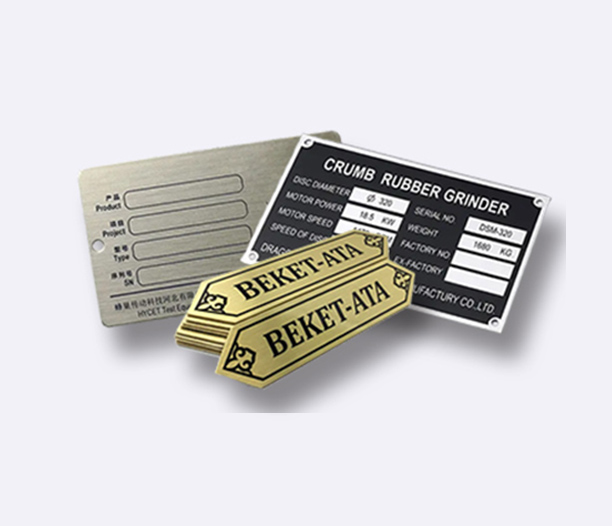
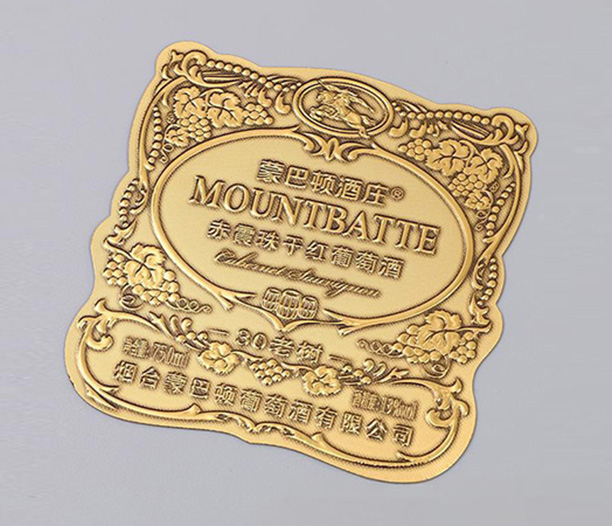
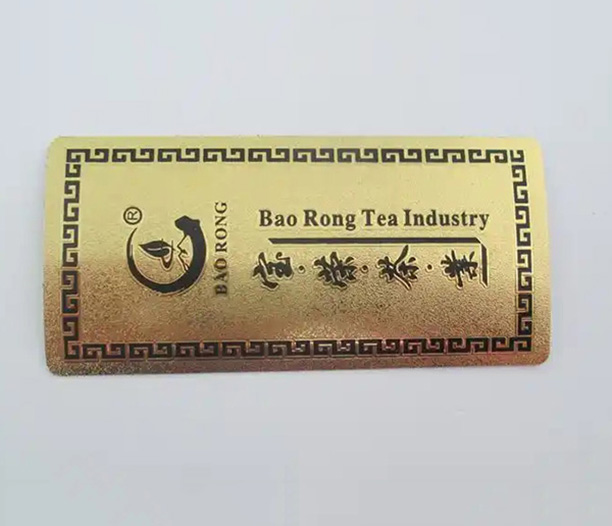
In industries ranging from subsea oil exploration to aerospace manufacturing,
the requirement for permanent, legible, and durable identification is
non-negotiable. Engraved metal tags represent the gold standard for asset tracking and regulatory compliance where
labels or stickers would fail. This article provides a technical examination of
engraved metal tags, focusing on the metallurgy, engraving technologies, and
application-specific engineering that ensure these tags perform for the lifespan
of the equipment they identify.
1. The Science of Permanence: Engraving vs. Surface Marking
Understanding why engraved metal tags are specified for
critical applications requires a look at the fundamental difference between
engraving and other marking methods. Engraving physically displaces or removes
material to create a mark, making the information an integral part of the tag
itself, rather than a layer applied on top.
1.1 Depth of Mark and Abrasion Resistance
The key metric for an engraved tag is the depth of the mark. Rotary engraving
on a brass tag can achieve depths of 0.010" to 0.020", creating characters that
can withstand significant abrasion, scraping, and cleaning with wire brushes.
Laser engraving, while shallower (typically 0.0005" to 0.005"), creates a
high-contrast mark by altering the surface chemistry or texture. Hemawell Nameplate engineers select the process based on the expected wear conditions, ensuring
that serial numbers and critical data remain machine-readable for decades.
1.2 Resistance to Environmental Degradation
Printed or adhesive labels are susceptible to UV fading, solvent attack, and
delamination. An engraved mark, whether produced by a laser or a rotating
cutter, is impervious to these failure modes. On a stainless steel tag exposed
to 500°C exhaust heat or a chemical washdown, the engraved information remains.
This inherent durability makes engraved metal tags the default
choice for safety-critical instructions and regulatory data plates.
2. Material Science: Matching the Substrate to the Application
The performance of an engraved tag is a function of both the marking method
and the base material. The selection of the metal substrate is the first and
most critical engineering decision.
2.1 Stainless Steel: The Standard for Corrosion Resistance
For tags destined for offshore platforms, chemical plants, or exterior
installations, austenitic stainless steels (grades 304 and 316) are specified.
Their chromium oxide layer provides exceptional resistance to rust and pitting.
Laser engraving on stainless steel is particularly effective, as it can create a
dark, high-contrast mark without introducing inks that could degrade. These tags
are common as subsea tags and valve tags in
marine environments.
2.2 Brass: The Choice for Legacy Equipment and Aesthetic Consistency
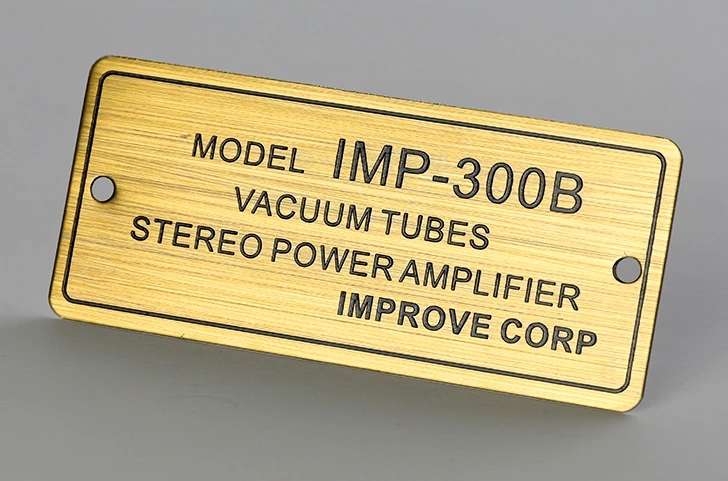
Brass offers a combination of excellent machinability and a classic
appearance. It is often specified for electrical equipment, antique machinery
restoration, and architectural applications. Rotary engraving on brass produces
clean, bright characters that can be left natural or filled with enamel for
color. Its non-ferrous nature prevents rust, and its electrical conductivity
makes it suitable for grounding tags.
2.3 Aluminum: Lightweight and Anodizable
Where weight is a concern, such as in aerospace components or portable
equipment, aluminum tags are ideal. They can be engraved and then anodized, or
engraved through a pre-existing anodized layer to create a stark color contrast.
This method produces durable tags with excellent readability for
property tags and identification plates.
3. Engraving Technologies: Rotary, Laser, and Chemical Processes
The term "engraved" encompasses several distinct industrial processes, each
with specific capabilities and tolerances.
3.1 Rotary (Cutter) Engraving for Deep, Tactile Marks
Rotary engraving uses high-speed spinning cutters to mechanically remove
material. It is the preferred method for producing deep, V-shaped grooves or for
creating raised (embossed) features.
Advantages: Deepest material removal, tactile characters,
ideal for single-color or un-filled marks.
Applications: Large equipment nameplates, die-cast tags,
and panels requiring a substantial, permanent feel.
3.2 Laser Engraving and Marking for Precision and Speed
Fiber and CO2 lasers offer non-contact marking with micron-level precision.
This technology is essential for adding 2D Data Matrix codes or micro-text to engraved metal
tags.
Annealing (on stainless steel): The laser heats the metal
beneath its melting point, causing oxidation that turns the surface black. This
mark is part of the metal and is highly corrosion-resistant.
Etching: The laser melts and expands the surface, creating
a raised or slightly recessed mark. Hemawell Nameplate utilizes
fiber lasers for cutting blank tags and for engraving serial numbers with high
throughput.
3.3 Chemical Etching for Complex Graphics and Thin-Gauge Tags
While not "engraving" in the mechanical sense, chemical etching is often
included in the broader category of permanent marking. It uses photoresist and
acid to dissolve metal, creating a precise, depression. This process is ideal
for very thin tags (under 0.020") where mechanical engraving might cause
distortion, and for replicating complex logos with fine lines.
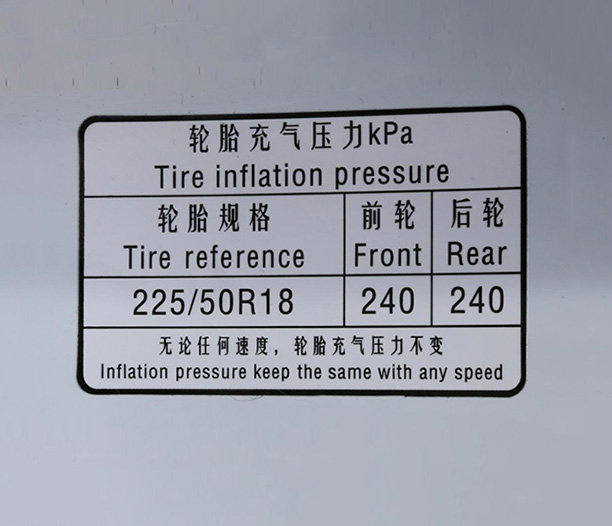
4. Industry-Specific Applications and Compliance Drivers
The specification of engraved metal tags is rarely an
aesthetic choice; it is driven by industry standards, safety regulations, and
the need for absolute traceability.
4.1 Aerospace and Defense: UID and Mil-Std-130
The aerospace industry operates under strict traceability mandates like
MIL-STD-130, which requires permanent identification of government property.
Engraved metal tags on aircraft components must display a
Unique Item Identifier (UII) in both human-readable form and a Data Matrix code.
Laser engraving on stainless steel or aluminum is the standard method, as it can
survive the extreme thermal and mechanical stress of flight.
4.2 Oil and Gas: API Standards and Hazardous Environments
In refineries and on drilling rigs, tags must meet API (American Petroleum
Institute) specifications for material and marking durability. Stainless steel
tags, laser engraved with valve numbers, pressure ratings, and flow directions,
are critical for safe maintenance. The tags must resist sour gas (H2S) and
frequent cleaning with aggressive solvents.
4.3 Heavy Industrial and Manufacturing: Asset Management
For plant maintenance, durable equipment tags and
pump tags are essential for a computerized maintenance
management system (CMMS). A laser-engraved stainless steel tag with a QR code or
serial number allows maintenance crews to scan the tag with a mobile device and
immediately access service history, manuals, and parts lists. This application
demands a tag that will not fade or fall off, ensuring data integrity for the
life of the asset.
5. Addressing Customization and Integration Challenges
Procuring engraved metal tags involves more than selecting
material and text. Successful integration requires attention to attachment
methods, variable data, and compliance.
5.1 Attachment Solutions: Adhesives, Rivets, and Cable Ties
A tag is useless if it detaches. Hemawell Nameplate offers multiple attachment
strategies:
High-Bond Adhesives: 3M™ VHB tapes are specified for clean,
smooth surfaces where drilling is not an option.
Mechanical Fasteners: Rivets or drive screws provide the
most permanent attachment for heavy equipment.
Strap or Cable Mounts: For pipes or cables, tags can be
designed with holes for stainless steel strapping or nylon cable ties.
5.2 Variable Data and Sequential Numbering
Many applications require each tag to have a unique identifier. This is
achieved through sequential numbering during the engraving process. Laser
engraving systems can be programmed to increment serial numbers automatically,
ensuring 100% accuracy. This is a specialty of Hemawell
Nameplate, with numbering options available through laser, chemical
etching, or mechanical stamping.
Frequently Asked Questions (FAQ) About Engraved Metal Tags
Q1: What is the difference between laser engraving and laser etching
on metal tags?
A1: Laser engraving actually removes metal to a
specified depth (e.g., 0.001" to 0.005"), creating a noticeable depression.
Laser etching melts the surface slightly, causing it to expand and create a
raised mark. Engraving is more durable for high-wear applications, while etching
can produce very high-speed, high-contrast marks on materials like stainless
steel.
Q2: Can you engrave a complex company logo or 2D barcode on a small
tag?
A2: Yes, modern fiber laser technology allows for the engraving
of extremely fine detail. We can routinely produce Data Matrix codes as small as
3mm x 3mm that remain scannable, as well as reproduce intricate logos with crisp
lines. The minimum feature size depends on the material and the engraving
method.
Q3: What are the minimum order quantities (MOQs) for custom engraved
metal tags?
A3: MOQs depend on the complexity. For custom sizes or
shapes requiring specific tooling, MOQs typically range from 3,000 to 10,000
pieces. However, for standard-sized tags that only require variable data (like
serial numbers) to be engraved, we can often accommodate much smaller
quantities, sometimes even single pieces for prototyping.
Q4: How do I choose the right material for outdoor tags in a coastal
environment?
A4: For coastal or marine environments, we strongly
recommend 316-grade stainless steel. Its molybdenum content provides superior
resistance to pitting and corrosion from saltwater spray compared to 304
stainless steel or brass. Laser engraving on 316 stainless steel creates a
permanent, rust-proof identification solution.
Q5: Can you provide a sample or prototype before full-scale
production?
A5: Yes, prototyping is a critical part of our quality
assurance process. For custom designs, we can produce a sample tag to verify the
engraving depth, legibility of text and barcodes, and overall appearance. If the
design does not require custom artwork, we may be able to provide a sample for
the cost of shipping.
Q6: What is your standard lead time for a production run of custom
engraved tags?
A6: For custom orders requiring material procurement
and setup, lead time is typically 15-20 days. For urgent requirements, we can
discuss expedited options, including air freight via FEDEX, DHL, or UPS to
ensure timely delivery.
Engraved metal tags are a fundamental component of industrial asset management, safety compliance,
and brand integrity. The choice of material—whether stainless steel for
corrosion resistance, brass for conductivity and aesthetics, or aluminum for
weight savings—must be matched with the appropriate engraving technology to
ensure the mark lasts as long as the asset. By understanding the technical
specifications and industry standards that govern these tags, engineers and
procurement professionals can make informed decisions that reduce lifecycle
costs and mitigate operational risk. With over 15 years of experience in
developing high-durability graphic solutions, Hemawell
Nameplate provides the engineering expertise required to deliver tags
that perform flawlessly in the world's most demanding environments.
Request a Quote: Contact Hemawell Nameplate to discuss your specific
requirements for durable, compliant, and precision-engineered engraved metal
tags.