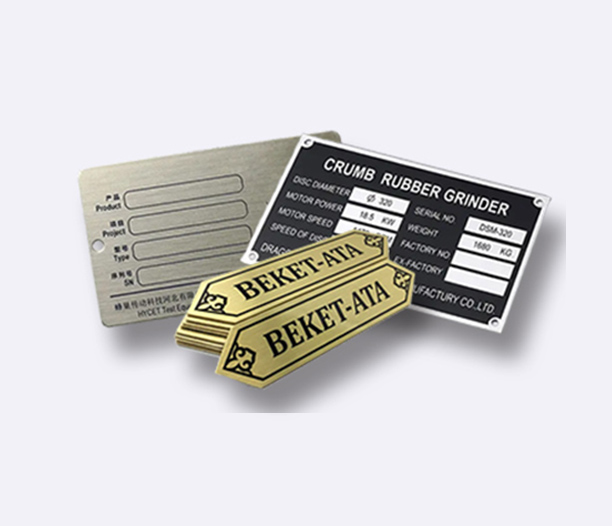
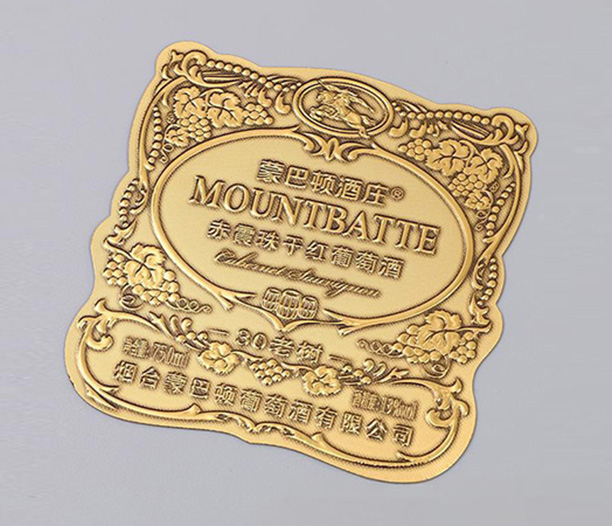
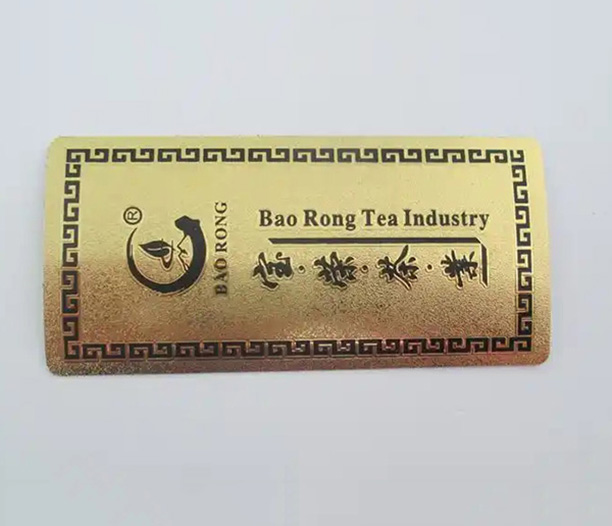
Essential Labels for Machinery: Safety, Compliance & Best PracticesIn any industrial environment, clear communication is vital. Labels for machinery serve as silent guides that inform operators, maintenance staff, and visitors about potential hazards, operating instructions, and equipment identification. Without proper labeling, the risk of accidents increases, and regulatory compliance becomes difficult to achieve. This article explores the critical role of these labels and how to select the best options for your facility.
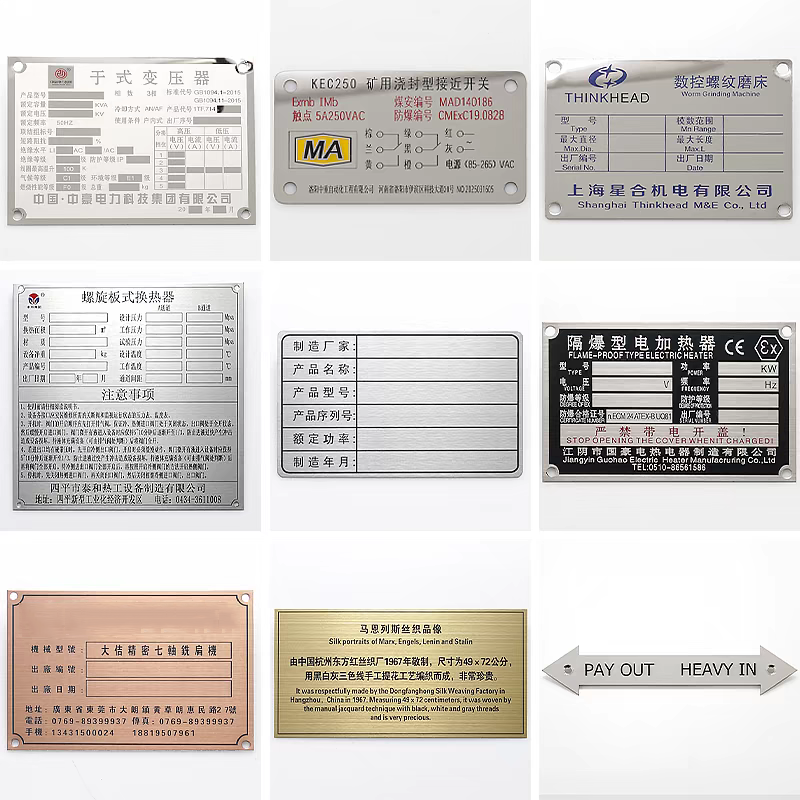
Safety is the top priority in any workplace that uses heavy equipment. Labels for machinery provide instant visual warnings and reminders. They reduce the likelihood of human error by clearly marking danger zones, emergency stops, and required personal protective equipment.
Preventing Accidents with Clear Instructions
Operators often work in noisy environments where verbal communication is difficult. Durable labels with pictograms and concise text bridge this gap. They ensure that safety messages are always visible, even when the machine is off.
Compliance with Occupational Safety Regulations
Organizations like OSHA and ANSI mandate specific labeling standards. Using compliant labels for machinery helps companies pass inspections and avoid fines. It also demonstrates a commitment to worker well‑being.
Different machines require different label types. Here are the most common categories found in factories, warehouses, and construction sites:
Warning labels – Highlight electrical hazards, hot surfaces, or moving parts.
Instructional labels – Provide step‑by‑step operating procedures.
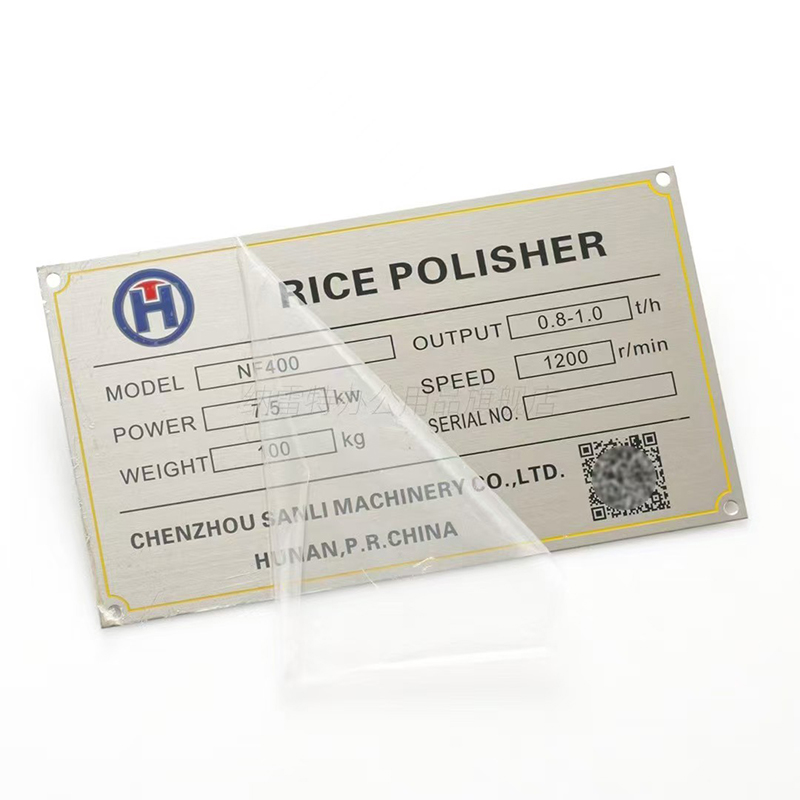
Rating plates – Display voltage, pressure, or load capacity.
Pipe markers – Identify the contents of pipes connected to machinery.
Equipment identification tags – Show asset numbers and maintenance due dates.
Each type serves a distinct purpose, and together they create a safer work environment.
Materials and Durability: Choosing the Right Labels for Machinery
Industrial settings expose labels to harsh conditions. Selecting the correct material ensures that the information remains legible over time.
Adhesive Strength and Surface Compatibility
Labels must stick firmly to metal, plastic, or painted surfaces. High‑bond acrylic adhesives work best for rough or oily surfaces. Some applications require removable adhesives for temporary labeling during maintenance.
Resistance to Chemicals, Heat, and Abrasion
Machinery often comes into contact with oils, solvents, and extreme temperatures. Polyester or vinyl labels with laminated overlays resist fading and peeling. For high‑heat areas, metal foil labels are a durable choice.
Compliance is not optional. Several standards dictate the design, color, and placement of labels. Familiarity with these requirements helps avoid legal issues.
OSHA 1910.145 – Specification for accident prevention signs and tags.
ANSI Z535 – American National Standard for safety colors and signs.
ISO 3864 – International standards for graphical symbols and safety colors.
NFPA 704 – Diamond labels for hazardous materials.
Using labels for machinery that meet these standards ensures that your facility aligns with global best practices.
Best Practices for Applying and Maintaining Labels for Machinery
Proper application extends the life of a label. Follow these guidelines to get the most out of your investment.
Surface Preparation
Clean the area with isopropyl alcohol to remove grease and dust. Make sure the surface is dry before applying the label. For porous surfaces, consider a primer to improve adhesion.
Placement for Maximum Visibility
Position labels at eye level or near the point of potential hazard. Avoid placing them on removable parts or areas prone to heavy abrasion. Ensure they are not obscured by other equipment.
Regular Inspection and Replacement
Inspect labels during routine maintenance checks. Replace any that are faded, torn, or lifted. Keeping labels for machinery in good condition prevents misunderstandings and maintains safety standards.
Custom vs. Pre‑Printed Labels for Machinery: Which to Choose?
Many suppliers offer both stock and custom options. The choice depends on your specific needs.
Pre‑printed labels are cost‑effective for common warnings like “High Voltage” or “Lockout/Tagout”. They ship quickly and meet standard regulations. Custom labels allow you to include your company logo, unique machine IDs, or bilingual text. They are ideal for proprietary equipment or specialized instructions.
For large facilities, a mix of both often works best. Evaluate your machinery inventory to determine which approach saves time and money while ensuring compliance.
Conclusion: Investing in Quality Labels for Machinery Pays Off
Reliable identification and warning systems are the backbone of industrial safety. Quality labels for machinery reduce accidents, improve efficiency, and keep your facility compliant with laws. They also project professionalism to auditors and clients. By choosing the right materials, following standards, and maintaining them regularly, you protect both people and assets. Make labeling a priority in your safety program.
Frequently Asked Questions (FAQ)
Q1: What are the most important labels for machinery to have in a facility?
A1: The most critical labels include emergency stop indicators, electrical hazard warnings, lockout/tagout instructions, and equipment identification tags. These directly affect operator safety and compliance with OSHA standards.
Q2: How do I choose the right material for labels for machinery exposed to chemicals?
A2: For chemical resistance, choose polyester or vinyl labels with a protective laminate. Test a sample in the specific environment to ensure the adhesive and substrate withstand oils, solvents, and cleaners without fading or peeling.
Q3: Are there specific color requirements for labels for machinery?
A3: Yes, ANSI Z535 defines color meanings: red for danger, orange for warning, yellow for caution, green for safety equipment, and blue for informational signs. Following these color codes helps workers instantly recognize the severity of a hazard.
Q4: Can I print my own labels for machinery using a standard printer?
A4: While possible for short‑term use, printed paper labels quickly degrade in industrial environments. For durable results, invest in a industrial label printer with thermal transfer technology and use polyester or polypropylene materials designed for machinery.
Q5: How often should labels for machinery be replaced?
A5: Inspect labels at least every six months. Replace them immediately if they become illegible, torn, or detached. In harsh environments, more frequent inspections may be necessary. Regular replacement ensures safety information remains clear.
Q6: Do labels for machinery need to be bilingual?
A6: In regions with diverse workforces, bilingual labels (e.g., English and Spanish) are highly recommended. OSHA encourages using languages that workers understand. Some local regulations may require it, so check your jurisdiction’s rules.