Hydraulic systems are the muscle behind countless machines. Within those systems, hoses are the vital arteries. When a hose fails, it leads to downtime, costly repairs, and serious safety hazards. That's where hydraulic hose labels come in. They are the silent communicators, the essential identifiers that keep operations safe, efficient, and compliant.
Ignoring these small tags can lead to big problems. This article breaks down everything you need to know about hose identification labels, from reading their codes to selecting the right type for your application.
What Exactly Are Hydraulic Hose Labels?
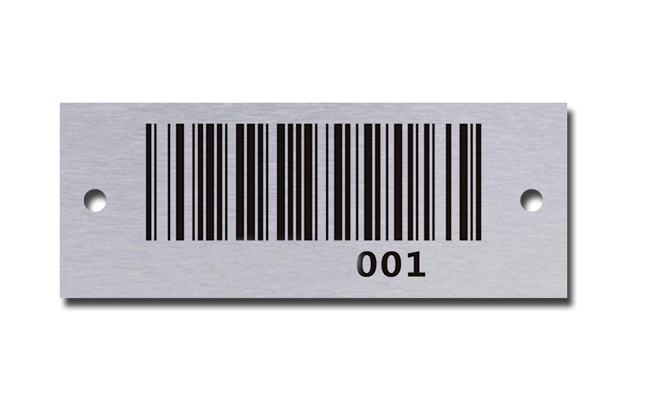
Hydraulic hose labels are durable tags or markings attached to a hydraulic hose assembly. Their primary job is to convey critical information at a glance. They are not decoration; they are a fundamental part of asset management and safety protocols.
These labels provide a permanent record of the hose's specifications and performance limits. They tell technicians, operators, and safety inspectors exactly what they are dealing with, reducing the risk of errors during maintenance, repair, or replacement.
A typical hose identification label will include core information that is non-negotiable for safe operation.
The Core Information on Every Label
Understanding the data on hydraulic hose labels is like learning a new language for safety. Here are the key elements you will almost always find:
- Hose Manufacturer & Part Number: Identifies the specific hose type and its maker.
- SAE/EN Standard: Indicates the hose conforms to industry standards like SAE 100R12 or EN 856 4SP. This defines its construction and test requirements.
- Size: The inner diameter (ID) and outer diameter (OD), usually in inches or millimeters (e.g., -8, 1/2").
- Maximum Working Pressure: The highest continuous pressure the hose is rated for, in PSI or BAR. Never exceed this.
- Temperature Range: The safe operating temperature span for both the fluid and the environment.
- Fluid Compatibility: Often indicated by a code or simply stating "Hydraulic Oil," ensuring the hose tube material is suited to the fluid.
- Date of Manufacture: A batch code or clear date. This is crucial for tracking hose service life and implementing preventative replacement schedules.
This information is the baseline. Specialized applications require more specific data.
Types of Hydraulic Hose Labels: Materials and Adhesives Compared
Not all hydraulic hose identification tags are created equal. The environment dictates the material. Choosing the wrong one leads to faded, peeled, or illegible labels.
- Vinyl Labels: A common, cost-effective choice for general indoor use. They offer good print clarity but can degrade with prolonged exposure to UV light, weather, and certain chemicals.
- Polyester Labels: The workhorse of the industry. Polyester (often PET) labels offer excellent durability, chemical resistance, and temperature tolerance. They handle outdoor exposure and most hydraulic fluids well.
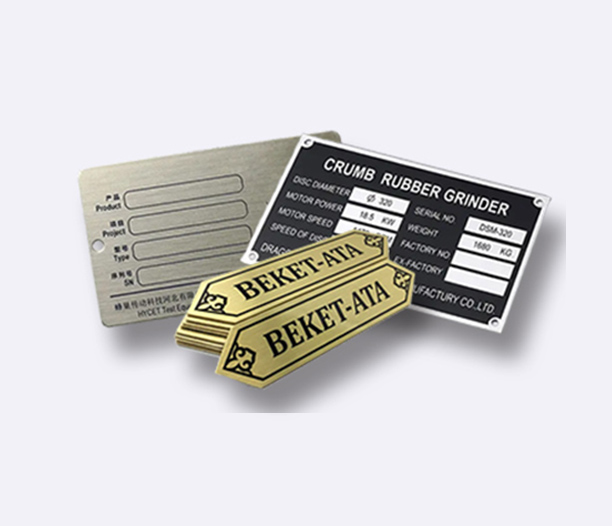
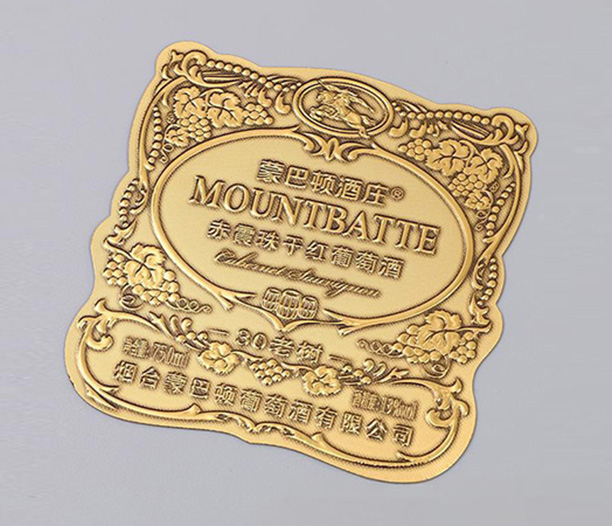
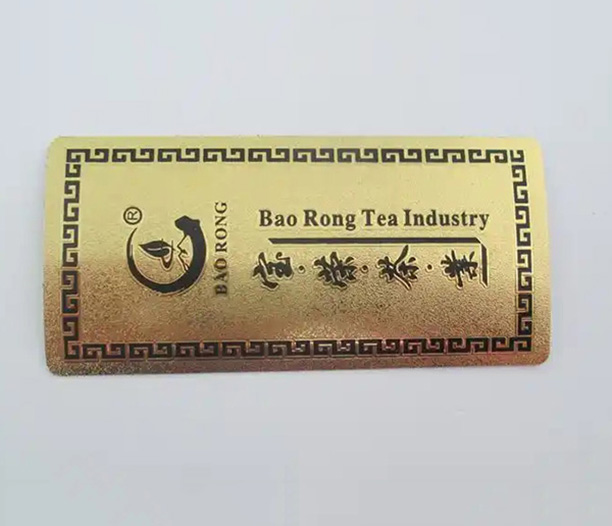
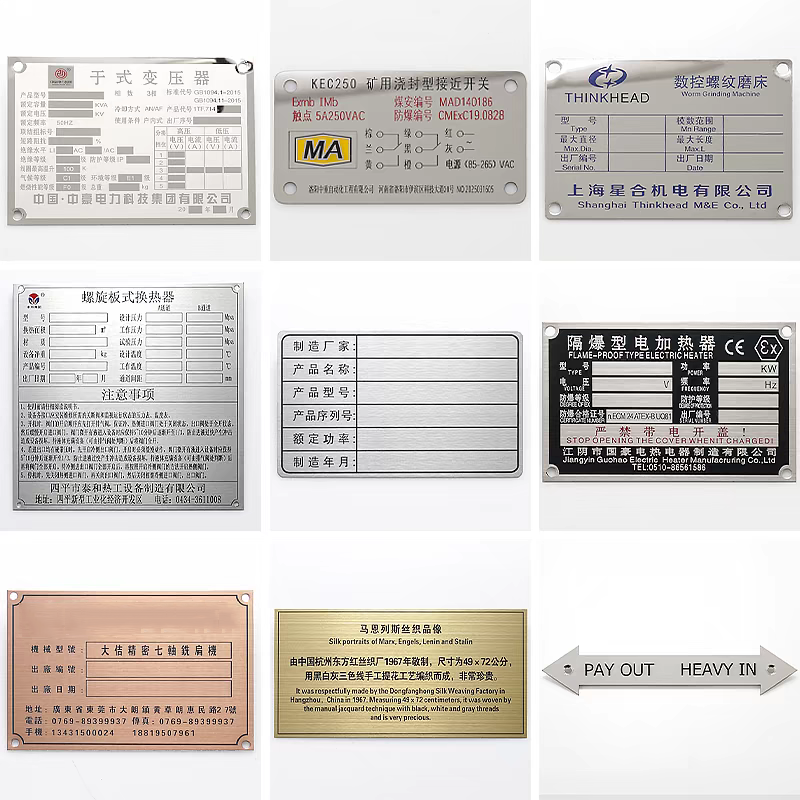
- Metal Tags: Used in extreme environments—very high temperatures, abrasion, or where solvents would dissolve adhesives. They are attached with wires or clamps and are highly permanent but more expensive to produce and install.
The adhesive backing is just as critical as the face material. A strong, flexible acrylic adhesive designed for high-temperature performance and curved surfaces is essential. It must bond to the hose's outer cover, which is often textured and oil-resistant.
Applications and Selection Guide: Choosing the Right Label
Selecting the correct hydraulic hose label is an application-specific decision. Ask these questions:
- Environment: Is the hose indoors, outdoors, exposed to sunlight, salt spray, or extreme weather?
- Temperature: Will the hose label be exposed to high ambient heat from engines or exhaust?
- Chemical Exposure: What hydraulic fluid is used? Is there splash from solvents, cleaners, or cutting fluids?
- Abrasion: Will the label be rubbed against machinery, structures, or other hoses?
- Compliance Needs: Does your industry (mining, forestry, marine, agriculture) or insurance provider have specific hose marking standards?
For most mobile and industrial hydraulic equipment, a durable polyester label with a high-tack adhesive is the standard recommendation. It provides the best balance of readability, longevity, and cost.
The Process: How Hydraulic Hose Labels Are Made and Applied
The creation of effective hydraulic hose labels involves specialized technology. They are typically printed using industrial thermal transfer printers. This method uses a heated printhead to melt ribbon ink onto the label material, creating a highly abrasion and solvent-resistant mark.
Print quality is paramount. Barcodes must be scannable, and text must remain legible for years. The software used allows for variable data—each label can have unique information like serial numbers or installation dates.
Application is a key step. The hose must be clean, dry, and free of oil or grease. The label should be applied to a straight section of the hose, away from couplings and flex points. Smooth application without air bubbles ensures the adhesive bonds fully, preventing the label from becoming a snag hazard or peeling off.
Finding a Supplier and Managing Costs
Sourcing hydraulic hose labels can be done through several channels. Many hydraulic hose and coupling distributors offer label printers and supplies as part of their service. Industrial safety and identification suppliers are another excellent source.
For operations with large fleets or frequent hose assemblies, investing in an in-house label printing system can be cost-effective. It offers control, and immediate availability, and allows for custom data like asset numbers.
Costs vary. Pre-printed labels are inexpensive for high-volume, standard information. Printable labels and printer systems have a higher upfront cost but offer flexibility. The true cost of a failed label—downtime, misidentification, safety incident—far outweighs the price of a quality hose identification label.
Always request samples to test in your specific environment before committing to a large order.
Best Practices for Label Management
Implementing a hydraulic hose labeling system is a best practice for any maintenance department.
- Label Every Hose: No exceptions. Every new or rebuilt assembly gets a label.
- Standardize the Information: Use a consistent format across all equipment.
- Include Installation Date: This is the single most useful piece of data for tracking hose service life and planning preventative maintenance.
- Inspect Labels Regularly: Make label condition part of your routine walk-around inspections. Replace damaged or faded labels immediately.
- Train Your Team: Ensure every technician and operator understands how to read the hydraulic hose labels and why they are important.
A good labeling program is a simple, powerful tool for improving safety, reducing downtime, and managing maintenance costs.
Frequently Asked Questions (FAQ)
Q1: Are hydraulic hose labels mandatory?
A1: While not universally governed by a single law, they are often required by industry-specific safety regulations (like MSHA in mining or OSHA guidelines). More importantly, they are a critical component of equipment safety standards (SAE, ISO) and are frequently mandated by company insurance policies and internal safety protocols.
Q2: Can I just use a permanent marker on the hose instead?
A2: No. Marker ink will fade quickly from exposure to oil, UV light, and weather. It is not a permanent or reliable method for hydraulic hose identification. It lacks crucial standardization and is not considered compliant in professional or regulated environments.
Q3: How long should a hydraulic hose label last?
A3: A quality polyester label with thermal transfer printing should last the entire service life of the hose under normal operating conditions. This can be 5-10 years or more. The label is designed to be as durable as the hose assembly itself.
Q4: What is the most important information on the label?
A4: The Maximum Working Pressure and the Date of Manufacture or Installation are arguably the most critical. The pressure rating is essential for safety to prevent catastrophic failure. The date is key for implementing a proactive hose replacement schedule before it fails.
Q5: Where is the best place to attach the label on a hose assembly?
A5: Apply the label on a straight section of the hose, 6-12 inches from the fitting. Avoid areas that will experience constant bending, flexing, or abrasion against other surfaces. Ensure the hose surface is clean and dry for optimal adhesive bonding.