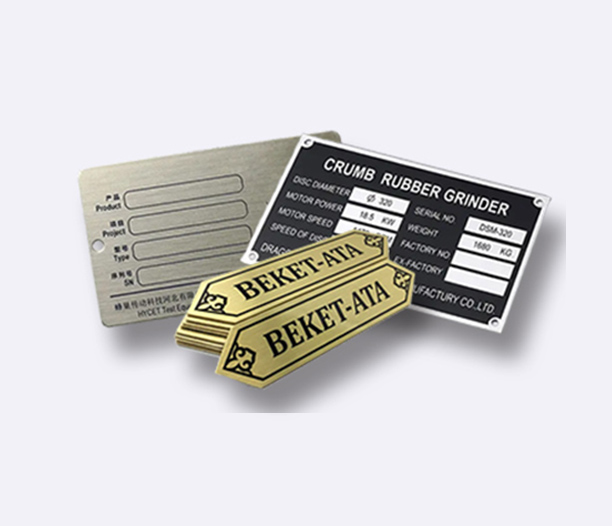
Wall-Mounted Nameplates: Material Selection, Installation Engineering, and Industry StandardsIn corporate headquarters, healthcare facilities, and industrial plants, the name plate for wall serves as more than a mere identifier—it is a component of wayfinding systems, brand expression, and regulatory compliance. Selecting the correct wall nameplate requires a technical understanding of substrate materials, environmental resistance, mounting mechanics, and applicable building codes. This article provides a data-driven analysis for architects, facility managers, and procurement professionals.
1. Material Science: Matching Substrate to Environmental Conditions
The fundamental requirement for any wall-mounted identification is that it remains legible and securely attached for its intended service life. Based on over 15 years of supplying architectural and industrial signage, Hemawell Nameplate evaluates materials based on quantifiable metrics: humidity resistance, UV stability, impact strength, and fire rating.
1.1 Architectural Metals for Premium Interiors and Exteriors
Metal remains the specified choice for permanent name plate for wall applications due to its longevity and aesthetic versatility.
Anodized Aluminum (Alloy 5052-H32): The industry standard for both indoor and outdoor use. The anodized layer (Type II, Class 1) provides a hardness comparable to case-hardened steel, resisting scratching and UV fading. Available in a wide range of colors (clear, bronze, black, gold) via integral color anodizing, which cannot peel or chip. Thickness typically 0.040" (1.0mm) to 0.125" (3mm) for rigidity.
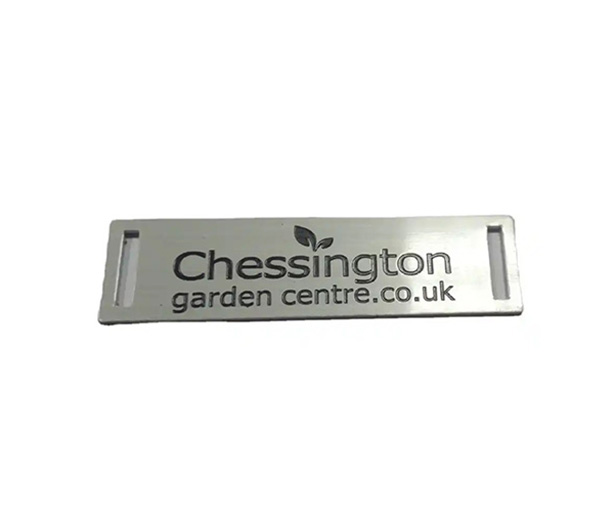
Stainless Steel (Type 304/316): Specified for high-impact areas, marine environments, or where a specific architectural finish (e.g., #4 brushed, mirror) is required. Type 316 offers superior chloride resistance for coastal installations. Stainless plates are often specified with chemically etched or laser-marked graphics for permanence.
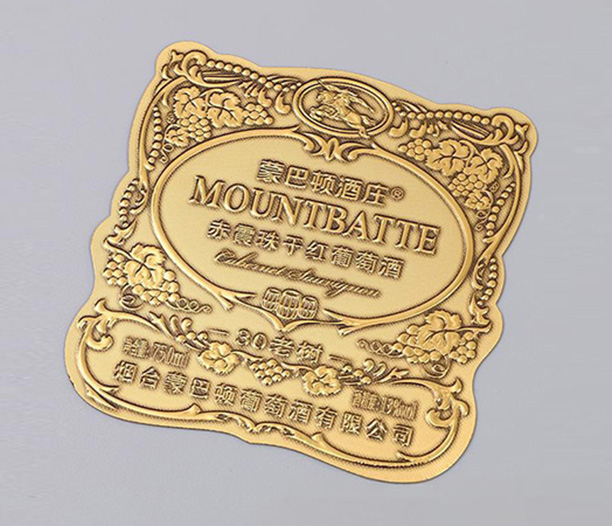
Brass and Bronze: Chosen for prestige applications, heritage buildings, and donor recognition. These alloys develop a protective patina over time. Deep rotary engraving with epoxy fill provides a tactile, high-contrast legend.
1.2 Engineered Plastics for Cost-Effectiveness and Wayfinding
For large-scale wayfinding systems or where cost is a primary driver, engineered plastics offer durable alternatives.
Acrylic (PMMA): Provides excellent optical clarity and color consistency. UV-stable grades resist yellowing for 10+ years outdoors. Ideal for edge-lit signs or where a high-gloss, non-metallic finish is desired. Fire-retardant grades are available for compliance with building codes.
PVC and Sintra®: Closed-cell PVC foam board is lightweight, rigid, and easily fabricated. It is a common choice for temporary signage, construction site markers, or indoor directional signs where extreme impact resistance is not required.
Polycarbonate (Lexan™): Specified where vandal resistance or high impact strength is critical. Polycarbonate is virtually unbreakable but requires UV-protective coatings for outdoor use to prevent yellowing.
2. Marking and Graphic Production Technologies
The method used to apply text, logos, and wayfinding symbols determines the plate's readability, durability, and aesthetic quality.
2.1 Chemical Etching for Permanent Metal Graphics
For metal nameplates requiring permanent, fine-detail graphics, chemical etching is the preferred method. An acidic solution carves the design into the metal surface. We control the etch depth between 0.0015" and 0.008". The recessed area can be filled with epoxy in matched corporate colors, creating a smooth, permanent, and abrasion-resistant surface that meets ADA requirements for tactile readability.
2.2 Screen Printing for High-Volume, Multi-Color Needs
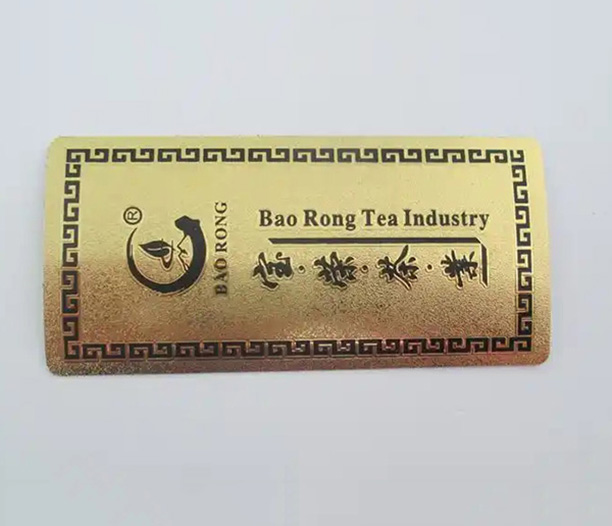
When wall plates require complex color schemes, gradients, or photographic images, screen printing with UV-stable ceramic inks onto metal or plastic is employed. The ink is fused via heat curing, creating a durable bond that resists fading and cleaning chemicals. We match inks to specific brand color standards using Pantone matching systems.
2.3 Laser Engraving and Rotary Engraving
For tactile signage, particularly in plastics and metals, engraving is the standard.
Rotary Engraving: Uses a spinning cutter to create deep, V-shaped grooves. Ideal for filling with epoxy paint for high contrast and durability. Common for room numbers and directional signs.
Laser Engraving: Uses a laser beam to vaporize material or create a color change. Offers superior resolution for small text, logos, and 2D barcodes. On anodized aluminum, laser marking reveals the natural aluminum color, creating a high-contrast mark.
2.4 Digital UV Printing for Variable Data and Prototyping
For short runs, prototypes, or signs requiring variable data (e.g., individual names), digital UV inkjet printing directly onto the substrate offers speed and flexibility. The UV-cured ink is durable for indoor applications and can be used on both metal and plastic surfaces.
3. Mounting Systems and Installation Engineering
The method of attaching a name plate for wall is as critical as the plate itself. Improper mounting leads to safety hazards, damage to wall surfaces, and premature failure.
3.1 Mechanical Fasteners: For Permanent and High-Security Applications
For plates that must withstand impact or where theft/vandalism is a concern, mechanical attachment is required.
Through-Bolting and Expansion Anchors: For concrete or masonry walls, stainless steel expansion shields or wedge anchors provide holding power measured in hundreds of pounds. Plates must be pre-drilled with clearance holes.
Drive Rivets and Screws: For attachment to metal studs, door frames, or existing backplates, self-tapping screws or blind rivets offer a permanent, tamper-resistant fix.
Concealed Mounting: For a clean, floating appearance, plates can be fabricated with stand-off brackets or a cleat system that hides the fasteners.
3.2 Industrial Adhesives: For Clean, Flush Mounting
For smooth, non-porous surfaces like painted drywall, glass, or metal panels, high-bond acrylic foam tapes provide a strong, lasting bond without visible fasteners.
Adhesive Selection: We utilize 3M™ VHB™ and similar products. The specific adhesive is chosen based on wall material (surface energy) and environmental temperature. For example, acrylic foams perform from -40°F to 200°F.
Surface Preparation: Success depends on proper surface cleaning (isopropyl alcohol) and application pressure. Adhesive bonding is not recommended for rough, porous, or constantly wet surfaces.
Peel Strength: 3M™ VHB™ tapes can achieve peel adhesion values exceeding 100 ounces per inch width, ensuring decades of service life for properly sized plates.
3.3 Magnetic Mounting for Temporary or Reconfigurable Spaces
In offices, training rooms, or co-working spaces where names change frequently, magnetic wall plates offer a damage-free solution. This requires a ferrous metal backplate or receptor attached to the wall, with the nameplate itself incorporating embedded magnets.
4. Compliance, Standards, and Industry Applications
Wall-mounted nameplates must often meet specific regulatory and accessibility standards.
4.1 ADA Compliance for Tactile Signage
In the United States, the Americans with Disabilities Act (ADA) specifies requirements for permanent room identification. Key requirements for a compliant name plate for wall include:
Tactile Characters: Must be raised 1/32" minimum, in sans serif font.
Braille: Grade 2 Braille is required below corresponding text.
Contrast: Visual contrast (light-on-dark or dark-on-light) between text and background.
Mounting Height: Centerline of sign between 48" and 60" above the floor.
Our manufacturing processes, including chemical etching with epoxy fill and photopolymer production, are designed to meet these specifications precisely.
4.2 Industry-Specific Requirements
Healthcare: Plates must withstand frequent cleaning with harsh disinfectants. Materials like phenolic resin or anodized aluminum with sealed graphics are specified.
Industrial and Hazardous Environments: Tags may need to be non-sparking (brass), fire-resistant (metal), or resistant to specific chemicals. Attachment must be mechanical to ensure permanence.
Corporate and Hospitality: Aesthetic quality, brand color matching, and integration with interior design are paramount. Materials like polished brass, brushed stainless, or custom-colored anodized aluminum are common.
5. Customization Parameters for Engineered Solutions
A standard catalog plate rarely meets all project requirements. We provide comprehensive customization across several dimensions:
Dimensional Precision: From small 10mm office name badges to large 2000mm building identification panels.
Geometric Complexity: Custom shapes, rounded corners, and complex cutouts achieved via laser cutting or waterjet.
Color and Finish: Anodized finishes, painted backgrounds, and printed graphics matched to corporate brand standards (Pantone).
Data Integration: Incorporation of QR codes, braille, or sequential numbering for asset tracking.
Mounting Configuration: Pre-drilled holes, adhesive backing, or provision for stand-off hardware.
Frequently Asked Questions: Wall-Mounted Nameplates
Q1: What is the best material for an outdoor wall nameplate?
A1: For outdoor applications, we typically recommend 0.040" or 0.063" thick anodized aluminum (alloy 5052-H32). Anodizing provides exceptional UV and corrosion resistance. For coastal environments or areas with heavy industrial pollution, 316 stainless steel offers the highest level of corrosion protection. Ensure any graphics are chemically etched or laser marked for permanence.
Q2: What is the minimum order quantity for custom wall nameplates?
A2: It varies significantly with complexity. For simple, standard shapes and sizes, we can accommodate low volumes, even prototypes. For fully customized shapes, specific colors, or projects requiring complex tooling, the MOQ typically ranges from 3,000 to 10,000 pieces to be cost-effective. Contact us with your specifications for a precise evaluation.
Q3: Do you offer nameplates that comply with ADA tactile requirements?
A3: Yes. We manufacture tactile signage meeting ADA standards for both raised characters and Grade 2 Braille. This can be achieved through processes like chemical etching with epoxy fill (on metal) or photopolymer production. We ensure correct character height, spacing, and mounting hole placement per ADA guidelines.
Q4: How should I attach a nameplate to a concrete or brick wall?
A4: For masonry surfaces, mechanical fasteners are required. The most reliable method is to use stainless steel expansion anchors or wedge anchors. The plate must be pre-drilled with clearance holes matching the anchor diameter. For larger plates, consider using four anchors for stability. Adhesive alone is not recommended for porous masonry surfaces.
Q5: Can you match a specific corporate color on a wall nameplate?
A5: Absolutely. For metal plates, we achieve color matching through screen printing with ceramic inks (cured for durability) or by filling chemically etched graphics with epoxy paints. For anodized aluminum, the color is integral to the metal. We work with Pantone references or physical samples to ensure an accurate match to your brand standards.
Selecting the right name plate for wall requires a technical evaluation of materials, marking methods, mounting systems, and regulatory requirements. By specifying the correct solution, you ensure that your facility identification provides decades of reliable service and reinforces your brand identity. For assistance in engineering a solution for your specific project, contact our team for a technical consultation and detailed quotation.