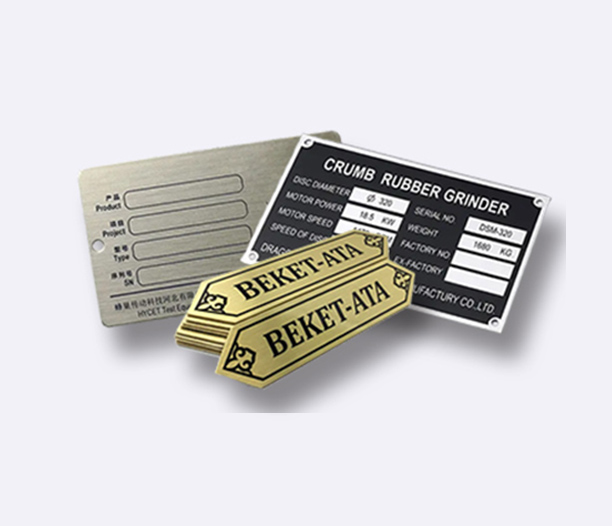
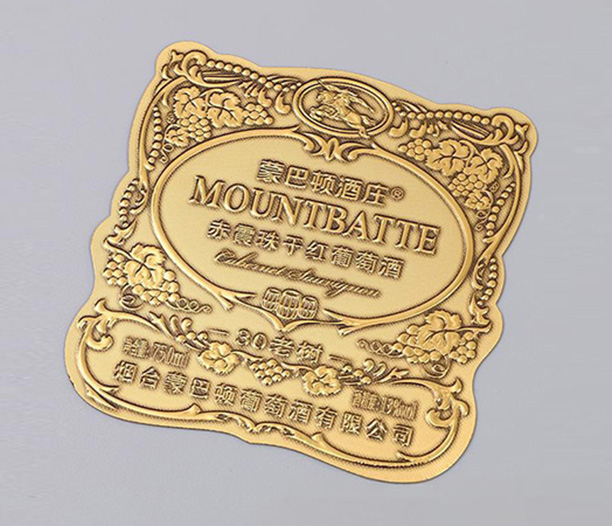
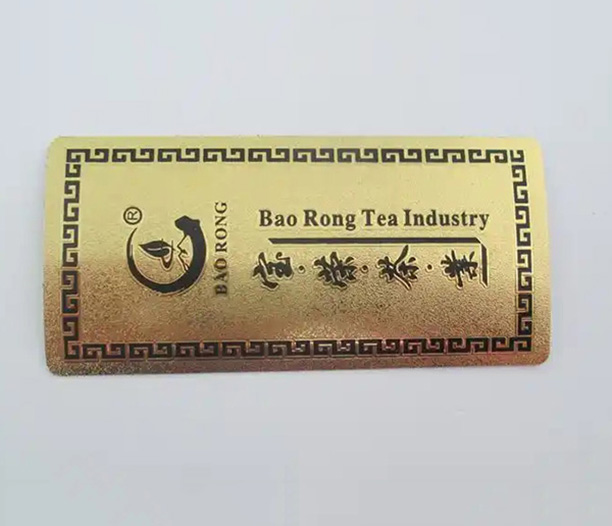
Walk through any factory, power plant, or data center. You’ll see them everywhere. Small metal or plastic plates attached to machines, control panels, and equipment. These are nameplates for industry. They are the permanent nametags and instruction manuals for the industrial world.
They tell you what a machine is, who made it, how to use it safely, and how to care for it. A missing or worn-out nameplate isn't just a minor issue. It can lead to safety risks, failed inspections, and costly downtime. This article breaks down why these plates matter, how to choose them, and what you need to know.
The Core Role of Industrial Nameplates
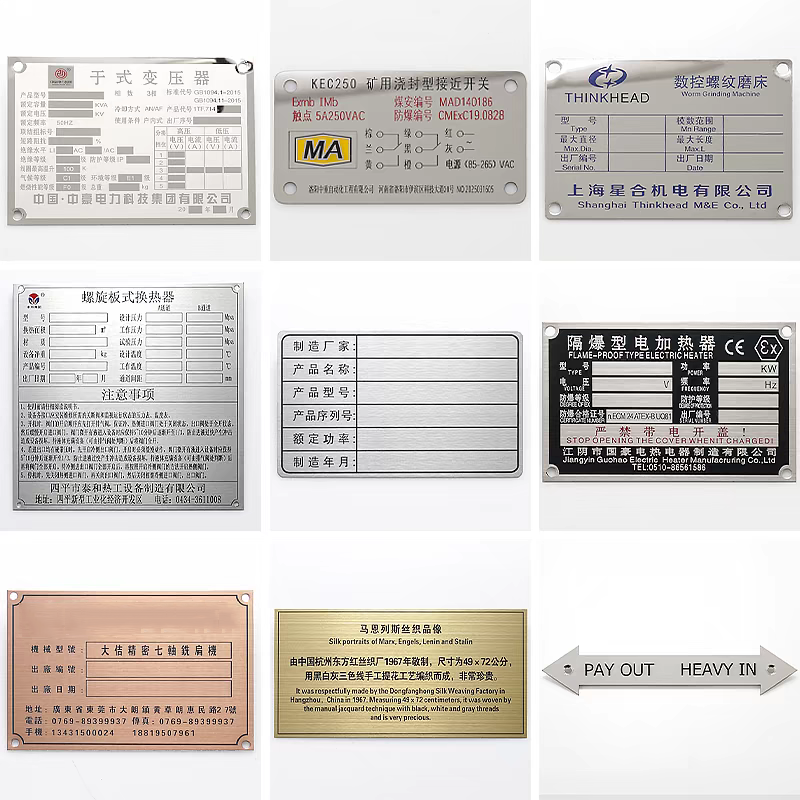
At their heart, industrial nameplates serve three critical functions: identification, instruction, and compliance.
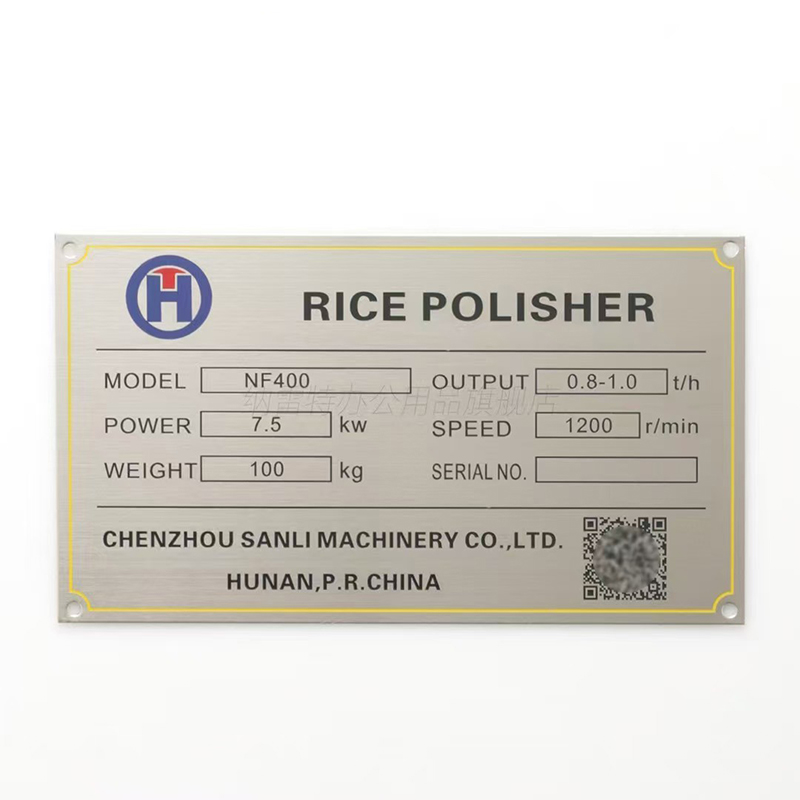
They provide permanent asset identification. A serial number, model, and manufacturer on a nameplate turn a generic machine into a traceable asset. This is crucial for maintenance logs, warranty claims, and inventory management.
They deliver essential safety and operational instructions. Warnings, voltage ratings, pressure limits, and connection diagrams are often etched or printed directly onto the plate. This information must remain legible for the life of the equipment, even in harsh conditions.
They ensure regulatory compliance. Many agencies require specific labels. A UL certification label, a CE mark, or a safety rating plate isn't optional. It's law. Proper industrial identification plates prove your equipment meets the standards.
Without a durable nameplate, this vital data can be lost. This turns simple maintenance tasks into detective work and creates serious safety hazards.
Applications and How to Choose the Right One
The application decides the material. There is no one-size-fits-all solution for nameplates for industry.
Outdoor equipment needs tough plates. Think of agricultural machinery, wind turbines, or marine hardware. For these, you likely need etched stainless steel or anodized aluminum. These metals withstand UV radiation, rain, salt spray, and temperature swings. The information becomes part of the metal, so it won't peel or fade.
For indoor panels or consumer-facing products, aesthetics might join durability as a requirement. Brushed aluminum with a screened logo or a polycarbonate plate with a sleek design can look professional while providing lasting information.
Chemical and oil and gas facilities present another challenge. Here, exposure to solvents, acids, and abrasive cleaners is common. Chemically etched metals or specialized polyester labels with aggressive adhesives are often the only choices that will last.
The selection process should be guided by questions. What are the environmental threats? Is it outdoors? Will it see chemicals, abrasion, or extreme heat? How long must it last? What regulations must it satisfy? Answering these will point you to the right durable nameplates for your specific job.
Understanding the Price Factors
The cost of industrial nameplates varies widely. A simple, silkscreened aluminum tag might cost a few dollars. A complex, multi-layer etched stainless steel plate with sequential barcoding will cost significantly more.
Several key factors drive the price. Material is the first major cost driver. Stainless steel is more expensive than aluminum. Specialized materials like brass or chemical-resistant plastics add cost.
The production process is another factor. Digital printing is cost-effective for short runs or full-color graphics. Etching, engraving, or stamping involves more tooling and setup but offers unmatched durability for long production runs.
Customization and finishing add steps. Sequential numbering, barcoding, QR codes, special coatings (like chemical-resistant topcoats), and unique shapes all increase the unit price.
Volume is the great equalizer. Ordering 50 plates will have a high per-unit cost due to setup. Ordering 5,000 allows that setup cost to be spread thin, drastically reducing the price per tag.
Think of the price as an investment in permanent communication. A cheap, faded label that needs replacement in two years is more expensive than a durable metal nameplate that lasts twenty.
The Value of Professional Fabrication Services
For most businesses, sourcing nameplates for industry from a professional fabricator is the smart choice. These specialists handle the entire process, from design to delivery.
A good service starts with design support. They can ensure your artwork meets manufacturing tolerances, is readable, and complies with relevant standards. They know what works and what will fail in the field.
They manage material sourcing and possess the right technology. A professional shop will have the presses, lasers, etching tanks, and printers needed to produce a high-quality, consistent product. They also perform critical durability testing, like adhesion tests and chemical resistance checks.
Many offer value-added services. These include managing large rolls of pre-printed serialized labels, holding inventory, and releasing batches per your production schedule. This turns a simple purchase into a streamlined supply chain component.
Partnering with a fabricator gives you access to expertise. They can recommend the most cost-effective material for your environment or suggest a more efficient marking process. This guidance can prevent costly mistakes and product failures.
The Technology Behind Modern Nameplates
The technology used to create industrial identification plates has evolved far beyond simple stamping.
Photochemical etching is a premium process for metal. It uses a light-sensitive resist and acid to "eat away" the material, leaving behind incredibly precise, durable marks that will not wear off. This is ideal for complex logos, fine text, and variable data on very hard metals.
Digital printing has revolutionized short runs and prototyping. Modern industrial UV printers can lay down vibrant, weather-resistant inks directly onto metals and plastics without tooling. This allows for quick turnarounds and full-color graphics.
Laser marking and engraving offer permanent, programmable solutions. A laser can anneal, etch, or ablate the surface of a material to create a high-contrast mark. It's perfect for serial numbers, barcodes, and custom one-off plates.
The adhesives on the back are a technology all their own. High-bond acrylics, foam tapes for uneven surfaces, and permanent vulcanizing compounds for rubber are engineered to ensure the nameplate stays put for the life of the asset, which is just as important as the information on the front.
FAQs on Industrial Nameplates
Q1: What is the most durable material for an outdoor industrial nameplate?
A1: For extreme outdoor durability, etched or stamped stainless steel is often the best choice. The information becomes part of the metal itself, making it resistant to fading, abrasion, corrosion, and UV damage. Anodized aluminum is also an excellent, slightly more cost-effective option for many outdoor applications.
Q2: Can I get nameplates with changeable information, like serial numbers?
A2: Absolutely. This is a very common request. Professional fabricators can produce industrial nameplates with sequential numbering, barcodes, or QR codes. This is typically done using digital printing, laser marking, or stamping during manufacture. For on-site needs, some metal plates are designed to accommodate a separate, changeable data tag.
Q3: How do I prepare artwork for an industrial nameplate order?
A3: The best practice is to provide vector-based artwork (like an .AI, .EPS, or .PDF file). Vector graphics use mathematical paths, not pixels, so they scale perfectly to any size without losing quality. Include all fonts as outlines or provide the font files. Always specify colors using Pantone (PMS) codes for accuracy, especially for branded logos.
Q4: What adhesive should I use for a nameplate on a textured or oily surface?
A4: Standard acrylic adhesives often fail on these surfaces. For textured paint, powder coating, or mildly oily metal, a high-performance foam tape is recommended. The foam conforms to the uneven surface. For permanently bonding metal nameplates to challenging surfaces like rubber or certain plastics, a two-part epoxy or mechanical fasteners (rivets, screws) may be necessary.
Q5: Are there regulations governing what must be on an industrial equipment nameplate?
A5: Yes, many. Requirements depend on the equipment and its location. Common regulatory bodies include OSHA (for safety warnings), UL/ETL (for certification marks), the IEC (for CE marking), and various industry-specific agencies. It is crucial to research the applicable standards for your product and region to ensure your industrial identification plates are fully compliant.