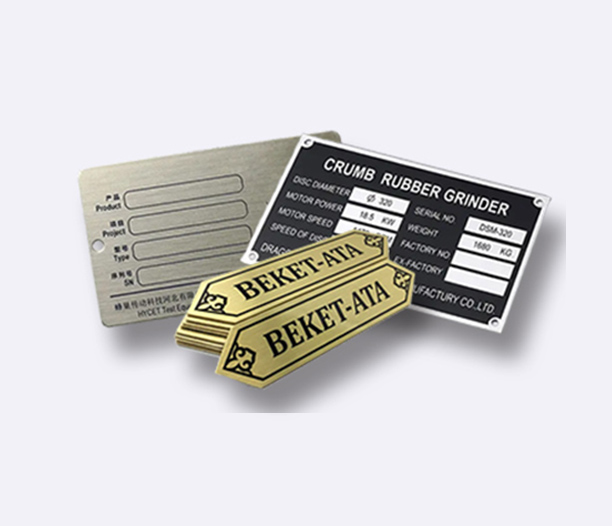
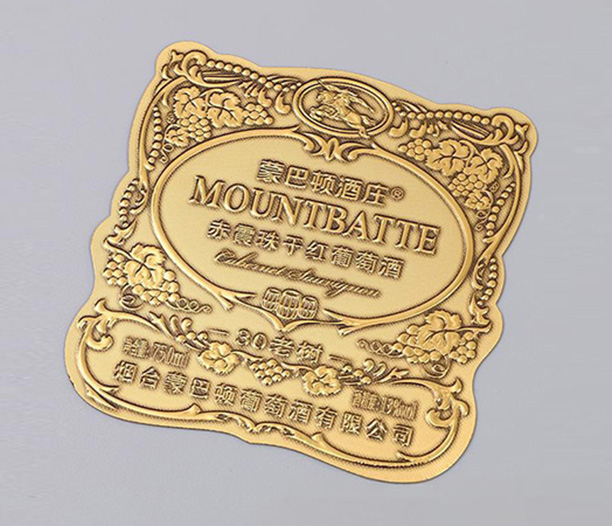
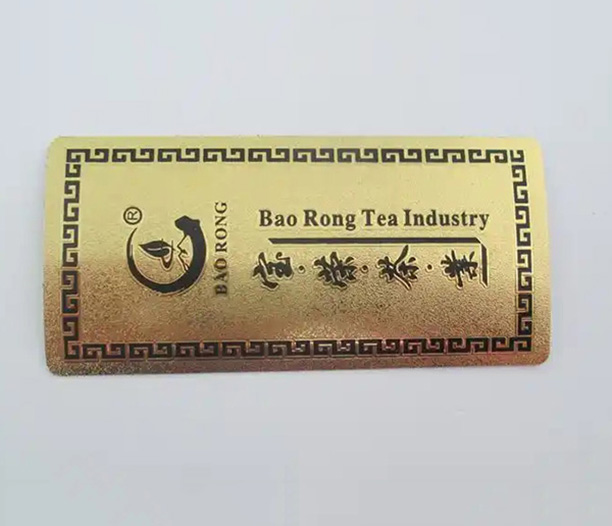
A custom metal plate logo is more than just a label. It's a statement of permanence, quality, and brand identity. In a world of plastic and paper, metal stands apart.
These durable plates, etched or embossed with your unique design, offer a professional finish that lasts for decades. They transform ordinary items into branded assets.
Whether you're a small workshop or a large corporation, understanding how to use and create a custom metal plate logo is a smart business move.
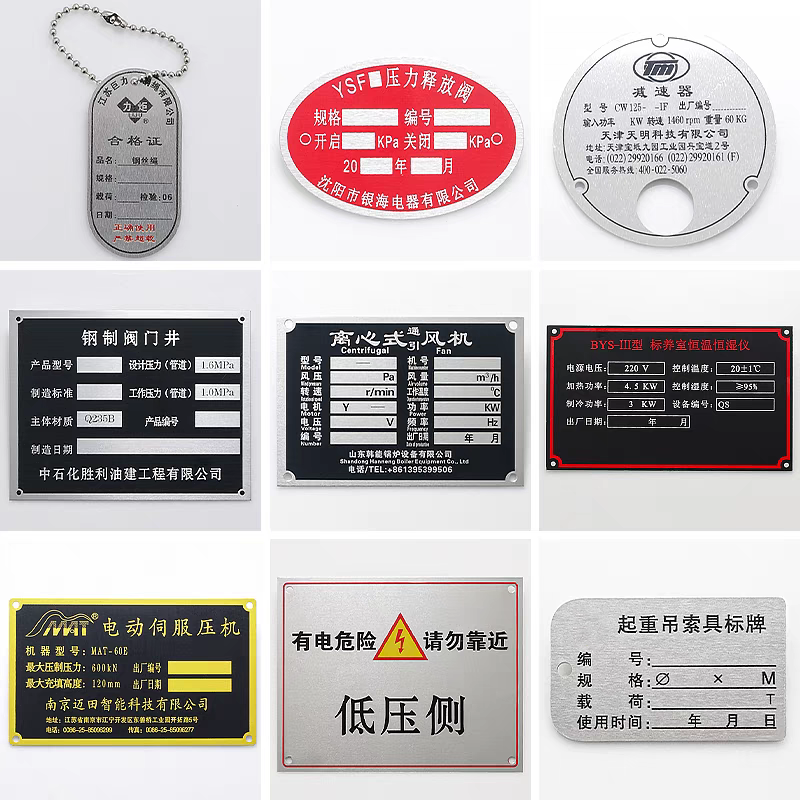
Defining a Custom Metal Plate Logo
So, what exactly is a custom metal plate logo? It's a thin sheet of metal, cut to a specific shape and size, which features your company logo, text, or a combination of both.
The logo is permanently applied to the metal surface through industrial processes. The result is a robust, high-end identifier.
This isn't a sticker or a decal. A true custom metal plate logo is made from materials like stainless steel, aluminum, brass, or zinc alloy. It's designed to withstand wear, weather, and time.
Common finishes include polished chrome, brushed satin, colored enamel, or a rustic antique patina. This versatility makes a metal logo plate suitable for countless applications.
Why Choose Metal Over Other Materials?
Why invest in a custom metal plate logo when other options exist? The advantages are clear and significant.
First, durability. Plastic fades, paper tears, and vinyl peels. A metal plate logo resists corrosion, UV rays, chemicals, and physical abrasion. It ensures your brand mark remains legible for years, even in harsh environments.
Second, perception. Metal conveys quality, strength, and stability. Attaching a custom metal plate logo to your product subconsciously tells your customer that they are investing in something substantial and well-made.
Third, versatility. Metal plates can be used indoors or outdoors, on machinery, gifts, or architectural features. Their professional appearance works for both a high-tech lab instrument and a handcrafted leather journal.
Finally, permanence. The processes used to create these logos make them nearly impossible to remove without damage. This is crucial for asset tracking, warranty seals, and brand authentication.
Key Applications for Your Branded Metal Plate
The uses for a custom metal plate logo are surprisingly broad. They solve identification problems across many industries.
On products, they serve as a permanent nameplate or data plate. This includes serial numbers, model information, compliance markings, and of course, your brand logo. Machinery, medical devices, and electrical enclosures often use them.
For corporate branding, these plates make elegant donor walls, award plaques, and lobby signage. A brushed aluminum logo plate on the wall speaks volumes about a company's attention to detail.
In the retail and promotional space, think of high-end product tags, limited edition badges on apparel, or branded keychains. A small custom metal plate logo can elevate a simple item into a premium gift.
They are also perfect for customizing vehicles, boats, and equipment. Fleet logos on trucks or identification plates on specialty tools benefit from metal's durability.
Selecting the Right Metal and Process
Choosing the right combination for your custom metal plate logo is crucial. The main decisions involve material and manufacturing technique.
Material Choices:
Aluminum: Lightweight, cost-effective, and excellent for indoor use. It takes color well through anodizing. Perfect for decorative plaques or product badges.
Stainless Steel: The go-to for industrial and outdoor use. Highly resistant to rust and corrosion. Offers a modern, professional look in brushed or polished finishes.
Brass & Bronze: These classics offer a warm, traditional, or luxurious aesthetic. They develop a natural patina over time but can be lacquered to maintain their shine.
Zinc Alloy (Zamak): Often used for thicker, die-cast plates. Ideal for complex 3D shapes and dimensional logos.
Production Processes:
Photo Chemical Etching: Uses acid to "eat away" metal, creating incredibly precise and complex logos with fine detail. Excellent for thin plates and intricate designs.
Engraving: A mechanical or laser process that cuts into the metal. Great for deep, tactile marks and serial numbers. Slightly less fine detail than etching.
Embossing/Debossing: Stamping the metal with a die to create a raised (embossed) or recessed (debossed) logo. Creates a strong, three-dimensional effect.
Screen Printing & Color Fill: Adds color to etched or engraved areas. Allows your logo's specific Pantone colors to be reproduced on the metal plate.
The best choice depends on your design complexity, budget, quantity, and the environment where the custom metal plate logo will live.
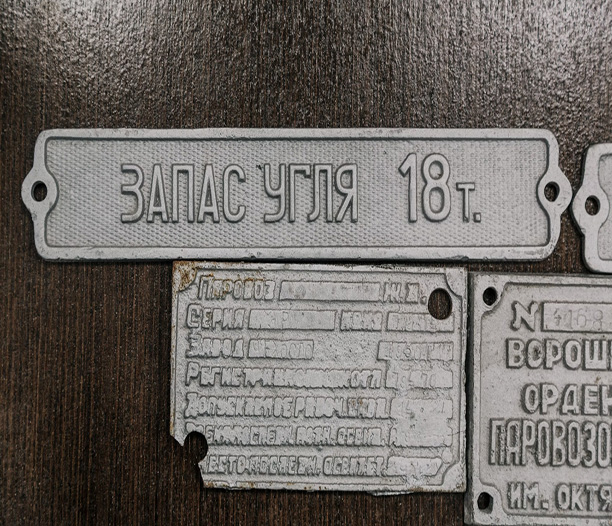
Finding a Reliable Manufacturer
Sourcing a high-quality custom metal plate logo requires finding a skilled manufacturer. Not all metal shops specialize in this detailed work.
Start with an online search for "custom metal nameplate manufacturers" or "photo chemical etching services." Look at their portfolios. Do they show examples of logo work similar to what you need?
Reach out and ask questions. A good supplier will guide you. They should ask about your intended use, required durability, and provide feedback on your design file.
Request physical samples. Feeling the weight, finish, and precision of a sample metal logo plate is invaluable. It confirms quality before you place a large order.
Check their capabilities in-house. Do they handle design, prototyping, etching, finishing, and packing? A full-service provider simplifies the process and ensures quality control.
Understanding Cost Factors
The price for a custom metal plate logo isn't a single number. It's built from several components.
Material Cost: Stainless steel typically costs more than aluminum. Brass is often a premium option. Thicker gauges also increase material price.
Manufacturing Process: Photo etching has initial tooling costs (for the digital film) but becomes very cost-effective for medium to high volumes. Engraving might have lower setup but higher per-unit costs for complex logos.
Size and Complexity: A larger plate uses more material. A logo with extremely fine lines or very small text may require a more precise (and sometimes slower) process.
Quantity: Unit price drops significantly with higher volumes. Setup costs are spread across more pieces. For a one-off prototype, the cost per plate will be high.
Finishing Touches: Adding color fills, protective coatings, special edge finishes, or unique mounting holes will add to the final cost.
Getting a detailed quote that breaks down these elements helps you understand where your money is going and how to optimize your order.
The Technical Side: How These Logos Are Made
Let's look deeper at two common methods for creating a custom metal plate logo: photo chemical etching and engraving.
Photo Chemical Etching is like precision photography on metal. Your digital logo artwork is printed onto a light-sensitive film. This film is laminated onto a clean metal sheet.
UV light exposes the film, hardening the areas that will become your logo. The unhardened areas are washed away, leaving a stencil on the metal.
The sheet is then sprayed with a chemical etchant. It dissolves the exposed metal, leaving your logo perfectly formed. This process doesn't stress the metal, keeping it flat and burr-free. It's ideal for complex, flat logos.
Laser Engraving uses a high-powered beam to vaporize metal. The laser follows the vector paths of your logo file, cutting into the surface.
It's incredibly flexible for prototypes and short runs since there's no physical tooling. It can create very deep marks and works on curved surfaces. For the highest detail on a custom metal plate logo, fiber lasers are the industry standard.
The choice often comes down to detail (etching often wins) versus depth and material flexibility (where laser engraving excels).
Frequently Asked Questions
Q1: What file format do I need to provide for a custom metal plate logo?
A1: Vector files are essential. Formats like .AI, .EPS, .PDF, or .SVG ensure your logo can be scaled to any size without losing quality. Raster images (.JPG, .PNG) are not suitable for production as they become pixelated.
Q2: How durable is the color on a colored metal logo plate?
A2: It depends on the technique. For etched and filled plates, colored enamel is baked into the recessed areas and is very durable. Screen-printed color on the surface may wear over time with heavy abrasion. Anodized color (for aluminum) is part of the metal surface and is extremely long-lasting.
Q3: What is a typical lead time for an order of custom metal plates?
A3: Lead time varies. For a standard order of etched or engraved plates, expect 2-4 weeks from final design approval. This includes time for tooling setup, production, and finishing. Rush services are often available for an additional cost.
Q4: Can you create a custom metal plate logo with a 3D effect?
A4: Yes. Embossing creates a raised logo, and debossing creates a recessed one. For the most dramatic 3D effect, die casting in zinc alloy allows for fully sculptural, dimensional logos.
Q5: Are there minimum order quantities (MOQs)?
A5: Most manufacturers have MOQs, often ranging from 25 to 100 pieces for standard processes like etching. This is due to the setup involved. For laser engraving, MOQs can be lower, sometimes even a single piece for prototyping.
Q6: How should I clean and maintain my metal plate logo?
A6: For most plates, a soft cloth with mild soap and water is sufficient. Avoid abrasive pads or harsh chemicals. For outdoor brass plates meant to develop a patina, no maintenance is needed. For polished plates kept indoors, occasional dusting will maintain their shine.