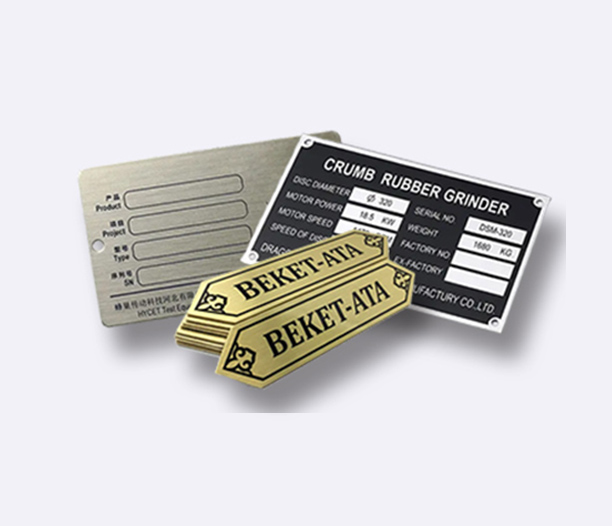
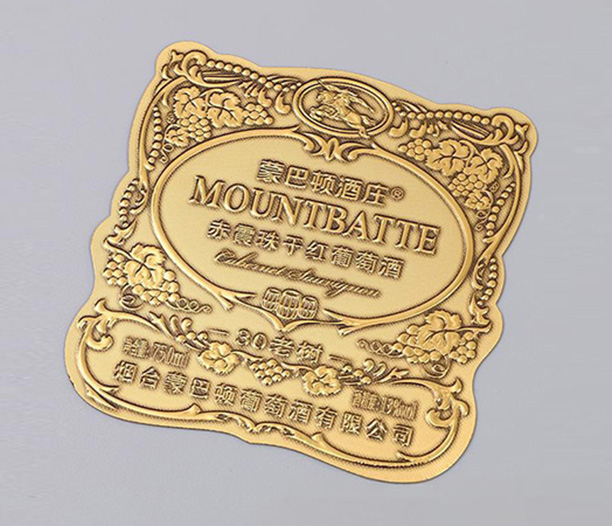
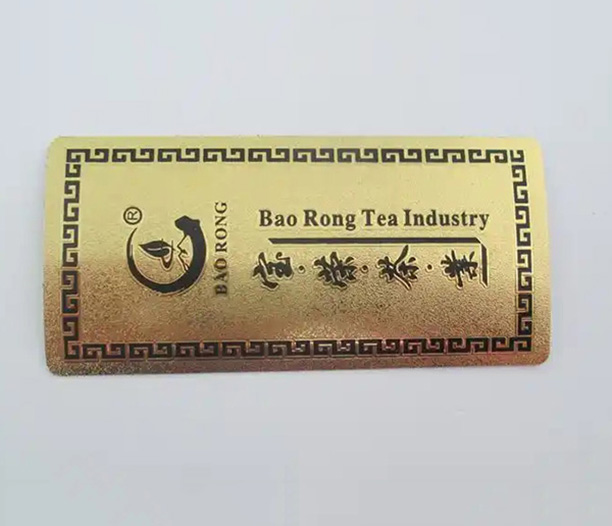
If you're responsible for labeling equipment, tracking tools, or identifying property, you've probably seen metal tags that fail. They fade, scratch, rust, and peel, leaving you with unreadable assets and wasted money.
There's a more durable solution that stands up to harsh environments while looking professional. Anodized aluminum tags have become the industry standard for a reason. They solve the common failures of other tags with a proven electrochemical process.
This isn't just about putting a number on something. It's about permanent identification that lasts as long as the asset itself. Let's break down why anodized tags are a superior choice and how to use them effectively.
What Are Anodized Aluminum Tags? More Than Just Metal
First, let's clarify the term. An anodized aluminum tag starts as a thin sheet of aluminum. This metal is then subjected to an electrochemical process called anodization.
The aluminum is immersed in an acid bath and charged with an electrical current. This causes a controlled oxidation, creating a thick, hard, porous aluminum oxide layer on the surface. This layer is not a coating; it's part of the metal itself.
This anodic layer is what makes these aluminum nameplates so special. It's incredibly hard, second only to diamond on the hardness scale. This integrated surface is the key to their legendary durability and the base for adding permanent color.
5 Key Advantages Over Other Metal Tags
Why choose anodized aluminum tags over stainless steel, brass, or simple painted labels? The benefits are clear and measurable.
1. Extreme Durability and Wear Resistance.
The anodized surface is highly resistant to abrasion and scratching. Information won't rub off from frequent handling or contact with other objects. This makes them perfect for tool tags, machinery plates, and industrial asset labels.
2. Superior Corrosion and Chemical Resistance.
The aluminum oxide layer is inert and protects the core metal from rust and corrosion. Anodized tags perform exceptionally well outdoors, resisting moisture, UV exposure, and many industrial chemicals that would ruin painted or screened tags.
3. Permanent, Fade-Resistant Marking.
Information is often etched or engraved through the anodic layer. For colored tags, dyes are infused into the porous layer before it is sealed. This means the color and text are inside the surface, not on top. They cannot peel or fade from sunlight.
4. Professional Appearance and Conductivity.
These tags offer a clean, modern, and professional look. The anodization process can create a matte or gloss finish. Furthermore, the underlying aluminum remains conductive, which can be critical for tags used in electrical or RF applications.
5. Cost-Effectiveness for Long-Term Use.
While the upfront cost per tag might be higher than a vinyl label, the lifetime cost is lower. You label an asset once with an anodized aluminum nameplate and never worry about replacement. No recurring labor or material costs.
Common Uses and Applications in Industry
Where will you typically find these durable tags? Their versatility is broad.
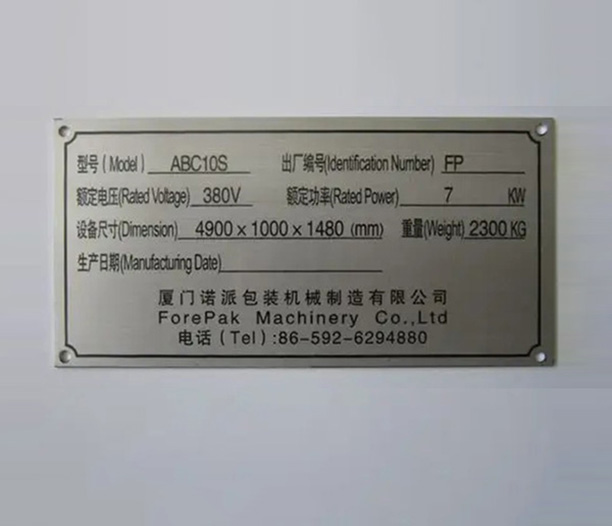
- Industrial Equipment: Permanent nameplates for machinery showing model, serial, and electrical data.
- Asset Tracking & Inventory: Numbered aluminum asset tags for IT equipment, lab tools, and facility furniture.
- Outdoor Identification: Tags for valves, piping, electrical panels, and surveying stakes that must withstand weather.
- Tool and Die Identification: Durable tags for high-wear tools in manufacturing shops.
- Aerospace and Defense: Components requiring lightweight, permanent, and reliable identification.
- Branding and Architectural Signs: High-end logos, directional signs, and commemorative plaques.
How to Choose the Right Anodized Tag for Your Project
Not all anodized aluminum tags are the same. Specifying the right one ensures success. Consider these factors:
Thickness and Size:
Tags come in various thicknesses (e.g., 0.020", 0.040", 0.063"). Thicker tags are more rigid for larger applications. Choose a size that fits your asset with enough room for clear text and data.
Color Options:
The anodizing process allows for a wide color palette. Black is the most common for high contrast. Standard colors like red, blue, and gold are also popular. Clear anodized (silver) is an option where you want the natural metal look with protection.
Marking Method:
How is the information applied? This is critical.
- Laser Etching: Burns away the anodized layer to reveal the bright aluminum underneath. Creates a high-contrast, permanent mark. Excellent for barcodes, QR codes, and complex graphics.
- Screen Printing: Ink is applied on top of the sealed anodic layer. Best for solid blocks of color or logos. Durability depends on the ink quality but is generally very good.
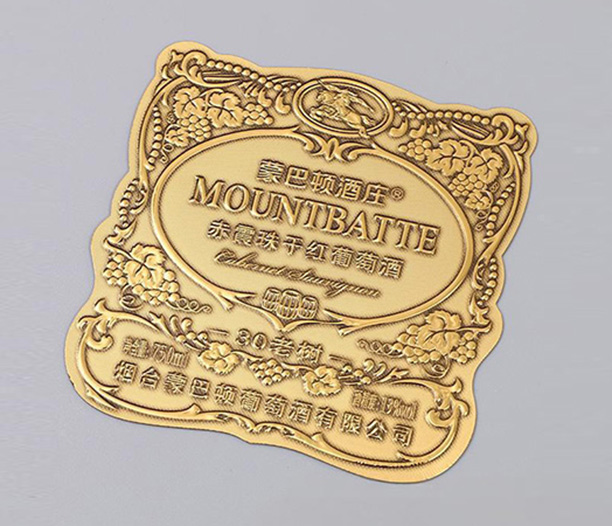
- Embossing/Debossing: Raises or indents characters into the metal before anodizing. Provides a tactile, elegant feel.
Fastening Method:
How will the tag attach? Common options include adhesive backing (with high-bond industrial acrylic), holes for rivets or screws, or wire loops for hanging.
Understanding the Anodizing Process for Tags
Knowing a bit about the technology helps in specifying your order. The Type II anodizing used for most anodized tags involves several key steps.
First, the aluminum is cleaned and etched to prepare the surface. It is then racked and submerged in a sulfuric acid bath. The electrical current is applied, growing the oxide layer.
If color is required, the porous, unsealed layer is dipped into a dye tank. The dye absorbs into the microscopic pores.
Finally, the part is sealed in hot water or a chemical solution. This closes the pores, locking the dye in (if used) and maximizing the corrosion resistance of the anodized aluminum nameplate. This sealing step is what makes the finish so permanent.
Cost Factors and Ordering Considerations
The price of anodized aluminum tags depends on several variables. Understanding these helps you budget and get accurate quotes.
Order Quantity: Unit cost drops significantly with volume due to shared setup costs. A run of 50 tags is much more per-piece than a run of 1,000.
Tag Size and Material Thickness: More material equals higher cost.
Color and Marking Complexity: A single laser-etched color is standard. Adding multiple screen-printed colors, sequential numbering, or unique barcodes per tag increases cost.
Tooling and Setup: There may be a one-time fee for creating digital artwork, laser programming, or screen-printing frames, especially for low-quantity custom jobs.
When sourcing, look for a manufacturer that specializes in metal tags. Provide clear, vector-based artwork. Ask about lead times, which can range from a few days for simple jobs to several weeks for complex, large orders.
Frequently Asked Questions (FAQ)
Q1: Are anodized aluminum tags truly waterproof and weatherproof?
A1: Yes, when properly sealed during the anodizing process, they offer exceptional resistance to water, moisture, humidity, and UV exposure. The sealed oxide layer prevents corrosion, making them ideal for long-term outdoor use.
Q2: Can the information on these tags be removed or wear off?
A2: For tags marked by laser etching or with sealed-in dyes, the information is virtually permanent. It is part of the surface layer and will not peel, flake, or rub off with normal abrasion. Surface printing may wear over extreme time and abuse, but etching will not.
Q3: What's the difference between etched and printed anodized tags?
A3: Etching (typically laser) removes material to create the mark. It's best for fine detail, serialization, and permanent data like barcodes. Printing applies ink on the surface and is better for full-color logos or solid fills. Etched marks are generally more durable.
Q4: How do I attach these tags to my equipment?
A4: The most secure methods are mechanical fasteners like rivets, screws, or bolts through pre-drilled holes in the tag. For smooth, clean surfaces, a high-performance industrial adhesive backing can be very effective and is less invasive.
Q5: Can I get a sample before placing a large order?
A5: Most reputable manufacturers of anodized aluminum tags will provide physical samples for a small fee, or sometimes for free, especially for substantial potential orders. It's always wise to evaluate the quality, finish, and marking clarity firsthand.