Chemical safety labels are not just stickers. They are a critical line of defense in workplace safety. These labels communicate hazard information instantly, preventing accidents, injuries, and costly regulatory fines. Whether you manage a laboratory, a manufacturing floor, or a storage facility, understanding these labels is non-negotiable.
This article breaks down what you need to know about chemical safety labels. We will cover the different types, how to choose the right ones, and what makes them effective.
Understanding the Core Types of Chemical Safety Labels
Not all chemical safety labels are created equal. They serve different purposes under various regulatory frameworks. Knowing the difference is the first step to compliance.
The most common global standard is the Globally Harmonized System of Classification and Labelling of Chemicals (GHS). GHS labels feature standardized pictograms, signal words, and hazard statements. They are mandatory for containers of hazardous chemicals in workplaces.
Another key type is the National Fire Protection Association (NFPA) 704 diamond. This label uses a color-coded system to warn firefighters of specific hazards like health risk, flammability, and instability.
There are also transportation labels. These are required for shipping containers and follow regulations from bodies like the U.S. Department of Transportation. They are designed to be understood globally during the transport of dangerous goods.
Choosing the Right Chemical Safety Label for Your Application
Selecting the correct chemical safety labels depends on your specific use case. A label for a drum stored outside needs different properties than one for a small vial in a climate-controlled lab.
For secondary containers—like a spray bottle filled from a larger chemical drum—workplace labeling is required. A simple but effective label must include the product identifier and key hazard information. Pre-printed GHS labels are a popular choice for this.
Durability is a major factor. Consider the environment. Will the label face solvents, UV exposure, moisture, or extreme temperatures? Polyester, polyethylene, or vinyl materials with durable adhesives and laminate overlays are often necessary for long-lasting chemical safety labels.
Legibility is paramount. Labels must remain intact and readable for the life of the chemical container. Faded or peeling labels create serious safety and compliance risks.
How to Find Reliable Suppliers and Services
Sourcing high-quality chemical safety labels is crucial. Many companies offer pre-printed, blank, or custom-designed labels to meet specific needs.
Look for suppliers with deep knowledge of OSHA’s Hazard Communication Standard and GHS requirements. They should be able to guide you on compliance, not just sell you a product. A good supplier asks questions about your chemicals and their storage conditions.
Customization services are valuable for unique or proprietary blends. A reputable provider can help you design a compliant label that includes all required elements for your specific mixture.
For large facilities, consider vendors offering integrated solutions. These can include label printers, on-demand printing software, and asset management systems. This ensures consistency and efficiency across your entire operation.
Factors Influencing the Cost of Chemical Safety Labels
The price of chemical safety labels can vary widely. Understanding what drives cost helps in budgeting and making smart purchasing decisions.
Material choice is a primary cost driver. A standard paper label is inexpensive but may not last. A laminated polypropylene label with a chemical-resistant adhesive costs more but provides long-term reliability and avoids replacement costs.
Order volume typically reduces the unit price. For standardized chemicals used across an industry, buying pre-printed GHS labels in bulk is often the most economical approach.
Custom design and printing add to the cost. This includes creating unique layouts, printing small batches, or incorporating company-specific logos and information. However, for proprietary substances, this is a necessary investment in safety.
Finally, consider the total cost of compliance. The cheapest label that fails prematurely is far more expensive when it leads to an accident or an OSHA citation. Investing in durable, compliant labels from the start saves money over time.
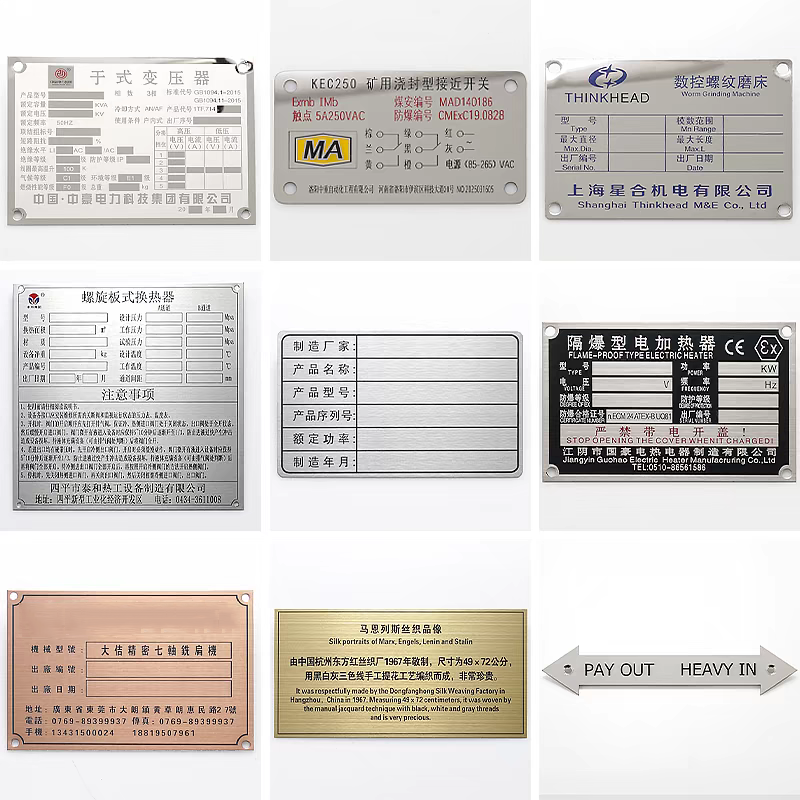
The Technology Behind Durable and Compliant Labels
The effectiveness of a chemical safety label hinges on its construction. Modern label technology combines advanced materials and printing methods to meet rigorous demands.
Printing technology is key. Thermal transfer printing is a common industrial method. It uses a heated ribbon to transfer ink onto the label material, creating a highly durable and solvent-resistant image. This is ideal for printing on-demand in your facility.
The choice of facestock—the top layer of the label—is critical. Materials like polyester offer excellent resistance to chemicals, abrasion, and moisture. The adhesive must be carefully matched to the surface (glass, plastic, metal) and the environmental conditions.
For extreme environments, over-laminates are used. This is a clear, protective film applied over the printed label. It provides an extra barrier against chemical splashes, UV degradation, and physical wear, ensuring the hazard information stays clear.
Frequently Asked Questions (FAQs)
Q1: Are chemical safety labels required by law?
A1: Yes, in most workplaces. Regulations like OSHA’s Hazard Communication Standard (HCS) in the United States mandate that all containers of hazardous chemicals must be labeled with specific information. This includes health and physical hazards, using a standardized format like GHS. Non-compliance can result in significant penalties.
Q2: What is the difference between a GHS label and an NFPA diamond?
A2: GHS labels are required on containers of hazardous chemicals for workplace use. They provide comprehensive information for workers about handling and health risks. The NFPA 704 diamond is primarily a fire safety tool for emergency responders, indicating the severity of health, flammability, and instability hazards at a glance, usually posted on building exteriors or storage areas.
Q3: What information is absolutely mandatory on a secondary container label?
A3: For workplace secondary containers, OSHA requires, at a minimum, the product identifier (e.g., chemical name) and words, pictures, symbols, or a combination that provide general information about the hazards. Best practice and many company policies dictate also including the GHS pictograms and precautionary statements for maximum safety.
Q4: How do I choose a material for harsh chemical environments?
A4: Identify the specific chemicals and conditions the label will face. For solvent exposure, choose a polyester or polypropylene facestock with a permanent, chemical-resistant adhesive. Consult with your chemical safety labels supplier and provide them with details of the environment. They can often perform or recommend compatibility testing.
Q5: Can I create my own compliant chemical safety labels in-house?
A5: Yes, with the right system. Many companies use dedicated label printers and Hazard Communication software. This software contains chemical databases to auto-populate GHS information. You must ensure you are using approved, durable materials and that your system is kept updated with any changes to chemical classifications or regulations.