Let’s be honest. A nameplate is often an afterthought. You need one for your office door, your desk, or a special gift, so you quickly order something online. But when it arrives, it feels flimsy, the font is wrong, or it doesn’t match the surroundings at all.
This is the gap between a generic tag and a true personalized nameplate. The right one communicates professionalism, quality, and attention to detail. It can transform a workspace, honor an achievement, or add a unique touch to your home.
Choosing the perfect piece isn't just about typing a name. It involves material, finish, size, and craftsmanship. This article walks you through the essential considerations to ensure your next personalized nameplate is exactly what you envisioned.
Understanding Your Options: Materials Compared
The material is the foundation of your personalized nameplate. It dictates the look, feel, durability, and cost. Here’s a breakdown of common choices.
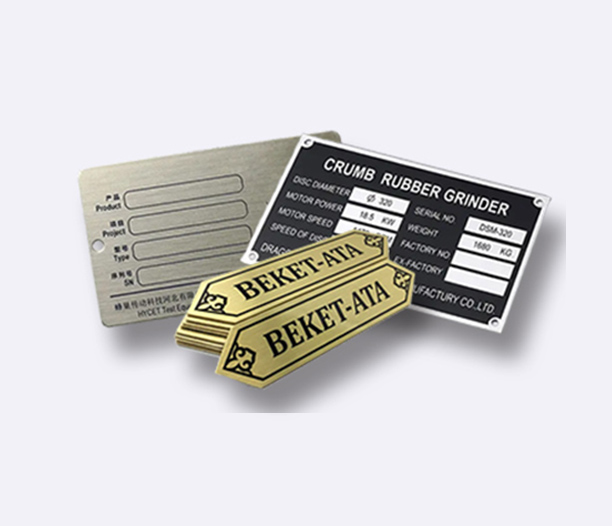
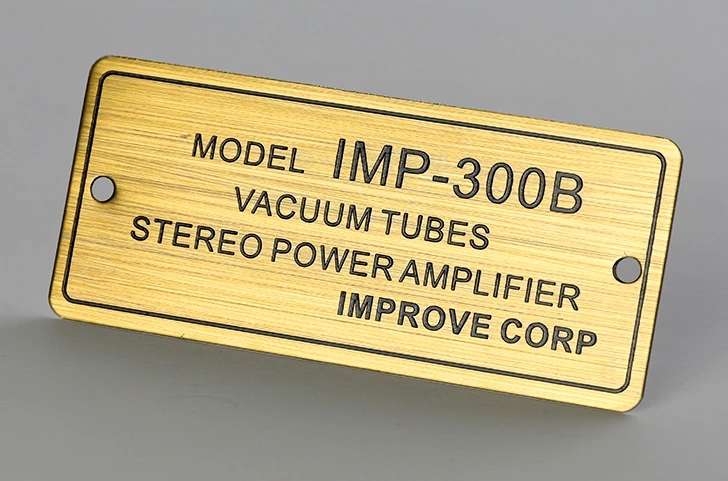
Metal nameplates, like brass, stainless steel, and aluminum, are top choices for a professional, permanent feel. Brass offers a classic, prestigious look, often with an engraved or etched finish. Stainless steel is modern, sleek, and highly durable. Aluminum is lightweight, corrosion-resistant, and typically more affordable.
Wooden nameplates bring warmth and tradition. Solid oak, walnut, or maple can be beautifully laser-engraved. They suit academic, creative, or rustic environments perfectly. Acrylic or plastic nameplates provide a contemporary, clean aesthetic. They are available in many colors and can be frosted or clear, often using printed text.
For a luxury feel, consider slate, marble, or crystal. These materials make for stunning desk name plates or award pieces, though they are more fragile and expensive.
Where and How to Use Personalized Nameplates
The application should guide your design. A personalized nameplate for a corporate executive's door differs from one for a craft room at home.
In corporate settings, office nameplates are standard. They go on doors, desks, or wall mounts. Consistency in material and font across an office projects a unified brand image. For remote workers, a stylish customized name tag for the home office desk can boost professionalism on video calls.
Beyond the office, these items shine as gifts. A personalized nameplate for a newborn’s door, a engraved nameplate for a retirement clock, or a custom sign for a home gym are thoughtful touches. They also serve practical purposes in community spaces, labeling mailboxes, clubhouse doors, or donor recognition walls.
Consider the mounting method. Does it need adhesive, screw holes, a free-standing base, or a slot for wall hanging? Your supplier can advise based on the surface.
Finding the Right Service for Your Custom Nameplate
A quick search reveals countless vendors offering personalized nameplates. The challenge is identifying a reliable partner who balances quality with service.
Look for suppliers with clear portfolios. Examine photos of their finished products closely. Can you see clean engraving edges? Is the finish consistent? Do they show real examples, or just digital mock-ups? Reviews and testimonials are crucial for assessing reliability and customer service.
A great provider will ask good questions. They should inquire about the intended use, environment, and your aesthetic preferences, not just the text and size. They can guide you on what works best.
Consider their customization depth. Can they accommodate special logos, specific Pantone colors, or unique shapes? Some specialize in high-volume corporate orders, while others excel at one-off, artistic personalized nameplate creations.
What Drives the Cost of a Custom Nameplate?
Prices for a personalized nameplate can range from a few dollars to several hundred. Understanding the cost factors prevents sticker shock and helps you budget effectively.
Material cost is the most obvious factor. Solid brass or crystal will cost significantly more than aluminum or standard acrylic. The size and thickness of the plate also directly impact the material cost.
The production technique affects price. Machine engraving is common and cost-effective for metals. Laser engraving offers precision for wood and acrylic. Full-color printing or complex multi-process methods (like combining etching and enamel filling) will increase the price.
Order quantity almost always reduces the unit cost. Setup and design fees are amortized over more pieces. For a business needing 50 identical office nameplates, the per-piece cost will be far lower than for a single piece.
Finally, any add-ons like special packaging, rush fees, or complex installation hardware will add to the final tally. Always request a detailed quote.
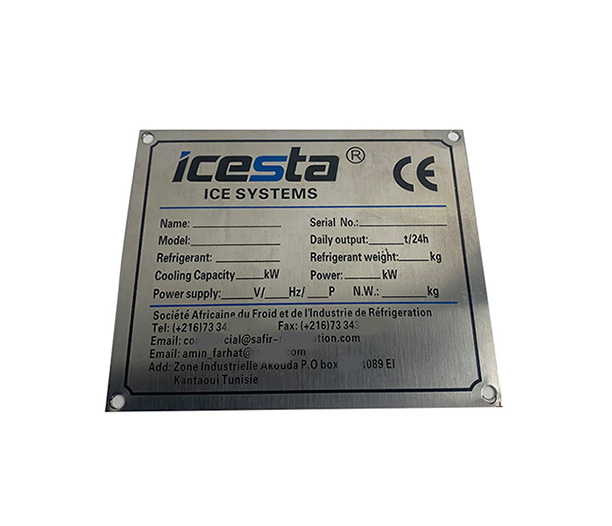
The Craft Behind the Product: Engraving and Finishing
The magic of a great personalized nameplate lies in the craftsmanship. The chosen technique defines its texture and longevity.
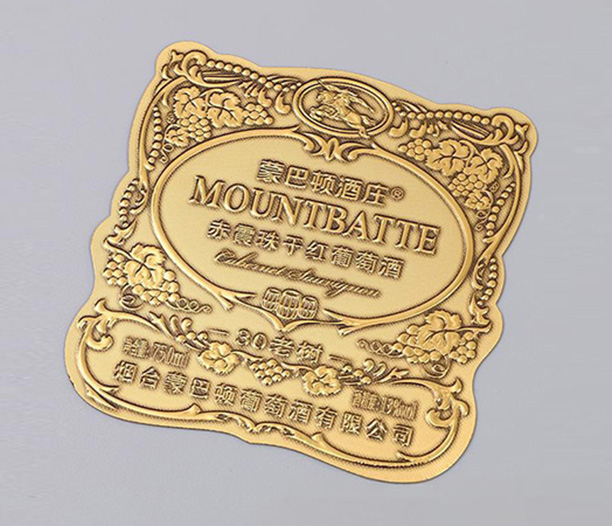
Engraving is a classic, subtractive method. A rotating cutter or laser removes material to create the text. This results in deep, tactile lettering that lasts. It can be infilled with enamel paint for contrast. Etching, often used on metal, uses a chemical or laser to create a recessed design, offering a smooth, sophisticated look.
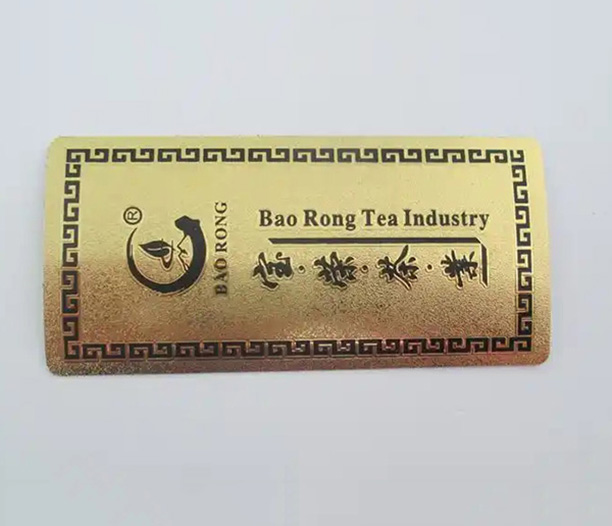
For flat color graphics, printing or digital UV curing is used. This allows for full color and photographic quality on materials like plastic or metal. A protective coating is usually applied to prevent scratching.
The finish is the final touch. Metals can be polished to a high shine, brushed for a satin look, or coated (e.g., anodized, powder-coated) for color and extra protection. Wood may be left natural, stained, or sealed with a clear varnish.
Frequently Asked Questions (FAQs)
Q1: How long does it take to receive a personalized nameplate?
A1: Production and shipping times vary widely. A standard, in-stock design from a large online retailer may ship in 1-3 business days. A fully custom, hand-finished piece from a specialist can take 2-4 weeks. Always check the "lead time" or "production time" before ordering, especially for gifts or project deadlines.
Q2: What information should I provide when ordering?
A2: Beyond the obvious (name, title), be prepared to specify: the exact material and finish, the precise dimensions, your font preference (many suppliers have a catalog), the mounting method, and any logos or artwork in a high-resolution format. Proofreading your text before final approval is absolutely critical.
Q3: Are personalized nameplates only for offices?
A3: Not at all. While office nameplates are a common use, they are incredibly versatile. People order them for home offices, doors, gift boxes, trophies, memorials, pet ID tags, organization of collections (e.g., tool chests), and decorative house signs. Anywhere you need clear, attractive identification is a potential use.
Q4: What is the most durable material for an outdoor nameplate?
A4: For outdoor use, you need weather-resistant materials. Stainless steel (grade 304 or 316), anodized aluminum, and cast bronze are excellent choices. The engraving or etching should be deep, and any coatings must be UV-stable. Avoid most woods and standard plastics, which will degrade in sun and rain.
Q5: Can I get a sample before placing a large order?
A5: Many reputable suppliers, especially those catering to corporate clients, will provide a physical sample for a fee (often credited against a future order). This is highly recommended when standardizing personalized nameplates across a large company. It allows you to verify quality, color, and feel firsthand.