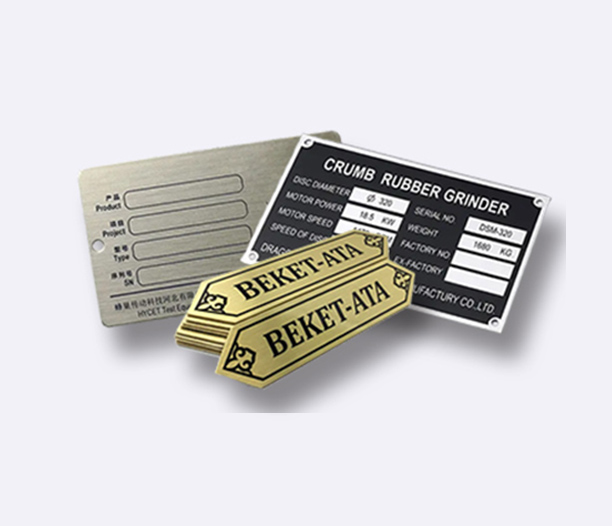
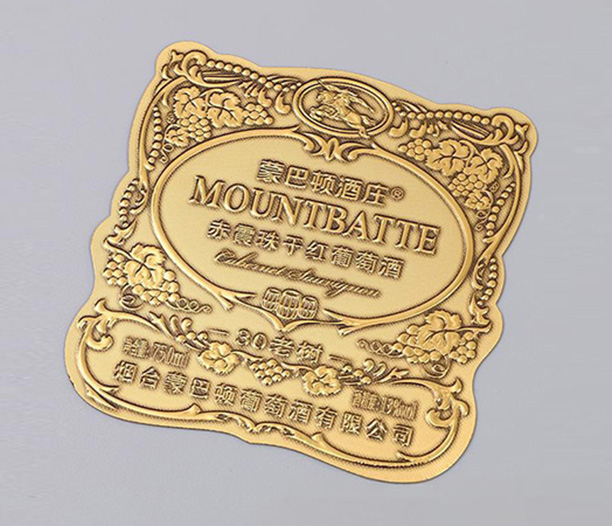
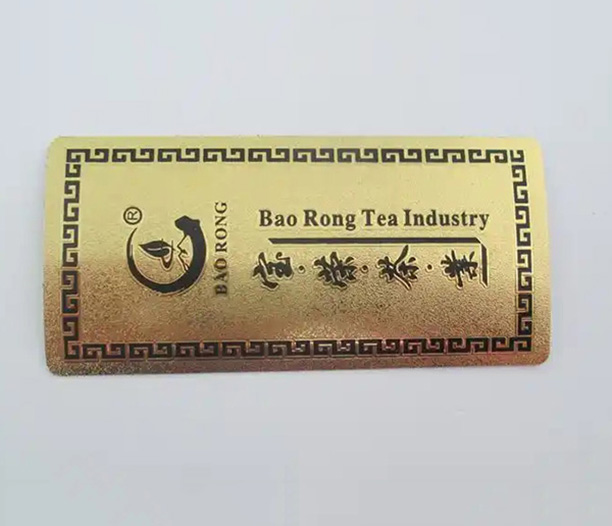
When it comes to durable identification and labeling, engraved aluminum tags have become a go-to solution across industries. These tags are known for their resilience, clarity, and professional appearance. Whether you're in manufacturing, construction, or asset management, understanding how to leverage them can save time and money. This article breaks down key aspects to help you make informed decisions.
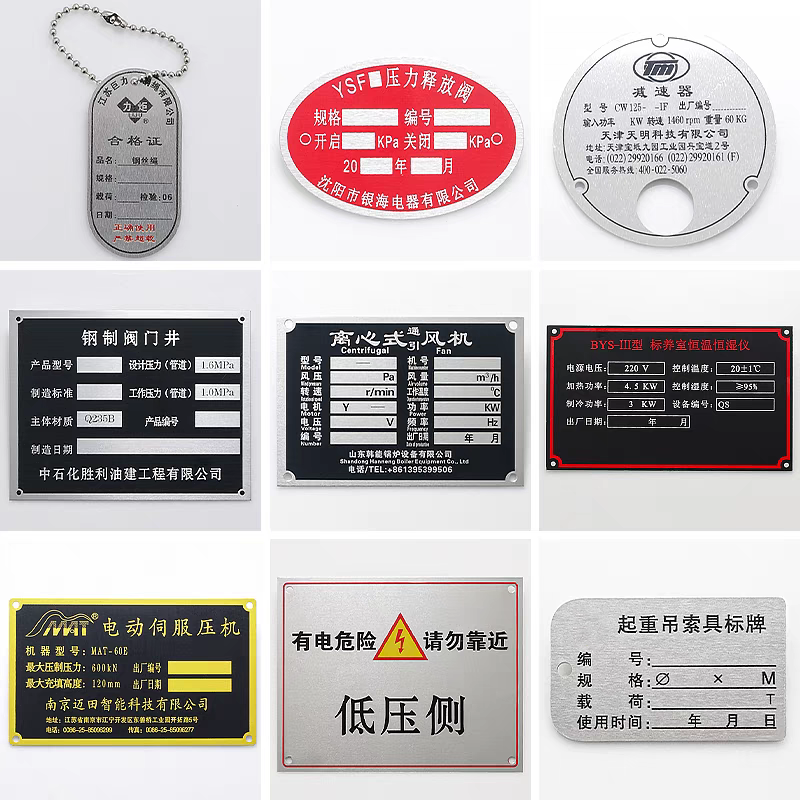
What Are Engraved Aluminum Tags and Why Do They Matter?
Engraved aluminum tags are metal plates made from aluminum that feature text, logos, or codes etched into their surface. The engraving process creates permanent markings that resist fading, corrosion, and wear. This makes them ideal for harsh environments where paper or plastic labels might fail.
Aluminum is lightweight yet strong, offering a balance of durability and ease of handling. Tags are often used for asset tracking, equipment identification, and safety warnings. Their versatility stems from the material's ability to withstand extreme temperatures and moisture.
Many industries rely on engraved aluminum tags for compliance and organization. From serial numbers on machinery to instructional plaques, these tags provide long-lasting clarity. The engraved surface ensures that information remains readable for years, even with frequent handling or exposure.
Comparing Engraved Aluminum Tags to Other Material Options
When choosing tags, it's essential to weigh aluminum against alternatives like stainless steel, brass, or plastic. Engraved aluminum tags stand out for their cost-effectiveness and corrosion resistance. Aluminum naturally forms a protective oxide layer, preventing rust without needing additional coatings.
Stainless steel tags are more expensive but offer higher strength in abrasive settings. However, for most applications, aluminum provides sufficient durability at a lower price point. Brass tags have an aesthetic appeal but can tarnish over time, requiring maintenance that aluminum tags avoid.
Plastic tags are lightweight and cheap, but they degrade under UV light or chemicals. Engraved aluminum tags maintain integrity in outdoor or industrial settings. Their markings are also more permanent than printed labels, which can peel or smudge.
In terms of customization, aluminum is easy to engrave with precision. This allows for intricate designs or small text, making engraved aluminum tags a flexible choice for branding and technical specifications.
How to Select the Right Engraved Aluminum Tags for Your Needs
Choosing the best engraved aluminum tags involves assessing your specific requirements. Start by considering the environment where the tags will be used. For outdoor applications, opt for aluminum with anodized finishes to enhance weather resistance. Anodizing adds a layer that protects against scratches and corrosion.
Size and thickness matter for visibility and durability. Larger tags are easier to read from a distance, while thicker aluminum withstands physical impacts better. Common thicknesses range from 0.02 to 0.06 inches, depending on the use case. Engraved aluminum tags for heavy machinery might need a robust build.
The engraving depth affects longevity. Deeper engravings are less likely to wear off, ensuring the information lasts. Discuss with suppliers about depth options based on your budget and needs. Also, consider color choices—engraved areas can be filled with paint for contrast, improving readability.
Mounting methods are another factor. Engraved aluminum tags can come with pre-drilled holes, adhesive backs, or slots for wiring. Select based on whether you'll attach them to metal surfaces, equipment, or tools. Proper installation ensures the tags stay in place and serve their purpose effectively.
Finding Trusted Suppliers for Engraved Aluminum Tags
Sourcing reliable engraved aluminum tags requires research into suppliers' capabilities. Look for companies with experience in industrial or custom engraving. Check their portfolio for examples of previous work, focusing on quality and attention to detail. Online reviews and testimonials can provide insights into customer satisfaction.
Ask about turnaround times and minimum order quantities. Some suppliers offer bulk discounts, which is useful for large projects. Ensure they use high-grade aluminum to avoid issues with brittleness or poor engraving. A good supplier will guide you through material choices and design options.
Communication is key when ordering custom engraved aluminum tags. Provide clear specifications, including dimensions, text, and any logos. Request samples if possible to assess the physical product. This helps avoid misunderstandings and ensures the final tags meet your expectations.
Consider local versus overseas suppliers. Local companies might offer faster shipping and better support, while overseas options could be cheaper. Weigh factors like shipping costs, lead times, and quality control. For critical applications, investing in a reputable supplier is worth the peace of mind.
Understanding the Costs and Pricing of Engraved Aluminum Tags
The price of engraved aluminum tags varies based on several factors. Material costs depend on aluminum grade and thickness. Higher purity aluminum or specialized alloys may increase expenses but offer better performance. Engraving complexity also impacts pricing—simple text is cheaper than detailed graphics or deep engravings.
Order volume plays a significant role. Buying in bulk reduces per-unit costs, making engraved aluminum tags economical for large-scale projects. Suppliers often provide tiered pricing, so inquire about discounts for orders over a certain quantity. Customization features like color filling or special finishes add to the cost.
Labor and technology influence pricing too. Automated engraving machines lower costs for standard designs, while manual engraving might be needed for intricate work. Discuss your budget with suppliers to find a balance between quality and affordability. Remember, investing in durable engraved aluminum tags can reduce replacement expenses over time.
Additional costs include shipping, taxes, and any setup fees for custom designs. Get detailed quotes from multiple suppliers to compare. Avoid choosing solely based on price—cheap tags might compromise on durability, leading to higher long-term costs. Aim for value by considering lifespan and application needs.
The Technology and Craftsmanship Behind Engraved Aluminum Tags
Engraving aluminum involves precise techniques to create lasting markings. Common methods include mechanical engraving, laser engraving, and chemical etching. Mechanical engraving uses cutting tools to physically remove material, resulting in deep, tactile marks. This method is ideal for heavy-duty engraved aluminum tags that face abrasion.
Laser engraving uses focused beams to vaporize aluminum surface layers. It offers high precision for complex designs and fine text. Laser-engraved aluminum tags have clean edges and are suitable for intricate logos or serial numbers. The process is fast and consistent, making it popular for mass production.
Chemical etching involves applying acids to create markings. It's less common for aluminum but can produce smooth finishes. The choice of technique affects the tag's appearance and durability. Discuss with engravers to select the best method for your engraved aluminum tags.
Craftsmanship extends to finishing touches. After engraving, tags may be anodized, painted, or coated for protection. Anodizing enhances corrosion resistance and allows for color dying. Skilled artisans ensure engravings are aligned and clear, contributing to the overall quality of engraved aluminum tags.
Practical Applications of Engraved Aluminum Tags in Various Industries
Engraved aluminum tags are versatile tools used in many fields. In manufacturing, they label machinery parts with serial numbers or safety instructions. This aids in maintenance and compliance with regulations. The durability of engraved aluminum tags ensures information stays intact despite oil, heat, or vibration.
Construction sites use these tags for equipment identification and asset tracking. They withstand outdoor exposure to sun, rain, and dirt. Engraved aluminum tags can be attached to tools, vehicles, or structural components, helping manage inventory and prevent loss.
In the aerospace and automotive sectors, engraved aluminum tags provide permanent markings for components. Their lightweight nature doesn't add significant weight, which is crucial in these industries. Tags often include barcodes or QR codes for digital tracking, integrated into the engraving process.
For retail or corporate settings, engraved aluminum tags serve as nameplates, plaques, or branding elements. They add a professional touch to offices or products. With customization options, businesses can create unique tags that reflect their brand identity using engraved aluminum tags.
Maintaining and Caring for Your Engraved Aluminum Tags
To maximize the lifespan of engraved aluminum tags, proper maintenance is essential. Although aluminum is corrosion-resistant, regular cleaning helps preserve appearance. Use a soft cloth and mild soap to remove dirt or grime. Avoid abrasive cleaners that might scratch the surface or engraving.
In highly corrosive environments, such as coastal areas or chemical plants, consider anodized engraved aluminum tags. Anodizing provides an extra barrier against elements. Inspect tags periodically for signs of damage or wear, especially if they're exposed to physical impacts.
If paint filling is used in the engravings, touch up chips with matching paint to maintain readability. Store spare tags in a dry place to prevent oxidation before use. By caring for engraved aluminum tags, you ensure they continue to function effectively for years.
Frequently Asked Questions (FAQ)
Q1: What are the main advantages of using engraved aluminum tags over other materials?
A1: Engraved aluminum tags offer a strong balance of durability, lightweight, and cost-effectiveness. They resist corrosion, withstand harsh environments, and provide permanent markings that don't fade easily. Compared to plastic or paper tags, they last longer, and versus stainless steel, they are more affordable for many applications.
Q2: How deep should the engraving be on aluminum tags for outdoor use?
A2: For outdoor engraved aluminum tags, a minimum depth of 0.005 inches is recommended to ensure markings remain visible despite weathering. Deeper engravings, around 0.01 inches or more, offer better longevity in abrasive conditions. Consult with your supplier based on specific exposure factors like UV rays or physical contact.
Q3: Can engraved aluminum tags be customized with colors or logos?
A3: Yes, engraved aluminum tags are highly customizable. Engraved areas can be filled with epoxy paint for color contrast, and logos can be etched into the surface. Anodizing also allows for colored finishes. Provide your design files to suppliers for precise replication.
Q4: What is the typical lead time for ordering custom engraved aluminum tags?
A4: Lead times vary by supplier and order complexity. Standard orders might take 1-2 weeks, while custom designs could extend to 3-4 weeks. Bulk orders may have longer production times but faster per-unit processing. Always confirm timelines with your supplier before placing an order.
Q5: Are there any limitations to using engraved aluminum tags in high-temperature environments?
A5: Engraved aluminum tags can handle temperatures up to 400°F (204°C) without significant degradation, but prolonged exposure above this may cause warping or discoloration. For extreme heat, consider aluminum alloys with higher melting points or alternative materials. Discuss your temperature requirements with engravers for tailored solutions.