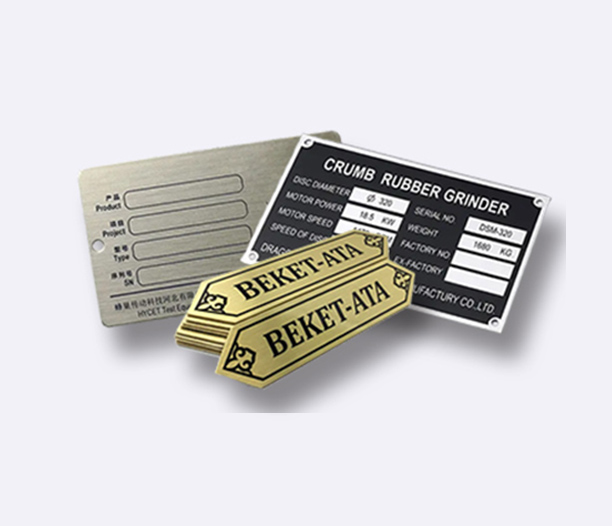
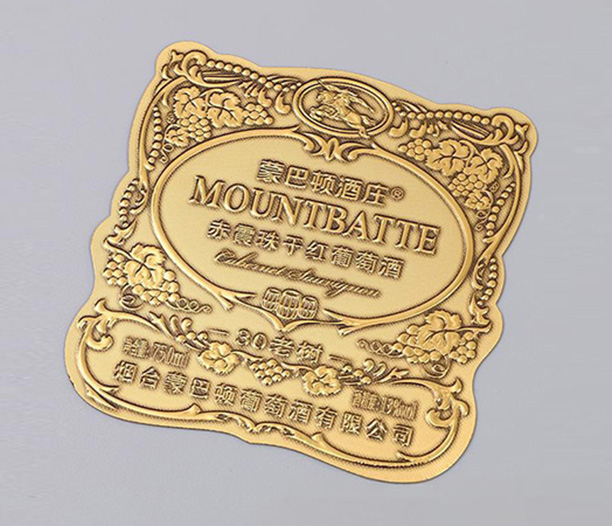
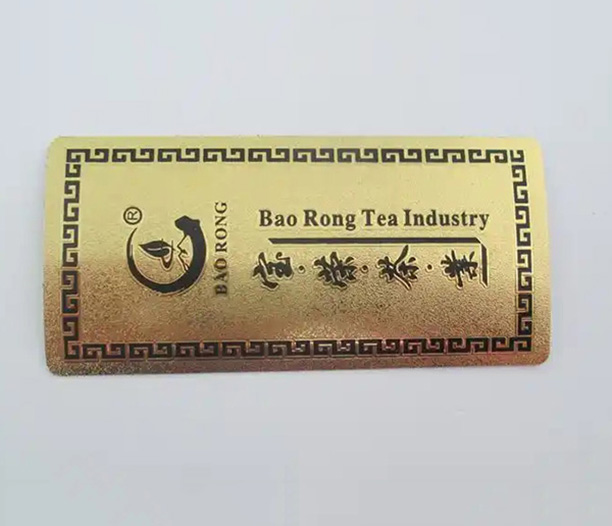
When it comes to branding, safety, and product identification, nameplates play a pivotal role across industries. Whether you're in automotive, aerospace, electronics, or machinery, the quality of your nameplates can impact everything from customer perception to regulatory compliance. That's why selecting the right nameplate manufacturers is more than just a procurement task—it's a strategic decision. In this article, we'll dive into the essential aspects you need to evaluate to ensure you partner with a manufacturer that delivers durability, precision, and value. We'll cover everything from materials and processes to cost and supplier reliability, helping you navigate the often-overlooked details that make a big difference.
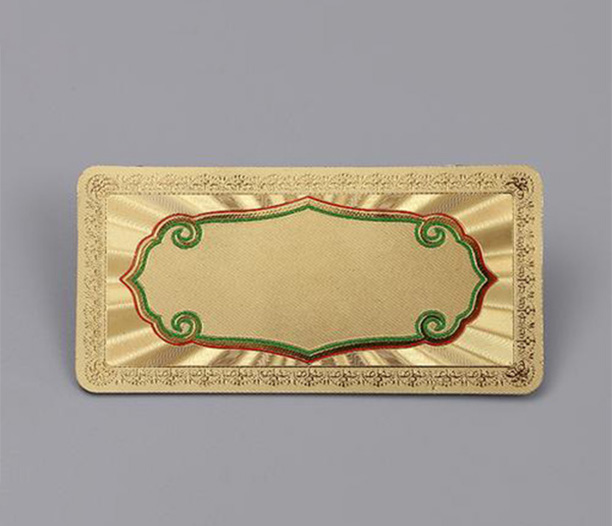
What Are Nameplate Manufacturers and Why Do They Matter?
Nameplate manufacturers specialize in producing labels, plates, or tags that display critical information like brand names, serial numbers, safety warnings, or instructional details. These components might seem small, but they serve vital functions: enhancing brand visibility, ensuring safety compliance, and providing long-lasting identification in harsh environments. From metal nameplates on industrial equipment to plastic tags on consumer electronics, these items must withstand factors like UV exposure, moisture, and abrasion. As such, working with experienced nameplate manufacturers ensures that your products meet industry standards and maintain their appearance over time. The expertise of these manufacturers lies in combining artistry with engineering, using advanced technologies to create custom solutions tailored to your needs.
Types of Nameplates and Their Applications
Before diving into the selection process, it's helpful to understand the common types of nameplates and where they're used. This knowledge will guide your discussions with potential nameplate manufacturers.
Metal Nameplates: Often made from aluminum, stainless steel, or brass, these are prized for their durability and resistance to corrosion. They're commonly used in automotive, military, and outdoor equipment where exposure to extreme conditions is a concern.
Plastic Nameplates: Lightweight and cost-effective, plastic variants like polycarbonate or ABS are ideal for consumer electronics, medical devices, and appliances. They can be easily molded into various shapes and colors.
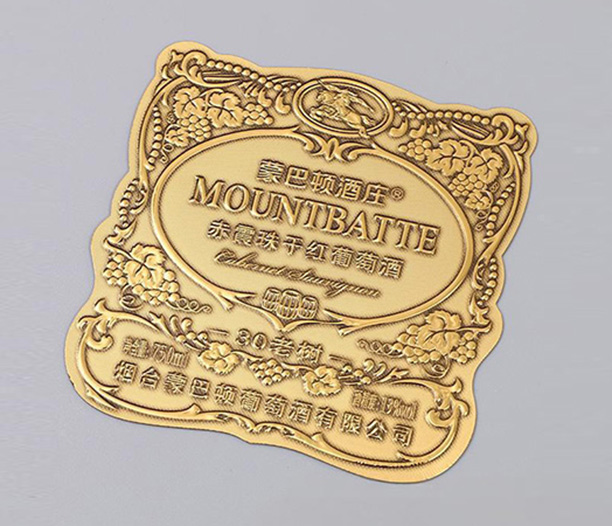
Doming and Embossed Nameplates: These add a tactile, 3D effect for enhanced aesthetics and readability. Domed nameplates, for instance, involve a resin coating that provides a glossy, raised surface, perfect for luxury goods or high-end machinery.
Photopolymer Nameplates: Using light-sensitive materials, these offer high-resolution graphics and fine details. They're popular in industries requiring intricate designs, such as aerospace or precision instruments.
Each type serves distinct applications, so clarifying your requirements early on will help you collaborate effectively with nameplate manufacturers to achieve the best results.
Key Factors to Evaluate When Choosing Nameplate Manufacturers
Selecting the right partner among nameplate manufacturers involves more than just comparing prices. Here are seven critical factors to weigh in your decision-making process.
Experience and Industry Expertise
Look for manufacturers with a proven track record in your specific sector. For example, if you're in the medical field, you'll need nameplate manufacturers familiar with FDA regulations and sterile environments. Experienced providers can offer insights into material selection, design optimization, and compliance, reducing the risk of errors.
Material Quality and Durability
The longevity of your nameplates depends heavily on the materials used. Discuss options like anodized aluminum for outdoor use or chemical-resistant polymers for industrial settings. Reputable nameplate manufacturers will provide material samples and certifications to ensure they meet standards like ISO or UL listings.
Customization Capabilities
Your nameplates should reflect your brand's unique identity. Evaluate whether the manufacturer offers flexible design services, including color matching, custom shapes, and various finishing techniques like etching or screen printing. A good partner will work with you from concept to production, ensuring the final product aligns with your vision.
Technology and Manufacturing Processes
Advanced techniques such as laser etching, digital printing, and CNC machining can enhance precision and efficiency. Inquire about the equipment used by nameplate manufacturers—for instance, modern UV printers allow for vibrant graphics that resist fading. This is especially important for high-volume orders where consistency is key.
Turnaround Time and Scalability
Timely delivery is crucial in today's fast-paced markets. Ask about lead times and the manufacturer's capacity to handle rush orders or scale up production as your business grows. Reliable nameplate manufacturers often have streamlined processes to minimize delays without compromising quality.
Cost and Value Proposition
While budget is a consideration, the cheapest option isn't always the best. Request detailed quotes that break down costs for materials, tooling, and labor. Remember, investing in quality nameplate manufacturers can save money long-term by reducing replacements and warranty claims.
Customer Support and Communication
A responsive manufacturer who listens to your needs can make the entire process smoother. Check for testimonials or case studies that highlight their commitment to customer service. From initial inquiries to post-sale support, strong communication ensures your project stays on track.
The Manufacturing Process: A Look at Technology and Craftsmanship
Understanding how nameplate manufacturers produce these components can help you appreciate the value they bring. The process typically involves several stages:
Design and Prototyping: It starts with digital designs using software like CAD, followed by prototype creation for client approval. This phase allows for adjustments in graphics, size, or material.
Material Preparation: Sheets of metal or plastic are cut to size, cleaned, and treated to ensure adhesion for inks or coatings.
Printing and Etching: Techniques like screen printing, digital printing, or chemical etching are applied to add text and images. For instance, etching creates permanent marks by removing layers of material, ideal for high-wear applications.
Finishing and Coating: Protective coatings, such as clear lacquers or doming resins, are added to enhance durability and appearance. This step also includes processes like anodizing for metal nameplates to improve corrosion resistance.
Quality Control and Packaging: Each batch undergoes inspections for defects, color accuracy, and dimensional accuracy. Once approved, nameplates are packaged to prevent damage during shipping.
By leveraging state-of-the-art technology, skilled nameplate manufacturers ensure that every product meets strict quality benchmarks, whether for small custom runs or large-scale production.
Cost Considerations for Nameplate Production
Budgeting for nameplates involves more than just the per-unit price. Factors that influence cost include:
Material Type: Metals like stainless steel are generally more expensive than plastics but offer greater durability.
Complexity of Design: Intricate logos or multi-color graphics may require additional setup and labor, increasing costs.
Order Volume: Higher quantities often reduce the per-piece cost due to economies of scale. However, low-volume orders might involve higher tooling fees.
Additional Services: Services like design assistance, rush production, or special packaging can add to the total.
When discussing pricing with nameplate manufacturers, be transparent about your budget and requirements. Many offer tiered pricing models, so you can balance cost with quality based on your needs.
How to Find Reliable Nameplate Manufacturers
Sourcing trustworthy nameplate manufacturers involves research and due diligence. Start by:
Online Directories and Industry Networks: Platforms like Thomasnet or industry-specific forums list vetted suppliers with reviews and certifications.
Referrals and Word-of-Mouth: Ask colleagues in your network for recommendations based on their experiences.
Trade Shows and Exhibitions: Events focused on manufacturing or your industry often feature booths from leading nameplate manufacturers, allowing for face-to-face discussions.
Request for Proposals (RFPs): Send detailed RFPs to multiple candidates, comparing their responses on factors like capability, cost, and timeline.
Always verify credentials, such as ISO certifications, and request samples to assess quality firsthand. Building a long-term relationship with a dependable manufacturer can streamline your supply chain and enhance product consistency.
Choosing the right nameplate manufacturers is a multifaceted process that demands attention to detail. By focusing on experience, material quality, customization, technology, timing, cost, and communication, you can secure a partner who delivers nameplates that not only look great but also stand the test of time. Whether you're launching a new product or upgrading existing equipment, investing in high-quality nameplates is an investment in your brand's integrity and safety. Remember, the best manufacturers will work with you as a collaborative ally, ensuring your vision becomes a reality.
Frequently Asked Questions (FAQ)
Q1: What materials are commonly used by nameplate manufacturers for outdoor applications?
A1: For outdoor use, nameplate manufacturers often recommend materials like aluminum with anodized finishes, stainless steel, or durable plastics such as polycarbonate. These options resist UV radiation, moisture, and temperature fluctuations, ensuring long-term readability and appearance.
Q2: How long does it typically take to receive an order from nameplate manufacturers?
A2: Lead times can vary based on order complexity and volume. Standard orders might take 2 to 6 weeks, while rush services could reduce this to 1-2 weeks. It's best to discuss timelines upfront with your chosen nameplate manufacturers to align with your project schedule.
Q3: Can nameplate manufacturers handle small custom orders, or do they focus on large production runs?
A3: Many nameplate manufacturers accommodate both small and large orders, offering flexibility for prototypes or niche projects. However, smaller runs might have higher per-unit costs due to setup fees, so it's advisable to inquire about minimum order quantities and pricing tiers.
Q4: What quality assurance measures do nameplate manufacturers typically implement?
A4: Reputable nameplate manufacturers employ rigorous quality control processes, including visual inspections, dimensional checks, and durability testing (e.g., adhesion, scratch resistance). They may also adhere to standards like ISO 9001 to ensure consistent output and customer satisfaction.
Q5: How can I ensure the design I provide to nameplate manufacturers will translate well to the final product?
A5: To ensure accuracy, provide high-resolution vector files (e.g., AI or EPS formats) and specify colors using Pantone codes. Most nameplate manufacturers offer design review services and can create prototypes for approval, allowing you to verify details like size, font, and material finish before full production.
Note: This article aims to provide general guidance on working with nameplate manufacturers. For specific projects, always consult directly with professionals to address unique requirements and standards.