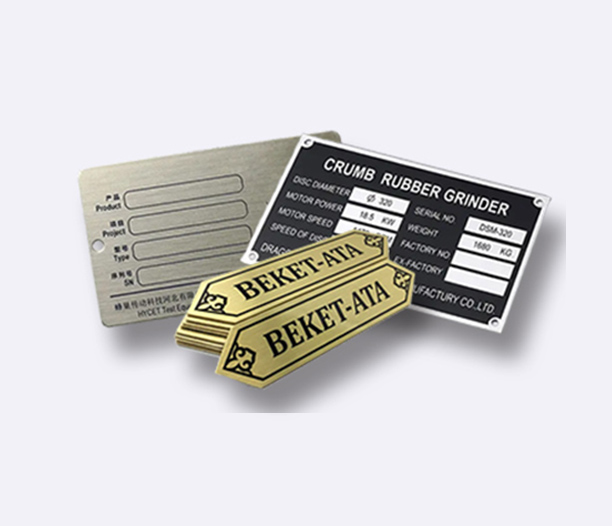
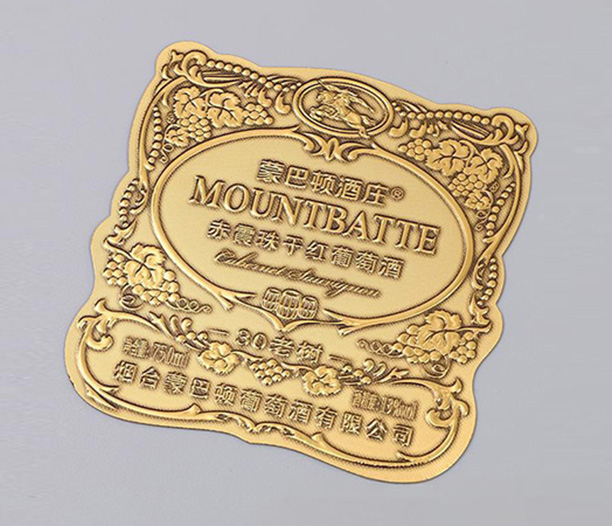
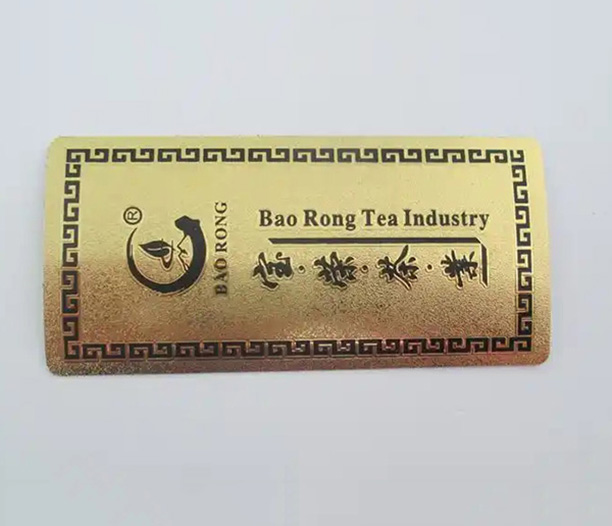
Keeping track of equipment, tools, and inventory is a core task for any business. Lost assets mean lost money and wasted time. The solution often lies in a simple, durable identification method. For many industries, from manufacturing to IT, the preferred choice is aluminium asset tags. They offer a reliable way to mark your property permanently.
Why are these tags so popular? Aluminium provides a unique combination of strength, light weight, and resistance to the elements. Unlike paper labels that fade or plastic tags that become brittle, aluminium stands up to real-world conditions. It ensures that barcodes, serial numbers, and company logos remain readable for the long haul.
This article outlines seven distinct advantages of choosing aluminium for your asset identification needs. We will look at its physical properties, customization options, and overall value. Whether you run a small workshop or a large facility, understanding these benefits will help you make an informed choice. Let's explore why aluminium asset tags are a smart investment for better organization.
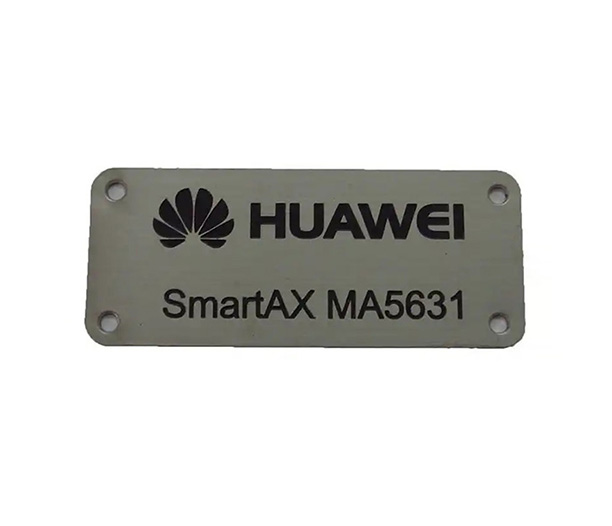
1. Exceptional Durability in Harsh Conditions
The primary job of any asset tag is to last. It must survive the environment it lives in. Aluminium naturally resists rust and corrosion, which is a major advantage over steel in damp or outdoor settings. This makes it ideal for many applications.
Consider where your assets might go:
Outdoor equipment exposed to rain, snow, and sun.
Warehouses with temperature shifts and dust.
Marine environments with constant salt spray.
Chemical plants where fumes might damage other materials.
In all these cases, an aluminium tag maintains its integrity. It won't crack in the cold or warp in the heat. The information stays put.
Resistance to Chemicals and UV Light
Many industrial settings involve oils, solvents, and cleaning agents. Aluminium stands up to these chemicals without degrading. Additionally, prolonged exposure to sunlight won't cause the tag to become brittle or its color to fade significantly. This UV resistance is critical for long-term outdoor use, ensuring that your aluminium asset tags remain identifiable for years.
2. Lightweight Design for Versatile Applications
Weight might seem like a minor detail, but it can be crucial. Aluminium is very light, about one-third the weight of steel. This means it can be attached to a wider variety of items without causing imbalance or stress.
You can safely attach these tags to:
Small handheld tools and power tools.
Delicate electronic equipment and lab devices.
Lightweight inventory items and components.
Aircraft and aerospace parts where weight is critical.
The low weight also reduces shipping costs if tags are mailed to different sites. It makes handling and installation easier for staff, too.
3. Cost-Effectiveness for Large-Scale Tracking
When you need to tag hundreds or thousands of items, cost becomes a major factor. Aluminium offers an excellent balance of performance and price. It is more affordable than stainless steel or brass but provides similar durability for most applications.
The long lifespan of aluminium adds to the cost savings. You won't need to replace faded or broken tags frequently. This reduces the total cost of ownership over time. For budget-conscious operations, aluminium asset tags provide a premium solution without the premium price tag.
4. Extensive Customization and Marking Options
A blank tag isn't very useful. You need to put your specific information on it. Aluminium is a fantastic material for marking because it accepts a wide range of technologies. This flexibility allows you to create the exact tag you need.
Popular Marking Methods for Aluminium
Depending on your needs for durability and detail, you can choose from several processes:
Laser Etching: Creates a precise, high-contrast, permanent mark. Ideal for small text, complex logos, and 2D barcodes like QR codes.
Digital Printing: Perfect for colorful graphics, variable data, and photographic images on a coated aluminium surface.
Screen Printing: A durable and vibrant option for large runs of tags with simple, bold designs.
Embossing or Stamping: Physically deforms the metal to create raised or indented characters, extremely resistant to abrasion.
Chemical Etching: Uses acid to carve the design into the metal for a very permanent, detailed finish.
This range of options means you can include barcodes, serial numbers, company names, safety warnings, and more, exactly as you envision them on your aluminium asset tags.
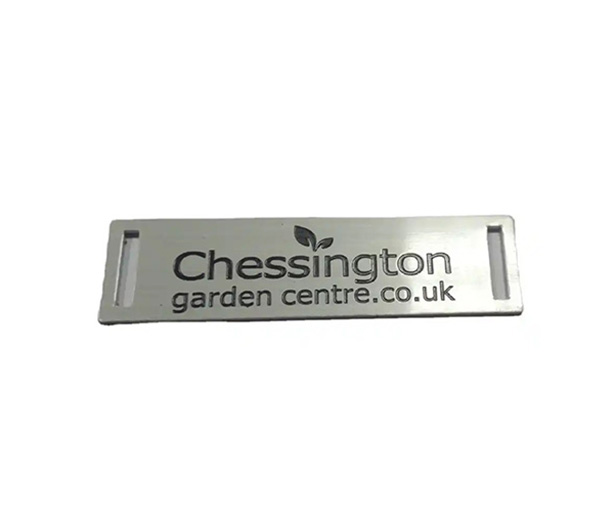
5. Readability for Barcode and QR Code Scanning
Modern asset tracking relies on fast, accurate data capture. Barcodes and QR codes need to be scanned quickly, even if the tag is a bit dirty or worn. The surface of aluminium provides an excellent contrast for printed or etched codes.
Laser etching on aluminium creates a very sharp, durable black mark against the silver metal. This high contrast ensures that scanners can read the code easily from various angles and distances. This reliability speeds up inventory counts, check-ins, and maintenance tracking, making your whole operation more efficient.
6. Wide Range of Industry Applications
The versatility of aluminium means its tags are used across almost every sector. Their properties solve identification problems in many different contexts. You will find them hard at work in places you might not expect.
Common Uses Across Different Fields
IT and Data Centers: Tracking servers, racks, and networking equipment.
Manufacturing: Identifying machinery, tools, and finished goods.
Property Management: Marking keys, locks, and fixed assets in buildings.
Utilities: Tagging meters, transformers, and poles for grid management.
Aerospace and Defense: Meeting strict UID (Unique Identification) requirements with durable, compliant tags.
Rental and Event Companies: Tracking furniture, AV equipment, and party supplies.
No matter the industry, the need for reliable identification remains constant. aluminium asset tags provide a universal solution that adapts to the specific demands of each field.
7. Recyclability and Environmental Friendliness
Sustainability is a growing concern for businesses. Aluminium is one of the most recyclable materials on the planet. When tags eventually reach the end of their very long life, the aluminium can be recycled repeatedly without losing its properties.
Choosing aluminium can be part of your company's broader environmental, social, and governance (ESG) goals. It's a responsible choice that reduces waste compared to single-use plastic tags that may end up in landfills. This adds an extra layer of value to a product already chosen for its practicality and durability
Selecting the right asset tag is a small decision with big consequences. The tag must perform its simple job—providing clear identification—without fail for a long time. Aluminium meets this challenge perfectly. It combines rugged durability with a lightweight form and accepts a vast array of marking technologies for clear data capture. From the factory floor to the data center, these tags provide a reliable foundation for efficient asset management. For a cost-effective, long-lasting, and versatile solution, consider implementing aluminium asset tags in your tracking system.
Frequently Asked Questions (FAQ)
Q1: Are aluminium asset tags suitable for outdoor use in all weather conditions?
A1: Yes, they are excellent for outdoor use. Aluminium naturally resists rust and corrosion caused by rain, snow, and humidity. Its resistance to UV radiation also prevents the tag from becoming brittle or fading in direct sunlight, making it a top choice for long-term outdoor applications.
Q2: Can I put a custom logo and barcode on these tags?
A2: Absolutely. Aluminium tags are highly customizable. You can have your company logo, sequential serial numbers, text, and high-resolution barcodes (like QR codes or Data Matrix codes) applied through methods like laser etching, digital printing, or screen printing to meet your exact needs.
Q3: How are aluminium asset tags attached to equipment?
A3: There are several attachment options. Common methods include industrial-strength adhesive backing for smooth surfaces, holes for rivets or screws for a permanent fix, and slots for heavy-duty cable ties or stainless steel straps, which are perfect for pipes and oddly shaped items.
Q4: What is the minimum order quantity for custom aluminium tags?
A4: Minimum order quantities can vary depending on the complexity of the customization. For simple designs using standard sizes, you might be able to order a small batch for testing. For fully custom shapes, colors, or complex production processes like chemical etching, minimums often start around 1,000 pieces, but it is best to check with the supplier.
Q5: Will the barcode on an aluminium tag still scan if the tag gets scratched?
A5: The readability depends on the marking method. A laser-etched barcode is extremely durable because the mark is made by altering the metal itself. Even if the surface is scratched, the contrast often remains sufficient for scanners to read it. Printed barcodes are durable but may be more susceptible to damage from deep abrasion.
Q6: Can aluminium tags be used in high-temperature environments?
A6: Yes, aluminium has a high melting point and performs well in elevated temperatures, much better than plastic. However, for extreme, continuous high heat (like inside a furnace or engine compartment), specialized high-temperature alloys might be required, so it's important to check the specific temperature range of your application.