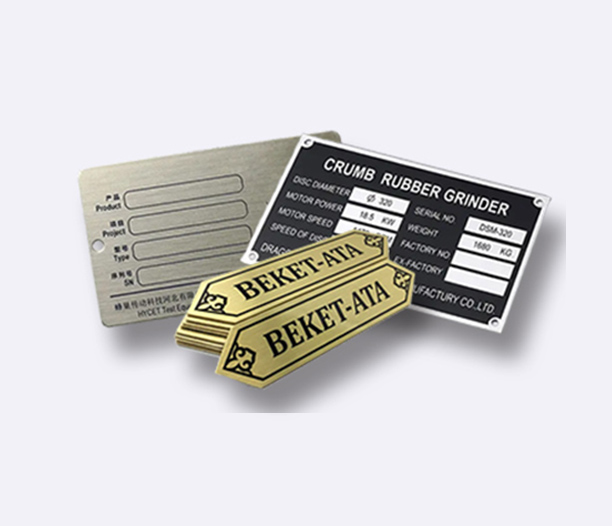
Durable Equipment Tags Metal for Industrial Organization & Asset Tracking
In any industrial setting, from sprawling manufacturing plants to compact workshops, keeping track of assets is a fundamental challenge. Lost tools, unmarked machinery, and unidentified pipes can lead to inefficiency, safety hazards, and costly downtime. This is where the simple yet powerful solution of using robust equipment tags metal becomes indispensable. They provide a permanent, reliable method for identification that withstands harsh conditions.
Choosing the right identification method is critical. Paper labels or plastic tags often fail when exposed to oil, extreme temperatures, or physical abrasion. For a long-term solution, you need a tag that becomes a permanent part of the asset. High-quality equipment tags metal are engineered to last, ensuring your crucial data—like barcodes, serial numbers, and safety warnings—remains legible for the life of the equipment.
This article explores the world of metal identification tags. We will look at the different materials available, their common applications, and how to choose the perfect tag for your specific needs. Whether you are managing a fleet of vehicles, maintaining a factory floor, or organizing a warehouse, the right tag makes all the difference. Let's examine why investing in durable equipment tags metal is a smart move for any business.
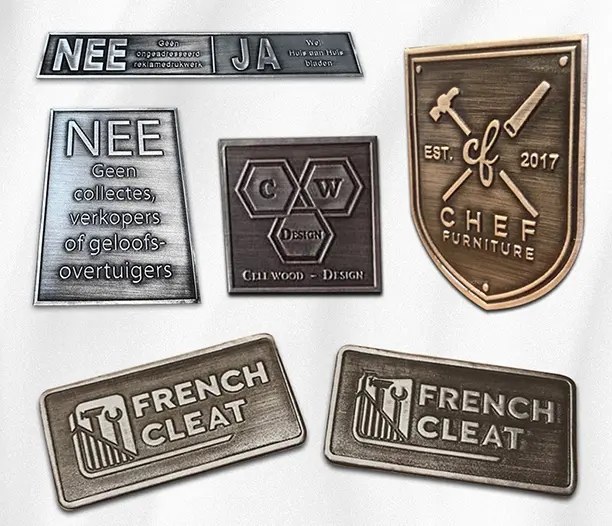
Why Choose Metal for Your Equipment Tags?
The primary reason to select equipment tags metal over other materials is durability. Industrial environments are tough. Tags face constant challenges from weather, chemicals, and physical impact. Metal stands up to these challenges like no other material can.
Plastic can become brittle in cold weather or melt near hot machinery. Paper is destroyed by moisture and oil. Metal tags, however, are designed to resist:
Extreme Temperatures: From freezing cold storage to high-heat manufacturing.
Corrosive Chemicals: Oils, solvents, and cleaning agents won't degrade the tag.
Abrasion and Impact: They can withstand bumps, scrapes, and heavy use without fading or breaking.
UV Radiation: Sunlight won't cause the tag or the marking to deteriorate.
Ensuring Safety and Compliance
Safety is paramount in any facility. Clear, permanent identification is often a requirement for regulatory compliance. Using equipment tags metal for safety signs, valve tags, and inspection labels ensures that critical information is always visible and legible, helping to prevent accidents and maintain a safe working environment. This simple step can be a key part of your overall safety protocol.
Common Types of Metal Used for Equipment Tags
Not all metal tags are created equal. The best material for your tag depends entirely on where and how it will be used. Here’s a breakdown of the most popular options for equipment tags metal.
Stainless Steel Tags
Stainless steel is the premium choice for the harshest environments. It offers exceptional resistance to corrosion, heat, and chemicals. You'll often find stainless steel tags used in:
Chemical processing plants.
Offshore oil rigs and marine applications.
High-temperature manufacturing.
Food and beverage processing where sanitation is critical.
Aluminum Tags
Aluminum provides an excellent balance of durability, lightweight design, and cost-effectiveness. It naturally resists corrosion and is very easy to customize through stamping or printing. Common uses include:
Asset tracking in warehouses and distribution centers.
Utility and infrastructure identification.
General manufacturing and shop floor organization.
Barcode labels for inventory management.
Brass Tags
Brass offers a classic look along with natural corrosion resistance and non-sparking properties. This makes it an ideal choice for specific applications, such as:
Valve tags in fire protection systems.
Identification in hazardous or explosive environments (due to non-sparking).
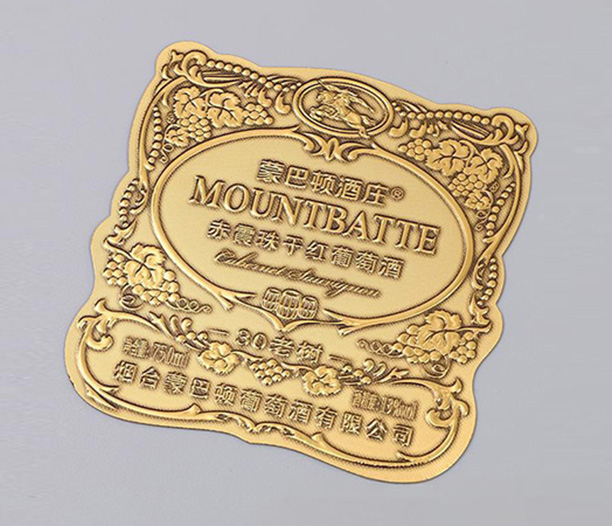
Decorative nameplates where appearance matters.
Key Applications Across Industries
The versatility of metal tags means they are used across a huge range of sectors. Anywhere you find equipment that needs to last, you will find equipment tags metal hard at work.
Manufacturing and Warehousing
In these settings, tags are essential for keeping operations running smoothly. They identify machinery for maintenance schedules, mark storage locations, and track tools and assets. Barcoded metal tags are particularly common here, allowing for quick and accurate data capture with scanners. This streamlines inventory control and reduces human error.
Oil, Gas, and Chemical Industries
These industries present some of the most demanding conditions. Tags must resist corrosive substances, extreme weather, and potential explosions. equipment tags metal used here are typically made from stainless steel or other high-grade alloys. They are used for pipe marking, valve identification, and safety warnings that must remain readable for decades.
Transportation and Logistics
From shipping containers to fleet vehicles, durable identification is a must. Metal tags can be permanently affixed to trailers, trucks, and railcars. They provide a reliable way to track assets as they move across the country or around the world, resisting road salt, weather, and the wear and tear of constant travel.
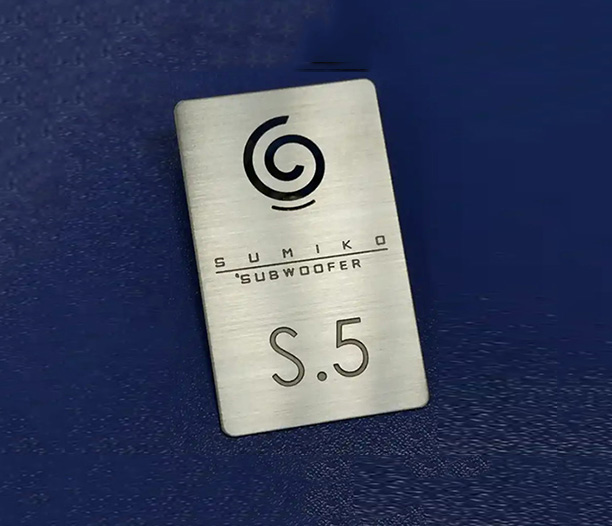
Customization and Marking Methods
A blank tag is not very useful. The information on the tag is what gives it value. Fortunately, equipment tags metal can be customized in several permanent ways.
Embossing and Stamping
This is a classic method where characters are physically pressed into the metal. It creates a raised or indented mark that is extremely durable and doesn't require ink. Stamped tags are ideal for applications where the tag will be subjected to heavy abrasion, as the information is part of the metal itself.
Laser Marking and Etching
Laser technology provides high precision and speed. It can produce very fine details, including barcodes, logos, and small text. Laser etching creates a permanent, high-contrast mark without using chemicals or inks. This is a popular choice for modern asset tracking where complex data like 2D barcodes (QR codes) are needed on equipment tags metal.
Digital Printing
For tags that require variable data, colors, or complex graphics, digital printing onto specially coated metal is an excellent option. While the printed layer is durable, it might not be as abrasion-resistant as stamped or laser-etched marks. It's perfect for indoor use or applications where visual appeal and detailed information are priorities.
Installation and Attachment Options
How you attach the tag to your equipment is just as important as the tag itself. The wrong attachment method can lead to lost tags. Here are common ways to secure your equipment tags metal.
Holes for Rivets or Screws: This provides a very secure, permanent attachment. It's ideal for tags that should never be removed.
Self-Adhesive Backing: Many metal tags come with a heavy-duty industrial adhesive. This is quick and easy to apply to smooth, clean surfaces.
Cable Ties and Straps: Perfect for pipes, cables, and oddly shaped items where drilling holes isn't feasible. Stainless steel straps offer the most durability.
Magnets: Useful for temporary identification on ferrous metal surfaces, allowing tags to be moved or repositioned as needed.
Selecting the correct attachment ensures your identification stays in place, providing reliable data for years to come. Remember, the goal is a permanent solution, so choose a method that matches the equipment's environment and mobility.
Conclusion
Investing in high-quality identification is a foundational step for efficient and safe operations. While the upfront cost of metal might be slightly higher than paper or plastic, the long-term value is undeniable. You eliminate the recurring cost and labor of replacing faded or broken tags. You improve safety with clear, permanent warnings. You enhance productivity with reliable asset tracking. For a permanent, trouble-free solution, the choice is clear. Implementing durable equipment tags metal across your facility is an investment in organization, safety, and efficiency that pays for itself many times over.
Frequently Asked Questions (FAQ)
Q1: What makes metal tags better than plastic or paper tags for equipment?
A1: The main advantage is durability. Equipment tags metal are designed to withstand harsh conditions that destroy other materials. They resist extreme temperatures, chemicals, moisture, UV light, and physical abrasion, ensuring the information remains legible for the life of the equipment, which reduces replacement costs and improves safety.
Q2: Can I get custom information printed or stamped on metal tags?
A2: Yes, absolutely. Metal tags are highly customizable. You can have them embossed, stamped, laser etched, or digitally printed with serial numbers, barcodes, company logos, warning messages, and any other critical data. The method you choose depends on the level of durability and detail you need.
Q3: How do I attach a metal tag to my equipment if I can't drill holes?
A3: There are several non-drilling attachment options. Many metal tags come with a strong industrial adhesive backing for smooth surfaces. For pipes or cables, you can use heavy-duty cable ties, stainless steel straps, or specialized snap-around tags that don't require any tools or holes for installation.
Q4: Which type of metal is best for outdoor use in a coastal environment?
A4: For coastal environments with high exposure to salt and moisture, stainless steel is typically the best choice due to its superior corrosion resistance. Marine-grade aluminum is also a good option. These materials will resist the corrosive effects of saltwater and humidity far better than standard steel or other metals.
Q5: Will the barcodes on metal tags still work if the tag gets dirty or greasy?
A5: Yes, one of the benefits of metal tags is their readability in tough conditions. The high contrast achieved through laser etching or printing on metal means barcodes can often be scanned even if the tag's surface is slightly dirty or oily. A quick wipe is usually all that's needed to restore full readability.