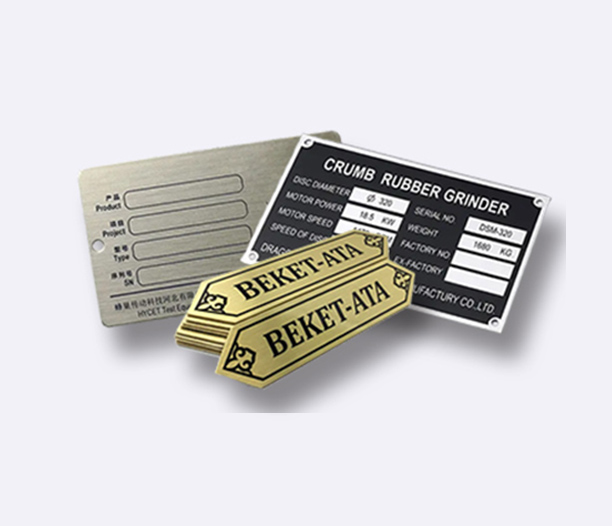
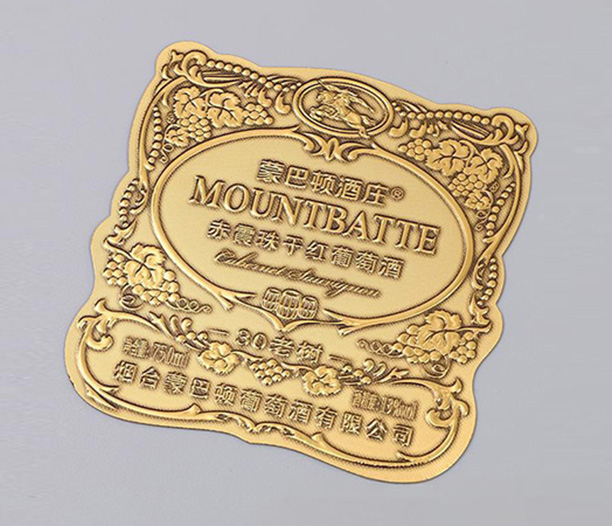
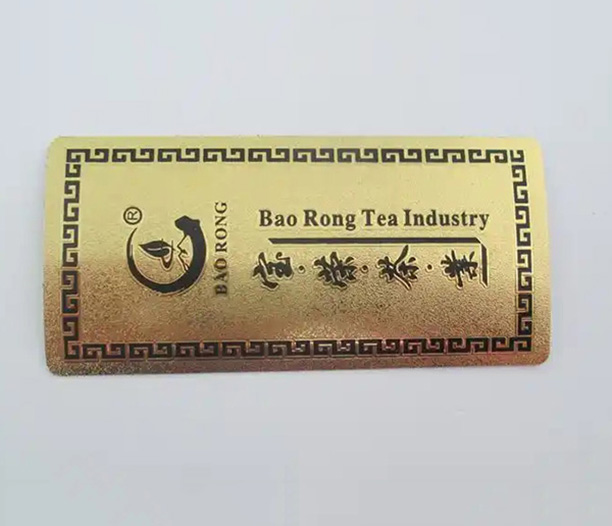
In a crowded market, touch is the last great frontier. Customers see thousands of logos and packages every day. But how many do they actually feel?
This is where custom embossed labels change the game. They add a physical, tactile dimension that flat printing simply cannot match. It’s a silent but powerful communicator of quality, care, and attention to detail.
If you're weighing packaging options, here are the concrete reasons why custom embossed labels should be a top consideration for your product line.
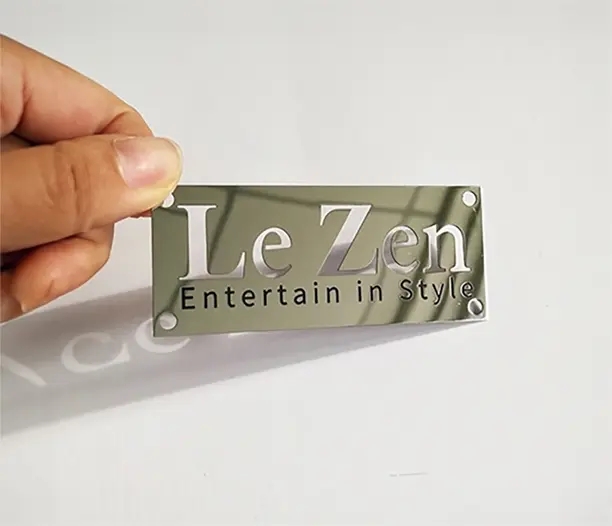
What Exactly Are Custom Embossed Labels?
Let's start with the basics. Embossing is a printing technique that creates a raised, three-dimensional effect on paper, foil, or plastic.
A custom embossed label isn't just a sticker. It's a texture. The process uses a metal die and a counter-die, pressed together with the label material in between. This pushes the design upward, creating that distinctive raised feel.
The "custom" part means every element—the shape of the raise, the depth, the area it covers—is tailored to your specific design. This isn't a one-size-fits-all solution. It's a deliberate design choice.
The #1 Benefit: Unmatched Perceived Value
Your packaging sets the first price of admission in a customer's mind. A custom embossed label instantly signals that the product inside is special.
The tactile experience creates a subconscious link to luxury and craftsmanship. When a customer runs their finger over the raised lettering of your logo, they aren't just seeing your brand. They are feeling it. This physical interaction makes the product feel more substantial and valuable.
In a side-by-side comparison, the product with the embossed labeling will consistently win on perceived quality. It makes your item feel like a considered purchase, not just a commodity.
Creating a Memorable Brand Experience
Branding is about creating lasting memories. Visuals are processed quickly, but a tactile surprise lasts longer.
Think about high-end spirits or cosmetics. The raised crest on a bottle or the textured logo on a lipstick case isn't an accident. It’s a designed moment of interaction. Custom embossed labels create that same moment for your product.
This memorable touchpoint increases brand recognition. People might forget a color, but they remember how something felt in their hands. It turns your label from passive information into an active part of the user experience.
Standing Out on the Shelf (or Screen)
In physical retail, shelf competition is brutal. A label with depth catches light differently. It creates shadows and highlights that make your product pop among flat, glossy neighbors.
For e-commerce, this is even more critical. Product photography that showcases a custom embossed label tells a powerful story. Close-up shots highlighting the texture communicate quality before the box is even opened. It gives online shoppers a better sense of the physical product they'll receive, reducing purchase anxiety.
Versatility Across Industries
A common myth is that embossed labeling is only for luxury goods. That's not true. Its application is about communicating a specific brand message.
- Food & Beverage: Artisan jam jars, craft beer bottles, premium olive oils. Embossing communicates small-batch, handcrafted quality.
- Beauty & Skincare: Cream jars, serum bottles, soap packaging. It elevates the ritual of self-care.
- Wine & Spirits: Bottle labels for neck and front. It’s a classic use that speaks to heritage and sophistication.
- Specialty Goods: Small-batch candles, leather goods, high-end electronics. It adds a signature touch to the unboxing.
The technique works anywhere a brand wants to signal care and superior quality.
Design Considerations for Maximum Impact
To get the most from custom embossed labels, design with the technique in mind.
Keep it Simple. Intricate, tiny details may not emboss cleanly. Bold logos, strong typography, and clear borders often work best. The goal is recognizable texture, not photographic detail.
Combine with Other Techniques. Embossing often shines when paired with other methods. Foil stamping on an embossed area (called "combination stamping") is incredibly effective. A debossed (pressed-in) background with a flat, printed foreground also creates stunning depth.
Understand Substrate Choice. The material matters. Thicker paper stocks, like linen or cotton, hold a deep, crisp emboss beautifully. Even certain plastic films can be embossed for a modern look. Your label provider can guide you on the best material for your design and budget.
The Practical Side: Cost and Process
Let's address the practicalities. Custom embossed labels typically have a higher upfront cost than standard digital prints. This is due to the creation of the custom brass dies used in the pressing process.
However, this is a classic "value vs. cost" scenario. The cost per unit often decreases significantly with larger quantities. More importantly, the return on investment comes from the enhanced brand perception and the ability to command a higher price point.
The process requires collaboration. You’ll work with a designer to finalize the artwork and a converter or printer to create the die and run the production. Choosing a supplier with specific expertise in custom embossed labels is crucial for a smooth outcome.
Are They Right for Your Product?
Ask yourself these questions:
- Is my brand positioned on quality and craftsmanship?
- Am I in a competitive space where shelf standout is vital?
- Does my price point support an investment in premium packaging?
- Is the unboxing or first-touch experience important to my customer journey?
If you answered yes, then custom embossed labels are a strategic investment worth serious exploration. They are a tangible declaration of your brand's standards.
Frequently Asked Questions (FAQs)
Q1: Are custom embossed labels durable? Will the raised area flatten over time?
A1: A properly manufactured custom embossed label is very durable. The process physically reforms the label material. Under normal handling and storage conditions, the embossed area will not flatten out. The durability is comparable to a standard high-quality paper label.
Q2: Can I use embossing on any shape or size of label?
A2: Technically, yes. The embossing die is custom-made to your label's shape and design. However, extremely small labels or those with very complex, thin raised lines can present a production challenge. Discussing your specific design with your printer early is key.
Q3: Is it possible to have color on an embossed label?
A3: Absolutely. There are two main approaches. First, you can print the label in full color first, then run it through the embossing press to add the raised texture. Second, you can use colored foil stamping in the embossed areas for a metallic, colored raised effect.
Q4: What's the difference between embossed and debossed labels?
A4: Embossing raises the design up from the surface. Debossing presses the design down into the material, creating an indented texture. Both add a strong tactile element. The choice depends on the aesthetic you want—a prominent raised feature or a more subtle, recessed impression.
Q5: How long does it take to produce custom embossed labels compared to standard labels?
A5: Production time is longer. The creation of the brass embossing die adds an extra step to the pre-press process. Once the die is made, the actual printing and embossing run takes additional time. You should plan for a longer lead time—often several weeks—compared to a simple digital print job. Always confirm timelines with your supplier.