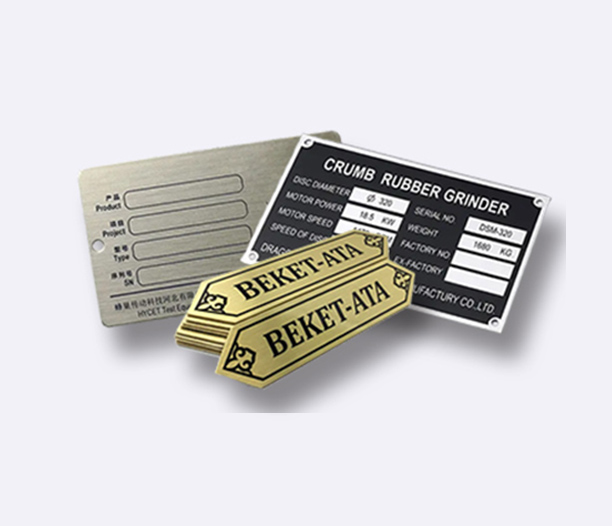
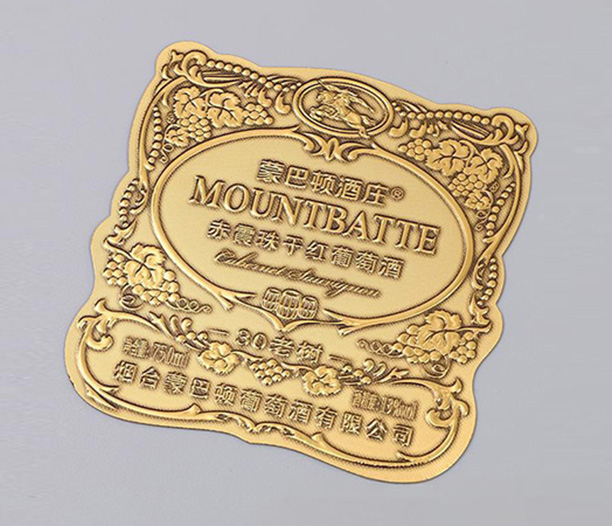
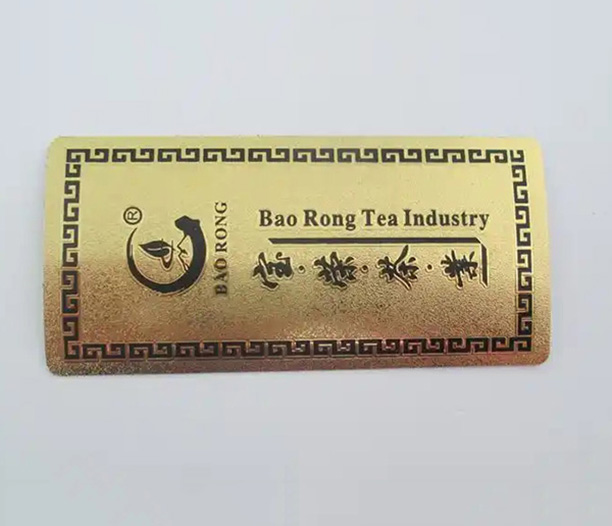
If you're in the market for identification tags, labels, or signage, you've likely found yourself searching for information on steel name plate price. It's a common starting point. The cost isn't just a single number; it's the result of several intersecting factors. This article breaks down everything that influences the final steel name plate price, helping you make an informed purchase without surprises.
Knowing what goes into the pricing helps you budget accurately and communicate effectively with suppliers. It ensures you get a product that meets your needs for durability, legibility, and professional appearance at a fair cost.
What Exactly is a Steel Name Plate?
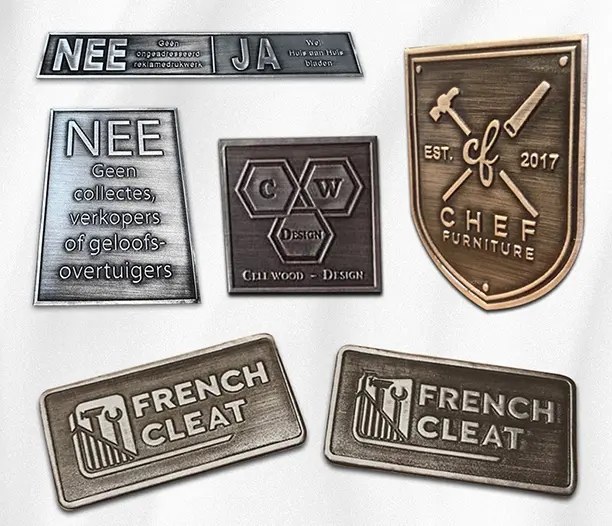
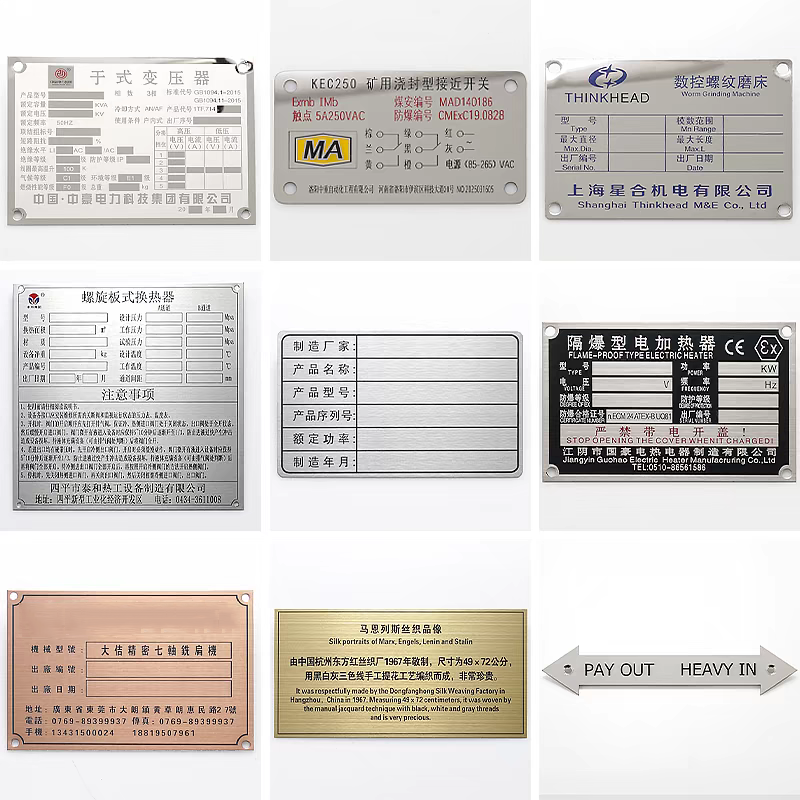
A steel name plate is a durable metal tag used for identification, branding, or providing information. You see them on machinery, equipment, tools, architectural elements, and memorials. They are prized for their strength, resistance to corrosion (especially stainless steel), and professional finish.
The core function is to convey information permanently. Given their industrial and commercial use, the price of a steel name plate reflects its longevity. It's not a disposable item. When evaluating steel name plate price, you're investing in a product designed to last for years, often in tough environments.
Key Factors Directly Affecting Steel Name Plate Price
The final steel name plate price you receive from a manufacturer or supplier is a sum of its parts, both literally and figuratively. Here are the primary cost drivers.
The type of steel is the biggest factor. Mild steel is generally the most economical option. Stainless steel, particularly grades like 304 or 316, commands a higher steel name plate price due to its superior corrosion resistance and material cost. The thickness, or gauge, of the metal also plays a role. Thicker plates use more material and may require more processing power.
Size is straightforward. Larger plates consume more raw material. Even a small increase in dimensions can raise the steel name plate price. Standard sizes are often more cost-effective than custom, odd-sized blanks.
How Manufacturing Processes Influence Cost
The chosen fabrication method significantly impacts the steel name plate price. Each technique has different setup and per-unit costs.
Etching is a chemical process that creates recessed lettering. It's excellent for fine detail and serial numbers. Stamping uses a die to press information into the metal, creating a debossed effect. It has a high initial tooling cost, but the per-unit steel name plate price drops dramatically for large quantities.
Laser cutting and engraving are highly precise, computer-controlled methods. They are ideal for complex shapes and custom one-off designs. While versatile, the equipment time and energy use can make this method pricier for simple designs compared to stamping in bulk.
Screen printing or digital printing adds color and graphics. Multi-color prints or specialized durable inks will add to the overall steel name plate price. The need for a protective overcoat for outdoor use also adds a small but important cost step.
The Impact of Customization on Your Quote
Customization is where the steel name plate price can vary most. A standard, blank tag is cheap. A fully custom plate designed for your specific application is a different story.
Complex design work requires graphic artist time. Intricate logos, unique fonts, or special layouts need extra preparation. This service is often factored into the quote. Any non-standard feature, like special holes, cut-out shapes, or unusual radii, requires additional machining steps.
The finish also affects the price. A mill finish is basic. Brushed, polished, or bead-blasted finishes add labor and material steps. Plated finishes, such as zinc or chrome, or painted colors, introduce more processes and materials into the production line, raising the steel name plate price accordingly.
Quantity and How It Drives Unit Price Down
This is a universal rule in manufacturing. The quantity you order has an inverse relationship with the unit steel name plate price. Ordering ten plates might involve high setup costs distributed over few items. Ordering a thousand allows those fixed costs to be spread thin.
For methods like stamping, the initial cost of creating the die is high. However, once made, stamping thousands of units becomes very economical. Always discuss your projected long-term needs with suppliers. They may offer tiered pricing, making the steel name plate price per unit much lower for larger orders.
It's a balance between upfront cost and inventory. Buying a lifetime supply locks in a good price but ties up capital. Just-in-time ordering of small batches offers flexibility at a higher per-piece cost.
Additional Costs Beyond the Base Price
When budgeting, look beyond the quoted per-plate steel name plate price. Several ancillary costs can appear.
Tooling or setup fees are common for custom work. This is a one-time charge to prepare machines for your unique job. Always ask if this is included or separate. Shipping costs for heavy metal products can be significant, especially for large orders or expedited delivery.
Minimum order charges (MOQs) are standard. A supplier might have a $50 or 100-unit minimum. If you need only 25 plates, the unit price may be adjusted to meet the MOQ. Packaging for safe transit, especially for plates with delicate finishes, might also be a line item.
Getting Accurate Quotes and Comparing Suppliers
To get a meaningful steel name plate price, you must provide detailed specifications. Vague requests lead to inaccurate quotes and frustration.
Prepare a clear specification sheet. Include material type and thickness, exact dimensions, desired manufacturing process (etch, stamp, laser), artwork files in vector format, finish requirements, and the total quantity. The more detail you provide, the more accurate and comparable your steel name plate price quotes will be.
When comparing quotes, ensure they are for identical specifications. A lower price might mean thinner metal, a cheaper finish, or excluded setup fees. Ask about lead times. A rush order will almost certainly increase the steel name plate price. Check reviews and ask for samples to assess quality.
Strategies for Managing and Reducing Costs
You can influence the steel name plate price through smart planning without sacrificing quality.
Consider standardizing sizes within your company. Using the same blank size for multiple products simplifies ordering and may qualify for bulk discounts. Simplify designs where possible. Reducing the number of colors in printing or choosing a standard font over a custom one can lower costs.
Plan orders consolidately. Instead of multiple small runs, combine requirements to hit higher quantity price breaks. Discuss material alternatives with your supplier. A different grade of stainless or a slightly thinner gauge might meet your needs at a better steel name plate price.
Finally, build a relationship with a reliable supplier. Consistent business can lead to better pricing, priority service, and valuable advice on optimizing future orders for cost.
The steel name plate price is a variable figure, a direct reflection of material, labor, design, and volume. By understanding the factors outlined—from steel grade and size to process and quantity—you move from a passive price-taker to an informed buyer.
Investing time in precise specifications and supplier conversations pays off. It ensures you receive a high-quality, durable name plate that serves its purpose for years, representing a sound value for the price paid. Your focus should be on total value: a fair steel name plate price for a product that reliably performs in its intended environment.
Frequently Asked Questions (FAQ)
Q1: What is the typical price range for a basic steel name plate?
A1: There's no single "typical" price, as it varies widely. A simple, small, etched mild steel plate might start around $3 to $10 per unit in small quantities. For stainless steel, laser-engraved plates, prices might range from $15 to $50 each for low volumes. The steel name plate price drops significantly with larger orders, potentially to a few dollars per plate.
Q2: Which is more cost-effective for 500 units: stamping or laser engraving?
A2: For an order of 500 units, stamping often becomes more cost-effective if the design is fixed and will be repeated. The high initial die cost is amortized over the run, lowering the per-unit steel name plate price. Laser engraving has minimal setup but a constant per-unit machine time cost. For 500 pieces, request quotes for both methods to compare directly.
Q3: Does a polished finish drastically increase the steel name plate price?
A3: It increases the price, but "drastically" depends on the context. A polished finish adds a manual or mechanical buffing step to the process. For a small batch, it could add 20-50% to the base cost. For large, automated runs, the percentage increase is smaller. Always ask for a quote with and without the finish to see the exact impact on your total steel name plate price.
Q4: Why do I need to provide vector artwork for a quote?
A4: Vector files (like .AI, .EPS, or .SVG) are crucial for an accurate steel name plate price. They contain precise, scalable paths for logos and text, which manufacturing equipment (lasers, etching machines) uses directly. Raster images (like .JPG or .PNG) are pixel-based and cannot be used to drive machines without conversion, which can lead to errors, extra fees, and a delayed or incorrect final product.
Q5: Are there hidden costs I should watch out for when reviewing a quote for steel name plates?
A5: Yes, a few items can be missed. Always clarify if the quoted steel name plate price includes: 1) One-time tooling/setup fees, 2) Shipping and handling costs, 3) Any applicable taxes, 4) Charges for proofing or samples, and 5) The cost of specific packaging required to prevent damage during transit. A comprehensive quote should list these items separately or state they are included.