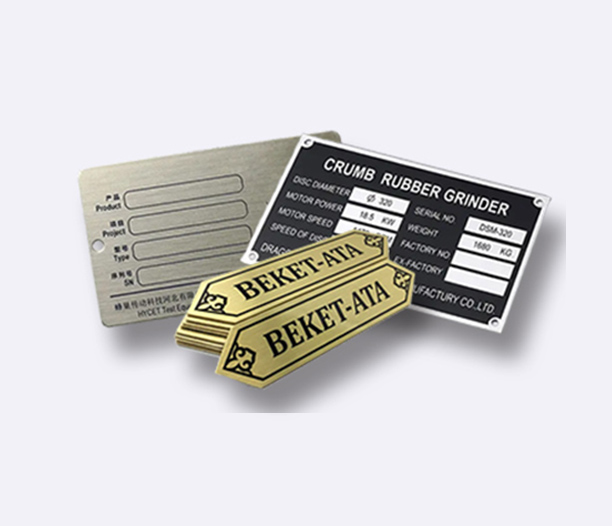
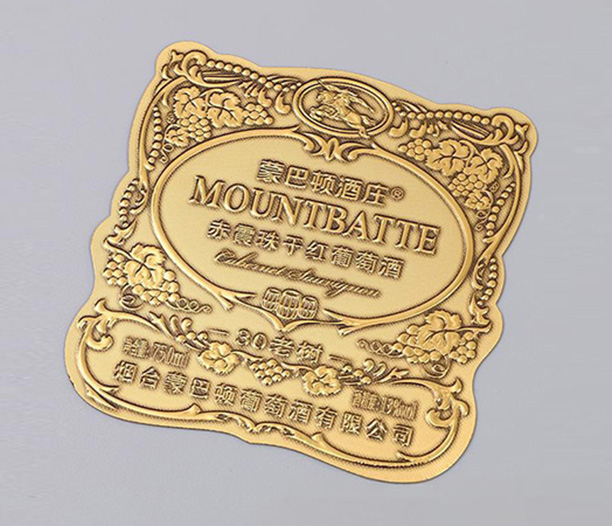
When you think of aviation, you might picture powerful engines, sleek designs, or advanced navigation systems. But there's a small, often overlooked component that plays a massive role in keeping flights safe and compliant: aerospace nameplates. These durable tags are essential for identification, tracking, and regulatory adherence across all aircraft and spacecraft. In this article, we delve into why aerospace nameplates are critical, exploring their types, applications, and future trends. Whether you're in the industry or simply curious, understanding these plates sheds light on the meticulous world of aerospace engineering.
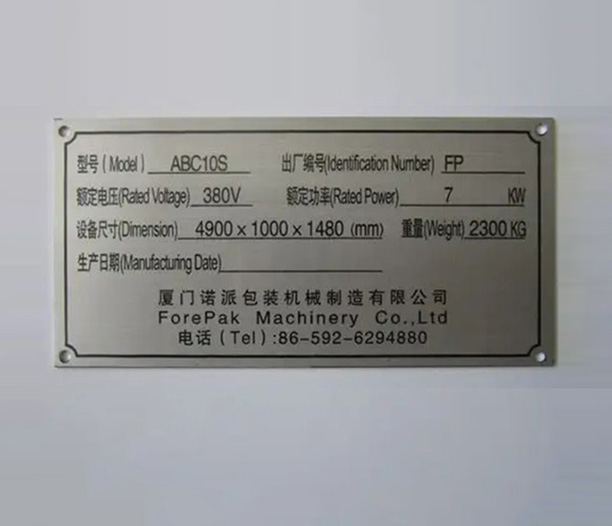
Understanding Aerospace Nameplates
Aerospace nameplates are specialized labels or plates attached to aircraft, spacecraft, and related components. They serve as permanent markers for identification, providing crucial information at a glance. In an industry where precision and safety are paramount, these nameplates ensure that every part can be traced, maintained, and regulated effectively.
What Exactly Are Aerospace Nameplates?
Aerospace nameplates are typically made from robust materials like metals or high-grade plastics. They are engraved or stamped with details such as serial numbers, part numbers, manufacturing dates, and compliance codes. These plates are designed to withstand harsh environments, including extreme temperatures, pressure changes, and exposure to chemicals. Without aerospace nameplates, tracking components over an aircraft's lifespan would be nearly impossible, leading to potential safety risks and regulatory issues.
The History and Evolution of Aerospace Nameplates
The use of nameplates in aerospace dates back to the early days of aviation. Initially, simple metal tags were used for basic identification. As aviation technology advanced, so did the requirements for aerospace nameplates. Today, they incorporate advanced materials and technologies to meet stringent standards. This evolution reflects the industry's growing emphasis on safety, efficiency, and global compliance. Modern aerospace nameplates are integral to digital tracking systems, bridging the gap between physical assets and electronic records.
Different Types of Aerospace Nameplates
Aerospace nameplates come in various forms, tailored to specific needs and applications. Understanding these types helps in selecting the right plate for each component, ensuring durability and functionality. The classification often depends on materials and functions, each offering unique benefits in the aerospace sector.
Material-Based Types of Aerospace Nameplates
Materials used for aerospace nameplates are chosen for their resilience and performance. Common options include aluminum, stainless steel, titanium, and specialized polymers. Aluminum nameplates are lightweight and corrosion-resistant, ideal for many aircraft parts. Stainless steel offers superior strength and durability, often used in high-stress areas. Titanium nameplates are favored for their excellent weight-to-strength ratio and resistance to extreme conditions. Polymer-based aerospace nameplates provide flexibility and are used in applications where metal might not be suitable. Each material ensures that the nameplate remains legible and intact throughout the component's life.
Function-Based Types of Aerospace Nameplates
Beyond materials, aerospace nameplates are categorized by their functions. Identification plates display key data like model numbers and manufacturing details. Compliance plates show regulatory approvals and certifications, essential for legal operations. Warning and instruction nameplates provide safety information, such as handling guidelines or hazard warnings. Data plates are used for tracking maintenance history and part replacements. These functional types ensure that aerospace nameplates meet diverse needs, from safety to logistics, in aviation and space exploration.
The Critical Role of Aerospace Nameplates in Aviation
Aerospace nameplates are more than just labels; they are vital tools for ensuring safety, compliance, and operational efficiency. In an industry governed by strict regulations, these plates help maintain order and accountability. Their role extends from the factory floor to in-flight operations, impacting every aspect of aviation.
Safety and Compliance Through Aerospace Nameplates
Safety is the top priority in aerospace, and nameplates contribute significantly by providing clear, permanent identification. They enable quick access to part histories, aiding in inspections and audits. Compliance with regulations from bodies like the FAA or EASA is impossible without proper aerospace nameplates. These plates display necessary certifications, ensuring that components meet global standards. In emergencies, they help crews identify parts swiftly, reducing response times and enhancing overall safety protocols. Thus, aerospace nameplates are foundational to maintaining airworthiness and regulatory adherence.
Maintenance and Logistics Enhanced by Aerospace Nameplates
Efficient maintenance and logistics are crucial for aviation operations, and aerospace nameplates streamline these processes. By offering traceability, they allow technicians to track part lifecycles, schedule replacements, and manage inventories. This reduces downtime and costs while improving reliability. In logistics, nameplates facilitate the movement of parts across supply chains, ensuring correct installations and reducing errors. As aviation becomes more data-driven, aerospace nameplates integrate with digital systems, supporting predictive maintenance and real-time monitoring. Their impact on operational efficiency cannot be overstated.

How Aerospace Nameplates Are Made
The manufacturing of aerospace nameplates involves precise processes to meet high standards of quality and durability. From design to production, every step is tailored to the demands of the aerospace industry. Understanding this process highlights why these plates are so reliable and effective in their applications.
Design and Specifications for Aerospace Nameplates
Designing aerospace nameplates starts with understanding specific requirements, such as environmental resistance and legibility. Engineers consider factors like size, font, and information layout to ensure clarity. Specifications often include material grades, thickness, and attachment methods. Digital tools are used to create prototypes, allowing for testing under simulated conditions. The design phase ensures that each aerospace nameplate meets both functional needs and regulatory mandates, making it a critical part of the production cycle.
Manufacturing Techniques for Aerospace Nameplates
Production techniques for aerospace nameplates vary based on materials and designs. Common methods include etching, stamping, engraving, and printing. Etching is used for precise, corrosion-resistant markings on metals. Stamping creates durable impressions through mechanical pressure. Engraving offers deep, long-lasting text, ideal for high-wear areas. Printing techniques, like laser marking, provide detailed graphics without damaging the material. Each method is chosen to ensure that aerospace nameplates remain readable and intact over time, even in challenging environments. Quality control checks, such as adhesion tests and environmental simulations, guarantee that every plate performs as expected.
Looking Ahead: The Future of Aerospace Nameplates
The aerospace industry is constantly evolving, and aerospace nameplates are no exception. Innovations in technology and sustainability are shaping their future, making them smarter and more eco-friendly. Staying ahead of trends ensures that these plates continue to support aviation's growth and safety goals.
Innovations and Trends in Aerospace Nameplates
Technological advancements are transforming aerospace nameplates into intelligent components. For instance, RFID (Radio-Frequency Identification) tags are being integrated with traditional nameplates for enhanced tracking. Smart nameplates with embedded sensors can monitor part conditions in real-time, alerting maintenance teams to potential issues. Digital twins—virtual replicas of physical assets—rely on data from aerospace nameplates for accuracy. These innovations improve efficiency and safety, paving the way for next-generation aviation. As the industry embraces automation and connectivity, aerospace nameplates will become even more integral to operational success.
Environmental Considerations for Aerospace Nameplates
Sustainability is gaining importance in aerospace, and nameplates are part of this shift. Manufacturers are exploring recyclable materials and eco-friendly production methods to reduce environmental impact. Lightweight composites for aerospace nameplates can lower fuel consumption by decreasing aircraft weight. Additionally, durable designs extend product lifespans, minimizing waste. These efforts align with global sustainability goals, ensuring that aerospace nameplates contribute to a greener aviation future. By balancing performance with environmental responsibility, the industry can continue to innovate responsibly.
Aerospace nameplates might be small, but their impact on aviation is immense. From ensuring safety and compliance to enabling efficient maintenance and embracing future trends, these plates are essential to the aerospace ecosystem. As technology advances, aerospace nameplates will evolve, offering even greater benefits for the industry. Understanding their role helps appreciate the meticulous attention to detail that keeps our skies safe. Whether you're an engineer, operator, or enthusiast, recognizing the value of aerospace nameplates underscores the complexity and excellence of modern aviation.
Frequently Asked Questions About Aerospace Nameplates
Q1: What are aerospace nameplates primarily used for?
A1: Aerospace nameplates are primarily used for permanent identification and tracking of aircraft and spacecraft components. They display information like serial numbers, part details, and compliance certifications, ensuring safety, regulatory adherence, and efficient maintenance throughout the component's lifecycle.
Q2: What materials are most common for aerospace nameplates?
A2: Common materials for aerospace nameplates include aluminum, stainless steel, titanium, and high-performance polymers. These materials are chosen for their durability, resistance to extreme conditions, and lightweight properties, making them suitable for various aerospace applications.
Q3: How do aerospace nameplates contribute to aviation safety?
A3: Aerospace nameplates contribute to aviation safety by providing clear, permanent identification that aids in inspections, maintenance, and emergency responses. They help track part histories, ensure compliance with safety regulations, and reduce errors in installations, all of which enhance overall flight safety.
Q4: Are there specific regulations governing aerospace nameplates?
A4: Yes, aerospace nameplates are governed by regulations from authorities like the FAA (Federal Aviation Administration) and EASA (European Union Aviation Safety Agency). These rules mandate details like content, durability, and placement to ensure consistency and reliability in aviation operations.
Q5: How long do aerospace nameplates typically last?
A5: Aerospace nameplates are designed to last for the entire lifespan of the component, often decades, due to their robust materials and manufacturing techniques. They withstand harsh environments, including temperature extremes and chemical exposure, maintaining legibility and integrity over time.