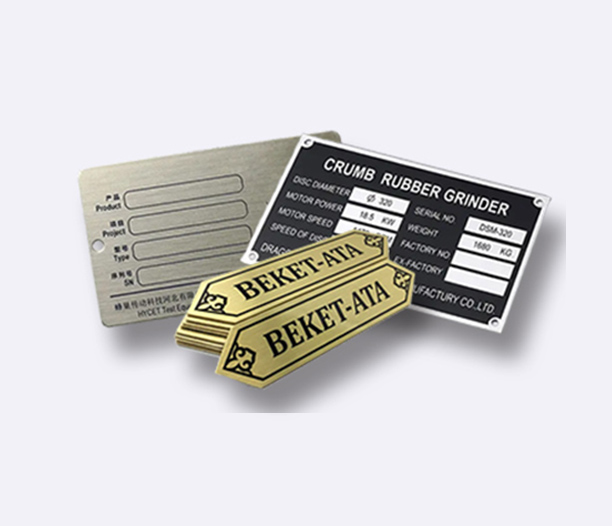
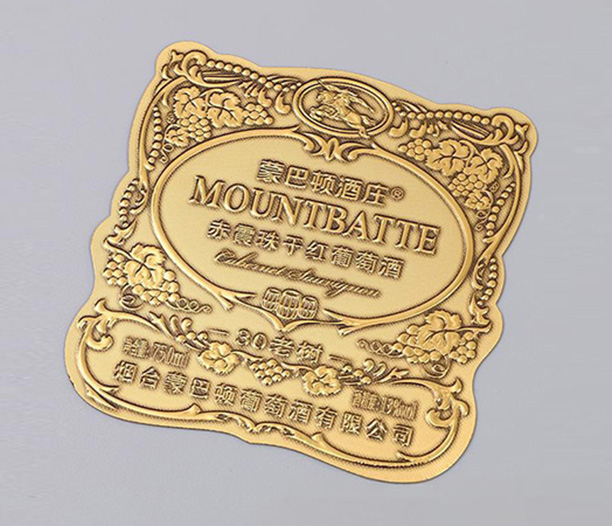
Aluminum Metal Tags: Material Science, Marking Durability & Industrial Applications | HemawellIn heavy industrial environments, the margin for error in asset identification is zero. A tag that fails due to corrosion, abrasion, or illegibility compromises safety protocols, regulatory compliance, and operational efficiency. For applications demanding extreme longevity—from chemical processing plants to offshore platforms—aluminum metal tags constitute the industry standard. Unlike polymer-based alternatives that degrade under UV or solvent exposure, aluminum tags provide a unique combination of lightweight strength, corrosion resistance, and compatibility with high-durability marking methods such as electrochemical etching, dot peen, and laser engraving. This technical analysis examines the material science, manufacturing precision, and application-specific engineering that define professional-grade identification systems, with manufacturing solutions provided by Hemawell Nameplate.
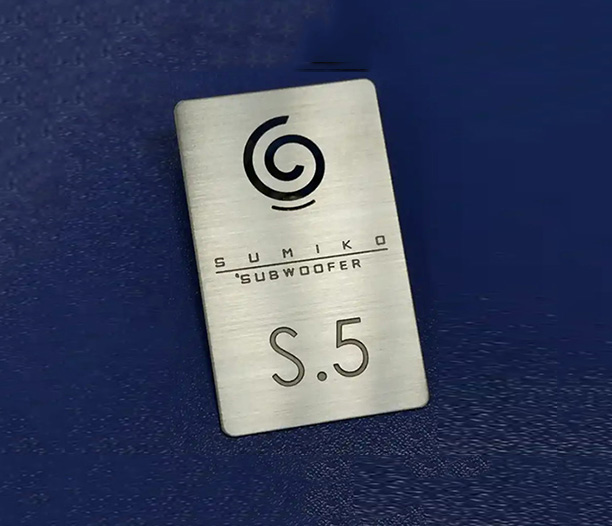
1. Material Science: Alloy Composition and Mechanical Properties
The performance of aluminum metal tags is fundamentally determined by the alloy temper and surface treatment. Industrial applications require more than generic sheet metal; they demand calibrated mechanical properties that balance formability for marking with rigidity for long-term service.
1.1 Alloy 3003-H14: The Standard for Embossing and Stamping
3003 aluminum, alloyed with manganese (1.2%), offers excellent workability while maintaining moderate tensile strength (110–150 MPa). The H14 temper provides a semi-hard state that resists minor impact damage yet remains ductile enough for crisp character impressions using hand stamps or hydraulic presses. This alloy is the preferred substrate for valve tags in petrochemical facilities, electrical panel identifiers, and equipment serial plates where manual marking is required. Its resistance to atmospheric corrosion makes it suitable for both indoor and sheltered outdoor applications.
1.2 Alloy 5052-H32: Superior Corrosion and Fatigue Resistance
For environments involving saltwater spray, high humidity, or frequent chemical washdowns, 5052 aluminum provides superior performance. With magnesium as the primary alloying element (2.5%), 5052 exhibits tensile strength up to 260 MPa and exceptional fatigue resistance. This alloy is specified for aluminum metal tags used in marine equipment, food processing lines, and military ground vehicles. It maintains structural integrity even when perforated for wire or rivet mounting, ensuring the tag remains readable throughout the asset’s operational life.
1.3 Alloy 6061-T6: High-Strength Structural Identification
When tags must withstand mechanical stress, vibration, or serve as structural nameplates, 6061-T6 aluminum is the material of choice. This precipitation-hardened alloy offers tensile strength exceeding 310 MPa and excellent machinability. It is commonly used for heavy equipment serial plates, hydraulic system identifiers, and load-bearing asset tags where the identification medium itself may experience direct mechanical contact.
2. Surface Finishes and Their Functional Implications
Beyond alloy selection, the surface treatment of aluminum metal tags directly influences marking quality, corrosion resistance, and service life. The following finishes represent industry best practices:
Mill Finish (Uncoated): Cost-effective for indoor applications or where tags will be painted after marking. Provides a clean surface for stamping or dot peen marking.
Anodized (Clear or Color): An electrochemical process that thickens the natural oxide layer, achieving surface hardness up to 60 HRC. Anodized tags resist abrasion, chemicals, and UV degradation. Color anodizing enables visual coding by equipment type or maintenance schedule.
Brushed or Satin Finish: A mechanical finish that reduces glare and provides a uniform surface for laser marking. The micro-texture enhances contrast for dot peen and laser-engraved codes.
Pre-treated for Laser Marking: Specialized coatings or anodized layers formulated to produce high-contrast dark marks with fiber lasers, essential for 2D Data Matrix codes requiring ANSI/ISO grade A readability.
3. Permanent Marking Technologies: Matching Method to Application
The versatility of aluminum metal tags lies in their compatibility with multiple permanent marking technologies. Each method offers distinct advantages based on production volume, data density, and environmental demands.
Mechanical Stamping (Hand or Press): Creates physical deformation, raising characters on the reverse side. Suitable for low-volume, high-durability applications. Optimal for 3003-H14 aluminum due to its ductility.
Dot Peen Marking: A pneumatically actuated stylus forms characters through a series of indentations. Provides deep, machine-readable codes on 5052 and 6061 alloys, ideal for high-vibration environments.
Laser Engraving (Fiber Laser): Non-contact process that creates permanent marks by altering surface reflectivity or removing coatings. Capable of producing high-density 2D codes, serial numbers, and logos with exceptional precision.
Electrochemical Etching: Uses an electrolyte and stencil to precisely remove metal, producing smooth, permanent marks without mechanical stress. Preferred for thin-gauge tags (≤0.020”) and applications requiring minimal material deformation.
4. Industry-Specific Applications and Engineering Solutions
Organizations across regulated industries rely on aluminum metal tags to solve persistent identification failures. Below is a sector-by-sector analysis of requirements and corresponding technical specifications.
4.1 Oil, Gas, and Petrochemical Facilities
Pain Point: Exposure to sour gas (H₂S), hydrocarbon solvents, and steam-out cleaning cycles rapidly degrades polymer and laminated tags. Failed identification leads to safety incidents and valve misoperation.
Solution: 5052-H32 aluminum tags with a clear anodized finish. The anodized layer provides a non-reactive barrier against chemical attack, while the alloy’s high corrosion resistance ensures integrity in classified hazardous areas. Hemawell Nameplate supplies these tags with radiused corners and precision-punched holes to meet OSHA arc flash and chemical safety requirements.
4.2 Power Generation and Electrical Infrastructure
Pain Point: Arc flash events and electromagnetic interference can obliterate adhesive labels. NERC/FERC audits require permanent, tamper-evident identifiers for substation equipment and switchgear.
Solution: Thick-gauge (0.032” to 0.040”) 3003 aluminum tags with dot peen or laser-engraved markings. The metal substrate is non-flammable and withstands arc flash temperatures without melting or emitting toxic fumes. Characters are integral to the tag, ensuring permanence even after decades of service.
4.3 Aerospace and Defense
Pain Point: MIL-STD-130 mandates specific marking permanence, contrast, and machine-readability for government property. Inconsistent surface finishes lead to non-compliance and rework.
Solution: Aerospace-grade aluminum tags with controlled surface roughness (Ra ≤ 32 µin) to ensure 2D Data Matrix codes meet ANSI/ISO grading standards. Tags are supplied burr-free and with specified anodized thickness to guarantee mark quality under MIL-STD-130N requirements.
4.4 Heavy Equipment and Off-Road Machinery
Pain Point: Constant vibration, stone impact, and extreme weather cycles cause traditional labels to detach or become illegible within months.
Solution: 6061-T6 aluminum tags with embossed characters and mechanical fastening (rivets or self-tapping screws). The high-strength alloy resists deformation from impact, while embossed characters remain readable even after surface paint layers are worn away.
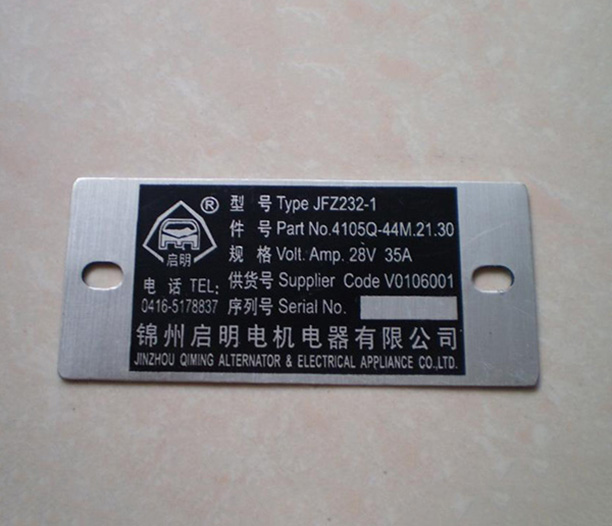
5. Compliance and Quality Standards
Professional aluminum metal tags must satisfy rigorous testing protocols and manufacturing standards. These benchmarks are not optional for organizations operating under ISO, FDA, or DoD frameworks.
ASTM B117 Salt Spray Testing: Premium tags demonstrate 500+ hours of exposure without pitting or significant corrosion, validating performance in coastal and chemical environments.
MIL-STD-130N: Governs marking permanence, contrast, and machine-readability for U.S. Department of Defense applications. Compliance requires specified surface finishes and marking methods.
ISO 9001:2015 Traceability: Manufacturers must provide material certifications and maintain lot traceability for alloy composition and thickness tolerances.
NEMA 250 / UL 50E: For tags installed on electrical enclosures, compliance with environmental sealing and corrosion resistance standards is mandatory.
6. Total Cost of Ownership: Economic Analysis
While the unit cost of aluminum metal tags exceeds that of synthetic labels, a lifecycle cost analysis reveals significant long-term savings:
Replacement Frequency Reduction: Polyester and vinyl labels typically require replacement every 3 to 5 years due to fading, adhesive failure, or abrasion. Aluminum tags routinely exceed 20 years of service without degradation, eliminating recurring labor and material costs.
Operational Risk Mitigation: A single misidentified valve in a chemical plant can result in downtime costs exceeding $500,000 per day. Permanent metal identification eliminates this risk.
Audit Compliance: Non-compliance with NERC CIP or FDA traceability requirements can incur penalties and mandatory shutdowns. Aluminum tags provide auditable permanence that withstands regulatory scrutiny.
7. Engineering Specifications for Procurement
When specifying aluminum metal tags for capital projects, procurement and engineering teams must define the following parameters to ensure alignment with operational requirements:
Alloy and Temper: 3003-H14 for stamping, 5052-H32 for corrosion resistance, 6061-T6 for high strength.
Thickness: 0.020” (0.5 mm) for wire-wrap applications; 0.032” (0.8 mm) for standard industrial tags; 0.040” (1.0 mm) for high-impact zones.
Surface Finish: Mill, brushed, anodized (clear or color), or laser-optimized coating.
Hole Configuration: Pre-punched holes (single, double, slotted) for rivet, wire, or screw mounting.
Corner Style: Radiused corners for safety; square corners for maximum marking area; notched for specific fastening systems.
Marking Method Compatibility: Specify if tags will be stamped, dot peened, laser engraved, or electrochemically etched to ensure appropriate surface hardness and thickness.
Frequently Asked Questions (FAQs)
Q1: What is the difference between anodized and non-anodized aluminum metal tags, and how does it affect marking?
A1: Anodizing thickens the natural oxide layer, increasing surface hardness (up to 60 HRC) and corrosion resistance. Non-anodized (mill finish) tags are softer, making them easier to stamp or emboss by hand. Anodized tags are recommended for outdoor, chemical, or high-abrasion environments. For laser marking, anodized surfaces typically produce higher contrast marks, while raw aluminum requires a fiber laser to create dark annealed marks.
Q2: Can aluminum metal tags be used in high-temperature applications such as engine compartments or industrial ovens?
A2: Yes. Aluminum alloys 3003, 5052, and 6061 maintain structural integrity across temperatures from -40°C to 250°C (-40°F to 482°F). For applications exceeding 200°C continuous exposure, 5052 or 6061 alloys with an anodized finish are preferred to prevent surface oxidation and maintain legibility. Tags should be mechanically fastened rather than adhesive-backed in high-temperature environments.
Q3: How do I ensure that a 2D Data Matrix code on an aluminum tag meets ANSI/ISO grading standards?
A3: To achieve Grade A or B readability, specify a surface finish with Ra ≤ 32 µin (controlled roughness) and a marking method that provides adequate contrast. For raw aluminum, dot peen with controlled pin depth or fiber laser annealing typically yields Grade A marks. For anodized aluminum, laser marking that removes the anodized layer to expose bare aluminum creates high contrast. Always request verification samples from your tag supplier with a calibrated verifier before bulk production.
Q4: What thickness of aluminum tag is suitable for hand stamping with metal characters?
A4: For hand stamping, a minimum thickness of 0.025” (0.64 mm) is recommended to prevent distortion and ensure characters remain legible. 3003-H14 aluminum in 0.032” (0.8 mm) thickness is the industry standard for hand-stamped tags, as it provides sufficient metal volume to form raised characters without buckling. Thinner gauges (0.020”) are prone to deformation and should be marked using electrochemical etching or dot peen instead.
Q5: Are aluminum metal tags compliant with RoHS and REACH environmental regulations?
A5: Pure aluminum and common alloys (3003, 5052, 6061) are inherently RoHS and REACH compliant as they contain no restricted substances such as lead, mercury, or cadmium above threshold limits. However, if tags receive anodizing, color dye, or secondary coatings, you must verify that those finishing processes also comply. Reputable manufacturers like
Hemawell Nameplate can provide RoHS, REACH, and conflict minerals declarations upon request.
Q6: What is the typical lead time for custom-sized aluminum metal tags with pre-punched holes?
A6: For standard thicknesses (0.020” to 0.032”) and common alloys, suppliers typically maintain sheet stock that allows shearing, hole punching, and corner radiusing within 5 to 10 business days. For specialized requirements—such as 6061 alloy, thicknesses exceeding 0.040”, or complex contour cuts—lead times may extend to 2 to 3 weeks. Manufacturers with in-house fabrication capabilities offer the fastest turnaround and tightest quality control.
In summary, aluminum metal tags represent a critical investment in operational safety, regulatory compliance, and long-term asset management. Their performance is not incidental but engineered—defined by precise alloy selection, surface treatment, and marking methodology. By specifying tags that align with the environmental stressors and marking technologies specific to each application, organizations achieve identification permanence that outlasts the assets they label. For technical expertise and fabrication precision in industrial identification, Hemawell Nameplate provides engineered solutions backed by decades of metallurgical and manufacturing experience.