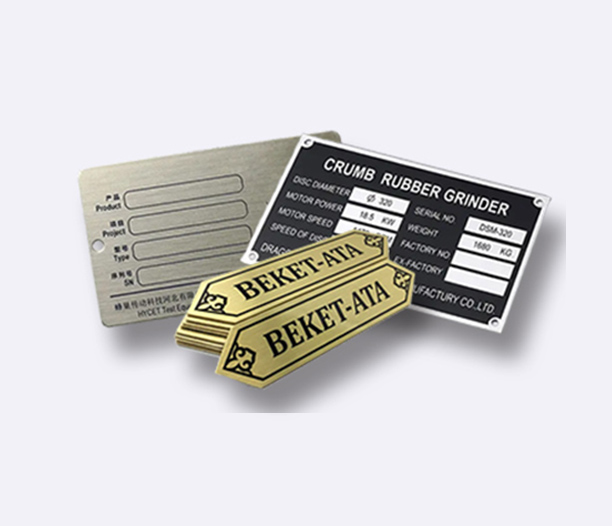
If you've ever wasted time searching for a piece of equipment, questioned the maintenance history of a machine, or struggled with an inaccurate inventory count, you understand the problem. Disorganized assets cost money. Asset management tags are the foundational tool that solves this. They are the physical link between an item and its digital record, bringing order to chaos.
This post will walk you through what asset management tags are, why they matter, and how to select the right ones for your needs. We'll look at the different types, technologies, and best practices for implementation.

What Are Asset Management Tags?
At their core, asset management tags are physical labels attached to equipment, tools, IT hardware, furniture, or any other valuable item. Each tag carries a unique identifier, like a serial number or barcode. This identifier is the key that unlocks the asset's digital profile in your asset tracking system.
Think of them as a nametag for your company's property. But instead of just a name, this tag connects to a wealth of data: purchase date, cost, location, maintenance schedule, depreciation value, and assignment history. Without a durable, reliable tag, even the best software is powerless. These physical asset tags are the first and most critical step in any tracking program.
Why Using Dedicated Tags is Non-Negotiable
You might wonder if a permanent marker or a generic sticker is enough. For serious control, it's not. Dedicated asset tags for tracking offer distinct advantages.
They provide permanent, tamper-evident identification. A professional asset tag is designed to last the life of the item. They standardize identification across your entire organization, making audits and checks consistent and fast.
These tags also enable scalable tracking. Scanning a barcode with a mobile phone is infinitely faster and more accurate than manually typing serial numbers from a handwritten list. This directly translates to time and labor savings during physical inventories.
Ultimately, they reduce loss, improve maintenance compliance, ensure accurate financial reporting, and support compliance with industry regulations. The small investment in proper asset identification tags pays for itself quickly.
Types and Materials of Asset Tags
Not all assets are in a cozy office. Your tags need to match the environment. Here’s a breakdown of common types.
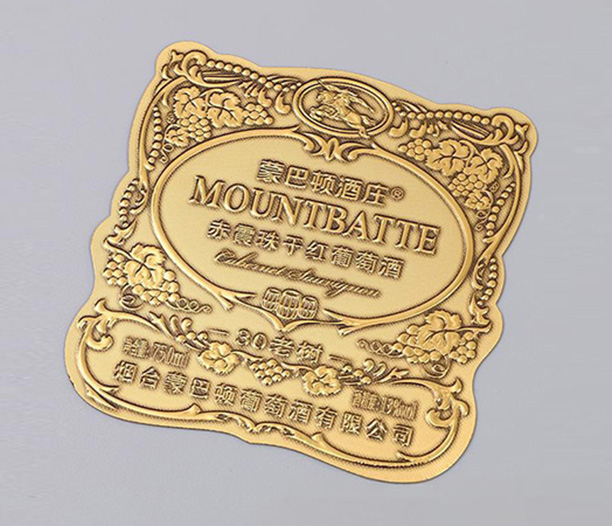
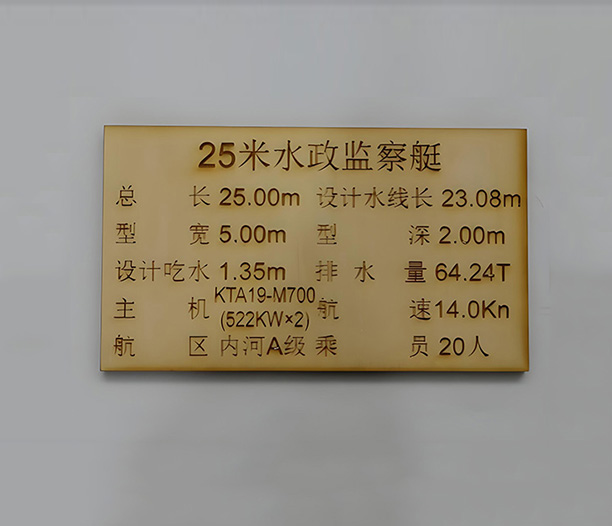
Metal Asset Tags: Made from aluminum or stainless steel, these are the most durable option. They are ideal for heavy machinery, industrial tools, outdoor equipment, and assets exposed to heat, chemicals, or abrasion. Information is often etched, stamped, or engraved, making it permanent. Metal asset tags are the go-to for high-value, long-lifecycle assets.
Polyester and Vinyl Labels: These are flexible, adhesive labels, often with a protective laminate overlay. They are excellent for IT assets like laptops, monitors, and servers, as well as medical devices and laboratory equipment. They offer a good balance of durability and cost for indoor use. High-quality polyester asset tags can withstand cleaning solvents and mild wear.
Tamper-Evident and Destructible Labels: For security-conscious items, these labels are crucial. Tamper-evident asset tags break apart or show a "VOID" message if someone tries to remove them. Destructible paper labels tear into pieces. They are perfect for preventing unauthorized removal of tags from IT equipment, electronics, or sensitive devices.
Custom and Specialty Tags: Sometimes you need a specific shape, size, or material. Custom asset management tags can be designed for unique applications, such as small tags for circuit boards, high-temperature tags for autoclaves, or flexible tags for cables.
The Technology Behind the Tag: Barcodes, QR, and RFID
The tag itself is only half the story. The encoding technology determines how you capture data.
Barcode Tags (1D): The most common and cost-effective. Linear barcodes are simple, reliable, and work with any standard barcode scanner. They are perfect for most asset tracking applications where you simply need to identify an item quickly. Every barcode asset tag has a unique number linked to your database.
QR Code Tags (2D): These square codes can store much more data than a 1D barcode, including URLs, maintenance instructions, or detailed descriptions. They can be scanned with any modern smartphone camera, making them very versatile for field technicians. QR code asset tags are great for linking directly to manuals or work orders.
RFID Asset Tags: These contain a small microchip and antenna. They can be read wirelessly from a distance, without a direct line of sight, and multiple tags can be scanned simultaneously. RFID tags for asset management are powerful for rapid warehouse inventories or tracking items moving through a portal. They are typically more expensive but offer unparalleled efficiency for large-scale operations.
Key Industries and Application Examples
Asset management tags are universal, but their impact is felt in specific ways across sectors.
Manufacturing & Industry: Tracking tools, dies, molds, and production machinery. Durable asset tags help schedule preventive maintenance, reduce downtime, and manage calibration cycles for critical instruments.
Information Technology (IT): Managing laptops, servers, routers, and peripherals is impossible at scale without tags. IT asset tags help with lifecycle management, software licensing compliance, and secure decommissioning.
Healthcare: Hospitals use specialized labels to track medical devices, diagnostic equipment, and mobile workstations. This ensures equipment is available, serviced, and compliant for patient use. Healthcare asset tracking often requires tags that can withstand frequent sterilization.
Education: Schools and universities tag everything from AV equipment and lab devices to furniture and library books. This controls loss and manages budget allocation for replacements.
Facilities & Utilities: For managing HVAC systems, fire extinguishers, electrical panels, and fleet vehicles. Tags ensure scheduled inspections are never missed and provide instant access to service histories.
A Practical Guide to Choosing Your Tags
Selecting the right asset management tags involves a few key decisions.
First, assess the asset's environment. Is it outdoors, in a lab, or on a factory floor? This dictates material: metal for harsh conditions, polyester for clean, indoor settings.
Second, decide on the data capture technology. For most, barcodes are sufficient. If you want to embed data or enable smartphone scanning, choose QR codes. For high-speed, bulk scanning, investigate RFID.
Third, plan the implementation. Clean and prepare surfaces before application. Have a consistent naming convention and data entry process. Start with a pilot project on one department or asset type before rolling out company-wide. The goal is to attach a physical asset tag and immediately update its status in your system.
Finally, consider your budget against total cost of ownership. Cheaper labels that fail in a year are a false economy. Investing in quality durable asset tags that last for the full asset lifecycle provides the best return.
Ignoring asset tracking is a silent drain on resources. Asset management tags are the simple, physical starting point to regain control. They transform random equipment into accountable, managed assets.
By carefully selecting tags that match your environment and technological needs, you build a reliable foundation for your entire tracking system. The result is not just an accurate inventory, but also better financial decisions, improved operational efficiency, and a stronger bottom line.
Frequently Asked Questions (FAQ)
Q1: What's the main difference between barcode and RFID asset tags?
A1: The key difference is how data is captured. Barcode tags require a direct line of sight and are scanned one at a time with an optical scanner. RFID tags use radio waves and can be read from a distance, through materials, and in batches of hundreds per second. Barcodes are far more cost-effective for most applications, while RFID offers superior speed for complex logistics.
Q2: How do I attach asset tags to irregular or curved surfaces?
A2: For challenging surfaces, flexible polyester asset tags with a strong adhesive are often the best solution. They can conform to mild curves. For highly irregular or textured surfaces, consider a tag with a mounting hole and use a zip-tie, wire, or screw to secure it. The goal is a secure attachment that doesn't interfere with the asset's function.
Q3: Can I print my own asset tags in-house?
A3: Yes, for basic needs. Desktop label printers and printable polyester sheets can produce simple barcode or QR code labels. This is suitable for low-volume or temporary tracking. However, for long-term durability, chemical resistance, and tamper-evident features, professionally manufactured asset management tags are highly recommended. They are made with industrial-grade materials and adhesives.
Q4: What information should be linked to each unique tag number?
A4: At a minimum, the asset's description, serial number, location, purchase date, cost, and assigned custodian. For comprehensive management, also link maintenance schedules, service history, warranty information, depreciation schedules, and relevant documents like manuals or purchase invoices. The tag is the key; the database holds all the details.
Q5: How do I handle assets that are too small or hot for a traditional tag?
A5: Specialized solutions exist. For very small items, micro labels or tiny RFID chips are available. For high-temperature assets, like components in an engine or autoclave, tags made from ceramic or specially coated metals can be used. It's important to work with a supplier who can discuss these niche requirements and provide custom asset tags for extreme conditions.