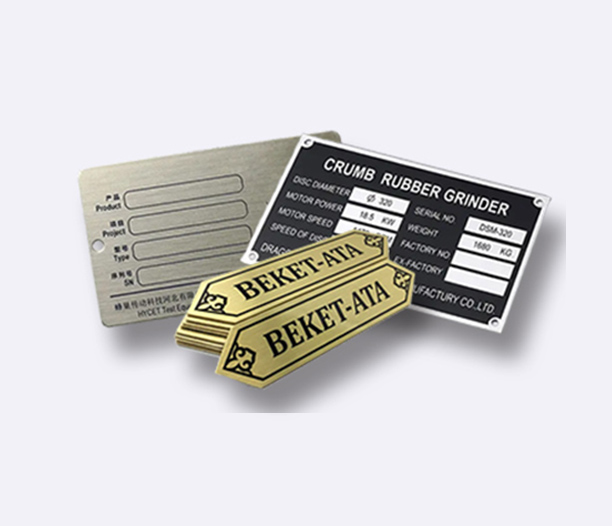
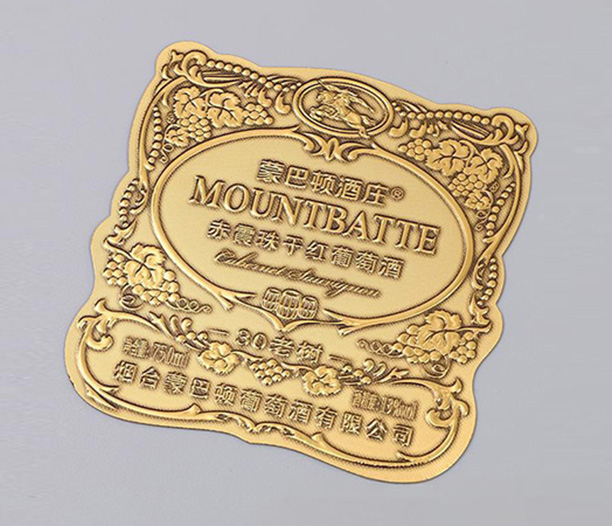
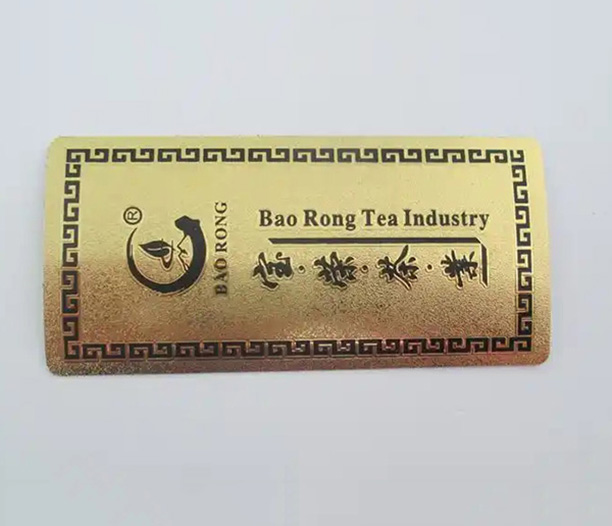
In facilities worldwide, from manufacturing plants to power stations, the need for permanent, reliable identification is constant. This is where industrial metal tags prove indispensable. Far more than simple labels, these durable markers serve as the backbone of asset management, safety compliance, and operational efficiency in harsh environments.
This article discusses the essential role of metal identification tags, exploring their types, applications, and key selection criteria.
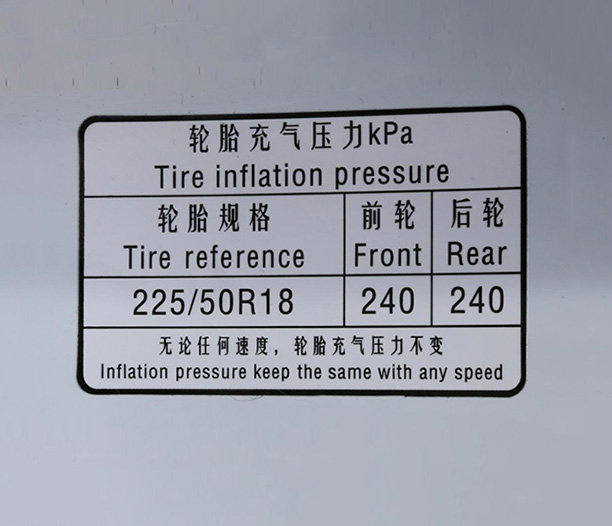
What Are Industrial Metal Tags?
Industrial metal tags are durable plates or labels made from metals such as aluminum, stainless steel, brass, or zinc. They are designed to withstand extreme conditions that would destroy paper or plastic labels. Information is typically stamped, etched, engraved, or printed onto their surface.
Their primary purpose is to provide permanent, tamper-resistant identification. This permanence is crucial for safety, maintenance tracking, and inventory control. Whether identifying a valve, marking a piece of heavy machinery, or providing safety warnings, industrial metal nameplates offer a solution built to last.
Common Types and Materials of Metal Tags
Not all industrial metal tags are created equal. The material and manufacturing process are chosen based on the specific environment and need.
Stainless Steel Tags: The champion of durability. Stainless steel metal name plates offer exceptional resistance to corrosion, high temperatures, chemicals, and abrasion. They are ideal for outdoor use, chemical processing plants, food and beverage industries, and any setting requiring sterilization. Grades like 304 and 316 are common.
Aluminum Tags: A lightweight and cost-effective alternative. Aluminum industrial tags are naturally corrosion-resistant and can be anodized for added surface hardness and color. Anodization creates a porous layer that allows for durable, dyed finishes. These tags are excellent for indoor equipment, data plates, and moderate outdoor applications.
Brass and Bronze Tags: Often chosen for their classic appearance and good corrosion resistance. Brass metal tags are common in architectural applications, maritime environments, and for decorative nameplates. They develop a distinctive patina over time.
Zinc and Galvanized Steel Tags: These materials offer a robust and economical option. They are often used for heavier-duty stamping and in environments where extreme chemical resistance is not the primary concern.
The information on these durable metal tags is applied through several methods: chemical etching for precision, dot peen marking for deep serial numbers, laser engraving for flexibility and detail, and traditional stamping for a rugged, indented look.
Key Applications in Industry
The use of industrial metal tags spans virtually every sector. Their robustness makes them the only choice for critical identification.
Asset Identification and Tracking: Permanent metal asset tags with unique serial numbers or barcodes are fixed to machinery, tools, and IT equipment. This enables accurate inventory audits, maintenance scheduling, and lifecycle management.
Safety and Compliance Labeling: Safety is non-negotiable. Industrial metal tags are used to create permanent safety warnings, valve tags, pipe markers, and electrical hazard labels. They meet standards from organizations like OSHA and ANSI by providing legible, fade-proof safety information.
Process and Control Identification: In complex systems, clear identification is key to efficiency. Metal name plates are used on control panels, circuit breakers, valves, and piping to ensure correct operation and swift troubleshooting by personnel.
Outdoor and Harsh Environment Labeling: For assets exposed to weather, UV radiation, salt spray, or physical abuse, weatherproof metal tags are essential. They ensure identification remains intact on trailers, utility assets, agricultural equipment, and offshore structures.
Branding and Product Information: High-quality custom metal tags serve as permanent product data plates, branding labels, and certification marks on finished goods, adding professionalism and enduring value.
How to Choose the Right Industrial Metal Tag
Selecting the correct industrial metal tag requires considering several factors to ensure performance and cost-effectiveness.
Assess the Environment: This is the most critical step. Consider exposure to moisture, chemicals, solvents, temperature extremes, abrasion, and UV light. Stainless steel is best for harsh chemical and outdoor exposures, while anodized aluminum may suffice for controlled indoor settings.
Determine the Information and Legibility Needs: What data must be displayed? Text, numbers, barcodes, QR codes, or logos? Choose a marking method (etching, engraving, printing) that ensures the information remains readable for the tag's intended lifespan. Consider font size and depth of marking.
Choose the Attachment Method: How will the tag be secured? Common options include adhesive backing (with high-performance industrial adhesives), holes for screws or rivets, welding, or using cable ties. The attachment must be as durable as the tag itself.
Consider Size and Customization: The tag must be large enough to hold all necessary information legibly but proportionate to the asset. Custom metal tags can be made in virtually any shape, size, and finish, including color fills for high visibility.
Regulatory and Standard Requirements: Ensure the tag material and information format comply with any industry-specific or safety regulations governing your application.
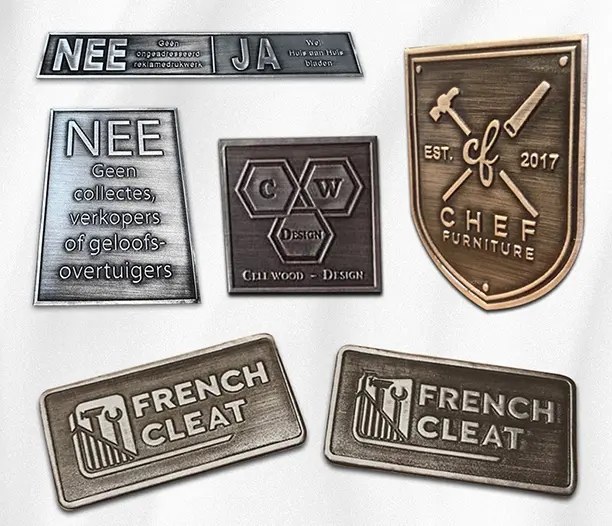
The Customization and Ordering Process
Modern manufacturers make obtaining custom industrial metal tags a streamlined process. It typically begins with a design consultation, where specifications for material, size, thickness, and marking content are defined.
Digital proofs are usually provided for approval. Production techniques like laser cutting and computer-controlled engraving allow for high precision and flexibility, even for low-volume orders. For serialized metal asset tags, variable data software can automate the process, creating unique sequences for each tag in a batch.
Understanding lead times and the balance between cost and durability is part of the process. While industrial metal tags have a higher upfront cost than plastic, their longevity and reliability offer a superior total cost of ownership.
Industrial metal tags are a fundamental component of organized, safe, and efficient industrial operations. They provide the permanent link between physical assets and the data systems used to manage them. By investing in the right type of durable metal tag for each application, organizations protect their assets, enhance safety, and ensure critical information withstands the test of time and environment.
Frequently Asked Questions (FAQ)
Q1: What is the most durable type of industrial metal tag?
A1: For the most extreme conditions, tags made from 304 or 316 grade stainless steel are generally the most durable. They offer superior resistance to corrosion, high temperatures, physical impact, and many chemicals, making them suitable for demanding environments like offshore platforms, chemical plants, and outdoor applications with decades-long service requirements.
Q2: Can information on metal tags be updated or changed in the field?
A2: Generally, no. The core advantage of industrial metal tags is permanent, tamper-proof identification. Methods like stamping, etching, and engraving physically alter the metal surface. If information needs frequent updating, a secondary system like a plastic pocket sleeve over a fixed metal serial plate, or a separate changeable log, is often used alongside the permanent metal tag.
Q3: How are metal tags typically attached to equipment?
A3: Attachment methods vary based on the surface and environment. Common methods include industrial-grade adhesive backing (for smooth surfaces), holes for mounting with screws, rivets, or bolts, welding the tag directly onto metal assets, and using stainless steel cable or zip ties through holes in the tag. The goal is to choose a method as secure and durable as the tag itself.
Q4: Are metal tags with barcodes or QR codes as durable as those with plain text?
A4: Yes, provided the correct marking technique is used. Methods like laser etching or dot peen marking can create permanent, high-contrast, machine-readable codes directly into the metal surface. These codes are just as durable as engraved text and will withstand the same environmental exposures, ensuring reliable scanning throughout the asset's life.
Q5: What information should I include when ordering custom industrial metal tags?
A5: To get an accurate quote and product, provide the manufacturer with: the desired metal type and thickness, the exact dimensions and shape, the marking content (text, logos, codes) and preferred font, the desired marking method (etch, engrave, stamp, etc.), the required finish (plain, anodized, colored fill), and the attachment method (adhesive, holes, etc.). A drawing or sample image is always helpful.