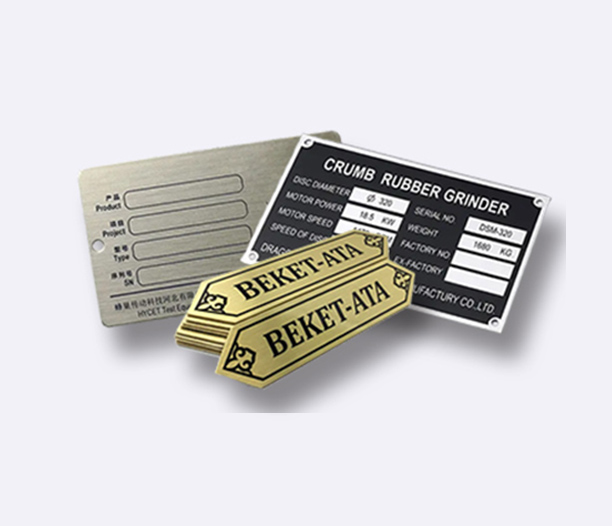
For organizations managing physical assets—from server racks and laboratory
equipment to pipeline valves and aircraft components—the asset tags & labels chosen
directly impact inventory accuracy, maintenance efficiency, and regulatory
compliance. This article provides a technical deep dive into the material
science, manufacturing processes, and application-specific considerations for
high-performance asset identification.
1. Material Science: Matching the Substrate to the Asset Environment
The fundamental requirement for any asset tag is that it remains attached and
legible for the life of the asset. This demands a substrate engineered for the
specific operational environment. Based on over 15 years of supplying critical
identification components, Hemawell Nameplate evaluates materials
based on quantifiable metrics: tensile strength, corrosion rate, temperature
resistance, and UV stability.
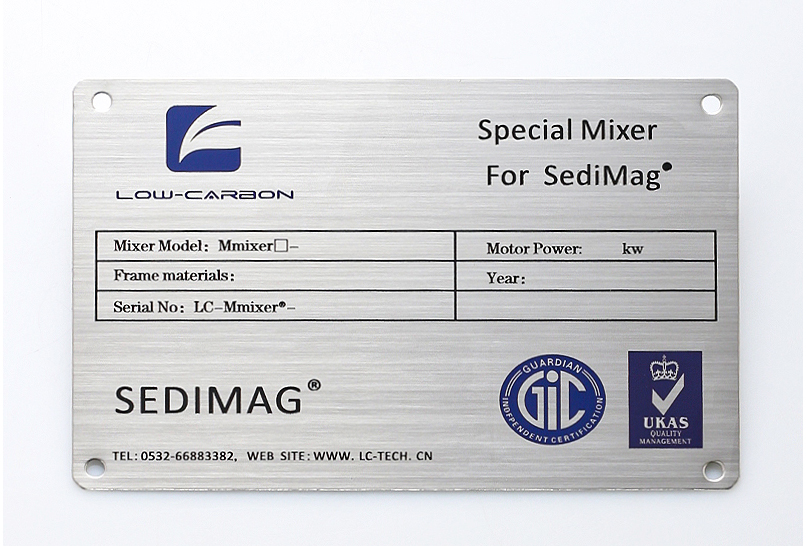
1.1 Aluminum Alloys (5052-H32): The Versatile Workhorse
Anodized aluminum, particularly alloy 5052-H32, is the most specified
material for durable asset tags & labels in indoor
and general outdoor use. Its magnesium content provides excellent corrosion
resistance. The H32 temper offers a balance of strength and formability,
allowing for embossing or slight bending during installation. For most
manufacturing, warehouse, and IT assets, a thickness of 0.020" (0.5mm) to 0.032"
(0.8mm) provides optimal rigidity without excessive weight or cost.
1.2 Stainless Steel (304/316): For Extreme Conditions
When assets are located in marine environments, chemical plants, or
high-temperature areas, stainless steel becomes the required substrate.
Type 304: Offers superior corrosion and oxidation resistance for most
harsh industrial environments, including oil and gas refineries.
Type 316: The addition of molybdenum provides exceptional resistance
to chlorides and industrial solvents, making it the standard for subsea
equipment, pharmaceutical processing, and coastal infrastructure. Tags are often
as thin as 0.015" (0.4mm) but maintain high tensile strength.
1.3 Polyester and Vinyl Films: Cost-Effective for Controlled
Environments
For assets not exposed to extreme abrasion or weather, engineered films
provide a durable and economical solution. Polyester labels offer good chemical
resistance and dimensional stability, accepting high-resolution digital
printing. Vinyl is flexible and conforms to curved surfaces. However, these
materials lack the fire resistance and extreme temperature tolerance of metals.
They are best suited for IT assets, office equipment, and indoor fleet
management.
2. Marking and Encoding Technologies: From Human-Readable to
Machine-Visible
The method used to apply data to the tag determines its permanence and its
utility in automated tracking systems.
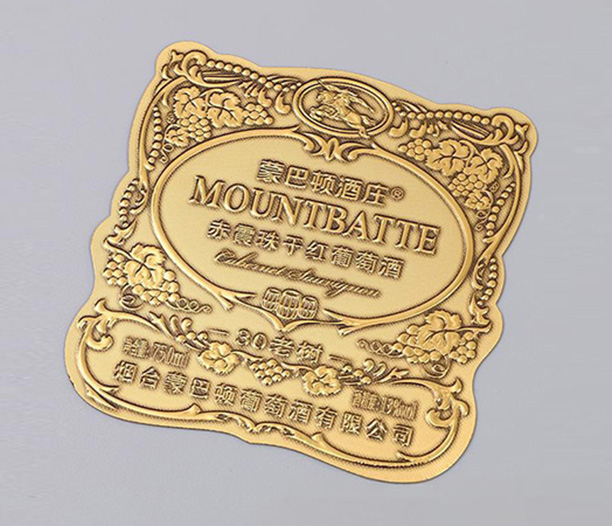
2.1 Chemical Etching: Permanent Marking for Metal Tags
For metal asset tags requiring logos, 2D Data Matrix codes, or alphanumeric
text that must survive decades of abrasion, chemical etching is the gold
standard. An acidic solution carves the design into the metal surface. At Hemawell
Nameplate, we control the etch depth between 0.0015" and
0.008". This process creates a permanent cavity that can be left as-is or filled
with a contrasting epoxy for high visibility. Etched Data Matrix codes maintain
readability even after being painted over or subjected to grit blasting.
2.2 Thermal Transfer Printing: On-Demand Flexibility
For high-mix environments where assets are tagged on-site, thermal transfer
printing onto polyester or vinyl labels offers maximum flexibility. When
combined with specialized resin ribbons, the printed text and barcodes can
withstand moderate abrasion, solvents, and UV exposure for 5-10 years indoors.
This method is prevalent in warehouse and logistics operations.
2.3 Laser Marking and Engraving
Direct laser marking on metal or anodized aluminum creates a high-contrast,
permanent mark by altering the surface or removing a top layer. It is ideal for
creating precise, high-density codes on small tags for electronics or medical
devices. Fiber lasers can also engrave deeper characters for applications
requiring tactile readability.
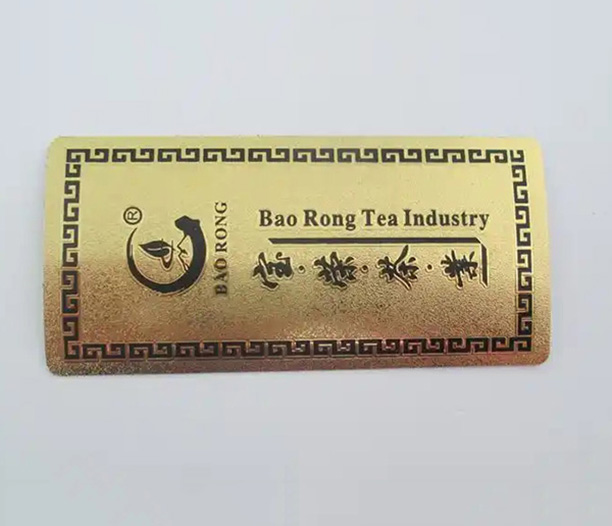
2.4 Screen Printing for High-Volume, Multi-Color Needs
When asset tags must convey corporate branding or safety warnings in specific
colors, screen printing with UV-stable ceramic inks is employed. The ink is
fused to the metal via heat curing, creating a durable bond that resists fading
and chalking. We match inks to specific corporate color standards using Pantone
matching systems.
3. Attachment Mechanisms: Ensuring Long-Term Fixity
The best-marked tag is useless if it separates from the asset. Attachment
must account for the asset's surface material, exposure to vibration or
cleaning, and potential for tampering.
3.1 Industrial Adhesives: The Most Common Solution
For most applications, a high-bond acrylic foam tape (e.g., 3M™ VHB™)
provides a permanent, weather-resistant bond. Key considerations include:
Surface Energy: High-surface-energy materials like painted metal or
glass bond well. Low-energy surfaces like polyethylene or textured plastics may
require a primer or mechanical attachment.
Temperature: Standard acrylic adhesives perform well from -40°F to
200°F. For sustained high heat, specialized adhesives (like those used in 3M™
300LSE) are necessary.
Solvent Resistance: Assets regularly cleaned with aggressive solvents
require adhesive systems tested for chemical compatibility.
3.2 Mechanical Fasteners: For High-Risk or High-Value Assets
For assets subject to extreme vibration (engines, heavy machinery) or where
theft deterrence is a factor, mechanical attachment is specified.
Rivets and Drive Screws: Provide a permanent, tamper-resistant
attachment for metal tags on equipment.
Cable Ties: For assets like pipes, hoses, or bundled cables, nylon or
stainless steel cable ties offer a secure and adjustable attachment point.
Magnetic Backing: For temporary assets or those requiring frequent
reconfiguration, embedded magnets allow for damage-free repositioning.
4. Industry-Specific Applications and Compliance
Different industries impose unique requirements on asset tags & labels,
often tied to regulatory standards.
4.1 IT and Data Center Asset Management
High-density server environments require small, high-resolution barcodes or
QR codes that can be scanned in tight spaces. Polyester or thin aluminum tags
with permanent acrylic adhesive are standard. Tamper-evident features are often
requested to indicate unauthorized access attempts. Sequential numbering is
critical for tracking thousands of identical units.
4.2 Oil and Gas, Chemical, and Subsea
These sectors demand extreme durability. Tags must withstand high-pressure
washing, salt spray, and temperature extremes. Specifications often call for 316
stainless steel tags, marked via chemical etching or laser engraving, and
attached with stainless steel ties or heavy-duty epoxy adhesive. Compliance with
standards like NACE MR0175 (for sour gas environments) may be required.
4.3 Healthcare and Laboratory
Asset tags in medical settings must resist harsh chemical disinfectants and
sterilization processes. Materials like anodized aluminum or specialized
polyimide films are used. The marking must remain legible after repeated wiping
with bleach or alcohol. Small Data Matrix codes are common for linking to
equipment maintenance records and patient safety protocols.
4.4 Manufacturing and Industrial Equipment
Heavy machinery, pumps, and conveyors are typically tagged with embossed or
etched aluminum or stainless steel tags, attached via rivets or high-strength
adhesive. Tags often include safety warnings, serial numbers, and manufacturing
dates to comply with OSHA or machinery directives.
5. The Five Pillars of Customization for Asset Tags
A standard tag rarely fits all requirements. We engineer solutions across
five key dimensions:
Dimensional Precision: From tiny 5mm tags for circuit boards to large
150mm plates for industrial bins, we manufacture to exact specifications using
laser cutting and turret presses.
Geometric Complexity: Shapes can include mounting tabs, slots for
cable ties, or custom cutouts to fit specific asset contours.
Color and Finish: Anodized finishes, painted backgrounds, and printed
graphics ensure the tag meets visibility and branding requirements.
Data Encoding: Integration of 1D barcodes, 2D Data Matrix codes, QR
codes, and human-readable sequential numbering, all verified for
scanability.
Packaging: Tags can be supplied kitted, rolled, or individually
packaged to match your application process, whether manual installation or
robotic placement.
Frequently Asked Questions: Asset Tags & Labels
Q1: How do I choose between a metal tag and a polyester
label for my assets?
A1: The choice depends on the asset's lifecycle and
environment. For assets exposed to outdoor weather, chemicals, high heat, or
abrasion, a metal tag (aluminum or stainless steel) with a permanent marking
method like chemical etching is required. For indoor assets like office
equipment, IT hardware, or warehouse racking, a high-quality polyester label
with thermal transfer printing and permanent acrylic adhesive is often
sufficient and more cost-effective.
Q2: What is the minimum order quantity for custom asset
tags?
A2: It depends on the level of customization. For
stock shapes and sizes with sequential numbering, we can often accommodate
orders as low as 1,000 pieces. For fully customized shapes, colors, or complex
tooling, the MOQ typically ranges from 3,000 to 10,000 pieces. For prototyping
or pilot programs, we recommend discussing sample options to validate the design
before full production.
Q3: Can you integrate QR codes or Data Matrix codes that are
guaranteed to scan?
A3: Yes. We specialize in producing high-density 2D
codes via chemical etching and laser marking. All codes are verified against
industry standards (e.g., AIM DPM Quality Guideline) to ensure they meet grade
requirements for reliable scanning, even on curved or textured surfaces. We work
with you to specify the correct size and marking contrast for your scanning
environment.
Q4: How do you ensure the adhesive will hold on textured or
low-surface-energy plastics?
A4: Adhesion is application-specific. For textured
surfaces, a thicker adhesive with higher conformability is used to flow into the
surface profile. For low-surface-energy plastics (like polyethylene or
polypropylene), we recommend adhesives specifically formulated for these
materials (e.g., 3M™ 300LSE) or suggest mechanical attachment. We always
recommend testing samples on your actual asset material under expected
conditions.
Q5: What is your typical lead time and proofing
process?
A5: For custom orders, production typically takes
15-20 days after final artwork approval. For stock items, shipping can occur
within 5-10 days. We support design proofing with digital artwork approvals.
Physical samples are available and may incur a nominal setup charge for complex
tooling, but this is often waived for production orders. Shipping costs for
samples are typically covered by the customer via a courier account (FEDEX, DHL,
UPS).
Selecting the right asset tags & labels is a
technical decision that directly impacts the accuracy of your asset register and
the efficiency of your maintenance and inventory operations. By understanding
the interplay of materials, marking technologies, and attachment methods, you
can ensure your identification system lasts as long as the assets themselves.
For assistance in specifying a solution for your specific asset classes and
environments, contact our engineering team for a consultation and detailed
quotation.