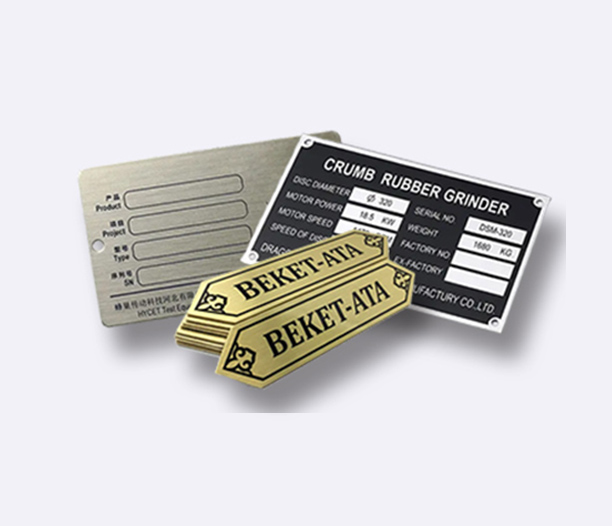
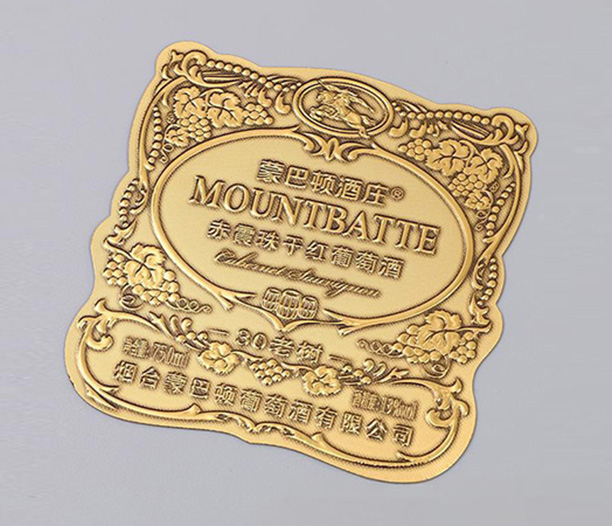
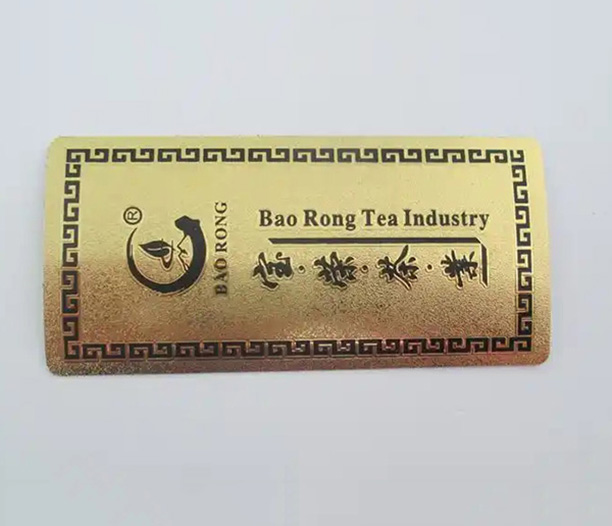
In today’s fast-paced industrial, logistical, and retail environments, a simple smudged or faded barcode can bring operations to a grinding halt. This is where the critical importance of durable barcode labels becomes undeniable. Unlike standard paper labels, these are engineered to withstand harsh conditions, ensuring your data remains scannable and your processes efficient.
But what exactly makes a barcode label "durable"? It’s more than just tough paper. It’s a system of specialized materials, adhesives, and printing technologies designed for longevity.
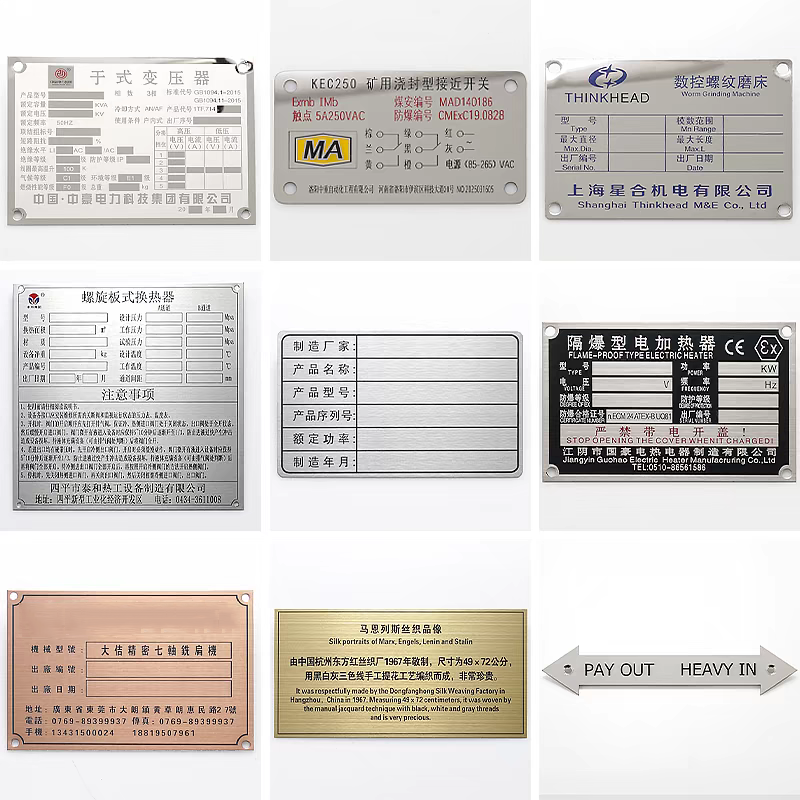
The Core Construction: Materials That Matter
The foundation of any durable barcode label is its facestock, or the printable surface. The choice here dictates the label's primary resistance.
Polyester and Polypropylene films are the champions of durability. These synthetic materials offer exceptional resistance to moisture, chemicals, abrasion, and extreme temperatures. Polyester, often known by brand names like Mylar, is particularly rigid and tear-resistant.
Vinyl is another heavyweight, prized for its flexibility and excellent outdoor weatherability. It resists water, oils, and rough handling, making it ideal for asset tags and equipment labels.
For less extreme but still demanding environments, coated paper or synthetic paper facestocks provide a middle ground. They resist moisture and abrasion better than uncoated paper but are generally more cost-effective than plastic films.
The right material ensures your durable barcode labels won't degrade from environmental exposure.
The Unsung Hero: High-Performance Adhesives
A label is only as good as its bond. The adhesive on a durable barcode label is specially formulated for long-term, aggressive sticking.
Permanent acrylic adhesives are the standard for durability. They provide a strong initial tack and develop an even stronger bond over time. They perform consistently across a wide temperature range.
For challenging surfaces like glass, metal, or certain plastics, specialized adhesives are key. These can be engineered to bond with low-surface-energy plastics that typically repel adhesives.
In high-temperature environments, such as automotive parts or PCB labeling, thermal-cure adhesives are used. These adhesives actually strengthen when exposed to sustained heat, preventing the label from falling off.
Choosing the wrong adhesive can lead to label failure, no matter how tough the facestock is. The adhesive is a critical component of a truly durable barcode label system.
Making the Mark: Printing Technologies for Longevity
Printing on durable barcode labels requires methods that create a permanent, high-contrast image. Not all printing is created equal.
Thermal Transfer printing is the gold standard for durability. This method uses a heated printhead to melt a solid ribbon (wax, wax-resin, or pure resin) onto the label material. Resin ribbons, in particular, produce images that are highly resistant to fading, heat, and chemical exposure.
For extreme conditions, some labels are manufactured with pre-printed, subsurface imagery. The barcode and text are printed beneath a protective clear laminate or are embedded within the material itself. This offers the ultimate protection against physical and chemical wear.
While direct thermal printing is common, it is generally not suitable for long-term durable barcode labels as the image can fade with heat and UV exposure.
Applications Demanding Durability
The need for durable barcode labels spans countless industries. Anywhere assets, products, or components face rough handling or environmental stress, these labels are essential.
In manufacturing and warehousing, they track tools, bins, and heavy equipment that face constant abrasion, grease, and impacts. Durable barcode labels on these assets last for years.
Outdoor applications are a prime use case. From utility asset management to agricultural equipment, labels must withstand direct sunlight, rain, snow, and temperature swings without delaminating or fading.
Laboratory and healthcare settings use them on instruments, sample containers, and sterilization trays that undergo frequent chemical washing, autoclaving (high-pressure steam), and freeze-thaw cycles.
The automotive and aerospace industries rely on them for part identification that must survive exposure to fuels, lubricants, engine heat, and cleaning solvents throughout an asset's lifecycle.
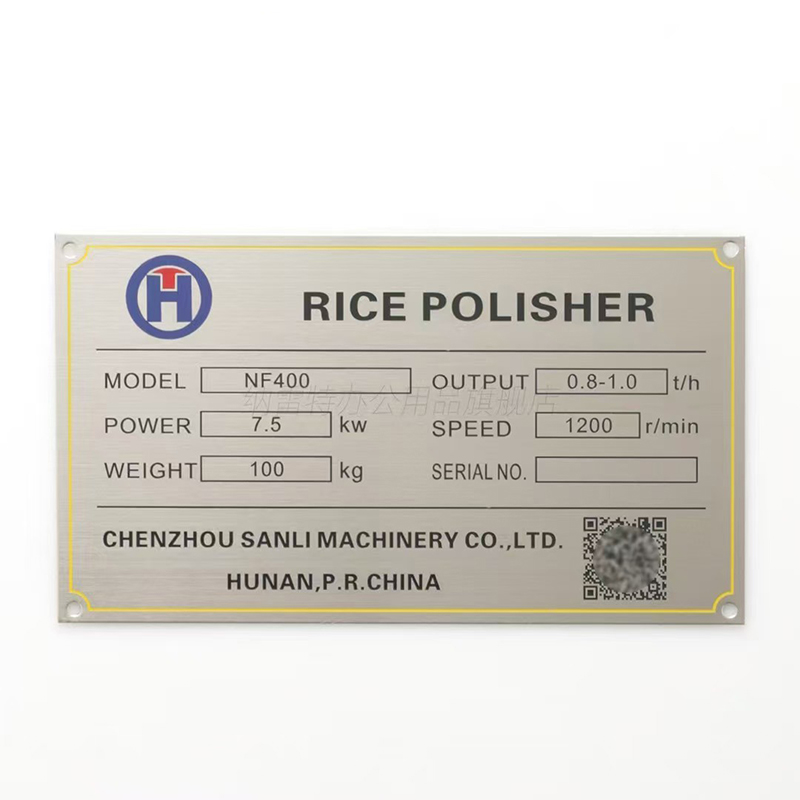
Selecting the Right Durable Barcode Label
Selecting the correct durable barcode label requires a careful assessment of your specific environment. Ask these key questions:
What is the surface material? (Metal, plastic, glass, etc.)
What are the primary hazards? (Water, oils, solvents, abrasion, UV light)
What temperature range will it experience? (Both application and service temperatures)
How long does the label need to last? (Months, years, decades)
What is your printing method? (This determines compatible materials and ribbons)
Consulting with a knowledgeable label supplier is invaluable. They can recommend a tested material-adhesive-ribbon combination that ensures your durable barcode labels perform as needed, protecting your investment in data and efficiency.
Frequently Asked Questions (FAQ)
Q1: What is the most durable barcode label material for outdoor use?
A1: For extended outdoor use, a polyester (PET) or vinyl facestock with a permanent acrylic adhesive and a protective laminate or overlaminated surface is often the best choice. These materials offer superior resistance to UV fading, moisture, temperature extremes, and physical abrasion. Printing should be done with a resin thermal transfer ribbon for maximum image durability.
Q2: Can durable barcode labels withstand autoclave or chemical sterilization?
A2: Yes, specific durable barcode labels are engineered for this purpose. They typically use a high-temperature polyester facestock with a specialty thermal-cure adhesive and are printed with a resin ribbon. It is crucial to select a label explicitly tested and rated for repeated sterilization cycles to ensure it won't fail, peel, or become unscannable.
Q3: How do I ensure a durable barcode label will stick to dusty, oily, or uneven surfaces?
A3: Surface preparation is key. Clean the application area with an appropriate solvent (like isopropyl alcohol) to remove grease, dust, and debris. For textured or uneven surfaces, choose a label with a thicker, more aggressive adhesive and a flexible facestock like vinyl that can conform to the surface contours. Testing a sample label in your real-world environment is always recommended.
Q4: What's the difference between water-resistant and waterproof barcode labels?
A4: Water-resistant labels can handle occasional splashes or condensation but may fail if submerged or exposed to prolonged moisture. Waterproof (or water-submersible) durable barcode labels are constructed with non-porous synthetic materials and adhesives that form a complete seal, allowing them to withstand continuous immersion or high-pressure washing without the adhesive failing or the print degrading.
Q5: Are there eco-friendly or recyclable options for durable barcode labels?
A5: Yes, the market is evolving. Options include labels made from recycled polyester (rPET), bio-based plastics, or compostable films. However, durability characteristics may differ from traditional oil-based plastics. It's important to balance environmental goals with performance requirements. Discussing your specific needs for both sustainability and durability with a supplier can help identify a suitable solution.