In industries ranging from aerospace to subsea exploration, the failure of an
identification tag is not a minor inconvenience—it can lead to safety hazards,
compliance violations, and costly operational delays. For engineers and
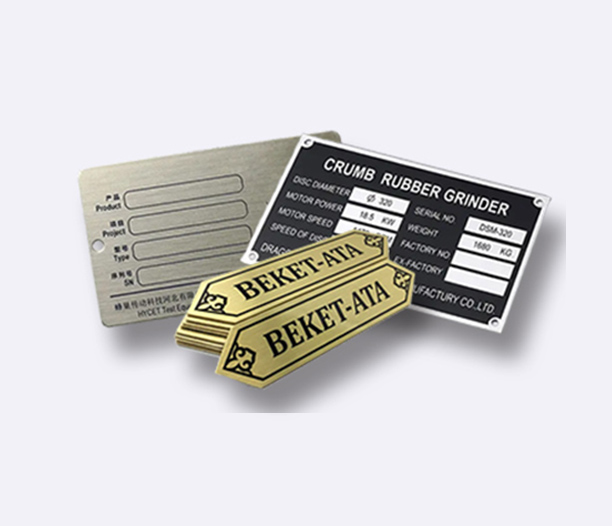
procurement specialists, the choice of an embossed metal tag is
a decision about permanence. Unlike printed labels that can fade or adhesives
that can fail, the embossed process deforms the base material to create raised
characters, ensuring readability for the lifespan of the asset. Hemawell
Nameplate, with over 15 years of expertise, provides a full suite of
customized solutions for these critical components, detailed at Hemawell
Nameplate.
This article delves into the technical nuances, material science, and
application-specific solutions surrounding embossed metal tags, offering a
data-backed perspective for professionals who demand more than just a label.
1. The Metallurgical Science of Embossing: Why It Outperforms Other Marking
Methods
Embossing is fundamentally different from surface-level marking. It is a
cold-forming process where a male die forces the metal into a matching female
die, creating a raised relief. This deformation work-hardens the metal at the
character site, making it highly resistant to abrasion, chemicals, and UV
radiation. This is why embossed metal tags remain the
gold standard for applications requiring permanence.
1.1. Material Selection Matrix: Balancing Formability and Durability
The success of an embossed tag hinges on the material's ductility. We
engineer solutions based on specific operational parameters:
Aluminum Alloy (1100/3003): Offers the highest formability
for deep embossing. It is lightweight, corrosion-resistant, and cost-effective
for high-volume industrial tagging like valve and cable tags. Its natural oxide
layer provides excellent weatherability.
Stainless Steel (304/316): Selected for extreme
environments. While requiring greater tonnage to emboss due to its
work-hardening rate, it provides unparalleled resistance to high temperatures
(up to 1000°C+), caustic chemicals, and saltwater immersion—critical for subsea
tags and chemical plant identification.
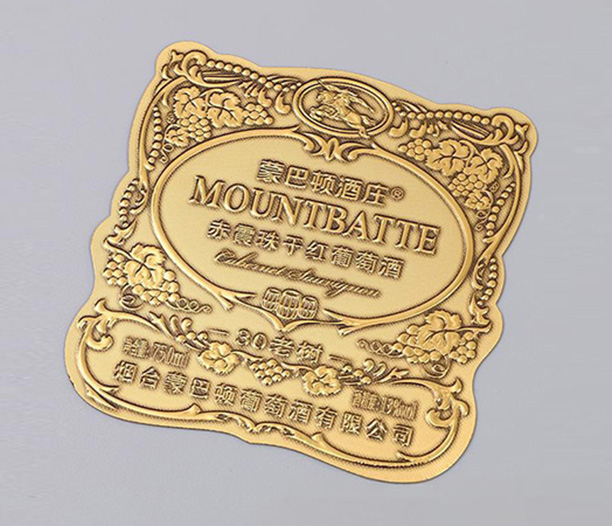
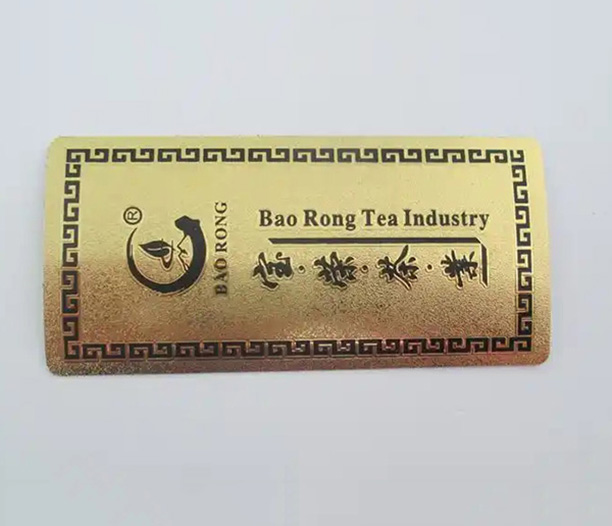
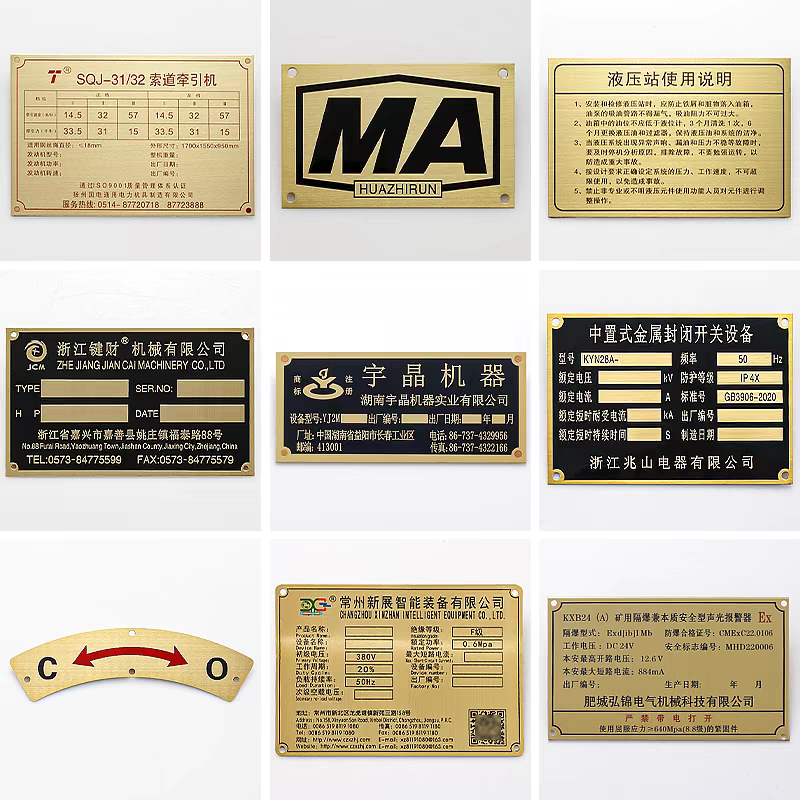
Brass: Preferred for its aesthetic appeal and corrosion
resistance. It is often used for high-end equipment nameplates, property tags,
and architectural applications where a prestigious, permanent mark is
required.
1.2. Process Integration: Combining Embossing with Secondary Operations
A truly functional tag rarely ends at embossing. At Hemawell
Nameplate, we integrate embossing with other critical fabrication
steps to deliver a complete graphic solution:
Punching & Forming: Using industry-leading turret
presses and press brakes, we precisely fabricate mounting holes, bend tags to
90° angles for equipment wrap-around, or create custom shapes. This ensures the
tag conforms perfectly to the asset's surface.
Sequential Numbering: For asset tracking and inventory
management, we integrate precise sequential numbering directly into the
embossing process. This can be achieved via dedicated numbering heads within the
stamping die, ensuring perfect alignment and readability for barcode or
human-eye identification.
Adhesive Backing Integration: For applications where
mechanical fasteners aren't feasible, we apply 3M™ adhesive solutions. This is
not a simple sticker; we select from a range of permanent acrylic or
high-temperature foam adhesives (like 3M™ VHB™) to ensure the embossed
metal tag remains secure under thermal stress or vibration.
2. Solving Industry-Specific Pain Points with Customized Embossing
The one-size-fits-all approach fails in B2B industrial applications. The
requirements for a mining tag differ vastly from those for an elevator data
plate. Our approach is to provide a tailored solution based on five
customization pillars derived from embossed metal tags engineering data.
2.1. Critical Infrastructure: Valve Tags and Utility Pole Markings
Pain Point: Tags on valves in chemical plants or utility
poles are exposed to thermal cycling, ice, and physical impact. Faded ink or
etched marks that are too shallow become unreadable, leading to safety risks
during maintenance (LOTO procedures).
Solution: Stainless steel tags with deep embossing. The
raised characters remain readable even after layers of paint or corrosion form
on the background. We pair this with chemical etching for
additional background data or logos, creating a multi-layered, permanent data
plate.
2.2. Asset Management: Bar Code, QR Code, and UID Tags
Pain Point: Scannability in dirty environments. Flat,
printed barcodes can be obscured by grime or scratched off.
Solution: While pure embossing struggles with the fine
resolution of 2D Data Matrix codes (UID standards), we utilize a hybrid
approach. The background of the tag is prepared using laser cut precision or digital printing for the high-density code, while
the human-readable serial number is embossed. This ensures both digital
scannability and long-term visual identification, a common solution for
equipment nameplates and gas meter tags.
2.3. High-Temperature & Compliance: Aerospace and Safety Tags
Pain Point: Adhesive failure and tag embrittlement in
turbine engines or furnace environments.
Solution: 300-series stainless steel tags, embossed and
attached via safety wire or rivets through precisely punched holes. For safety tags (e.g., "DANGER - HIGH VOLTAGE"), we combine embossing
with screen printing using ceramic inks that are fired onto the
metal, ensuring the color and warning remain intact even under direct flame
impingement for short durations.
3. The Hemawell Engineering Advantage: From Prototype to Production
Adhering to Google's E-E-A-T principles requires demonstrating verifiable
expertise. Our process is built on decades of experience in tooling and
metallurgy.
3.1. Tooling Precision and Die-Setting
The clarity of an embossed character is entirely dependent on the tooling.
Our in-house toolroom designs and maintains dies with precise clearances. For
deep embossing, the pressure must be carefully calculated to avoid fracturing
the metal grain structure. We engineer this for each alloy, ensuring sharp,
consistent characters across production runs of 3,000 to 10,000+ pieces.
3.2. Synergy with Other Marking Processes
A truly comprehensive nameplate often requires multiple processes. We
seamlessly integrate embossing with:
Laser Cutting: For intricate outlines and internal cutouts
impossible with traditional dies.
Digital Printing: For adding variable data or full-color
logos to the flat areas of an embossed tag.
Chemical Etching: For creating a recessed background that
makes the embossed characters stand out in greater relief, ideal for
data plates requiring high readability.
4. Compliance, Testing, and Quality Assurance
Supplying tags for industries like aerospace or subsea operations requires
strict adherence to standards. We ensure that every embossed metal
tag meets the necessary regulatory knowledge for its intended
application. Our quality assurance protocols include verifying material
certificates, dimensional accuracy of embossed characters, and pull-testing for
adhesive-backed tags to ensure they meet specified holding power. Whether it's
for CSC plates on shipping containers or rigging
tags for lifting equipment, compliance is engineered into the product
from the start.
This commitment to precision ensures that your identification solutions are
"designed to last, no matter the handling and environmental challenges they
face."
Frequently Asked Questions (FAQ) About Embossed Metal Tags
Q1: For a small pilot run of a new product, what is the minimum order
quantity for custom embossed tags?
A1: For stock
models or non-customized sizes, we can accommodate orders of 1 piece or more for
prototyping. However, for fully customized sizes, shapes, or designs requiring
new tooling (embossing dies), the typical minimum order quantity ranges from
3,000 to 10,000 pieces to amortize the tooling cost effectively. We recommend
ordering a visual sample or a 3D rendering first to validate the design before
committing to a full production run.
Q2: Can I add my company logo or trademark to an embossed tag, and
are there limitations?
A2: Yes, adding a logo is a
common and effective way to enhance brand impact. Logos are incorporated into
the embossing die itself, making it a cost-effective feature per part. While
extremely fine details (like small text in a logo) may not be achievable through
embossing due to metal flow limitations, we can often combine the embossed logo
with a chemical etch or screen printing process on a flat portion of the tag to capture those details. Please provide
your vector art for a feasibility review.
Q3: What are the typical lead times for custom embossed metal
tags?
A3: Lead times vary based on order complexity
and quantity. For standard items in stock, we can ship within 5-10 days. For
custom orders that require tooling creation and production, the typical lead
time is 15-20 days, depending on the total quantity ordered. For urgent
requirements, we offer expedited air freight services via FEDEX, DHL, or UPS to
ensure timely delivery.
Q4: Is prototyping or proofing available, and what does it
cost?
A4: Absolutely. We strongly encourage
proofing before mass production. If your design does not require custom artwork
(like a new, complex logo), the proofing charge is often waived—you would only
need to cover the shipping cost via your courier account (e.g., FedEx, DHL). For
complex, multi-process tags, we can provide a digital visual sample or a single
physical prototype to ensure 100% satisfaction before production begins.
Q5: What shipping methods do you use for domestic and international
orders?
A5: We offer flexible shipping to meet your
needs. For small trial orders or urgent shipments, we ship by air express using
major carriers like FEDEX, DHL, UPS, and TNT. For larger production orders, we
can arrange cost-effective sea freight or air cargo, depending on your required
timeline and budget. All shipments are provided with effective internal and
external packaging to guarantee the parts arrive in perfect condition.
For a detailed consultation on your specific application or to request a
quote and prototype, please contact the experts at Hemawell
Nameplate.