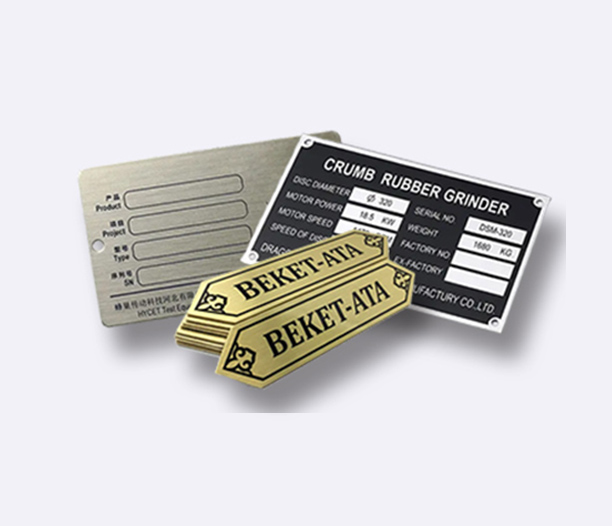
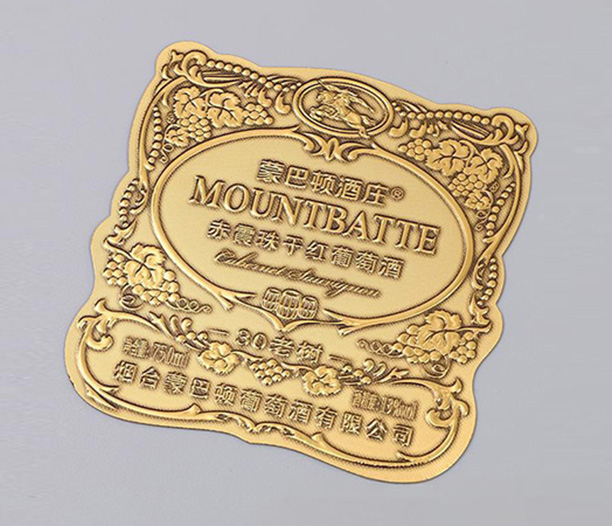
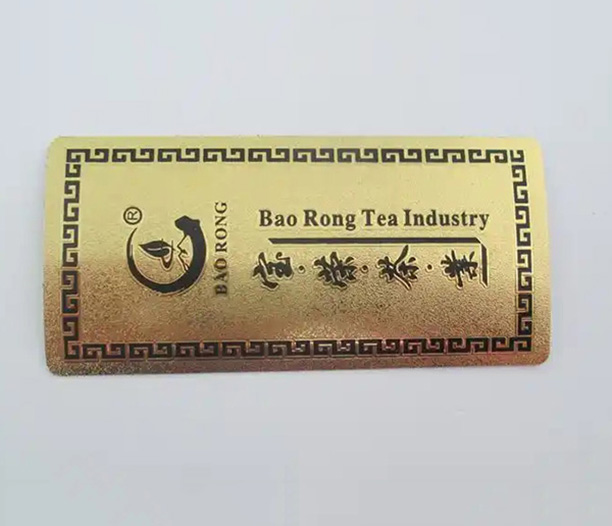
Aluminum Name Plate: Technical Guide for Industrial Durability | Hemawell NameplateIn industrial environments, equipment identification must withstand decades of vibration, temperature extremes, chemical exposure, and UV radiation. The aluminum name plate has become the default choice for engineers and procurement specialists who require a marking solution that outlasts the asset itself. This article provides a technical deep‑dive into aluminum name plate metallurgy, fabrication techniques, and qualification standards, drawing on decades of OEM experience from Hemawell Nameplate.
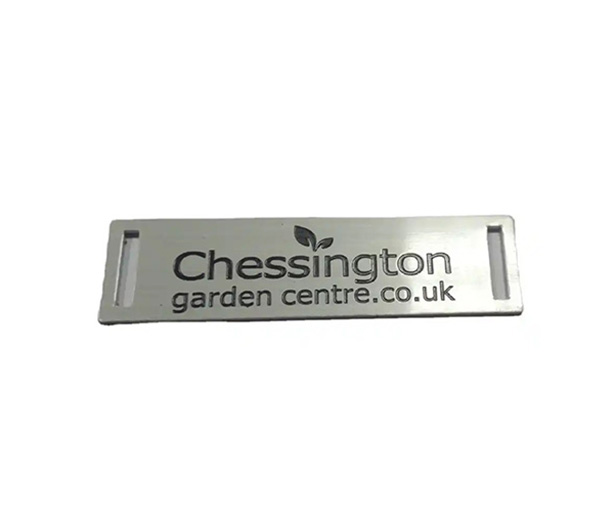
1. Material Science: Why Aluminum Dominates Name Plate Applications
Selecting a substrate for permanent marking involves trade‑offs between weight, strength, corrosion resistance, and cost. Compared to stainless steel or plastics, an aluminum name plate offers the best combination of these properties for the majority of stationary and mobile equipment.
1.1 Alloy Selection and Mechanical Properties
The most common alloys for name plates are 3003 and 5052. 3003‑H14 aluminum provides excellent formability and is ideal for embossed tags, while 5052‑H32 offers higher tensile strength (210‑260 MPa) and superior fatigue resistance, making it suitable for high‑vibration environments such as engine compartments. Yield strength of 5052 is approximately 193 MPa, ensuring that tags resist permanent deformation during installation or maintenance.
1.2 Surface Treatments and Corrosion Resistance
Bare aluminum develops a protective oxide layer (~2‑3 nm) immediately upon exposure to air. For enhanced durability, anodizing (Type II or III) thickens this layer to 5‑25 µm. Anodized aluminum name plate surfaces pass 1,000+ hours of salt spray per ASTM B117 without pitting. For chemical plants, a clear or colored anodic coating resists solvents, hydraulic fluids, and pH levels from 4 to 9. Alternatively, powder coating or epoxy finishes provide additional chemical shielding where required.
2. Manufacturing Processes and Customization
Modern fabrication of aluminum name plates employs several technologies to achieve permanent, high‑contrast markings. The choice of process depends on required resolution, quantity, and environmental severity.
Laser Marking (Fiber / YAG): Creates a dark oxide mark by localized heating. Achieves 0.1 mm line width and supports 2D Data Matrix codes readable per ISO/IEC 15415. No ink or solvent use makes it RoHS compliant.
Photochemical Etching: Ideal for large volumes, producing precise text and logos without burrs. Etch depth can be controlled between 5 and 50 µm, allowing for color filling after etching.
Mechanical Embossing/Stamping: Low‑cost for simple characters; raised text remains readable even after heavy abrasion or painting over.
Screen Printing with Epoxy Inks: Used for multi‑color graphics; inks are baked at 150°C for maximum adhesion. Withstands 500 h QUV weathering.
Custom aluminum name plate orders from Hemawell can combine these methods – for example, laser‑marked serial numbers on an anodized background – to meet specific traceability requirements.
3. Industry Applications and Use Cases
Below are four key sectors where aluminum name plates are mandated by safety codes or operational best practices.
3.1 Heavy Industrial Machinery
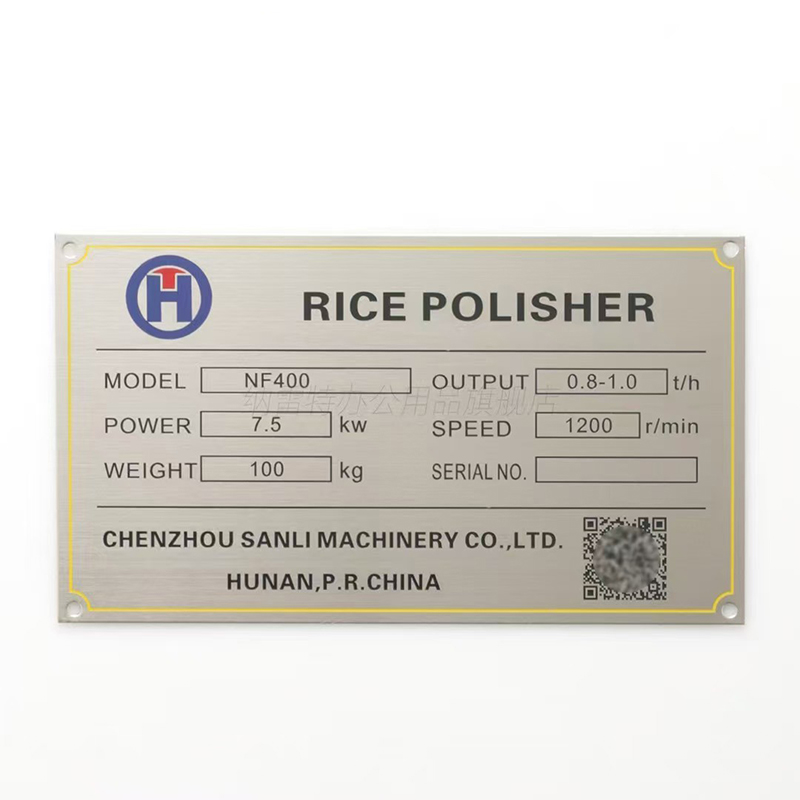
Equipment manufacturers (OEMs) affix aluminum name plates containing model numbers, safety warnings, and CE/UL marks. Tags must survive lubricants, coolants, and wash‑down pressures up to 1,500 psi. Hemawell’s 0.8‑mm thick anodized plates with laser‑etched graphics have been tested to 10,000 pressure‑washer cycles without legibility loss.
3.2 Electrical Enclosures and Switchgear
NEMA and IEC standards require durable rating plates on control panels. Aluminum name plates are non‑conductive when anodized, preventing accidental short circuits. They also meet UL 969 (marking and labeling systems) for adhesion and legibility when used with appropriate adhesives or rivets.
3.3 Oil & Gas / Petrochemical Plants
ATEX and IECEx zones demand non‑sparking materials. Aluminum is intrinsically safe in Zone 1/2 areas. Anodized tags resist hydrogen sulfide (H₂S) and sour gas environments common in refineries. Hemawell provides tags with 316 stainless steel ties for mounting in these hazardous areas.
3.4 Aerospace and Defense
MIL‑STD‑130 requires UID markings with specific data matrix quality grades. Aluminum name plates meet the reflectivity and contrast requirements (Grade B or better) when laser‑marked. Alloys like 6061 are used for structural name plates that also serve as shims.
4. Testing and Compliance: Ensuring Long‑Term Performance
Procurement professionals should verify that aluminum name plates meet the following standards to avoid premature field failures:
ASTM B117 (Salt Spray): 500+ hours minimum for indoor, 1,000+ hours for outdoor.
ASTM D3363 (Pencil Hardness): Anodized surfaces typically achieve 8H, resisting scratches.
UL 969 (Marking and Labeling): Tests adhesion, abrasion, and chemical resistance.
MIL‑STD‑202 (Environmental): Method 215 for solvent resistance, Method 105 for humidity.
ISO 12944 (Corrosion Protection): For tags used in offshore or coastal atmospheres.
Hemawell Nameplate maintains an ISO 9001:2015 quality system and provides certificates of conformance with every batch of aluminum name plate shipments.
5. Common Myths and Technical Clarifications
Engineers often ask whether aluminum name plates can rust, how they compare to stainless steel, and what thickness is appropriate. Here are evidence‑based answers:
Myth: Aluminum will corrode in marine environments.
Fact: With proper anodizing (thickness ≥18 µm) and periodic rinsing, aluminum name plates last 20+ years on ships. Avoid galvanic coupling with copper‑based alloys.
Myth: Laser marking wears off over time.
Fact: Laser marking alters the surface oxide; it is not a coating. Abrasion tests (Taber abrader, CS‑10 wheels, 1,000 cycles) show no legibility loss.
Myth: Thicker plates are always better.
Fact: 0.5‑0.8 mm is optimal for most applications; thicker plates increase weight and cost without improving corrosion resistance. For heavy impact areas, 1.5 mm is recommended.
6. Why Hemawell Nameplate for Your Aluminum Name Plates?
With over two decades of specialization in industrial identification, Hemawell Nameplate offers engineering support from material selection to final packaging. Our in‑house tooling allows rapid prototyping (3‑5 days), and our production capacity exceeds 1 million plates per month. We support E‑procurement with digital proofs and 3D models for integration into your CAD assemblies. Whether you need 10 pieces for a prototype or 50,000 for a global rollout, Hemawell delivers consistent quality with full traceability.
Frequently Asked Questions (FAQ)
Q1: What is the difference between an aluminum name plate and a stainless steel name plate?
A1: Stainless steel (typically 304 or 316) is approximately three times heavier and more expensive than aluminum. While stainless offers superior mechanical strength, anodized aluminum provides equivalent corrosion resistance for 90% of industrial applications, with the added benefits of easier marking (laser etches with higher contrast) and lower weight. Aluminum is also non‑magnetic, which is critical for certain electronic equipment.
Q2: Can aluminum name plates be used outdoors in direct sunlight?
A2: Yes. Anodized aluminum name plates are UV‑stable and will not fade or become brittle like plastic labels. Laser‑marked text remains legible even after decades of exposure. Hemawell offers UV‑stabilized epoxy inks for color logos that meet ASTM G155 accelerated weathering standards.
Q3: What is the maximum temperature rating for an aluminum name plate?
A3: Standard aluminum alloys (e.g., 5052) maintain structural integrity up to 220°C (428°F). For higher temperatures, such as near exhaust systems or turbines, we recommend ceramic‑coated aluminum or stainless steel. Laser marking on aluminum remains readable after exposure to 300°C; above that, the aluminum may anneal, but the mark does not disappear.
Q4: Are there any minimum order quantities (MOQs) for custom aluminum name plates?
A4: Hemawell Nameplate has no MOQ. We produce small batches for prototypes, maintenance departments, or limited‑run equipment. Our digital printing and laser marking technologies allow cost‑effective production of as few as 5 pieces, with the same quality as high‑volume orders.
Q5: How should I attach aluminum name plates to my equipment?
A5: Common methods include: (a) industrial acrylic foam tape (for smooth, clean surfaces; peel adhesion > 40 N/25mm), (b) rivets (blind or semi‑tubular, typically 3/16" diameter), (c) small screws with captive washers, or (d) cable ties for tags on cables or pipes. For high‑temperature or solvent‑exposed areas, mechanical fastening (rivets/screws) is preferred over adhesives.
Q6: Can you match a specific paint color (e.g., Pantone) on an aluminum name plate?
A6: Yes. Using screen printing or digital UV printing, we match Pantone colors with a tolerance of ΔE < 2.0. For anodized plates, integral color anodizing (using organic dyes or electrolytic coloring) offers a range of standard colors (black, gold, red, blue). We also provide two‑sided printing if required.
Q7: How do I specify the right thickness for my aluminum name plate?
A7: The choice depends on size and handling. For tags smaller than 75 mm x 25 mm, 0.5 mm is sufficient. For larger plates (e.g., 150 mm x 100 mm), 0.8 mm prevents oil‑canning (waviness). For plates that will be subjected to frequent contact or abrasive cleaning, 1.0‑1.5 mm is recommended. Hemawell’s technical sales team can advise based on your specific mounting and environmental conditions.