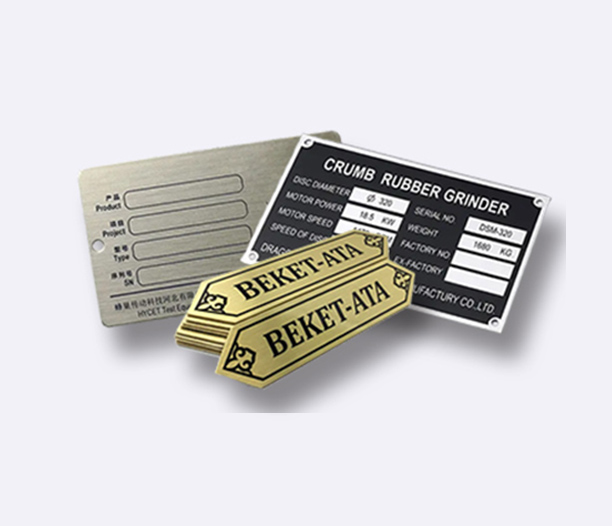
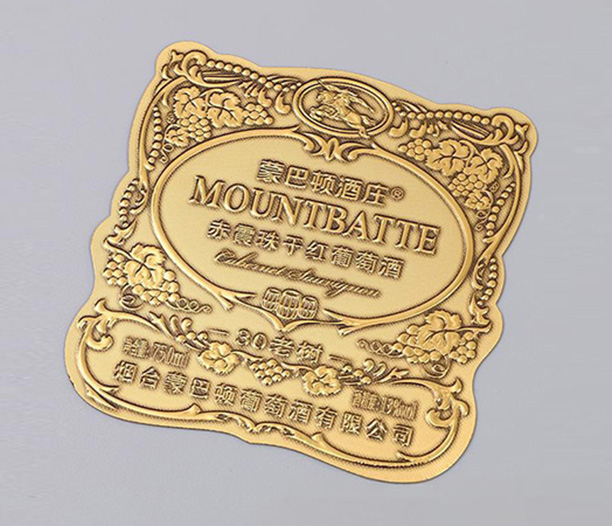
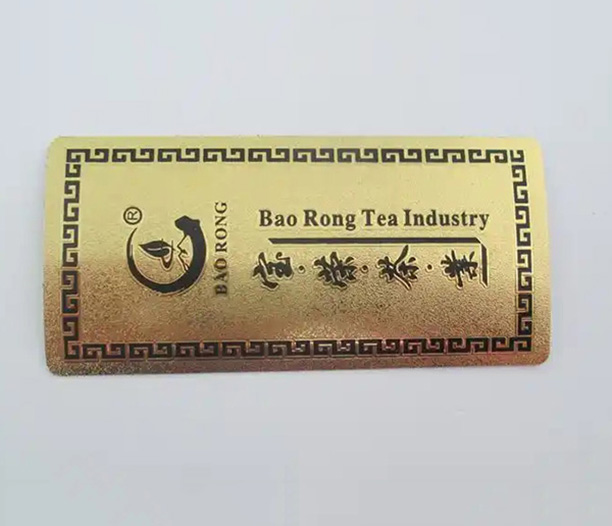
If you need an identification solution that lasts, aluminum name plates are often the top choice. These plates offer a professional look and exceptional durability. They are used in countless industries for asset tracking, branding, safety, and more.
Choosing the right name plate is crucial. This guide will explain everything you need to know. We will cover the benefits, types, and how to customize your order.
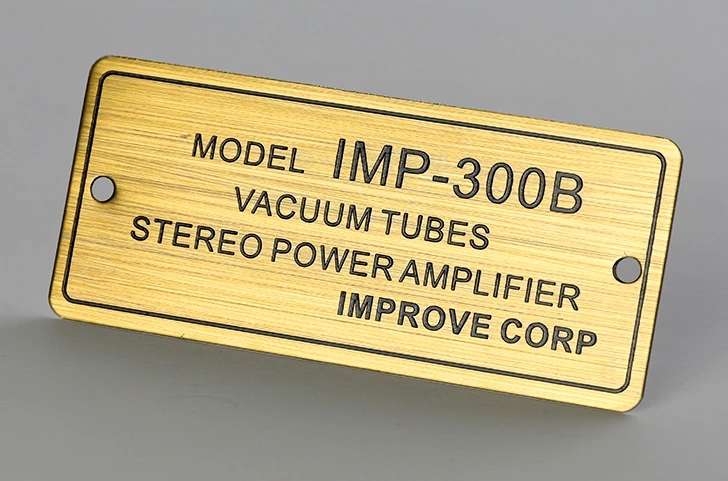
Why Choose Aluminum Name Plates?
Aluminum is a versatile metal. It provides the perfect balance of strength and weight. Aluminum name plates resist corrosion and can handle outdoor exposure. This makes them ideal for harsh environments.
They are also very lightweight. This simplifies installation on equipment, doors, and vehicles. You don't need heavy-duty fasteners. The material is also non-magnetic and non-sparking, adding to its safety profile.
Another key benefit is cost-effectiveness. Aluminum offers premium qualities at a reasonable price point. It is less expensive than stainless steel or brass. You get long-term value without a high initial cost.
Common Uses and Applications
Aluminum name plates serve many purposes. Their versatility is a major advantage. Here are some of the most common applications.
Industrial and Manufacturing Settings
Factories use these plates for equipment identification. They label machinery with model numbers, serial numbers, and safety warnings. The plates withstand oil, chemicals, and physical abrasion.
Building and Architectural Signage
Architects specify aluminum plates for room numbers, directories, and memorials. The material offers a sleek, modern appearance. It can be finished to match any design aesthetic, from brushed to polished.
Vehicle and Fleet Identification
From trucks to aircraft, durable aluminum tags are essential. They display VIN numbers, compliance labels, and fleet numbers. They handle vibration, weather, and UV exposure without fading or degrading.
Branding and Corporate Identity
Many companies use custom aluminum name plates for desks, awards, and lobby signage. The material conveys quality and permanence. It enhances a professional brand image effectively.
Understanding Different Types and Finishes
Not all aluminum name plates are the same. The manufacturing process creates different types. Each type has unique characteristics.
Photo-Anodized Aluminum Name Plates
This process embeds an image directly into the metal. A photographic image is sealed under a clear anodized layer. The result is incredibly detailed and permanent. It is perfect for logos, portraits, and complex graphics.
Etched Aluminum Name Plates
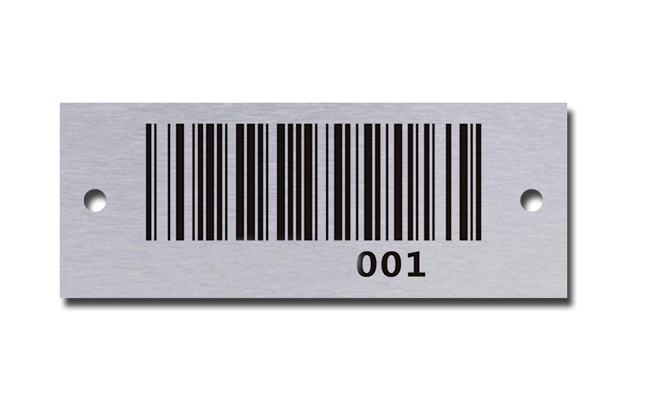
Chemical or laser etching removes material to create a design. The etched area can be left as-is or filled with color. This creates a sophisticated, tactile feel. Etched plates are common for technical labels and high-end signage.
Embossed or Stamped Aluminum Tags
These plates have raised lettering or borders. The design is pressed into the metal from the back. Embossing adds a classic, three-dimensional look. It is highly durable and readable from a distance.
Standard Anodized Aluminum Plates
Anodizing is an electrochemical process. It thickens the natural oxide layer on the aluminum. This enhances corrosion resistance and allows for dye coloring. You can get plates in many colors like black, red, blue, and gold.
The Customization Process: What to Consider
Ordering custom aluminum name plates is straightforward. Knowing your options helps you get the perfect product. Focus on these key elements.
Size and Shape
Determine the required dimensions for your space. Plates can be rectangular, circular, or custom-shaped. Consider the viewing distance. Larger plates are needed for walls, while smaller ones suit equipment panels.
Mounting Options
How will the plate be installed? Common methods include adhesive backing, screws, rivets, or welding studs. Permanent applications often use mechanical fasteners. For smooth, clean surfaces, strong industrial adhesives work well.
Information and Graphics
Decide what text and images to include. Common elements are company names, logos, serial numbers, and safety symbols. Provide high-resolution artwork for the best results. Clear, legible fonts are crucial for readability.
Finish and Color
Choose a finish that suits your environment and design. A brushed finish hides fingerprints and minor scratches. A polished mirror finish looks very premium. Color anodizing can match corporate colors or indicate different departments (e.g., red for safety).
How to Ensure Long-Term Durability
Aluminum name plates are built to last. However, proper specification and care extend their lifespan even further. Consider the operating environment.
For outdoor use, specify a high-grade aluminum like 5052 or 6061 alloy. Ensure the plate has a protective anodized coating. This coating prevents fading and corrosion from rain, salt, and sun.
Indoor plates have more flexibility. A standard anodized or even a painted finish may be sufficient. Avoid abrasive cleaners that can scratch the surface. For cleaning, use a soft cloth and mild soap with water.
Regular inspection is a good practice. Check for loose fasteners or lifting adhesive. Addressing minor issues early prevents plate loss or damage.
Frequently Asked Questions (FAQ)
Q1: How durable are aluminum name plates for outdoor use?
A1: Extremely durable. High-quality aluminum name plates, especially those with a hard anodized coating, are excellent for outdoor use. They resist rust, UV fading, and corrosion from moisture and temperature swings. They are a top choice for exterior building signage, fleet markers, and industrial equipment used outdoors.
Q2: Can I get a custom shape for my aluminum name plate?
A2: Yes, most manufacturers offer custom die-cutting or laser-cutting services. You are not limited to standard rectangles or circles. You can create unique shapes to fit a specific contour, match a logo outline, or meet design requirements. There may be an additional tooling fee for extremely complex custom shapes.
Q3: What is the difference between etched and engraved aluminum plates?
A3: While the terms are sometimes used interchangeably, the processes differ. Etching uses acid or a laser to chemically remove metal, creating a smooth, recessed area. Engraving (or mechanical engraving) uses a rotating bit to physically carve out material, leaving a textured groove. Etching often allows for finer detail and is better for complex graphics, while engraved text offers a very traditional, deep-cut appearance.
Q4: What are the best mounting methods for aluminum tags?
A4: The best method depends on the surface and permanence needed. For permanent installation on metal, screws, rivets, or welding studs are most secure. For smooth, non-porous surfaces like glass or painted walls, high-performance double-sided adhesive (like VHB tape) is clean and strong. For temporary identification, adhesive backing or even holes for zip ties can be used.
Q5: How do I clean and maintain my aluminum name plates?
A5: Maintenance is simple. For most plates, wiping with a soft, damp cloth and a mild detergent is sufficient. Avoid using harsh chemicals, abrasive pads, or steel wool, as these can damage the anodized or painted finish. For plates in very dirty environments, a gentle rinse with water is usually all that is needed to restore their appearance.