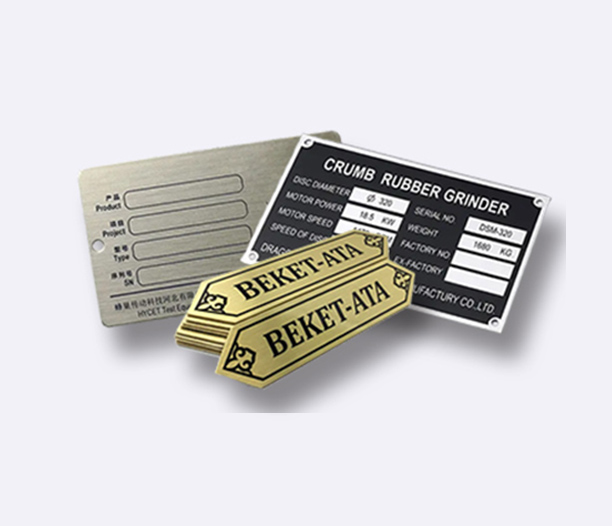
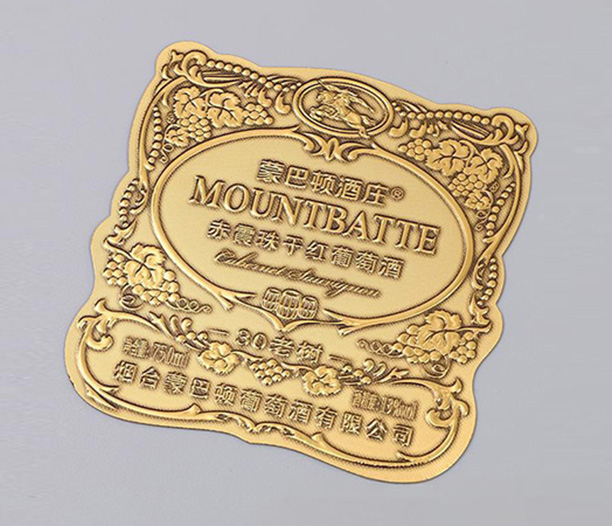
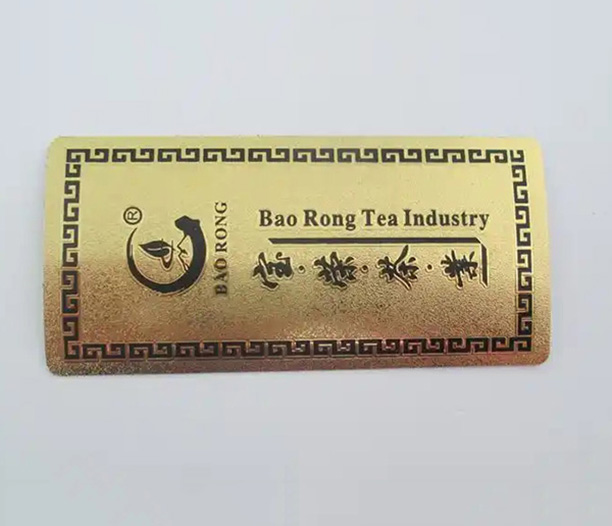
In environments where paper or plastic labels fail, metal barcode labels provide a permanent solution. These robust tags are designed to survive where others don’t. They withstand heat, chemicals, abrasion, and outdoor exposure for years.
If your asset tracking system demands reliability, understanding metal barcode labels is essential. This article breaks down their benefits, common uses, and how to select the right type for your needs. We’ll look at why they are a critical tool in many industries.
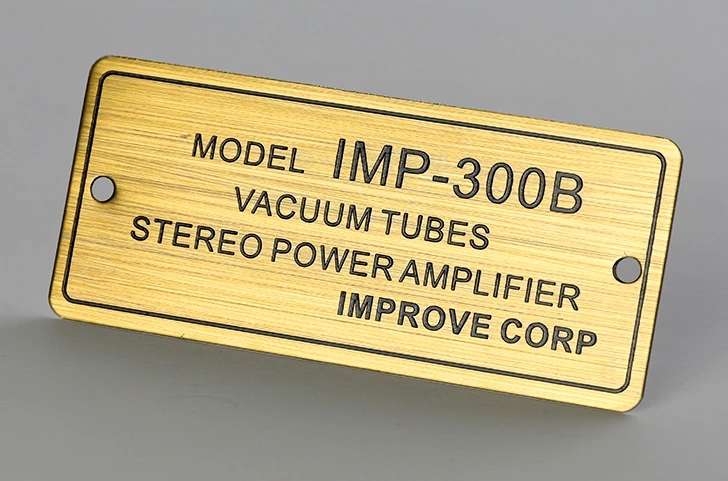
Why Metal Barcode Labels Outlast the Competition
Standard labels have limitations. Adhesive can dry out. Plastic can melt or become brittle. Printed ink can fade. Metal barcode labels solve these problems through their inherent material properties.
Durability is the primary advantage. Made from materials like aluminum or stainless steel, these labels resist physical damage. They won’t tear, peel, or curl at the edges. This makes them perfect for permanent asset identification.
They also handle extreme environments. High temperatures in manufacturing or engine compartments won’t affect them. Harsh chemicals, solvents, and oils won’t dissolve the surface. For outdoor use, they are immune to UV damage and moisture corrosion.
The barcode itself is permanently marked. Techniques like dot peen marking or chemical etching create the code directly into the metal. This means the barcode cannot be scratched off or worn away like an inkjet print. Data integrity is guaranteed for the life of the asset.
Where You’ll Find Metal Barcode Labels in Use
These labels are not for everyday office items. They are deployed in tough, demanding applications where tracking is critical. Their use spans numerous sectors.
Manufacturing and Industrial Automation
Factories use industrial metal tags on machinery, molds, and production line components. They survive constant vibration, coolant splash, and grime. Scanners read the codes reliably for maintenance scheduling and process control.
Laboratory and Medical Equipment
Autoclaves, sterilizers, and analytical instruments require labels that can withstand repeated high-temperature cleaning cycles. Chemical-resistant metal labels ensure equipment IDs remain legible and scannable in sterile environments.
Power and Utility Asset Management
Transformers, valves, and electrical panels are often located outdoors. Durable metal barcode tags withstand decades of weather exposure. They enable utilities to accurately track infrastructure for maintenance and regulatory compliance.
Automotive and Aerospace Industries
Components in these sectors face extreme stress. Metal asset tags are used on engine parts, frames, and tooling. They endure heat, fuels, lubricants, and physical impact, providing a reliable tracking method from production through end-of-life.
Different Types of Metal Barcode Labels
Not all metal barcode labels are created the same. The manufacturing process defines their appearance, cost, and performance. Understanding the differences helps in making the right choice.
Photo-Anodized Aluminum Labels
This process creates a high-contrast, permanent image. A barcode and text are photographically developed into an anodized aluminum surface. The result is excellent readability for both scanners and humans. It’s ideal for panels and equipment where a clean, professional look is needed.
Etched Metal Barcode Labels
Chemical or laser etching removes material to form the barcode. The etched areas can be left plain or filled with colored enamel for contrast. This method offers great precision for high-density 2D barcodes like Data Matrix codes, which are common in electronics and aerospace.
Dot Peen Marked Metal Tags
A carbide stylus physically indents dots into the metal to form the code. This is a very durable, low-cost method for creating direct part marks (DPM). The resulting code is readable even if the surface is painted over, as the indentation remains. It’s widely used for tracking individual parts.
Stamped Metal Barcode Plates
For simpler, larger barcodes like Code 39, steel stamps can physically emboss the characters. This is a highly rugged, traditional method. While less common for complex 2D codes, stamped plates are extremely durable for basic serialization in rough environments.
Key Factors When Ordering Custom Labels
Ordering the right metal barcode tags requires attention to detail. A poorly specified label might not scan or last as intended. Consider these elements before placing an order.
Barcode Type and Data Content
Decide between 1D (linear) and 2D barcodes. 2D codes like Data Matrix can hold more data in a smaller space. Provide the exact data string to be encoded. Test the code with your scanners beforehand to ensure compatibility.
Metal Substrate and Finish
Aluminum is lightweight, corrosion-resistant, and cost-effective for most uses. Stainless steel offers superior strength and chemical resistance for the harshest conditions. Choose a finish—such as brushed, plain, or anodized—that suits the environment and provides scan contrast.
Size and Mounting
The label must be large enough for your chosen barcode to be scannable. Consider the space available on the asset. For mounting, options include adhesive backing (with high-temperature acrylic for heat), screw holes, or welding studs. The method should match the asset’s surface and the need for permanence.
Scanability and Verification
Always request a scan report or verification grade from your supplier. This document proves the barcode meets quality standards (like ISO/IEC 15415). A poorly printed code, even on metal, will cause scanning headaches and data failures down the line.

Integrating Metal Labels into Your Tracking System
Implementing metal barcode labels is more than just buying tags. It requires planning to ensure a smooth workflow and a good return on investment.
Start with a pilot project. Tag a small batch of assets that represent your typical use case. Test the labels in the actual environment—scan them after exposure to heat, dirt, and handling. This validates your specifications before a full rollout.
Ensure your scanning equipment is matched to the label type. For etched or dot peen marks, a high-quality imager scanner is often necessary to read low-contrast or recessed codes. Train staff on the proper scanning technique for the new labels.
Finally, maintain a database that links the unique barcode on each durable metal tag to the complete history of the asset. The label is the physical key; the data system is where the real tracking power resides.
Frequently Asked Questions (FAQ)
Q1: How long do metal barcode labels typically last?
A1: When properly specified and installed, metal barcode labels can last for the entire lifespan of the asset, often 20 years or more. Their resistance to environmental and physical degradation makes them a true permanent identification solution, unlike printed labels which may need replacing every few years.
Q2: Can metal labels be applied with adhesive, or do they need holes for screws?
A2: Both methods are common. Many metal barcode tags come with a industrial-grade adhesive backing (like VHB tape) that creates a very strong, permanent bond to clean, smooth surfaces. For uneven surfaces, high-vibration environments, or where removal is never intended, mechanical fastening with screws, rivets, or welding studs is the more reliable choice.
Q3: What is the difference between a "metal label" and a "direct part mark" (DPM)?
A3: A metal barcode label is typically a separate tag that is attached to an asset. A Direct Part Mark (DPM) is a barcode etched, dot-peened, or laser-marked directly onto the asset itself, without a separate label. Labels offer more flexibility in size and data, while DPM is integrated into the part. Metal labels are often used when DPM is not feasible due to material or surface constraints.
Q4: Are metal barcode labels readable by all standard barcode scanners?
A4: Most 1D barcodes on photo-anodized or etched metal tags are easily read by laser and imager scanners. However, 2D codes on etched or dot-peened surfaces, especially those with low contrast, often require a high-performance imager scanner. It’s crucial to test your specific scanner with a sample label to ensure reliable read rates in your working conditions.
Q5: Can information on a metal label be updated if the asset data changes?
A5: Generally, no. The information on a permanent metal barcode label is just that—permanent. This is why they are used for static data like serial numbers, asset IDs, or manufacturer details. If information needs to change frequently, a secondary solution (like a plastic label over the metal one, or a separate database field) should be used in conjunction with the permanent metal tag.