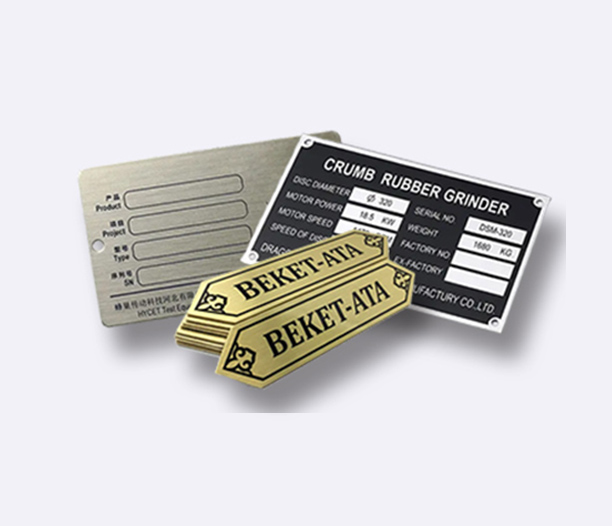
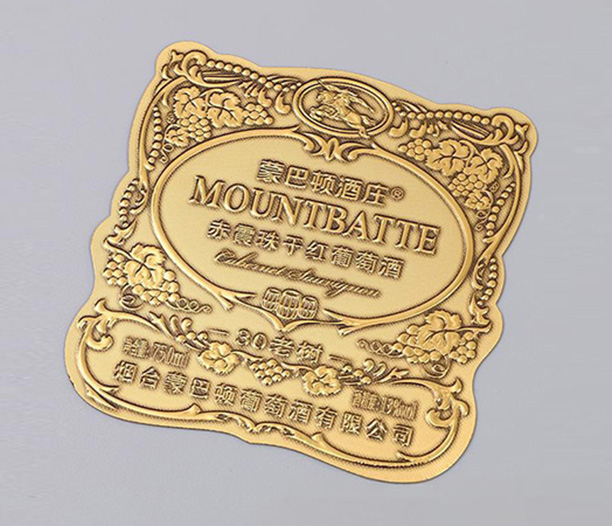
When dealing with motors, whether in industrial machinery or everyday appliances, one small component often goes unnoticed: the name plate for motor. This metal or plastic tag holds critical information that ensures safe operation, maintenance, and efficiency. Ignoring it can lead to costly downtime or safety hazards. In this article, we’ll dive deep into what motor name plates are, why they matter, and how to use them effectively. By the end, you’ll see why this humble plate is a cornerstone of motor management.
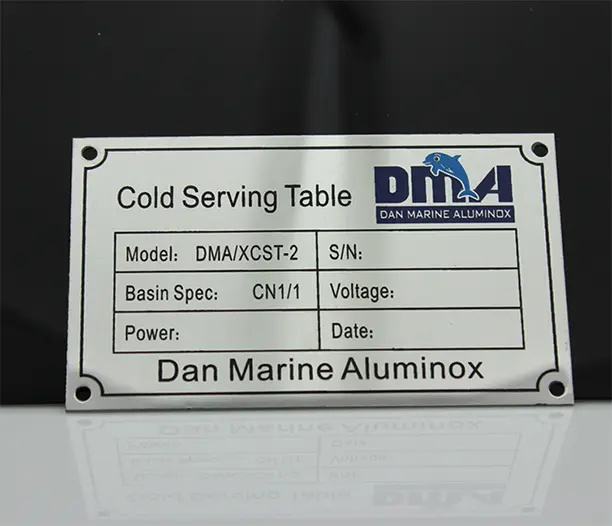
What is a Name Plate for Motor?
A name plate for motor is a permanent label attached to a motor’s housing. It provides essential details about the motor’s specifications and performance. Think of it as an ID card for the equipment. Without it, identifying the motor’s capabilities becomes a guessing game.
This plate is typically made from durable materials like aluminum or stainless steel. It’s designed to withstand harsh environments, including heat, moisture, and chemicals. The information on a name plate for motor is standardized, following industry norms for clarity.
Components of a Motor Name Plate
Every name plate for motor includes key data points. These help users understand the motor’s design and limits. Common elements are the motor’s power rating, voltage, current, speed, and frequency.
You might also find details like insulation class, duty cycle, and manufacturer codes. Each component plays a role in ensuring compatibility and safety. For instance, the voltage rating prevents electrical mismatches that could cause failures.
Why Name Plates are Essential
Name plates for motors are not just decorative. They serve practical purposes in daily operations. First, they enable proper installation by specifying electrical requirements. Second, they guide maintenance schedules based on duty cycles and temperature ratings.
In regulatory terms, many safety standards mandate name plates. They help inspectors verify compliance with codes. Overall, a well-maintained name plate for motor reduces risks and boosts productivity.
How to Read a Name Plate for Motor
Reading a name plate for motor might seem daunting at first. But with a bit of knowledge, it becomes straightforward. The key is to focus on the most critical parameters for your application. Let’s break down the common sections you’ll encounter.
Start by locating the model and serial numbers. These identify the motor uniquely. Then, check the power rating, usually in horsepower or kilowatts. This tells you the motor’s output capacity.
Decoding the Information
Voltage and current ratings are vital for electrical connections. They ensure the motor receives the right power supply. Frequency, often 50 or 60 Hz, affects speed and performance in alternating current motors.
Speed, measured in RPM, indicates how fast the motor rotates under load. Efficiency ratings show how well the motor converts electrical energy into mechanical work. Higher efficiency means lower operating costs.
Common Symbols and Codes
Name plates for motors often use symbols for compactness. For example, a triangle might denote delta connection, while a star symbol indicates wye connection. Insulation class is represented by letters like B, F, or H, reflecting temperature tolerance.
Understanding these codes prevents errors during wiring or replacement. Always refer to the manufacturer’s documentation if symbols are unclear. This practice ensures safe handling of the motor name plate.
Applications of Motor Name Plates
Name plates for motors are ubiquitous across various sectors. From heavy industries to home devices, they play a crucial role. Their applications extend beyond mere identification to operational planning and troubleshooting.
In factories, technicians rely on motor name plates to schedule repairs. In HVAC systems, they ensure motors match load requirements. Even in vehicles, name plates help mechanics select compatible parts.
In Industrial Settings
Industrial motors power conveyor belts, pumps, and compressors. Here, the name plate for motor is a reference for inventory management. It aids in sourcing replacements without trial and error.
During audits, name plates provide proof of equipment specifications. They support energy efficiency initiatives by highlighting performance metrics. Thus, a legible name plate for motor contributes to lean operations.
In Consumer Appliances
Household items like washing machines and refrigerators use motors with name plates. These tags inform repair technicians about voltage and power needs. For consumers, they offer insights into energy consumption.
When appliances malfunction, the name plate for motor helps diagnose issues. It ensures spare parts are ordered correctly, saving time and money. This small tag enhances product longevity and user safety.
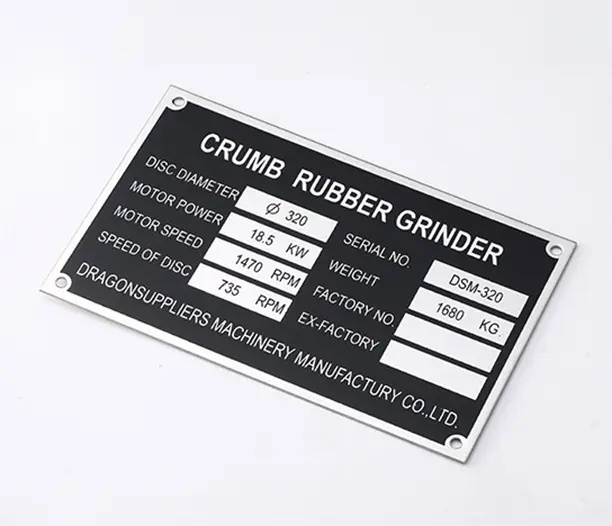
Choosing the Right Name Plate for Motor
Selecting a name plate for motor involves more than picking a material. It requires considering the operating environment and information clarity. A poorly chosen plate can fade or detach, leading to data loss.
Start by assessing the motor’s exposure to elements. Outdoor motors need corrosion-resistant name plates. High-temperature applications demand materials that won’t degrade under heat.
Material Considerations
Aluminum is popular for its balance of durability and cost. It resists rust and is easy to engrave. Stainless steel offers superior strength for harsh conditions, such as chemical plants.
Plastic name plates are lightweight and suitable for indoor use. However, they may not withstand UV exposure or abrasion. Always match the material to the motor’s lifecycle and maintenance schedule.
Durability and Legibility
The name plate for motor must remain readable throughout its service life. Use etched or stamped markings rather than printed ones. These methods prevent wear from cleaning or friction.
Contrasting colors between text and background enhance visibility. Regular inspections should check for damage or fading. A clear name plate for motor ensures information is always accessible.
Maintenance and Replacement of Name Plates
Like any component, name plates for motors require upkeep. Neglect can render them illegible, complicating maintenance. Simple steps can preserve these plates for years.
Clean name plates gently during routine motor servicing. Avoid harsh chemicals that might erode markings. If the plate is damaged, replace it promptly to avoid operational gaps.
Ensuring Longevity
Protective coatings can shield name plates from environmental stress. Clear laminates or anodizing add layers of defense. Positioning the plate away from direct heat or spray also helps.
Document the name plate details in digital records as a backup. This practice safeguards against physical loss. It also streamlines inventory tracking for multiple motors.
When to Replace
Replace a name plate for motor if it’s cracked, corroded, or unreadable. Missing information poses safety risks during repairs. Order replacements from reputable suppliers who adhere to standards.
When installing a new plate, verify all data matches the original specifications. Incorrect details on a name plate for motor can lead to mismanagement. Always double-check before affixing it.
In summary, the name plate for motor is a vital tool for anyone handling motors. It encodes essential data that drives safety, efficiency, and compliance. By understanding how to read and maintain these plates, you can optimize motor performance and lifespan.
Whether you’re an operator, technician, or manager, paying attention to motor name plates pays off. They are the silent guides that ensure equipment runs smoothly. Next time you encounter a motor, take a moment to examine its name plate—it might save you from future headaches.
Frequently Asked Questions
Q1: What information is typically found on a name plate for motor?
A1: A name plate for motor usually includes details like horsepower, voltage, current, speed (RPM), frequency, insulation class, duty cycle, and manufacturer information. These specs help in proper installation and maintenance.
Q2: Why is the name plate for motor important for safety?
A2: The name plate for motor provides critical ratings such as voltage and current limits. Using a motor outside these parameters can cause overheating, fires, or electrical shocks, making the plate essential for safe operation.
Q3: Can a motor operate without a name plate?
A3: While a motor might run without a name plate, it’s not recommended. Missing specifications can lead to incorrect wiring or overloading, increasing failure risks. Always replace a lost name plate for motor promptly.
Q4: How do I clean a name plate for motor without damaging it?
A4: Use a soft cloth and mild detergent to clean a name plate for motor. Avoid abrasive tools or strong chemicals that could erase markings. Regular gentle cleaning maintains legibility.
Q5: Where can I get a replacement name plate for motor?
A5: Replacement name plates for motors are available from motor manufacturers or specialized suppliers. Provide the old plate’s details or motor model to ensure accuracy. Custom engraving services can also create new plates.