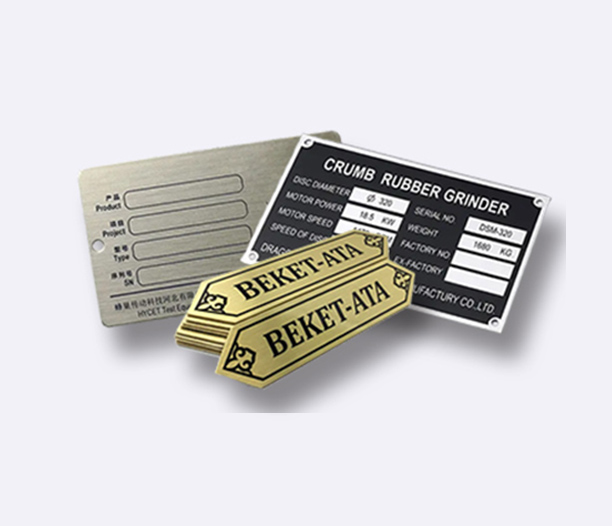
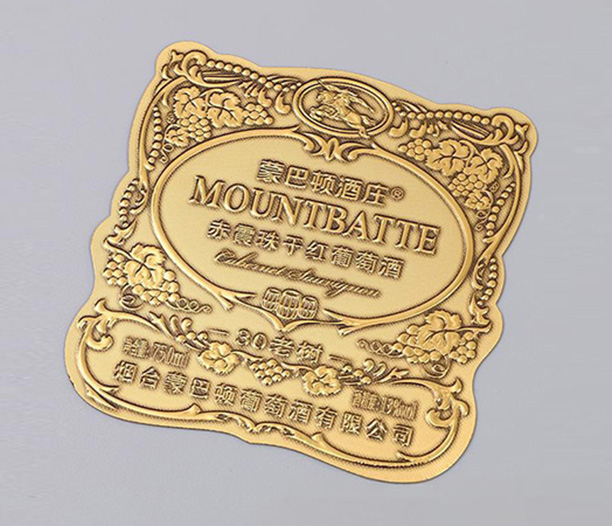
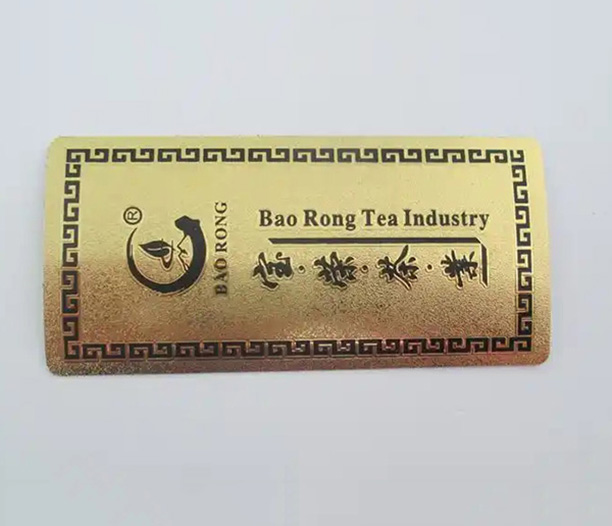
In the manufacturing and industrial sectors, identifying your assets is not optional. It is a requirement for safety, compliance, and branding. While there are many materials available for tagging machinery, the aluminium name plate remains the industry standard. It balances weight, durability, and cost effectively.
An aluminium name plate offers a versatile solution for everything from heavy aerospace components to office furniture. Unlike paper labels or plastic tags that degrade quickly, metal ensures your data remains readable for years.
This article details the specific advantages, manufacturing processes, and selection criteria for a high-quality aluminium name plate. We will look at why this material is the preferred choice for engineers and facility managers worldwide.
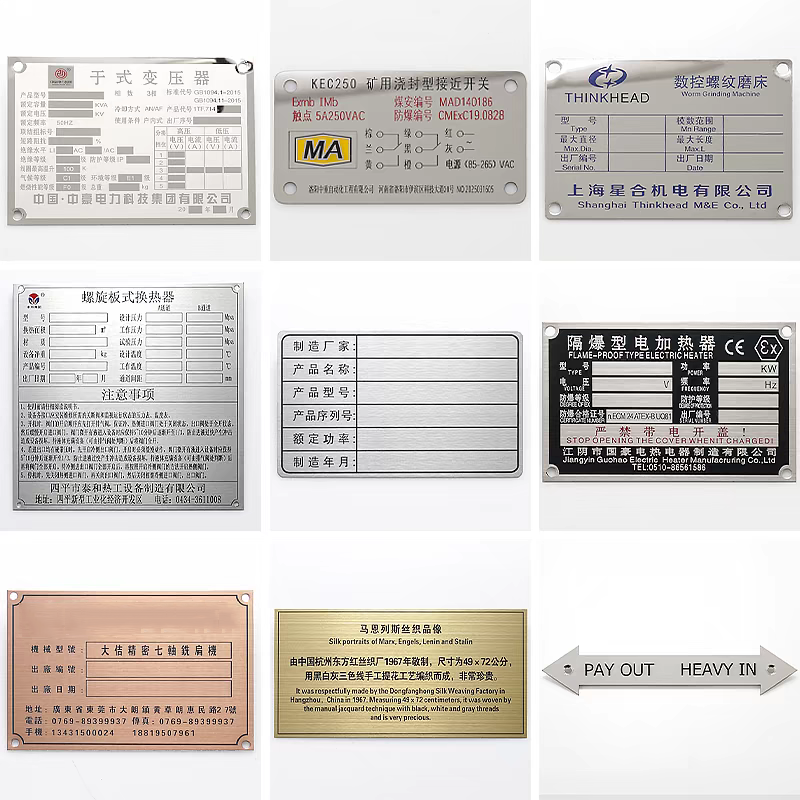
Why Choose an Aluminium Name Plate?
The primary reason to select an aluminium name plate is the material's inherent properties. Aluminium is lightweight yet remarkably strong. It does not weigh down the equipment it is attached to, which is vital for small electronics or aviation parts.
Corrosion resistance is another major factor. When exposed to air, aluminium forms a natural oxide layer. This protects the aluminium name plate from rust. This is different from steel, which requires painting or galvanizing to prevent corrosion.
Furthermore, an aluminium name plate is highly workable. It can be stamped, embossed, cut, and printed with ease. This flexibility allows manufacturers to create custom shapes and sizes without exorbitant tooling costs.
Manufacturing Process: Photosensitive Anodizing
One of the most durable ways to create an aluminium name plate is through photosensitive anodizing. This process, often referred to as Metalphoto, seals the image inside the metal.
The design is not printed on the surface. Instead, it is embedded within the anodic layer of the aluminium. Once sealed, the aluminium name plate becomes impervious to moisture, UV rays, and abrasion.
An anodized aluminium name plate can withstand outdoor exposure for over 20 years. It is the standard for military applications and marine environments where salt spray is a constant threat.
Manufacturing Process: Chemical Etching
Chemical etching is a traditional method that creates a permanent, physical depth to the text. In this process, acid dissolves specific areas of the aluminium name plate.
The etched areas are then typically filled with a colored enamel paint. Even if the paint chips off after decades of abuse, the legible information remains etched into the metal.
An etched aluminium name plate is ideal for environments involving harsh solvents. Since the text is recessed, it is protected from surface scraping and cleaning chemicals that might wipe away surface-printed inks.
Manufacturing Process: Screen Printing
For projects requiring specific branding colors, screen printing is a common choice. A screen-printed aluminium name plate allows for vibrant, exact color matching.
This method applies epoxy-based inks onto the surface of the metal. It is cost-effective for high-volume orders. While not as abrasion-resistant as etching, modern inks are very durable.
To enhance the longevity of a screen-printed aluminium name plate, a clear topcoat or lacquer is often applied. This protects the ink from minor scratches and fading caused by sunlight.
Manufacturing Process: Embossing and Stamping
If you need a 3D effect, embossing is the answer. An embossed aluminium name plate has raised characters. This is achieved by pressing the metal between two dies.
This makes the data legible even if the plate is painted over. This is common in automotive applications or valve tags. A stamped aluminium name plate is similar but typically involves indenting the characters into the metal.
Serialized data is often stamped. Since the numbers change on every unit, stamping is a fast way to mark a unique ID on each aluminium name plate without changing the printing setup.
Material Grades and Alloys
Not all aluminium is the same. The alloy you choose affects the performance of your aluminium name plate.
Alloy 1100: This is commercially pure aluminium. It is soft and easy to work with. It is excellent for an embossed aluminium name plate because it deforms without cracking.
Alloy 3003: This is the most widely used general-purpose alloy. It is stronger than 1100 and has better corrosion resistance. It is the standard choice for a printed or etched aluminium name plate.
Alloy 5052: For marine environments, 5052 is superior. It offers the highest strength among non-heat-treatable grades and resists saltwater corrosion. If your aluminium name plate is going on a boat or an oil rig, this is the alloy to specify.
Finishes and Aesthetics
The visual appeal of an aluminium name plate can be customized through various surface finishes. The background of the plate sets the contrast for your text.
Brushed Finish: This gives the metal a directional grain. A brushed aluminium name plate hides fingerprints and scratches well. It looks industrial and professional.
Matte Finish: A matte surface reduces glare. This is critical for barcode readability. If your aluminium name plate includes a QR code or barcode, a matte finish ensures scanners can read it easily under bright factory lights.
Gloss Finish: For decorative branding, a gloss finish makes colors pop. However, a high-gloss aluminium name plate can show scratches more easily than a brushed one.
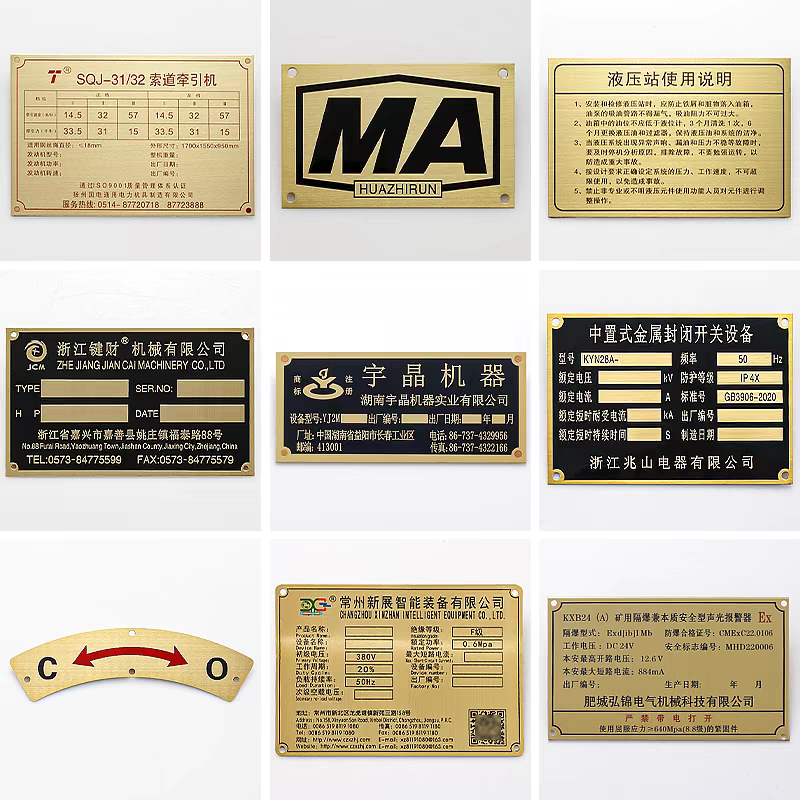
Durability in Harsh Environments
Industrial equipment faces tough conditions. Your tagging solution must match that environment. An aluminium name plate is chosen specifically for its ability to survive extremes.
Temperature Resistance: Aluminium has a high melting point. A standard aluminium name plate can withstand temperatures up to 800°F (426°C) depending on the inks used. Etched plates can go even higher.
Chemical Resistance: In food processing or chemical plants, equipment is washed down with caustic cleaners. An anodized aluminium name plate is unaffected by most industrial solvents, ensuring safety warnings remain visible.
Abrasion Resistance: Sand, dust, and vibrating machinery act like sandpaper. Hard-anodized surfaces on an aluminium name plate are nearly as hard as sapphire, resisting wear in abrasive environments.
Integration with Asset Tracking Systems
Modern manufacturing relies on data. An aluminium name plate acts as the bridge between physical assets and digital systems.
By incorporating barcodes or Data Matrix codes, the aluminium name plate becomes a scannable data point. Maintenance teams can scan the plate to see service history.
Because the contrast on aluminium can be controlled, the first-read rate for scanners is high. Using a durable aluminium name plate for asset tracking prevents the "ghost asset" problem where tags fall off and equipment goes missing from the ledger.
Adhesive and Mounting Options
A great plate is useless if it falls off. Selecting the right attachment method for your aluminium name plate is critical.
Pressure Sensitive Adhesives (PSA): High-bond foam adhesives are standard. They bond well to smooth surfaces. When ordering an aluminium name plate, specify the surface energy of the mounting area to get the right glue.
Mechanical Fasteners: For rough or powder-coated surfaces, holes are necessary. You can order your aluminium name plate with pre-punched holes. Screws or rivets provide the most secure attachment.
Curved Surfaces: Aluminium can be roll-formed. If your equipment is cylindrical, like a pipe or motor housing, the aluminium name plate can be pre-curved to fit the radius perfectly.
Designing for Clarity and Compliance
When designing your aluminium name plate, function should follow form. The goal is communication.
Ensure the font size is legible from the required viewing distance. On a small aluminium name plate, avoid clutter. Only include essential information like Model Number, Serial Number, and Voltage.
Check industry standards. Sectors like aerospace or automotive often have strict regulations regarding font styles and plate sizes. Your aluminium name plate must comply with these norms to pass inspection.
Cost Considerations and Budgeting
The price of an aluminium name plate depends on several variables. Understanding these helps in budgeting.
Thickness: Thicker metal costs more. Standard thicknesses are 0.020", 0.032", and 0.063". For a flat surface, a thinner aluminium name plate saves money without sacrificing readability.
Color Count: In screen printing, each color adds to the setup cost. A single-color aluminium name plate is the most economical option.
Volume: Tooling costs are amortized over the quantity. Ordering 1,000 units of an aluminium name plate results in a much lower unit price than ordering 10.
Sustainability and Recycling
Sustainability is a growing concern in manufacturing. Aluminium is one of the most recyclable materials on the planet.
An aluminium name plate can be recycled endlessly without losing its properties. At the end of a machine's life, the plate does not become landfill waste.
Using an aluminium name plate signals a commitment to environmentally responsible materials. It is a small detail that contributes to the overall green credentials of a product.
Comparison with Stainless Steel and Brass
While we focus on the aluminium name plate, it is worth noting how it compares to other metals.
Stainless steel is harder and more chemically resistant but significantly heavier and more expensive. You might choose steel over an aluminium name plate for hygienic food applications, but for general ID, aluminium is more cost-effective.
Brass offers a classic look but tarnishes easily. An aluminium name plate can be anodized to look like brass or gold, providing the aesthetic without the maintenance or high cost of copper alloys.
The Role of Thickness in Durability
The thickness of your aluminium name plate affects its impact resistance.
For an asset tag sitting on a computer, a thin foil (0.003") or thin plate (0.012") is fine. However, for a control panel fascia, a thick aluminium name plate (0.063" or more) provides structural rigidity.
If the plate overhangs an edge or acts as a button guard, you need the structural strength of a thicker aluminium name plate.
Final Thoughts on Selection
Selecting the right identification solution requires balancing cost, environment, and lifespan. The aluminium name plate offers the best middle ground for the vast majority of industrial applications.
It provides the professional look of metal, the durability of anodization, and the flexibility of custom fabrication. Whether you need ten plates for a prototype or ten thousand for a production run, an aluminium name plate delivers reliable performance.
Investigate your environment, determine your data needs, and specify an aluminium name plate that secures your brand identity for the life of your product.
Frequently Asked Questions (FAQ)
Q1: How long will an aluminium name plate last outdoors?
A1: The lifespan depends on the manufacturing process. A standard screen-printed plate may last 3-5 years outdoors before fading. However, an anodized aluminium name plate (where the image is sealed inside the metal) can last over 20 years in direct sunlight and weather without significant fading or corrosion.
Q2: What is the best thickness for a standard aluminium name plate?
A2: The most common thickness for a rigid aluminium name plate is 0.032 inches (roughly 0.8mm). This provides enough stiffness to handle easily but is thin enough to remain cost-effective. For curved surfaces, a thinner 0.020-inch plate is often used to conform to the radius.
Q3: Can you put variable data like serial numbers on an aluminium name plate?
A3: Yes. This is typically done through stamping, laser engraving, or digital printing. You can order a batch where every aluminium name plate has the same logo and layout, but a unique serial number or barcode is added to each individual unit.
Q4: How do I clean an industrial aluminium name plate?
A4: Most aluminium plates can be cleaned with mild soap and water. If the aluminium name plate is anodized, it is resistant to stronger solvents like acetone or brake cleaner. However, if it is surface-printed, you should avoid harsh abrasive scrubbers that could scratch the ink.
Q5: Is an aluminium name plate better than a stainless steel one?
A5: "Better" depends on the application. An aluminium name plate is lighter, cheaper, and easier to machine than stainless steel. It is better for general machinery and electronics. However, stainless steel is better for extremely acidic environments or food-grade applications where sanitation requires aggressive caustic washdowns.