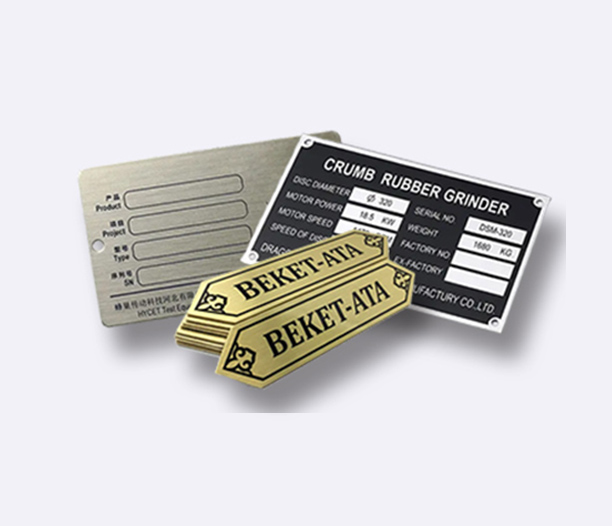
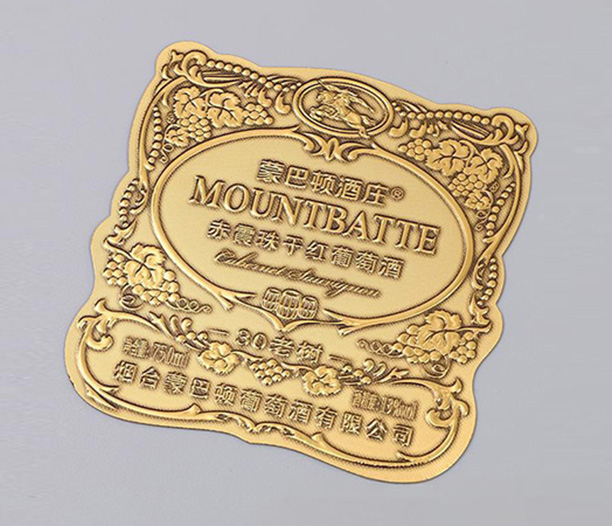
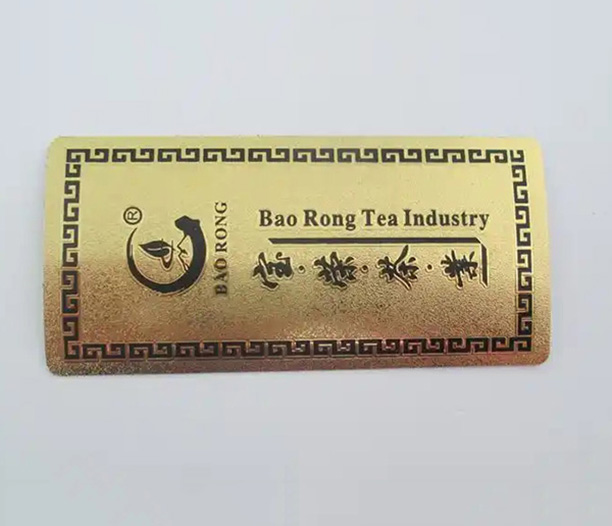
In the competitive world of manufacturing and corporate identity, small details often make the biggest impact. A product without branding is a missed opportunity. This is where a high-quality name plate with logo becomes essential. It is not just a label; it is a permanent mark of ownership and quality.
Whether you are manufacturing heavy machinery, managing an office space, or selling high-end appliances, the way you display your brand matters. A generic sticker peels off and fades. A metal or high-grade plastic name plate with logo endures.
This article covers everything you need to know about selecting, designing, and manufacturing the perfect branding plates for your needs.
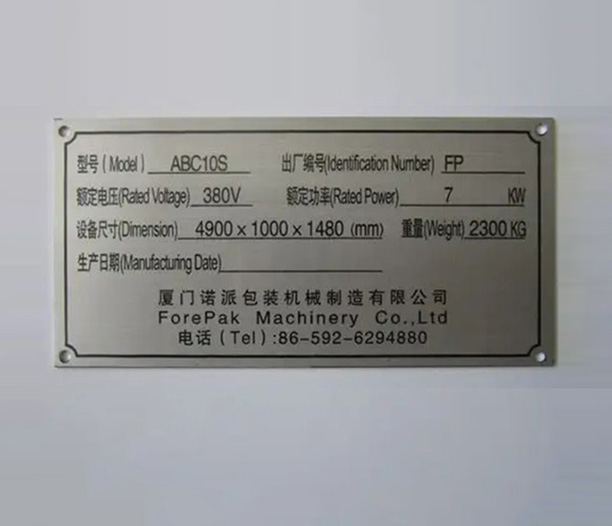
The Importance of a Name Plate with Logo for Branding
Your logo is the face of your company. When a customer looks at a piece of equipment or walks into an office, the signage they see sets the tone. A name plate with logo communicates that you care about longevity and quality.
If you manufacture industrial pumps, for example, that equipment might sit in a factory for twenty years. If the tag fades, the end-user loses your contact info. A durable name plate with logo ensures that when they need parts or service, your brand is right there, clearly visible.
For corporate offices, desk and door plates featuring the company logo create a cohesive environment. It unifies the team and impresses visiting clients. It transforms a generic workspace into a branded environment.
Material Selection: Metal Options
Choosing the right material is the first step in creating a durable name plate with logo. The environment where the plate will live dictates the material choice.
AluminumAluminum is the most popular choice for a name plate with logo. It is lightweight, cost-effective, and resists corrosion. Anodized aluminum seals the image into the metal, making it incredibly durable against chemicals and sunlight.
Stainless SteelFor harsh environments, stainless steel is superior. If your name plate with logo will be exposed to saltwater, high heat, or caustic cleaning agents, stainless steel is the answer. It provides a sleek, industrial look that screams durability.
BrassBrass offers a classic, premium aesthetic. It is often used for luxury furniture, high-end audio equipment, or commemorative plaques. A brass name plate with logo develops a patina over time or can be lacquered to maintain its shine.
Material Selection: Plastic and Flexible Options
Not every application requires metal. Sometimes, a flexible or cost-effective solution is better for your name plate with logo.
Polycarbonate (Lexan)Polycarbonate is impact-resistant and allows for subsurface printing. This means the ink is printed on the back of the clear material. The plastic protects your logo from scratching. This is excellent for control panels or electronic device overlays.
Polyester (Mylar)If you need a thin, flexible name plate with logo that can stick to curved surfaces, Mylar is a strong contender. It is durable against tearing and can handle moderate temperatures. It is often used for inventory tags or warning labels that include branding.
Manufacturing Processes for Your Name Plate with Logo
Once you have a material, you need to decide how the image gets onto the plate. Different processes offer different levels of durability for your name plate with logo.
Chemical EtchingEtching uses acid to eat away parts of the metal. The recessed areas are then filled with colored enamel paint. This creates physical depth. Even if the paint chips years later, the etched logo remains visible. This is the gold standard for a long-lasting name plate with logo.
Screen PrintingScreen printing involves applying ink directly to the surface. It is ideal for matching specific Pantone colors. While modern epoxy inks are durable, they sit on top of the surface. For a name plate with logo that faces heavy abrasion, you might want to add a clear protective coat.
Metalphoto (Photosensitive Anodizing)This process seals the image inside the anodized layer of aluminum. It is smooth to the touch. A name plate with logo made this way is UV stable and can last outdoors for over 20 years. It is widely used in military and aerospace applications.
Design Best Practices for Visibility
A messy design can ruin a high-quality plate. When designing a name plate with logo, clarity is king. You are working with a small surface area, so every millimeter counts.
Contrast is KeyEnsure there is high contrast between the background and the logo. A black logo on a silver background is classic and readable. A dark blue logo on a black background will disappear. Your name plate with logo must be legible from a distance.
Simplify the ArtworkIntricate gradients and shading often don't translate well to etching or stamping. Solid colors work best. If your logo has complex 3D effects, consider simplifying it to a flat version for the name plate with logo. This ensures a clean, crisp manufacturing result.
Font SelectionIf your plate includes text alongside the logo, avoid script fonts. Block lettering is easier to read on industrial tags. The goal of a name plate with logo is communication, not just decoration.
Industrial Applications and Asset Tracking
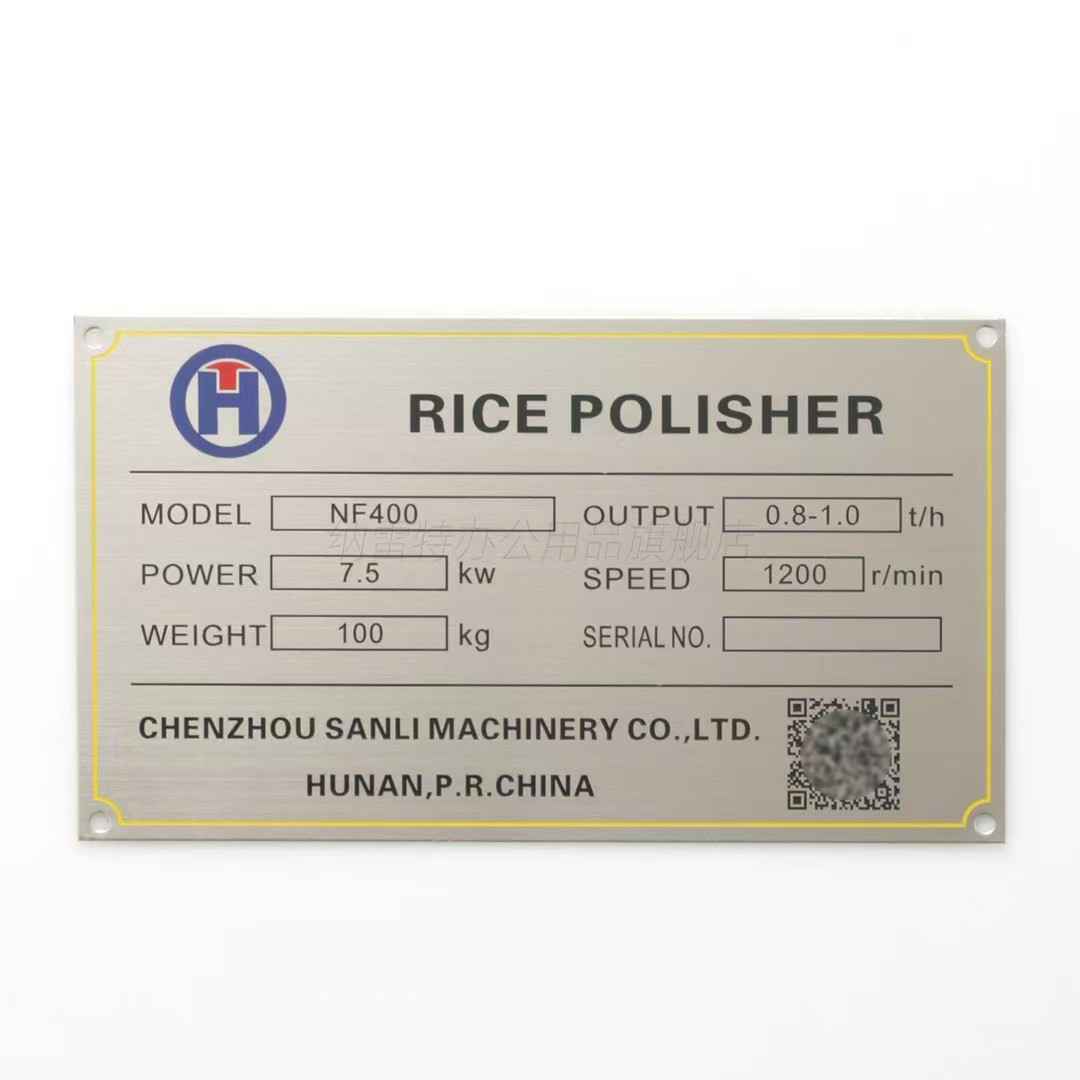
In the industrial sector, a name plate with logo often doubles as an asset tag. These plates carry serial numbers, barcodes, or QR codes alongside the company branding.
By integrating a barcode with your name plate with logo, you solve two problems at once. You provide brand visibility and allow for inventory management. The logo identifies the manufacturer, while the barcode identifies the specific unit.
These plates must be rugged. They are often attached to motors, valves, and generators. The name plate with logo in this context serves as a compliance document, often carrying safety ratings and electrical specifications.
Office and Corporate Identity Usage
Moving away from the factory floor, the name plate with logo plays a massive role in office aesthetics.
Desk WedgesA personalized desk nameplate that includes the company logo adds authority. It shows that the employee is a valued part of the brand. It looks far more professional than a simple paper insert.
Door SignageConference rooms and executive offices should have uniform signage. A brushed aluminum name plate with logo mounted next to a door signals a modern, organized company. Consistency in these details builds trust with visitors.
Reception AreasThe first thing a client sees is the reception desk. A large, dimensional name plate with logo behind the receptionist is standard practice. However, smaller replica plates on the desk itself reinforce the brand identity immediately.
Mounting and Attachment Methods
How you attach the plate is just as important as how it looks. A name plate with logo that falls off is useless.
Pressure Sensitive Adhesive (PSA)Modern adhesives, like those from 3M, are incredibly strong. For most smooth surfaces, a high-bond foam adhesive is sufficient to hold a name plate with logo in place for years. It requires a clean surface during application.
Mechanical FastenersFor heavy machinery or rough surfaces, adhesive isn't enough. You should order your name plate with logo with pre-punched holes. Rivets or screws ensure the plate physically cannot be removed without tools. This is preferred for outdoor equipment.
Magnetic BackingFor temporary labeling, such as on warehouse racking or whiteboards, magnetic backing is useful. It allows the name plate with logo to be moved as inventory shifts, maintaining branding without permanent damage to shelves.
Cost Factors and Budgeting
The price of a name plate with logo varies wildly based on volume and material. Understanding these factors helps you budget effectively.
Tooling CostsProcesses like die-casting or embossing require custom molds. This involves an upfront tooling fee. However, the unit price drops significantly for high volumes. If you need 10,000 units, the tooling cost is negligible. If you need 10 units, a name plate with logo made via digital printing or laser marking is cheaper because there is no tooling.
Number of ColorsIn screen printing and etching, every additional color adds cost. A single-color name plate with logo is the most economical. If your logo has four colors, each one requires a separate pass or screen, increasing labor and setup time.
Size and ThicknessNaturally, more material costs more money. Thicker metal feels more premium but adds weight and cost. For a standard name plate with logo, 0.020" or 0.032" aluminum is usually sufficient.
Creating Artwork Files for Manufacturing
Manufacturers need specific file formats to produce a crisp name plate with logo. Sending a low-resolution JPEG will result in a blurry, unprofessional product.
Vector Files are EssentialYou must provide vector artwork. Files ending in .AI, .EPS, or .PDF are standard. Vector files use mathematical formulas to draw lines, meaning they can be scaled infinitely without losing quality. This allows the manufacturer to scale your name plate with logo perfectly.
Color CodesDo not rely on what the color looks like on your monitor. Monitors vary. Specify Pantone (PMS) color codes. This ensures that the red on your name plate with logo matches the red on your business cards and website exactly.
Durability Testing and Standards
Depending on your industry, your name plate with logo might need to meet specific certifications.
Salt Spray TestingFor marine applications, plates are subjected to salt spray tests to check for corrosion. A 316-grade stainless steel name plate with logo is usually required to pass these rigorous standards.
UV ResistanceIf the plate is outdoors, UV rays can fade ink and break down plastic. You must specify UV-stable inks or anodization for any outdoor name plate with logo.
Temperature RatingsEngines and ovens get hot. A polycarbonate label might melt. A ceramic-coated stainless steel name plate with logo can withstand extreme heat without discoloration.
The Role of Technology: QR Codes and NFC
The modern name plate with logo is becoming a digital portal. Companies are now embedding Near Field Communication (NFC) chips or etching QR codes directly onto the plate.
When a user scans the QR code on the name plate with logo, they can be taken instantly to a digital manual, a reordering page, or a service request form. This bridges the gap between the physical product and digital customer service.
This adds immense value. The name plate with logo becomes a functional tool, not just a label. It improves user experience and keeps your brand helpful and accessible.
Common Mistakes to Avoid
When ordering a name plate with logo, we see customers make the same errors repeatedly. Avoiding these will save you time and money.
Ignoring Surface TextureIf you stick a rigid metal plate on a curved surface, it will pop off. If the surface is textured powder coat, standard adhesive won't stick. You must tell the manufacturer where the name plate with logo will be attached so they can recommend the right adhesive or material.
Overcrowding the DesignDon't try to fit your address, phone number, website, slogan, and logo all on a 2-inch plate. It becomes unreadable. Keep the name plate with logo clean. Use a QR code if you need to convey a lot of data.
Wrong Material for EnvironmentUsing a plastic label on a hot engine is a recipe for failure. Using a steel plate in a chlorine environment can lead to rusting if the wrong grade is chosen. Always define the environment for your name plate with logo before ordering.
Conclusion: Investing in Your Brand Image
A name plate with logo is a small component with a large job. It protects your brand identity, assists with asset tracking, and conveys a message of quality to your customers.
Whether you choose etched stainless steel for industrial durability or sleek printed aluminum for office elegance, the key is customization. A well-made name plate with logo stands the test of time, ensuring your company name remains visible long after the sale is made.
Take the time to select the right material, refine your design, and choose the correct mounting option. Your brand deserves more than a temporary sticker; it deserves a permanent mark of quality.
Frequently Asked Questions (FAQ)
Q1: What is the most durable material for an outdoor name plate with logo?
A1: For outdoor use, anodized aluminum or 316 stainless steel are the best choices. Anodized aluminum seals the image inside the metal, protecting it from UV rays and weather. 316 stainless steel offers superior corrosion resistance, making it ideal for marine or coastal environments.
Q2: Can I get a name plate with logo that has a serial number?
A2: Yes, this is very common. We call this "variable data." You can order a name plate with logo that includes a static logo but a unique serial number or barcode on every single plate. This is essential for asset tracking and warranty verification.
Q3: What file format do I need to send for my logo?
A3: To ensure the highest quality print or etch, you should provide vector artwork. The most common formats are .AI (Adobe Illustrator), .EPS, or vector .PDF. These files allow the manufacturer to scale the logo without it becoming pixelated or blurry.
Q4: How do I attach the name plate with logo to my product?
A4: There are two main methods: adhesive and mechanical fasteners. For smooth, flat surfaces, a high-bond 3M adhesive is usually sufficient and easy to apply. For rough surfaces or heavy-duty machinery, it is better to order the plates with pre-punched holes for rivets or screws.
Q5: Is there a minimum order quantity for a custom name plate with logo?
A5: This depends on the manufacturing process. For chemical etching or die-casting, there is usually a minimum (e.g., 50 or 100 units) due to setup costs. However, for digital printing or laser engraving, many manufacturers can produce a single name plate with logo or a very small batch at a reasonable cost.