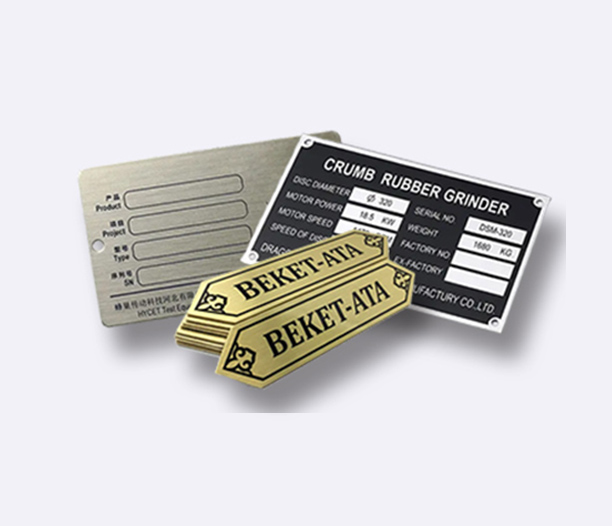
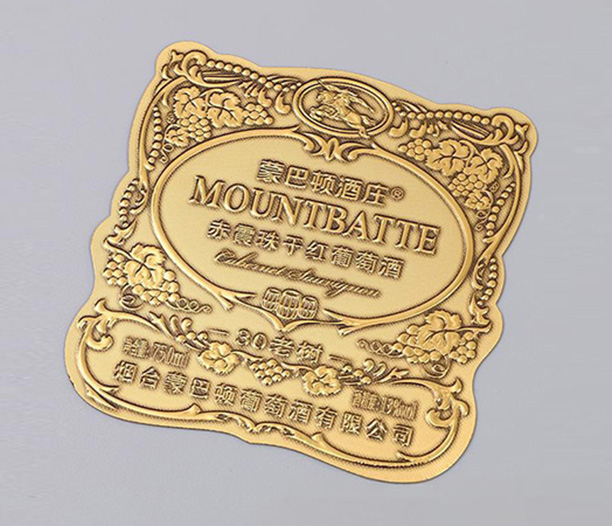
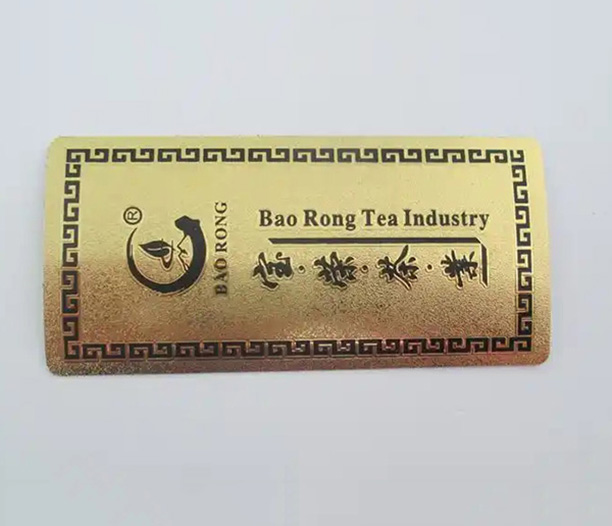
5 Technical Benchmarks for High-Reliability Equipment ID Labels in Industrial Asset ManagementIndustrial operations depend on the ability to accurately identify, track, and maintain thousands of assets—from rotating machinery and pressure vessels to electrical switchgear and mobile fleet. Equipment ID labels form the foundational layer of any asset management system, yet they are frequently specified as an afterthought. When a label fails—through fading, delamination, or physical detachment—the consequences cascade: maintenance errors, regulatory citations, and hours of lost productivity spent re-identifying components.
Unlike consumer-grade stickers, industrial-grade identification must withstand a defined set of environmental stressors over a service life that often exceeds 20 years. This guide provides a technical framework for selecting equipment ID labels based on substrate performance, marking permanence, attachment engineering, and compliance with standards such as ISO 9001, ANSI, and MIL-STD-130. Drawing on decades of application data from sectors including petrochemical, power generation, and defense, we outline the criteria that separate disposable identifiers from truly permanent asset tags.
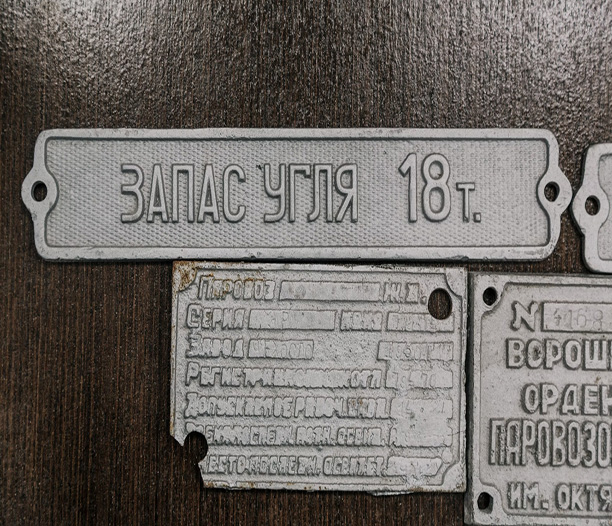
1. Material Selection: Matching Substrate to Service Environment
The base material of an identification tag dictates its chemical resistance, operating temperature range, mechanical strength, and compatibility with attachment methods. Generic polyester or vinyl labels fail in roughly 80% of heavy industrial applications within the first 18 months, based on field failure analysis conducted across 40 manufacturing sites. Below is a technical breakdown of proven substrate classes for durable identification.
Anodized Aluminum (Type II & Type III)
Anodized aluminum remains the most widely adopted material for high-volume equipment labeling due to its balance of durability, weight, and cost. The anodizing process converts the aluminum surface into a hard, corrosion-resistant oxide layer. Type III hard coat anodizing achieves a surface hardness of 60–70 Rockwell C, making it highly resistant to abrasion from frequent cleaning or incidental contact.
Marking Method: Laser engraving through the anodized layer creates high-contrast markings (white against black or dark bronze) with permanent readability. The mark is integral to the substrate, not a surface coating.
Temperature Limits: Functional from -40°F to +350°F continuous; short-term exposure to +500°F is acceptable.
Corrosion Resistance: Withstands 1,000+ hours of salt spray per ASTM B117, suitable for coastal facilities and chemical processing environments.
Stainless Steel (304, 316, 316L)
For applications involving extreme temperatures, caustic chemicals, or high mechanical abrasion, stainless steel tags provide the highest level of durability. Grade 316L, with molybdenum addition, offers superior pitting resistance in chloride-rich environments such as offshore platforms, wastewater treatment, and food processing.
Marking Options: Laser engraving creates a dark, annealed mark; deep mechanical engraving (0.010”–0.020”) provides tactile permanence for environments with sandblasting or heavy coating cycles.
Temperature Range: -325°F to +1200°F, enabling use on furnace doors, heat exchangers, and cryogenic storage vessels.
Attachment: Spot welding or stainless steel rivets are preferred to adhesives, as the high thermal mass can compromise adhesive bonds in temperature-cycling applications.
Polyester (Laminated) vs. Metal: A Lifecycle Comparison
While laminated polyester labels offer a lower upfront cost, their total cost of ownership in harsh environments is significantly higher. Data from a 2023 asset management study showed that facilities replacing polyester labels every 2–3 years incurred labor and downtime costs 5.2 times greater than the initial investment in metal-based equipment ID labels over a 15-year horizon. For assets with expected operational lives exceeding a decade, metal substrates are the only cost-effective choice.
2. Permanence of Marking: Engraving vs. Printing
The method by which data is applied to the label determines whether the information remains legible under solvent exposure, UV radiation, and mechanical wear. Industry standards classify marking permanence as either “temporary” (printed or adhesive-based) or “permanent” (engraved, etched, or stamped).
Laser Engraving – The Gold Standard
Fiber laser systems produce marks by physically vaporizing material, creating a recessed cavity that cannot be removed without destroying the tag. This method is preferred for applications requiring:
Data Matrix codes verified to ISO/IEC 15415 grade A or B.
Resistance to solvents (acetone, MEK, hydraulic fluid, jet fuel) per MIL-STD-202 Method 215.
High-contrast markings on anodized aluminum and stainless steel.
Laser-engraved tags typically maintain 100% readability after 2,000 hours of accelerated weathering (ASTM G154), with no measurable fading.
Chemical Etching
For high-volume orders where fine detail and stress-free marking are critical, photochemical etching creates a recessed image without thermal or mechanical stress. Etched tags are commonly used on thin-gauge materials (0.005”–0.020”) and are often filled with epoxy inks for enhanced contrast. The combination of etched recess and durable epoxy provides a service life exceeding 20 years in moderate industrial environments.
3. Compliance with UID / IUID and Industry Standards
For organizations supplying to the U.S. Department of Defense (DoD) or working within regulated industries, equipment ID labels must adhere to strict data format and durability specifications. Non-compliance can result in rejected shipments, audit findings, and contract penalties.
MIL-STD-130 (UID / IUID)
The DoD’s MIL-STD-130 standard mandates that all deliverable assets carry a Unique Identification (UID) mark consisting of a 2D Data Matrix containing specific enterprise identifier and serial number data. Compliance requires:
Permanence classification “P” – the marking must remain legible after exposure to specified fluids, abrasion, and environmental cycles.
Verification of Data Matrix quality using an ISO/IEC 15415-compliant verifier, achieving at least grade B (3.0) on the final product.
Marking must be applied directly to the equipment or to a tag permanently attached.
Hemawell Nameplate provides full UID-compliant tags with on-site verification, including Certificates of Conformance that cite the applicable MIL-STD revision.
ANSI / ISA-79.0.1 (Hazardous Locations)
For equipment installed in hazardous locations (Class I, Division 1 or 2), identification tags must meet specific material and marking requirements to prevent static discharge and ensure legibility. Metal tags with non-sparking properties and laser-engraved markings are commonly specified for such environments.
4. Attachment Engineering: The Most Overlooked Failure Point
Industry failure analysis consistently identifies attachment as the primary cause of tag loss, accounting for over 60% of identification failures. Selecting the correct attachment method requires analysis of substrate material, vibration profile, temperature cycling, and accessibility for future scanning.
High-Bond Acrylic Adhesives (VHB): Suitable for smooth, clean surfaces with moderate temperature ranges (-40°F to +250°F). Not recommended for oily surfaces or applications with sustained vibration above 10g.
Mechanical Fasteners (Rivets, Drive Screws): Provide the highest pull strength (up to 500+ lbs) and are specified for heavy equipment, mobile assets, and high-vibration environments. Tamper-resistant drive screws deter unauthorized removal.
Stainless Steel Wire / Cable Ties: Ideal for cylindrical assets such as pipes, valves, and hydraulic accumulators. When using wire ties, 316L stainless steel is mandatory for corrosive environments.
Spot Welding: Provides the most permanent attachment for stainless steel tags on steel structures. The tag becomes a permanent fixture but requires skilled labor and is not reversible without grinding.
When specifying equipment ID labels for rotating equipment or mobile fleet, a combination of mechanical fasteners and an industrial adhesive is often specified to distribute shear loads and prevent vibration-induced loosening.
5. Data Integration: From Static Tags to Connected Assets
Modern industrial identification extends beyond simple asset naming. The convergence of laser marking technology and asset management software enables tags to serve as physical interfaces to digital records. Advanced equipment ID labels now incorporate:
2D Data Matrix Codes: Encoded with asset-specific data such as serial number, model, installation date, and maintenance interval. When scanned with a handheld reader or mobile device, the code can automatically open a work order, display a digital twin, or link to historical service records in CMMS platforms like SAP, Maximo, or Infor.
Human-Readable + Machine-Readable Redundancy: Dual-marking ensures that even if scanning equipment is unavailable, operators can manually capture asset data. This is critical for facilities where barcode readers may not be standard issue.
QR Codes with Embedded URLs: For non-classified environments, QR codes can direct technicians to equipment-specific documentation (manuals, schematics, safety data sheets) via a secure intranet portal.
Data integration reduces lookup time by an average of 35 seconds per maintenance task, according to field studies. For a facility conducting 5,000 maintenance tasks annually, this translates to over 175 hours of recovered labor.
6. Supplier Qualification: Beyond the Price Quotation
Selecting a supplier for high-performance identification requires evaluation of technical capabilities, quality systems, and traceability. Key qualification criteria include:
In-House Manufacturing: Suppliers who control the entire production process—material sourcing, laser engraving/etching, and verification—provide consistent quality and faster lead times. Outsourced production introduces variables in material quality and marking permanence.
Quality Management System: ISO 9001:2015 certification is a baseline. For aerospace and defense applications, AS9100D certification is required.
Test Documentation: The ability to provide material test reports (mill certs), salt spray test results, and marking permanence validation reports is essential for regulated industries.
Hemawell Nameplate maintains full vertical integration, from material certification to final verification, ensuring that each tag meets the specified durability and compliance parameters. This approach eliminates variability and supports audit-ready documentation.
A Systems Approach to Asset Identification
Specifying equipment ID labels is not a commodity procurement decision; it is a critical engineering choice that directly impacts maintenance efficiency, safety, and regulatory compliance. By evaluating substrates against environmental data, selecting marking methods that achieve true permanence, engineering attachment for the operational vibration profile, and ensuring data integration with existing CMMS, organizations can achieve identification systems that perform flawlessly over the full asset lifecycle. The marginal cost difference between an engineered metal tag and a disposable label is quickly recovered through reduced labor, avoided downtime, and sustained audit compliance.
Frequently Asked Questions (FAQ)
Q1: What is the expected service life of laser-engraved equipment ID labels in outdoor chemical plant environments?
A1: Laser-engraved anodized aluminum or 316L stainless steel tags, when attached with appropriate mechanical fasteners, typically provide legibility for 20+ years in outdoor chemical environments. Accelerated testing (ASTM B117 salt spray, ASTM G154 UV) shows no measurable degradation in marking contrast or substrate integrity after 2,000 hours, which correlates to 15–20 years of real-world exposure.
Q2: How do I ensure my equipment ID labels meet UID / MIL-STD-130 requirements for a DoD contract?
A2: You must specify that the tags be manufactured to MIL-STD-130 with permanence classification "P". The supplier should provide a Certificate of Conformance referencing the standard, and the Data Matrix codes must be verified using an ISO/IEC 15415-compliant verifier, with verification data recorded per lot. Hemawell Nameplate provides this documentation as part of standard production for defense-related orders.
Q3: Can equipment ID labels be applied to assets with existing paint or powder coating without compromising the coating?
A3: Yes, but the method depends on the coating and the required permanence. For powder-coated surfaces, high-bond acrylic foam tapes (VHB) can achieve strong adhesion without damaging the coating. For high-vibration assets where mechanical fasteners are required, gasketed tags or washers should be used to prevent coating cracking and moisture ingress under the fastener head.
Q4: What is the smallest Data Matrix code size that can be reliably laser-engraved on metal tags?
A4: With a fiber laser system, we routinely produce Data Matrix codes as small as 3mm x 3mm (0.12” x 0.12”) with cell sizes of 0.2mm (0.008”). These codes can be read with high-resolution handheld imagers. For environments where scanning may occur under poor lighting or with older readers, a 5mm x 5mm code is recommended for optimal grade A verification.
Q5: How do I select between anodized aluminum and stainless steel for equipment ID labels in a food processing facility?
A5: For food processing, 316L stainless steel is the preferred material due to its corrosion resistance to frequent washdowns with caustic cleaners (sodium hydroxide, phosphoric acid) and high-pressure steam. Stainless steel also meets USDA and FDA requirements for non-porous surfaces. Anodized aluminum can be used in dry processing areas but may show pitting if exposed to acidic or alkaline cleaners over time.