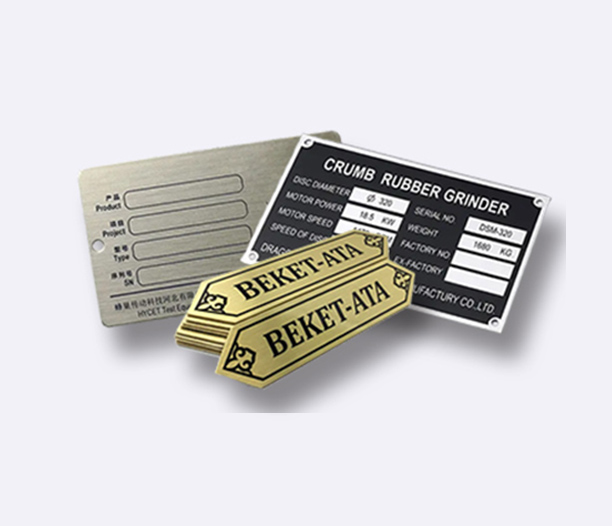
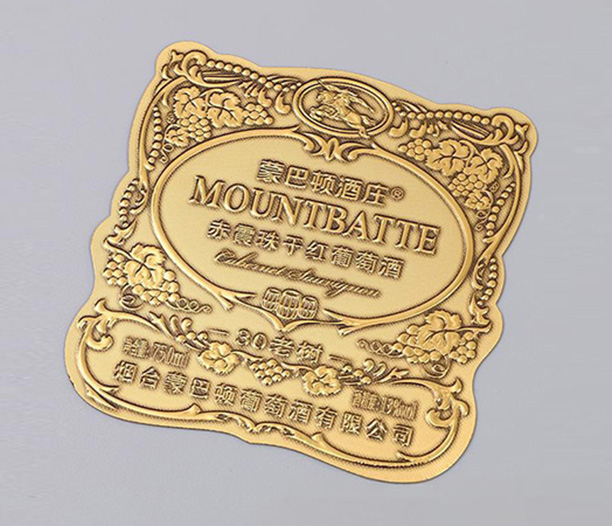
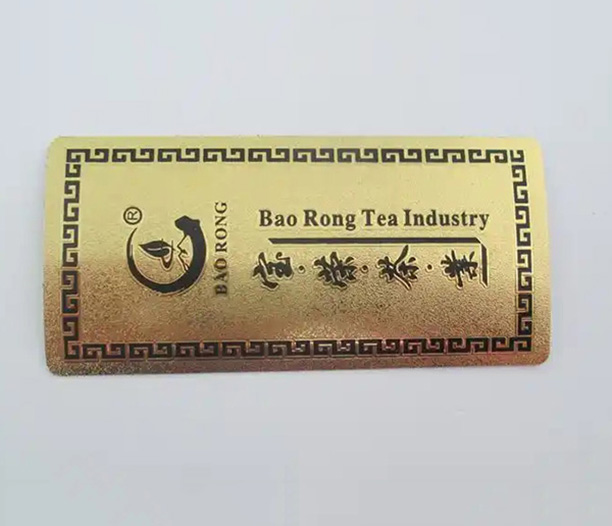
Placards are simple yet powerful tools for sharing messages. They appear in protests, stores, and events worldwide. This article looks at many **examples of placards** to show their role in daily life. You will see how they inform, persuade, and warn people.
We cover common types and creative designs. By the end, you will know how to make your own. Let's start with the basics of placards and their importance.

What Are Placards and Why Do They Matter?
A placard is a sign or board that displays information. It is often held by hand or placed in a visible spot. Placards are used for many reasons. They can spread ideas, advertise products, or ensure safety.
Key Features of Effective Placards
Good placards share some traits. They are easy to read and understand. Here are some points:
Clear message: The text should be short and direct.
Bold design: Use colors and fonts that stand out.
Durable materials: Choose stuff like cardboard or plastic for longevity.
These features help placards work well in any setting. Looking at **examples of placards** can inspire better designs.
Common Examples of Placards in Public Spaces
Placards are everywhere in public areas. They serve practical purposes. From streets to shops, they guide and inform people.
Protest and Demonstration Placards
Protests often use placards to share demands. These signs carry slogans or images. They aim to catch media attention.
Climate change rallies with eco-friendly messages.
Human rights marches calling for equality.
Political events with campaign statements.
Such **examples of placards** show how visuals support social causes. They turn voices into visible actions.
Commercial and Advertising Placards
Stores use placards to promote sales or products. These signs are placed near entrances or windows. They attract customers quickly.
For instance, a cafe might have a placard for daily specials. A mall could display directions on placards. These tools boost business by sharing key info.
Event-Based Examples of Placards
Events rely on placards for organization and flair. They help guests navigate and enjoy the occasion.
Wedding and Celebration Placards
Weddings use placards for seating charts or welcome signs. They add a personal touch. Designs often match the theme.
Rustic wood placards with calligraphy.
Modern acrylic signs for elegant parties.
DIY placards for budget-friendly events.
These examples of placards show creativity in celebrations. They make events memorable and smooth.
Conference and Seminar Placards
At conferences, placards guide attendees. They mark rooms, sessions, or speaker names. This reduces confusion.
Companies also use placards for branding. A well-designed sign can reinforce a professional image. It helps people connect with the event's purpose.
Design Elements for Effective Placards
Design plays a big role in placard success. A poor design can hide the message. A good one makes it pop.
Color and Typography Tips
Colors evoke emotions. Bright hues like red draw attention. Softer tones like blue feel calm. Choose based on the goal.
Typography should be legible. Sans-serif fonts work well from a distance. Avoid fancy scripts that are hard to read. Keep text large and spaced out.
Material Choices for Durability
Materials affect how long a placard lasts. Outdoor placards need weather-resistant options. Indoor ones can be lighter.
Cardboard: Cheap and good for short-term use.
Foam board: Lightweight and sturdy for events.
Plastic: Durable for repeated use.
Wood: Offers a natural look for decor.
Picking the right material ensures your placard serves its purpose. Reviewing **examples of placards** can help decide.
Safety and Regulatory Examples of Placards
Placards are vital for safety and rules. They warn of dangers or give instructions. This protects people in various settings.
Hazard Warning Placards
In workplaces, placards mark hazardous areas. They use symbols and text to alert workers. For example, a "High Voltage" sign prevents accidents.
Transportation also uses them. Trucks carrying chemicals have placards with codes. These inform emergency responders about risks.
Informational and Directional Placards
Public spaces like parks use placards for directions. They show maps or point to facilities. This improves visitor experience.
Museums often have placards near exhibits. They explain artifacts briefly. Such signs educate without overwhelming people.
These examples of placards highlight their role in safety and order. They are tools for clear communication.
Creative and Unusual Examples of Placards
Placards can be fun and artistic. People use them for personal expression or unique projects.
Art Installations and Placards
Artists sometimes use placards in their work. They might display poems or political statements. This blends art with activism.
Galleries have placards as part of exhibits. They provide context for the art. This engages viewers on a deeper level.
Personal and DIY Placards
DIY placards are popular for hobbies. Crafters make them for home decor or gifts. They allow customization.
Chalkboard placards for kitchen menus.
Hand-painted signs for garden labels.
Digital placards for social media photos.
These **examples of placards** show how versatile they are. Anyone can create one with simple tools.
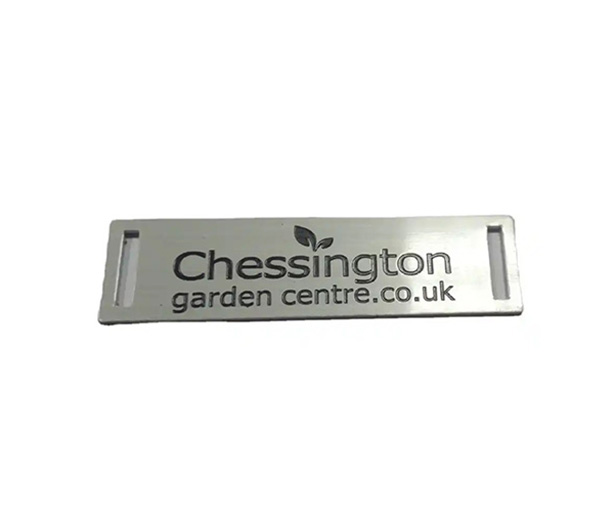
How to Choose the Right Placard for Your Needs
Selecting a placard depends on your goal. Consider the audience, location, and message. This ensures effectiveness.
Factors to Consider
Think about where the placard will be used. Outdoor signs need durability. Indoor ones can focus on aesthetics.
Also, define your message. A protest placard should be bold. An event placard might be more elegant. Match the design to the purpose.
Where to Find Inspiration
Look at real-world **examples of placards** for ideas. Online galleries or local events are good sources. Note what works and what doesn't.
You can also sketch your own designs. Experiment with layouts and colors. Practice helps improve your placard-making skills.
Placards are essential in many areas of life. They communicate messages quickly and effectively. From protests to parties, they serve diverse needs.
We have explored various **examples of placards** in this article. Each type shows how design and context matter. Use these insights to create your own placards.
Remember, a good placard is clear, durable, and suited to its setting. Whether for safety or creativity, it can make a difference. Keep learning from existing examples to enhance your projects.
Frequently Asked Questions About Placards
Q1: What are the most common materials used for making placards?
A1: Common materials include cardboard, foam board, plastic, and wood. Cardboard is affordable for short-term use. Foam board is light and good for events. Plastic lasts longer outdoors. Wood offers a rustic look for decor.
Q2: How can I ensure my placard is easy to read from a distance?
A2: Use large, bold fonts and high-contrast colors. Sans-serif typefaces like Arial work well. Avoid clutter and keep the message short. Testing the placard from afar helps check readability.
Q3: Are there legal guidelines for using placards in protests?
A3: Laws vary by location. Generally, content should be non-violent and not obstruct public spaces. Some areas require permits for large demonstrations. Check local regulations to avoid issues.
Q4: Can placards be used for indoor business promotions?
A4: Yes, placards are great for indoor promotions. They can highlight sales, direct customers, or display menus. Use elegant designs that match your brand. Place them in high-traffic areas for best results.
Q5: Where can I see more examples of placards for design inspiration?
A5: You can visit online resources like design blogs or social media. Looking at examples of placards on websites provides many ideas. Local events and stores also offer real-world samples to study.