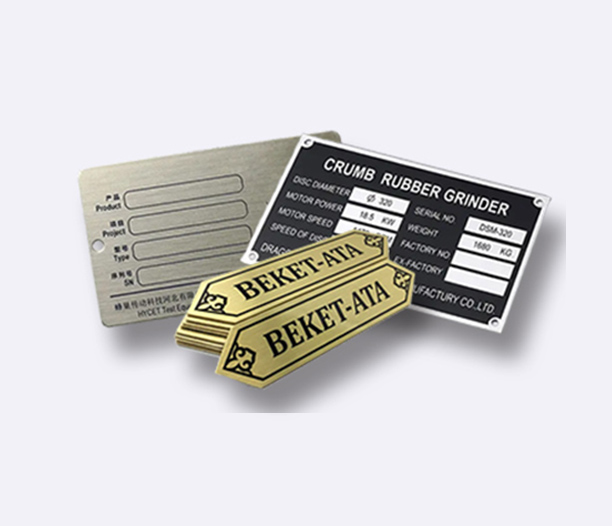
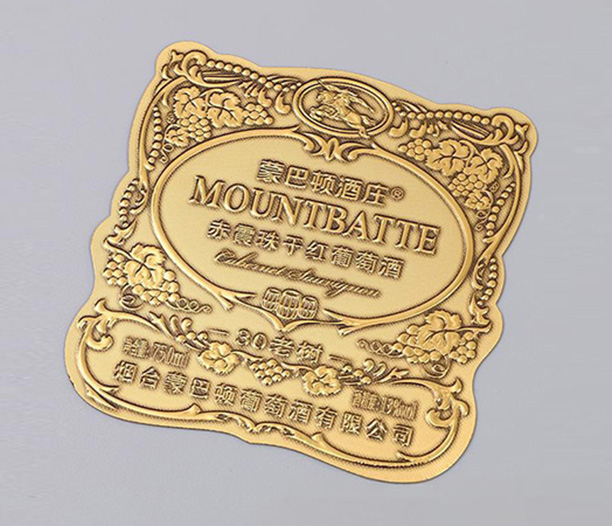
Walking through a furniture store can be exciting. So many styles and pieces catch your eye. But then you look at the furniture price tags. The numbers can be surprising.
Why does one chair cost so much more than another? What are you really paying for? This article explains the details behind those tags. It helps you become a smarter shopper.
We will look at what makes up the price. We will also explore how to read labels and find good value. Let's start by breaking down the common parts of a price tag.

What's on a Furniture Price Tag? More Than Just a Number
A price tag is more than a sticker with a cost. It holds key information about the product. Understanding each part helps you judge its true value.
The Listed Price and Product Details
The biggest number is the retail price. This is what the store asks you to pay. Nearby, you often find smaller details.
Item Name/Model: Identifies the piece, like "Corner Sofa - Model Aura."
SKU Number: A unique code for inventory and ordering.
Dimensions: Height, width, and depth to ensure it fits your space.
These details let you compare the same item across different sellers. Always check them.
Material and Construction Information
This is the most important section for quality. Tags should list what the item is made from.
For example, a table tag might say "Solid Oak" or "Engineered Wood with Oak Veneer." The first is typically more costly and durable. The second is more affordable.
Look for clues about construction:
"Dovetail Joints" in drawers indicate better craftsmanship.
"High-Density Foam" suggests longer-lasting cushions.
"Kiln-Dried Wood" means it's less likely to warp.
This information justifies the numbers on furniture price tags.
Key Factors That Influence Furniture Price Tags
Many elements work together to set a final price. Knowing these helps you understand what you are buying.
Materials and Sourcing Costs
Raw materials are a major cost driver. Solid hardwoods like walnut or mahogany are expensive. Metals, quality glass, and natural stone also add cost.
Fabrics vary widely. Performance fabrics that resist stains cost more than basic polyester. Where materials come from matters too. Imported exotic woods increase the price.
Design, Brand, and Craftsmanship
Designer names or famous brands add a premium. You pay partly for the design intellectual property. Handcrafted pieces involve many hours of skilled labor.
Mass-produced items from large factories are often cheaper. But they may lack unique details. The level of finish and quality control also affects cost. A smooth, even finish takes more time and skill.
How to Read and Compare Furniture Price Tags Effectively
Smart shopping means looking beyond the price. It involves comparing value between similar items.
Evaluating Cost Per Use and Longevity
Think about how long the furniture will last. A $800 sofa that sags in two years is a poor value. A $1500 sofa that stays comfortable for ten years is a better investment.
Calculate cost per year of use. This perspective makes higher initial prices easier to consider. Check warranties on the tag; a longer warranty often signals better quality.
Spotting Red Flags and Hidden Fees
Some tags hide important information. Be cautious if you see vague terms.
"Wood Product": This could mean low-grade particle board.
"Assembled Weight": A very light item may feel flimsy.
"*Price does not include": Look for asterisks noting extra fees.
Always ask about delivery, assembly, and return policy costs. These rarely appear on the physical furniture price tags but impact your total budget.

Price Tag Strategies: Different Stores, Different Approaches
Not all stores price their furniture the same way. Their business model shapes how they display cost.
Big-Box Retailers and Flat-Pack Furniture
Stores like IKEA have very clear tags. The price is usually low and all-inclusive. The tag highlights DIY assembly and compact packaging.
These tags focus on functionality and modern style. They often list multiple color options on one tag. The low price point is the main feature.
High-End Showrooms and Boutique Stores
In boutiques, the price tag might be minimalist or even separate. Sales staff often explain the price verbally. The focus is on story, artisanship, and exclusive materials.
Tags here may mention designer names, collection stories, or custom options. The price reflects this exclusive experience, not just the physical item.
The Role of Sales, Discounts, and Negotiation
The price on the tag is not always final. Many furniture stores have flexible pricing, especially for larger items.
Understanding Sale Tags and Markdowns
A "Sale" or "Clearance" tag shows a reduced price. Compare it to the "Compare At" or "Original" price. Ensure the discount is genuine, not a permanent markdown.
Seasonal sales are common. Floor models or discontinued items often get deep discounts. Their tags might have additional stickers showing the new price.
When and How to Negotiate
For large items like sofas or dining sets, negotiation is often possible. Do your research first. Know the prices at competing stores.
Politely ask if the price is flexible. You can also ask for free delivery or assembly instead of a lower price. Being prepared can help you get a better deal than the tag shows.
The Importance of Clear and Informative Price Tags
Good tags build trust. They help customers make confident decisions without feeling pressured.
Benefits for the Customer
Transparent tags allow for self-paced shopping. You can compare features and materials on your own. This reduces purchase anxiety and post-purchase regret.
Clear information empowers you. You understand what makes one piece cost more than another. This turns the price from a mystery into a logical conclusion.
Benefits for the Retailer
For stores, detailed tags educate customers. They reduce the number of basic questions staff must answer. They also justify pricing, minimizing disputes about value.
Well-designed tags that match the store's brand enhance the shopping experience. They look professional and make product information accessible. This builds a reputation for honesty.
Conclusion: Becoming a Savvy Furniture Shopper
Understanding furniture price tags is a key skill. It moves you from guessing to knowing. You learn to see the story behind the number.
Remember to look at materials, construction, and brand. Compare value over time, not just upfront cost. Be aware of different store pricing strategies.
With this knowledge, you can navigate any showroom with confidence. You will find pieces that offer true value for your money. The tag becomes a tool, not a barrier, to creating a home you love.
Frequently Asked Questions About Furniture Price Tags
Q1: Is the price on a furniture tag always the final price I pay?
A1: Not always. The tag shows the retail price, but sales tax, delivery fees, and assembly costs are usually added later. In many stores, especially for big-ticket items, the price may be negotiable.
Q2: What does "COM" or "COL" mean on a furniture price tag?
A2: "COM" stands for "Customer's Own Material." "COL" means "Customer's Own Leather." This indicates the price is for the frame only, and you can provide your own fabric or leather, often for custom upholstery.
Q3: How can I tell if a high price tag means high quality?
A3: Check the details on the tag. Look for solid wood, dovetail joints, high-density foam, and reputable brand names. A strong warranty (5+ years) is also a good sign. Avoid vague terms like "wood-like" or "bonded leather."
Q4: Why do two pieces that look similar have very different price tags?
A4: Differences are often in materials and construction. One may use solid wood and hand-tying springs, while the other uses particle board and webbing. The finish, hardware, and design origin also affect the furniture price tags.
Q5: What should I do if a furniture tag has very little information?
A5: Ask a sales associate for detailed specifications. Request information on core materials, fillings, and country of origin. If they cannot provide clear answers, it may be a sign to shop elsewhere for a more transparent purchase.