In any facility where equipment, processes, and safety are critical, keeping track of inspections isn't just good practice—it's often the law. A handwritten note in a logbook can get lost. A generic sticker might fade or fall off.
This is where custom inspection tags become a fundamental tool. They provide a physical, durable, and unambiguous record that an inspection has been performed. More than just a placeholder, a well-designed tag communicates vital information at the point of need.
Let's look at how these specialized tags work, why they are so effective, and what you should consider when implementing them.
What Are Custom Inspection Tags?
Custom inspection tags are durable labels or cards attached to equipment, machinery, valves, fire extinguishers, or safety harnesses to indicate their inspection status.
They are "custom" because they are tailored to a specific process, piece of equipment, or regulatory requirement. Unlike off-the-shelf tags, they contain the exact information your team needs.
Common elements include asset ID numbers, inspection dates, next due dates, inspector initials or ID, and pass/fail status. They serve as a visual workflow tool and a permanent record.
These inspection labels act as a direct communication link between inspectors, operators, and management, ensuring everyone can instantly see the condition and readiness of an asset.
The Critical Role They Play in Operations
Why go through the effort of creating custom inspection tags? Their impact touches several core areas of business performance.
First and foremost is safety. A tag on a ladder, hoist, or electrical panel confirms it is safe for the next person to use. It prevents accidents by providing a clear, visual warning or confirmation.
They enforce regulatory compliance. OSHA, ISO, FDA, and other agencies often require documented proof of regular inspections. Custom inspection tags provide that proof directly on the asset, ready for an auditor to see.
These tags drive asset management and maintenance. They prevent missed inspections, enabling predictive and preventive maintenance schedules. This reduces downtime and extends equipment life.
They also promote accountability. When an inspector must sign or initial a tag, it creates a clear record of responsibility. This strengthens your quality management system.
Finally, they improve efficiency. Workers don't need to check a computer or logbook to know if a piece of equipment is approved for use. The information is right there, saving time and preventing errors.
Common Types and Materials for Inspection Tags
Not all inspections are the same, so custom inspection tags come in various forms. The right choice depends on the environment and the duration of the record needed.
Durable Plastic and Laminated Tags: These are excellent for general-purpose use. Laminated paper or synthetic plastic tags resist moisture, grease, and mild chemicals. They are often used for monthly or quarterly equipment checks.
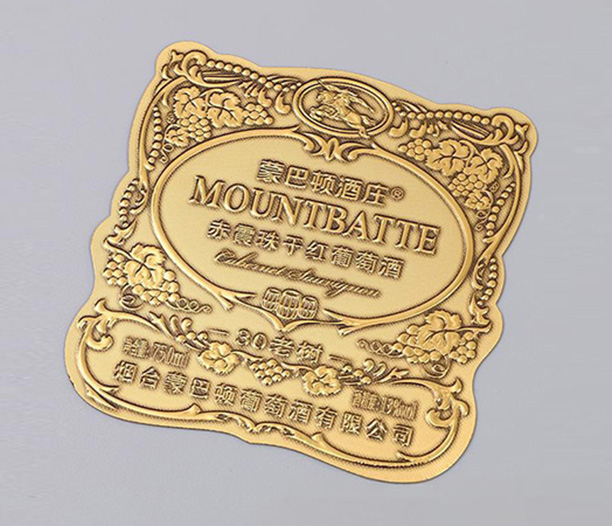
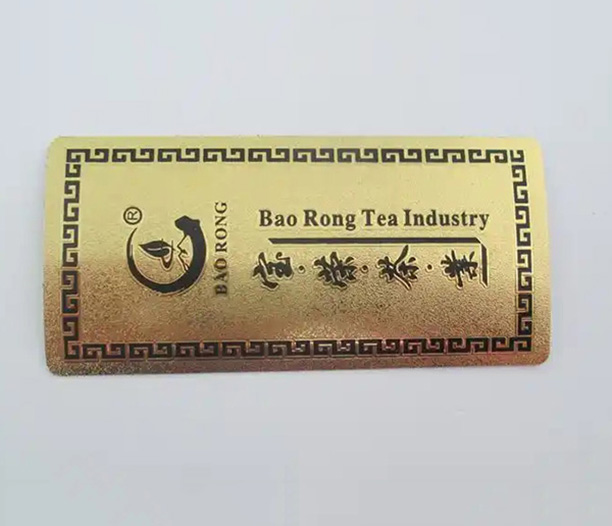
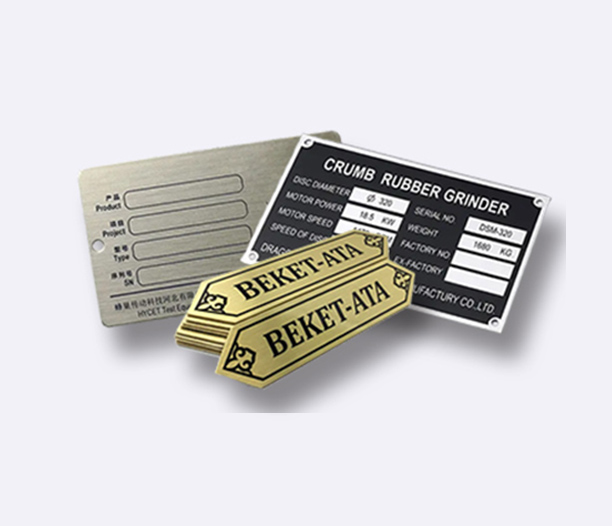
Metal Inspection Tags: For permanent assets or harsh environments, metal is king. Aluminum or stainless steel inspection tags can be stamped, engraved, or etched. They withstand heat, chemicals, corrosion, and physical abuse for years. Think of pressure valves, outdoor pipelines, or heavy machinery.
Tamper-Evident and Lockout Tags: These are specialized forms of safety inspection tags. They are designed to break if removed, indicating unauthorized interference. They are crucial for lockout/tagout (LOTO) procedures and critical safety checks.
Color-Coded Tags and Systems: Using color for different months, years, or statuses (like red for "FAIL" and green for "PASS") allows for instant visual recognition from a distance. This is a powerful feature of a custom inspection tag system.
Write-On Tags: Some tags have a coated surface designed for writing on with a permanent marker or grease pencil. This allows for variable data (dates, readings) on a otherwise standard tag.
Key Design Elements for Effective Tags
A poorly designed tag can be as bad as no tag at all. When planning your custom inspection tags, consider these elements for clarity and longevity.
Clarity and Readability: Use large, bold fonts for critical information like "NEXT INSPECT" or "CONDEMNED." Ensure high contrast between text and background. Color-coding falls under this principle.
Essential Information Fields: What data is absolutely necessary? Typically: Asset ID, Last Inspection Date, Next Due Date, Inspector ID, and Result (Pass/Fail/Conditional). Avoid cluttering the tag with non-essential info.
Durability Features: The material must match the environment. Consider UV resistance for outdoors, chemical resistance for labs, and general durability for workshop tools. The attachment method (wire, chain, adhesive) must also be robust.
Sequential Numbering and Barcoding: For tracking assets in a database, include a unique sequential number or a barcode/QR code. This links the physical inspection tag directly to your digital maintenance records.
Standardized Layouts: Consistency is key. When all your equipment inspection tags follow the same layout, inspectors and operators learn where to look for information quickly, reducing mistakes.
The Customization and Ordering Process
Getting custom inspection tags that fit your exact needs is a straightforward process with a reliable manufacturer.
It starts with defining your requirements. What are you inspecting? How often? In what environment? What information must be captured? Sketch a rough layout.
Next, you'll select the base material. Discuss options like vinyl, polyester, aluminum, or stainless steel with your supplier. They can advise on the best fit for durability and cost.
Then, finalize the design. A good supplier will provide a digital proof. This is your chance to check every field, font size, and logo placement. Ensure dates and inspector fields are clearly marked.
You'll also choose the attachment method. Options include zip ties, stainless steel wire, adhesive backing, or holes for rivets/bolts. The method should be as durable as the tag itself.
Finally, consider quantity. Custom inspection tags often have a setup cost for the design and tooling (like stamping dies). Ordering a year's supply or a volume for a specific asset class usually offers better value.
Integrating Tags into Your Inspection Workflow
Tags are a tool, not a system. To be effective, they must be part of a documented process.
Develop a clear procedure that defines inspection frequency, the checklist to be used, who is authorized to tag, and what to do with failed equipment. The inspection tag is the output of this procedure.
Training is crucial. Inspectors must know how to properly fill out and attach the tags. All employees must understand what the tags mean and how to interpret their status.
The tags should work with your record-keeping. While the tag is the on-site record, results should also be logged in a maintenance software system or logbook for trend analysis and audit trails.
Periodically audit the tags themselves. Are they holding up? Is the information being filled out correctly? This ensures the system's integrity over time.
Custom inspection tags are more than pieces of plastic or metal. They are a visual cornerstone of a proactive safety and maintenance culture.
They turn an abstract schedule in a manual into a physical, in-your-face reminder on the shop floor. They give inspectors a clear means to communicate their findings and give every worker the confidence that the equipment they are using is safe and approved.
Investing in well-designed, durable custom inspection tags is a direct investment in operational reliability, regulatory compliance, and most importantly, the well-being of your team.
Frequently Asked Questions (FAQs)
Q1: How long do custom inspection tags typically last outdoors?
A1: It depends entirely on the material. A laminated vinyl tag may last 6-12 months in direct sun and weather. An aluminum inspection tag with stamped or etched information and a protective anodized finish can last for many years, even in harsh industrial or coastal environments.
Q2: Can I include barcodes on my inspection tags for digital tracking?
A2: Absolutely. Most manufacturers of custom inspection tags can print or etch 1D barcodes or QR codes onto the tag. This allows inspectors to scan the tag with a mobile device to pull up the asset's history or log a new inspection directly into your maintenance software.
Q3: What's the best way to attach tags to different types of equipment?
A3: It varies. For tools and handles, a durable zip tie or stainless steel wire loop works well. For smooth, clean surfaces like electrical panels, a strong industrial adhesive backing can be effective. For permanent machinery, a hole in the tag allows for attachment with a rivet, bolt, or screw.
Q4: What information is legally required on a safety inspection tag?
A4: Legal requirements vary by jurisdiction and equipment type. Common mandated info includes the inspection date, the next due date, the unique identifier of the asset being inspected, and the identity (often via initials or ID number) of the qualified person who performed the inspection. Always consult the specific regulation (like OSHA standards) for your equipment.
Q5: Is it cost-effective to order custom tags for a small business?
A5: Yes, it can be. While per-unit costs are higher for very small quantities, the professional clarity, durability, and compliance benefits often outweigh the cost of continued use of less effective methods like handwritten tape. Many suppliers offer small-run options for custom inspection tags that are quite affordable.