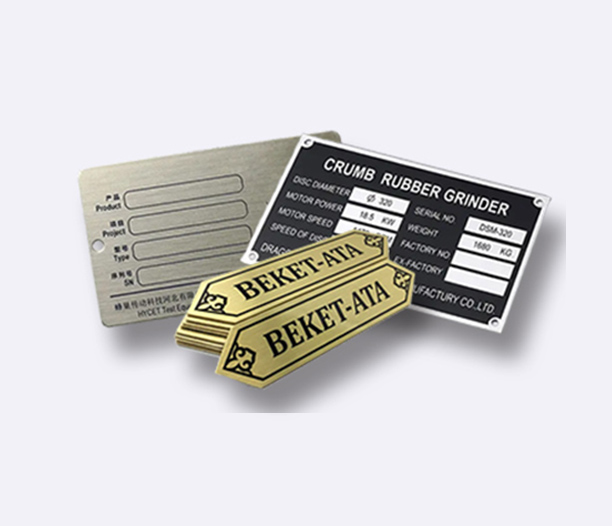
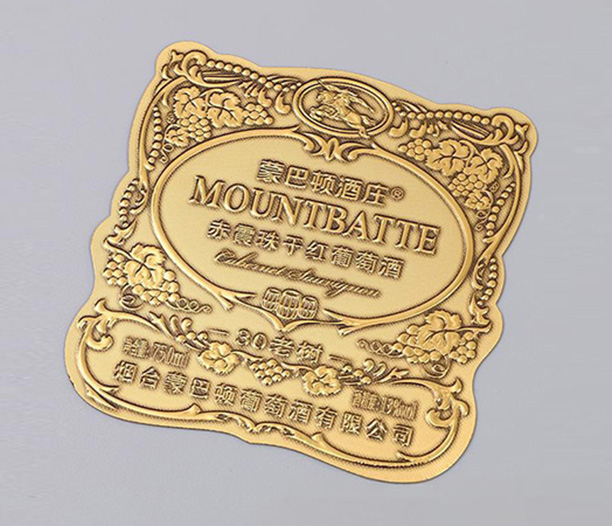
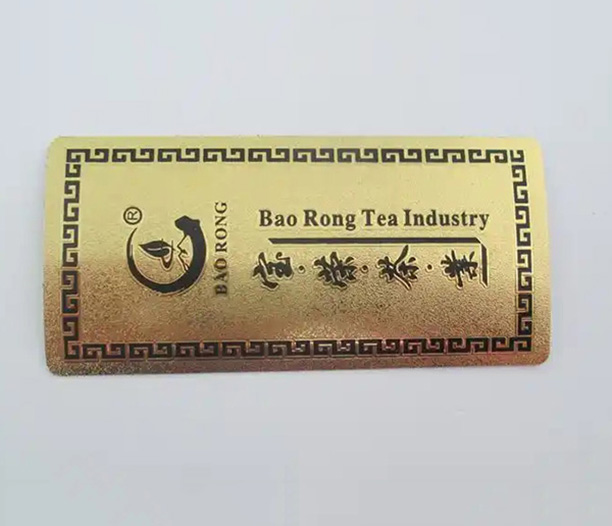
In industries where durability, longevity, and clear identification are non-negotiable, one solution consistently stands out: aluminum stamping tags. These versatile metal plates are a cornerstone of asset management, safety, and organization across countless sectors.
But what exactly are they, and why are they often the preferred choice over other labeling methods? This article dives into the specifics of aluminum stamped tags, exploring their benefits, applications, and key considerations for your projects.
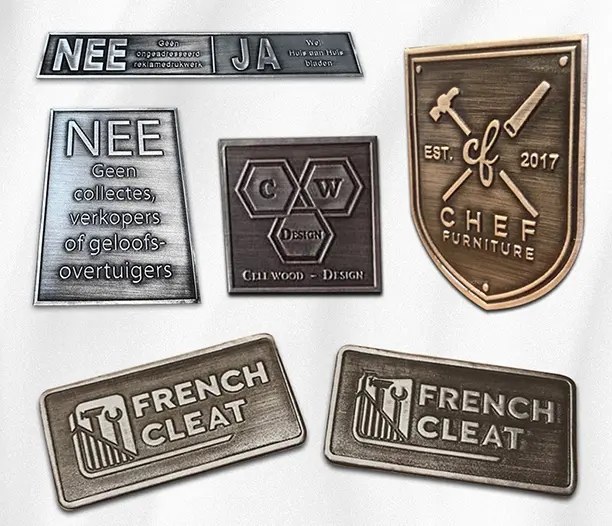
What Are Aluminum Stamping Tags?
Aluminum stamping tags are identification plates made from aluminum alloy sheets. Information is permanently marked onto their surface using a stamping process.
This typically involves a steel stamp die, pressed into the aluminum with significant force. This impact displaces the metal, creating indented, raised, or debossed characters and logos.
The result is a tag where the information becomes an integral part of the material itself. It cannot peel, fade, or be easily removed like adhesive labels or printed marks.
The most common finish is natural, mill-grade aluminum, which develops a protective oxide layer. They can also be anodized in colors like black, red, or blue for coding or enhanced corrosion resistance.
Key Advantages of Stamped Aluminum Tags
Why choose metal stamping tags made from aluminum? The material and process offer a unique set of benefits.
Exceptional Durability: Aluminum combines lightweight properties with excellent strength. Stamped aluminum tags resist abrasion, impact, UV exposure, and harsh weather. They are built to last for decades.
Permanent Identification: The stamping process physically alters the tag's surface. This creates a permanent mark that won't rub off, ensuring critical information like serial numbers, ratings, or warnings remains legible for the life of the asset.
Wide Environmental Resistance: Aluminum naturally resists corrosion. When anodized, its resistance to chemicals, salt spray, and industrial atmospheres increases dramatically. This makes aluminum nameplates ideal for both indoor and outdoor use.
Professional and Legible Appearance: Stamped characters are consistently clean and sharp. They offer high contrast, especially when paint-filled, ensuring excellent readability at a glance, which is crucial for safety and compliance.
Cost-Effectiveness for Long Runs: While tooling (die creation) has an initial cost, the per-unit price for stamped metal tags becomes very low in high-volume production. They are a smart investment for standard, repeated markings.
Common Applications and Uses
The practicality of aluminum stamping tags makes them ubiquitous in industrial and commercial settings.
Industrial Asset Management: They are perfect for labeling machinery, equipment, control panels, and tools with serial numbers, model data, and manufacturing dates. This supports maintenance, inventory, and traceability.
Electrical and Utility Compliance: Electrical rating plates stamped from aluminum are a standard requirement. They permanently display voltage, current, wattage, and safety certifications on panels, transformers, and enclosures.
Property Identification: For permanent asset tagging in facilities, universities, or municipalities, these tags serve as tamper-evident identifiers for everything from furniture to fire extinguishers.
Aerospace, Military, and Defense: The need for ultra-reliable, permanent identification in critical components makes aluminum tags a staple in these sectors, often meeting specific standards like MIL-STD-130.
Outdoor and Harsh Environments: From pipeline markers and agricultural equipment tags to marine component identification, their weather resistance ensures information survives where stickers and prints would fail.
Design and Customization Considerations
Getting the most out of your aluminum stamped tags involves a few key design choices.
Material Thickness (Gauge): Thickness affects durability and rigidity. Common gauges range from thin 0.020" for simple labels to 0.040" or thicker for heavy-duty, machined tags.
Stamping Styles: You can choose between indented (characters pressed into the tag) or raised (characters raised above the tag surface) stamping. Both are permanent, but the look differs.
Paint Filling: For maximum visibility, the stamped characters can be filled with durable enamel paint (often black or white). This creates a strong contrast against the aluminum background.
Hole Placement and Attachment: Tags can be designed with holes for rivets, screws, or bolts. Alternatively, they can be made for adhesive mounting or even wire ties. Consider the mounting surface and method early in the design.
Finishing Options: Beyond natural aluminum, consider anodizing for color and extra protection. Other options include chemical films or powder coating for specific environmental needs.
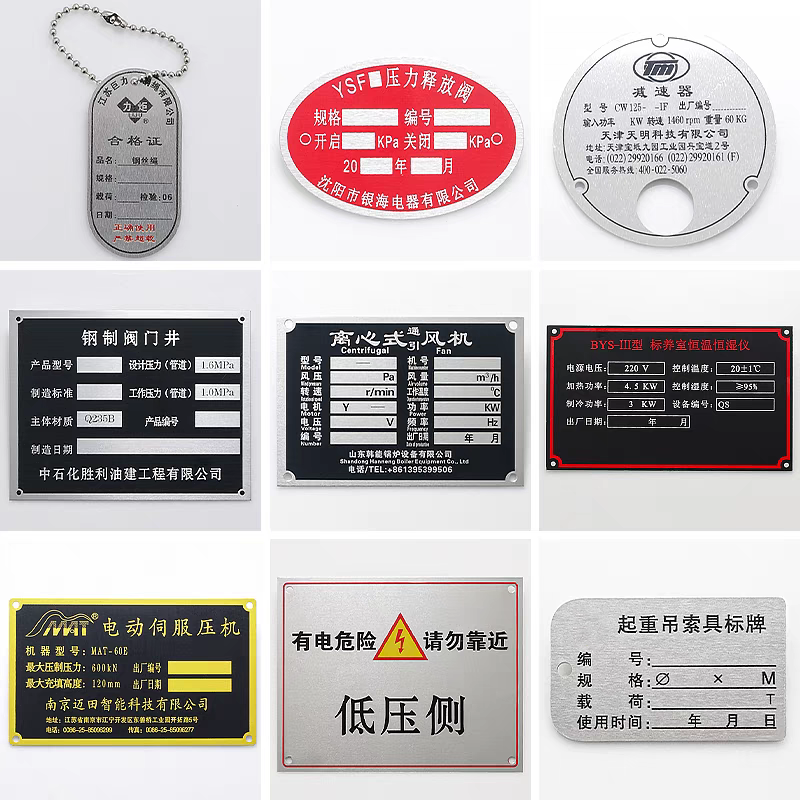
The Manufacturing Process: From Blank to Finished Tag
Understanding how aluminum nameplates are made clarifies their value.
- Material Selection & Blanking: A coil or sheet of aluminum alloy is cut into individual blanks of the required size and shape.
- Tooling & Die Setup: A custom steel die is created, with the desired text, logos, and borders reversed into its surface. This die is mounted into a stamping press.
- Stamping: The aluminum blank is precisely positioned under the die. The press applies tons of force, stamping the information into the metal in a single, powerful stroke.
- Secondary Operations: This includes punching mounting holes, trimming edges (if necessary), and deburring to create a smooth, safe product.
- Finishing: Tags may be cleaned, anodized, and/or paint-filled. After paint filling, excess paint is wiped away, leaving color only in the stamped recesses.
- Quality Control & Packaging: Each batch is inspected for legibility and accuracy before being packaged for shipment.
How to Choose the Right Supplier
Selecting a partner for your metal stamped tags is crucial. Look for a manufacturer with a proven track record in metal stamping, not just general signage.
Evaluate their tooling capabilities, material in-house, and quality control processes. Request samples to assess the crispness of their stamping and finish quality.
A good supplier will offer engineering support to help optimize your design for durability, readability, and cost-effective production, especially for long runs of industrial identification tags.
Aluminum stamping tags represent a perfect intersection of simplicity and robustness. They solve the fundamental problem of permanent identification in a demanding world.
When your application requires a mark that must endure, remain legible, and maintain a professional appearance through years of service, stamped aluminum is a time-tested, reliable answer.
Investing in well-designed and properly manufactured aluminum tags is an investment in long-term asset management, safety compliance, and operational efficiency.
Frequently Asked Questions (FAQs) About Aluminum Stamping Tags
Q1: How durable are aluminum stamping tags compared to printed labels?
A1: They are vastly more durable. Stamped aluminum tags have information physically embossed or debossed into the metal, which cannot fade, peel, or wash away. They withstand extreme temperatures, chemicals, UV exposure, and abrasion that would quickly destroy printed labels or stickers.
Q2: Can aluminum stamped tags be used outdoors?
A2: Absolutely. Aluminum naturally resists corrosion, and when anodized, this resistance is significantly enhanced. Anodized aluminum nameplates are excellent for long-term outdoor exposure to rain, sunlight, salt air, and industrial pollution.
Q3: What information can I put on a custom aluminum tag?
A3: Virtually any alphanumeric text, sequential numbering, logos, and simple graphics. Common inclusions are serial numbers, model numbers, electrical ratings, safety warnings, company names, QR codes (as a stamped pattern), installation dates, and compliance marks (UL, CE, etc.).
Q4: Are these tags expensive to produce?
A4: Cost depends on volume and complexity. There is an initial cost for the custom stamping die. However, once the die is made, the per-unit cost for the aluminum stamped tags becomes very low, making them extremely cost-effective for medium to large production runs.
Q5: What are the main methods for attaching these tags to equipment?
A5: The most common method is via holes punched in the tags, using rivets, screws, or bolts for a permanent, mechanical attachment. Other options include high-strength industrial adhesives (epoxy or VHB tape), welding on small tabs, or using wire ties through holes for hanging tags.