Keeping track of your company's physical assets is a fundamental task. It affects your finances, operations, and security. This is where inventory asset tags become indispensable. They are the silent workhorses of effective asset management.
This article breaks down everything you need to know. We’ll cover the different types of tags, how to select the right ones, and the steps for a successful implementation. Our goal is to give you clear, actionable information.
What Are Inventory Asset Tags and Why Do They Matter?
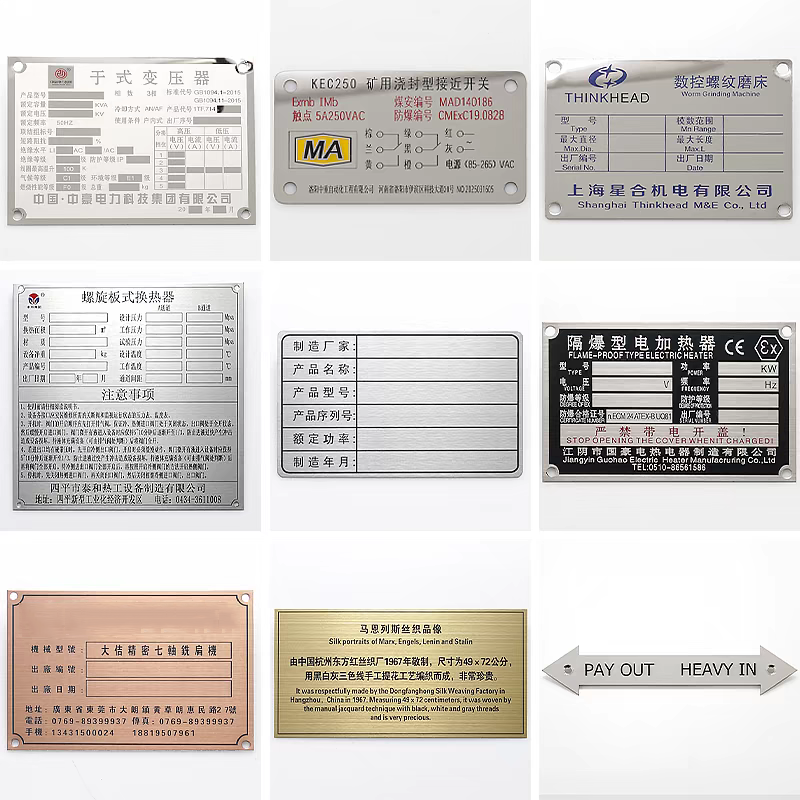
Inventory asset tags are labels or tags attached to physical items. They carry unique identifying information, like a serial number or barcode. These tags transform a physical object into a trackable asset in your management system.
Their importance cannot be overstated. Without them, you are essentially guessing what you own, where it is, and its condition. Properly implemented asset tags for inventory provide a single source of truth for your equipment, furniture, and technology.
The benefits are direct. They reduce loss and theft, streamline auditing, ensure accurate depreciation for taxes, and simplify maintenance schedules. For any growing business, they are a tool for control and accountability.
Common Types of Inventory Asset Tags
Not all tags are created equal. The right choice depends on your assets and their environment. Here are the most common varieties you will encounter.
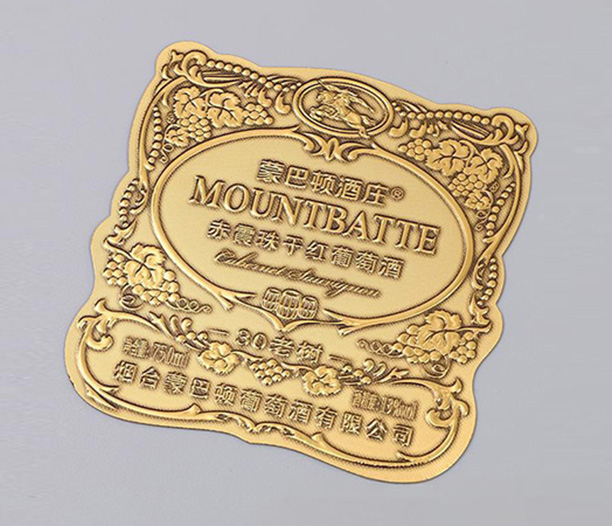
Basic Aluminum Foil Tags
These are durable, cost-effective metal tags. They are often stamped with a sequential number. While simple, they lack barcoding for quick scanning. They work well for basic identification of items in low-risk environments.
Barcode Asset Tags
This is the most common type of modern inventory tag. They combine a unique number with a scannable barcode. This allows for rapid data collection using a handheld scanner or smartphone. They dramatically speed up inventory audits and check-outs.
Barcode asset identification tags are highly versatile. They can be printed on paper, polyester, or metal, depending on durability needs.
QR Code Tags
QR code tags function similarly to barcodes but can store more data. A smartphone camera can scan them, potentially linking directly to an asset’s history or manual. They are excellent for connecting physical assets to digital records effortlessly.
RFID Asset Tags
RFID (Radio-Frequency Identification) tags represent the high end of tracking. They contain a tiny microchip that can be read from a distance without a direct line of sight. This allows for bulk scanning of items in a room or on a pallet.
RFID inventory tags are powerful for high-value items or large-scale warehouse management. Their cost is higher, but the efficiency gains can be significant.
Key Factors in Choosing the Right Asset Tag
Selecting the correct inventory asset tags is crucial for long-term success. Consider these factors before making a purchase.
Surface Material and Adhesive
Will the tag go on metal, plastic, fabric, or a textured surface? The tag material and adhesive must bond securely. For challenging surfaces like powder-coated equipment or polyethylene, specialized adhesives are required. A tag that falls off is useless.
Environmental Durability
Consider where the asset lives. For outdoor equipment, tools, or items in wash-down areas, you need extremely durable tags. Look for asset tags made of metal or thick polyester with permanent adhesive and protective laminate.
They must resist UV exposure, moisture, chemicals, abrasion, and extreme temperatures. A paper label won’t last on a construction vehicle.
Readability and Data Encoding
Decide how you will collect the data. If using scanners, barcodes are the standard. For smartphone-based systems, QR codes offer flexibility. The printed information—text, numbers, barcodes—must remain crisp and scannable for the asset’s entire life.
Security Features
For high-risk items like laptops or lab equipment, consider tamper-evident asset inventory tags. These tags break apart or leave a visible “VOID” message if someone tries to remove them. This deters theft and unauthorized transfers.

Implementing Your Asset Tagging System: A Step-by-Step Approach
A successful rollout of inventory tracking tags requires a plan. Follow these steps to ensure a smooth process.
Step 1: Define Your Asset Inventory
Start by deciding what you will tag. A common rule is to tag any item critical to operations or over a specific monetary value. Create a consistent naming convention and list all assets to be included before ordering tags.
Step 2: Select and Procure Your Tags
Based on the factors above, choose the right tag type. Order a small test batch first. Apply them to different surfaces and expose them to typical conditions. Verify adhesion and readability before committing to a large order.
Step 3: Establish a Tagging Protocol
Create a simple, repeatable process. Where on the asset will the tag be placed? Choose a consistent, clean, and visible location. Who will apply them? How will the data be entered into your asset tracking system? Document this procedure.
Step 4: Apply Tags and Record Data
Physically clean each asset surface before applying the tag. As you attach each inventory asset tag, immediately log the asset’s details. This includes the tag ID, description, serial number, location, purchase date, and value. Accuracy at this stage is critical.
Step 5: Integrate with Ongoing Processes
Tagging is not a one-time project. Integrate the tags into your daily workflows. Use them for check-in/check-out, maintenance logs, and periodic audits. Train your team to scan and update asset statuses regularly.
Maintaining Your Asset Tagging System Over Time
An asset tagging system decays without maintenance. Tags get damaged, assets move, and data becomes outdated.
Schedule a yearly or bi-annual audit. Walk through locations with a scanner to verify what is present and where it is. This catches missing items and updates your records.
Have a plan for replacing damaged or missing inventory tags. Keep a small stock of blank or pre-printed tags on hand for this purpose. When an asset is retired or disposed of, remember to decommission its record in your software to keep the database clean.
The system is only as valuable as the data it holds. Consistent upkeep is the key to long-term accuracy and return on investment.
Frequently Asked Questions (FAQs)
Q1: What is the main difference between barcode and RFID inventory asset tags?
A1: Barcode tags require a direct line of sight to be scanned individually with a laser or imager. RFID tags can be read from a distance, through materials, and many at once, without precise aiming. RFID offers faster bulk scanning but at a higher cost per tag.
Q2: How do I remove an old or incorrectly placed asset tag?
A2: It depends on the adhesive. For paper or polyester labels, gently use a plastic scraper or heat from a hairdryer to soften the glue. For ultra-permanent industrial adhesives, a specialized solvent may be needed. Always test a removal method on an inconspicuous area first to avoid damaging the asset.
Q3: Can I print my own inventory asset tags in-house?
A3: Yes, with the right equipment. A dedicated industrial label printer and durable synthetic label materials (like polyester or vinyl) are required for tags that last. For a small number of indoor office assets, this can work. For large-scale or harsh-environment tagging, professionally manufactured tags are more reliable and cost-effective.
Q4: What information should be included on the face of the tag?
A4: At minimum, a unique asset ID number and a scannable barcode or QR code encoding that number. Often, a company name, logo, and a text line for the asset type (e.g., "LAPTOP") are also included for quick visual identification. Avoid cluttering the tag; the core data should be easily readable.
Q5: How often should I perform a full physical inventory audit using the asset tags?
A5: The frequency depends on the value and mobility of your assets. For high-value or frequently moved items (like IT equipment), a quarterly or bi-annual audit is wise. For fixed assets like office furniture, an annual audit is typically sufficient. Regular spot-checks are also recommended to maintain data integrity.