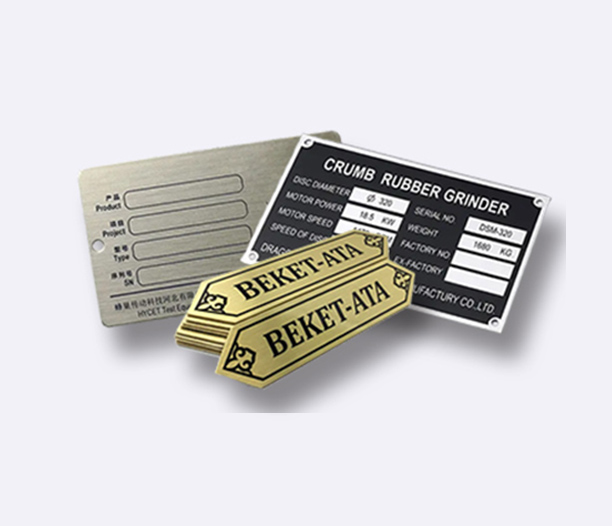
Name Plates in Pune: Industrial Tags & Architectural Signage GuidePune’s evolution as a manufacturing powerhouse—from automotive hubs in Chakan to engineering clusters in Bhosari—has created a sustained demand for high‑quality identification solutions. Whether for equipment asset tracking, safety signage, or building wayfinding, the right name plates in pune must balance durability, legibility, and regulatory adherence. This guide provides procurement professionals, facility managers, and engineers with technical insights into material selection, marking technologies, and local compliance requirements.
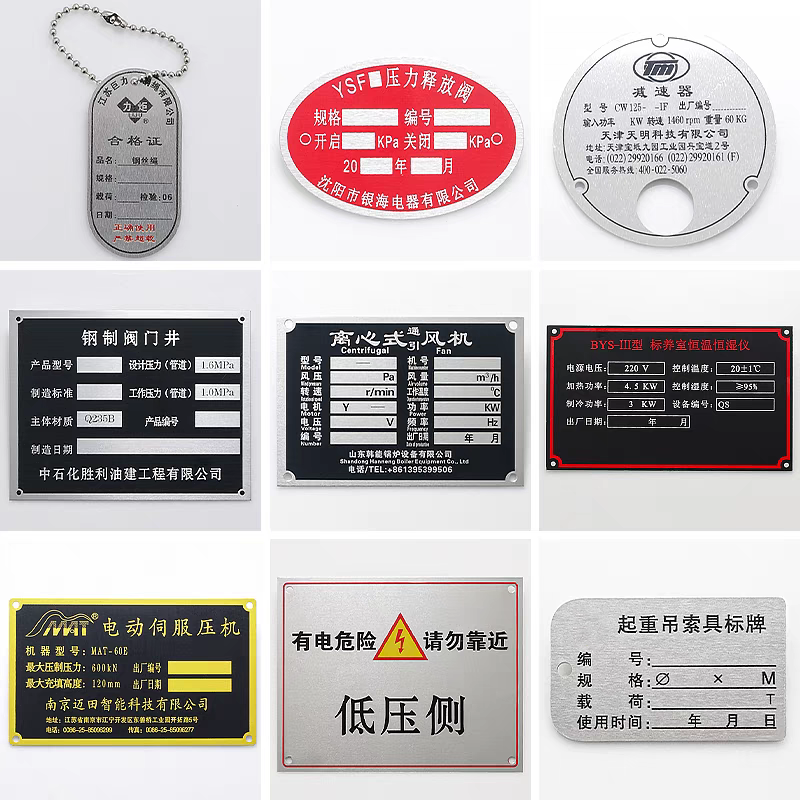
The Industrial Landscape of Pune and Its Demand for Identification
Pune District hosts over 8,000 manufacturing units, including major automotive OEMs (Tata Motors, Bajaj Auto), engineering conglomerates, and a growing electronics sector. Each facility requires thousands of name plates for:
Asset management – serial plates on machinery, tools, and components.
Safety & compliance – warning labels, pipe markers, and electrical hazard tags.
Brand visibility – architectural signage for corporate offices and factory entrances.
Given Pune’s tropical climate (high humidity during monsoon, temperature variations) and industrial atmospheres (oil, chemicals), name plates in pune must exhibit exceptional weather resistance and mechanical strength.
Material Science: Selecting the Right Substrate for Pune Conditions
The performance of a name plate depends heavily on the base material and finish. Below is a comparative analysis of options commonly available in the Pune market.
Anodised Aluminium
Aluminium alloys (typically 3003 or 5052) with a 10–25 micron anodic layer offer the best weight‑to‑durability ratio. They withstand UV exposure, salt spray, and temperatures from -40°C to +120°C. Anodised aluminium is the preferred choice for outdoor machinery and electrical panels. Laser‑marked anodised plates retain readability for over 10 years in Pune’s industrial zones.
Stainless Steel (SS 304 / SS 316)
Where mechanical strength is critical—such as heavy earthmoving equipment or chemical plants—stainless steel name plates provide unmatched impact resistance. Electrochemical etching or direct laser marking ensures permanent graphics. SS 316 is specified for coastal areas near Pune (e.g., Mahad) where chlorides are present.
Polycarbonate and Acrylic
For indoor applications like office door plates or control panel labels, polycarbonate offers impact resistance and clarity. UV‑stable acrylic is used for backlit signage. However, these plastics are not suitable for high‑temperature environments or continuous outdoor exposure without protective coatings.
Brass and Copper
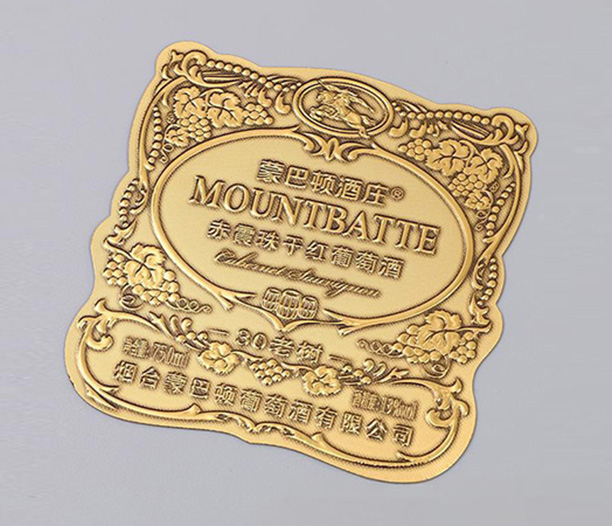
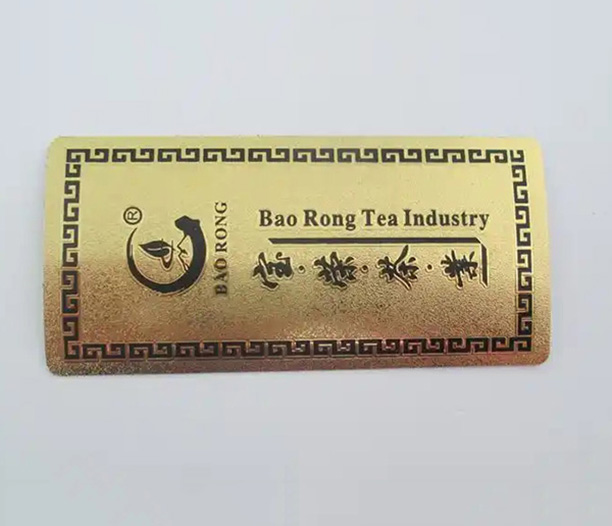
Heritage buildings and high‑end corporate interiors in Pune sometimes specify brass name plates for aesthetic appeal. Chemical etching and enamel filling create a premium look, but these materials require periodic polishing to retain lustre.
Marking Technologies for Long‑Term Legibility
The method used to apply information on name plates in pune determines resistance to abrasion, chemicals, and fading.
Laser marking – Fibre lasers engrave metals and some plastics, creating high‑contrast, permanent marks ideal for barcodes and logos. No inks or solvents are used, making it environmentally friendly.
Electrochemical etching – A stencil and electrolyte are used to etch metal plates. Common for stainless steel and brass where deep marking is required.
Screen printing – Suitable for large volumes of flat plates; UV‑cured inks provide good durability if over‑coated.
Embossing / Stamping – Raised characters are formed by mechanical pressure. Used for vehicle VIN plates and heavy‑duty tags where readability by touch is needed.
Hemawell Nameplate employs laser and electrochemical processes that meet ISO 9001 quality standards, ensuring that every plate delivered to Pune clients maintains consistency across large production runs.
Regulatory Compliance and Indian Standards
Name plates used in regulated industries must adhere to specific Indian and international norms. Buyers in Pune should verify the following:
BIS / ISI Markings
For electrical equipment, name plates often need to display the ISI mark as per relevant product standards (e.g., IS 13947 for switchgear). The marking must be permanent and located as per the standard.
CE and Ex-Proof Certifications
Machinery exported to Europe requires CE marking on the name plate. For hazardous areas (oil & gas, chemical plants), plates must comply with IECEx or PESO (India) guidelines, using materials that do not generate static sparks.
Fire Safety Signage (IS 15683)
Building name plates and exit signs in Pune must meet the photoluminescence or reflectivity requirements of the National Building Code. Photoluminescent aluminium plates are available for emergency route marking.
Sector‑Specific Applications of Name Plates in Pune
Automotive and Ancillary Units
Pune’s auto cluster (Chakan, Ranjangaon, Talegaon) requires thousands of VIN plates, component labels, and engine tags daily. Specifications often demand resistance to under‑hood temperatures, oils, and car washes. Laser‑marked aluminium tags with tamper‑evident features are standard.
Engineering and Heavy Fabrication
In units producing pumps, compressors, and hydraulic systems, name plates must endure vibration and exposure to cutting fluids. Stainless steel tags attached with rivets or industrial adhesives are common. Sequential numbering for traceability is frequently requested.
Construction and Real Estate
High‑rise projects in areas like Wakad, Kharadi, and Baner need durable apartment number plates, floor indicators, and builder logos. Anodised aluminium with raised letters or acrylic with digital printing offers longevity against sun and rain.
IT and Data Centers
Pune’s IT parks (Hinjewadi, Magarpatta) require server rack labels, cable tags, and asset stickers. Thin aluminium tags with printed barcodes allow high‑density identification without adding bulk. Antistatic finishes are available for sensitive environments.
Sourcing Name Plates in Pune: Quality and Lead Time Considerations
While several local vendors offer basic engraving, professional buyers evaluate suppliers based on:
In‑house tooling and finishing – ability to produce custom shapes, hole patterns, and colours.
Variable data printing – for serialised barcodes and QR codes with 99.9% readability.
Material certification – mill test reports for alloys, ensuring compliance with project specs.
Turnaround time – Pune’s just‑in‑time manufacturing culture demands reliable delivery.
Hemawell Nameplate serves Pune clients with a combination of global material sourcing and precision fabrication. Our engineering team assists in selecting the correct alloy and marking method for applications ranging from heavy earthmoving equipment to delicate electronic assemblies.
Customization Trends and Future Directions
The demand for smart identification is growing. QR codes on name plates in pune link to digital maintenance logs, installation manuals, or warranty information. Colour anodising allows quick visual classification of pipes or electrical phases. RFID‑embedded metal tags are also being adopted for automated asset tracking in large factories.
Environmental considerations are pushing manufacturers to offer lead‑free and RoHS‑compliant materials. Water‑based inks and solvent‑free etching processes are increasingly specified by Pune’s multinational clients.
Frequently Asked Questions (FAQ)
Q1: What is the typical turnaround time for custom name plates in Pune?
A1: For standard materials and simple designs, production usually takes 3–5 working days. Complex orders involving special alloys, multiple colours, or variable data may require 7–10 days. Hemawell Nameplate offers express shipping to Pune locations upon request.
Q2: Can I get name plates that withstand outdoor monsoons without fading?
A2: Yes. Anodised aluminium with laser marking or ceramic‑filled inks is recommended for outdoor use in Pune. These plates have passed 500+ hours of salt spray testing and show no colour change after 3 years of field exposure.
Q3: Are there any local regulations for name plates on commercial buildings in Pune?
A3: Pune Municipal Corporation (PMC) and Pimpri‑Chinchwad Municipal Corporation (PCMC) have bylaws regarding building identification, including size, placement, and illumination for fire safety. It is advisable to consult a local architect or verify with the corporation’s building department.
Q4: What is the minimum order quantity for custom name plates?
A4: Many suppliers accept orders as low as 10–20 pieces for digitally printed or laser‑marked plates. For electrochemical etching or die‑stamped plates, a higher quantity (typically 100+) may be needed to amortize tooling costs. Hemawell Nameplate offers low‑volume prototypes before mass production.
Q5: How do I attach name plates to curved or uneven surfaces?
A5: Options include flexible adhesive tapes (3M VHB), mechanical fasteners (rivets, screws), or strapping (stainless steel cable ties). The choice depends on the substrate and environmental conditions. Our technical team can recommend the optimal mounting method for your specific application.
Q6: Can I print barcodes that remain scannable after years of use?
A6: Absolutely. Laser‑marked 2D Data Matrix codes on anodised aluminium maintain a scanning accuracy of >99.5% even after abrasion or chemical exposure. We test each batch with verifiers to ensure ISO/IEC 15416 compliance.
Q7: Do you provide name plates with non‑standard hole patterns or cut‑outs?
A7: Yes. We manufacture based on technical drawings or sample parts, accommodating custom hole positions, radii, and notches. Precision CNC punching ensures consistency across large volumes.
For further technical consultation or to request a quote for your next project, contact the specialists at Hemawell Nameplate. We combine global expertise with local understanding to deliver identification solutions that perform under Pune’s demanding conditions.