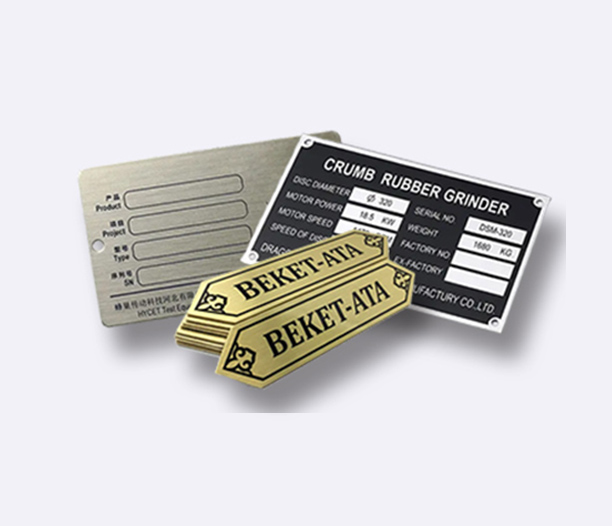
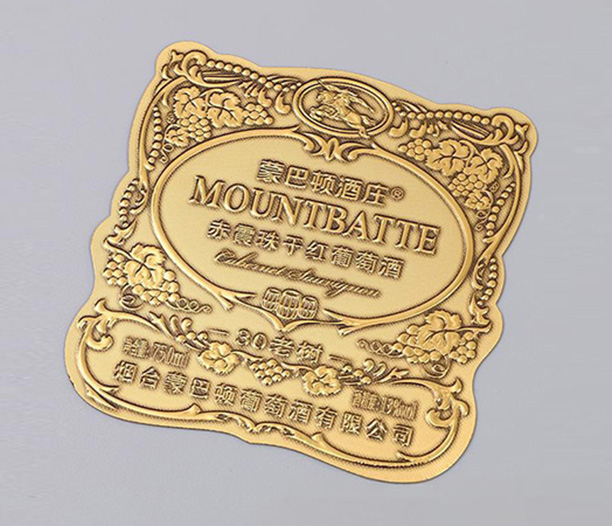
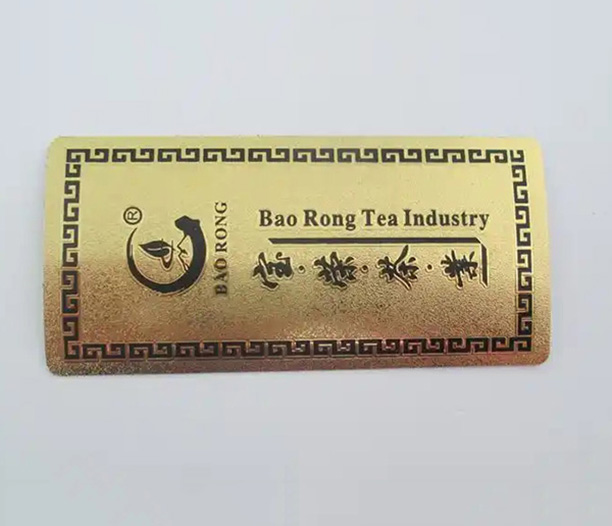
Stickers and paper tags have their place, but when you need a label that conveys permanence, durability, and a sense of quality, nothing compares to metal adhesive labels. These are not your average tags; they are robust identification solutions designed to withstand environments that would destroy lesser materials.
From industrial equipment and electrical panels to high-end consumer products and outdoor asset tracking, metal adhesive labels offer a combination of strength and practicality. They provide a professional, tamper-evident, and long-lasting way to display crucial information like serial numbers, warnings, certifications, and branding.
If you’re tired of labels that fade, peel, or corrode, it’s time to look at what metal adhesive labels can do for your operation. This guide walks through their benefits, types, and key considerations for selection.
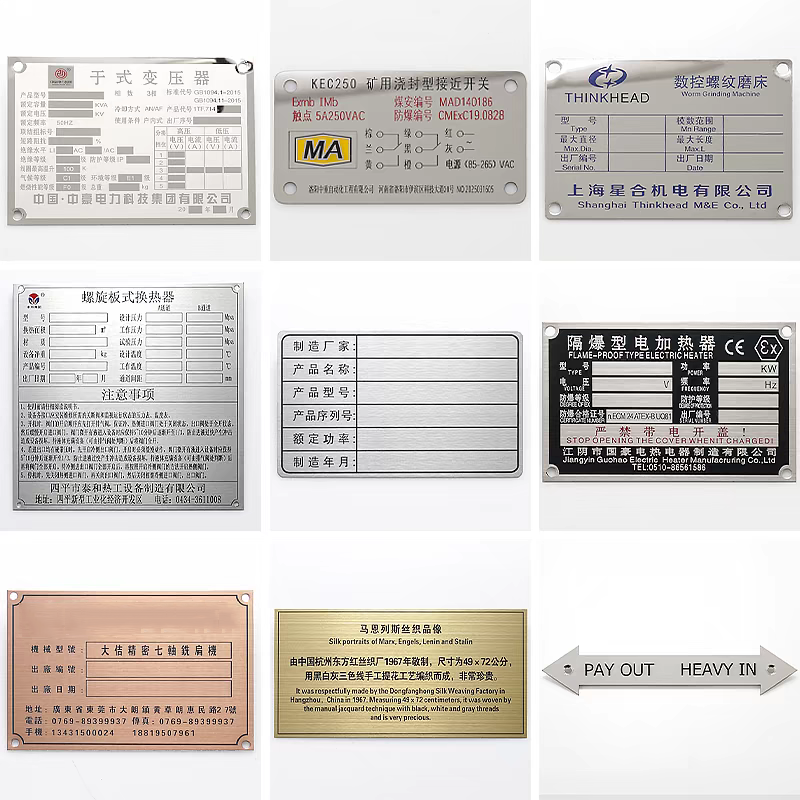
What Exactly Are Metal Adhesive Labels?
At their core, metal adhesive labels are thin sheets of metal, typically aluminum or stainless steel, with a permanent adhesive backing and a protective top layer. They are pre-cut to size and shape, ready for application.
The information on these labels is not simply printed on; it is usually etched, engraved, or stamped into the metal surface. This makes the text or logo an integral part of the label itself, not just an applied layer of ink.
The adhesive used is a critical component. It’s a high-performance, pressure-sensitive adhesive formulated to create a powerful, long-term bond with various surfaces, including metal, plastic, glass, and painted finishes.
This construction results in an identification product that is resistant to abrasion, chemicals, UV exposure, extreme temperatures, and moisture. They are built to last for the lifetime of the asset they identify.
Key Benefits and Advantages Over Other Materials
Why choose a metal adhesive label over a plastic one? The advantages are significant in demanding applications.
The primary benefit is exceptional durability. Metal nameplates and labels resist weathering, solvents, oils, and rough handling. They won’t fade in the sun or become brittle in the cold.
They offer a professional, high-quality aesthetic. The look and feel of metal convey permanence and reliability, which can enhance the perceived value of a product or piece of machinery.
Security is another factor. Metal adhesive labels are difficult to remove intact. Attempting to peel them off often results in destruction, making them an excellent, tamper-evident solution for serial numbers and certification marks.
Finally, they are highly versatile. With the right metal and coating, they can be used indoors, outdoors, on factory floors, in laboratories, and even in sterile or food-processing environments.
Common Types: Aluminum vs. Stainless Steel
Not all metal adhesive labels are the same. The two most common materials are aluminum and stainless steel, each with its own strengths.
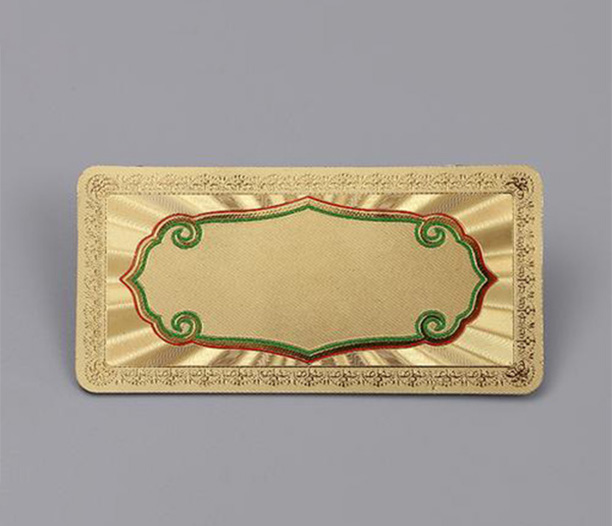
Aluminum Foil Labels are the most widely used type. They are lightweight, cost-effective, and offer excellent corrosion resistance. The surface is often anodized, which creates a hard, protective layer that can be dyed different colors (like black, gold, or red) before etching. These are perfect for indoor equipment, nameplates, and product branding.
Stainless Steel Labels are the heavy-duty option. They provide superior resistance to corrosion, high temperatures, and physical abrasion. Stainless steel adhesive labels are ideal for harsh environments: outdoor applications, chemical plants, marine settings, autoclaves, and anywhere sanitation is critical. They have a distinctive, polished look that denotes extreme ruggedness.
Choosing between them depends on your budget, environmental exposure, and specific performance requirements.
Primary Applications and Use Cases
The use of metal adhesive labels spans countless industries. Their reliability makes them indispensable for permanent identification.
In manufacturing and industry, they are used as asset tags, equipment nameplates, and durable adhesive labels for machinery controls and electrical panels. They survive grease, coolant, and frequent cleaning.
The electronics sector relies on them for UL/CE certification labels, serial number plates, and rating labels on appliances and power tools, where information must remain legible for safety and compliance.
For outdoor asset management, metal adhesive labels serve as tamper-evident tags for utility boxes, telecommunications gear, and fleet vehicle identification. They withstand rain, snow, and UV degradation.
They also appear on high-end consumer goods, such as premium appliances, musical instruments, and awards, where a metal badge adds a touch of class and permanence.
How They Are Made: Engraving, Etching, and Stamping
The manufacturing process is what gives metal adhesive labels their permanence. Unlike printing, these methods alter the metal's surface.
Chemical etching is a common process for aluminum labels. A protective mask is applied, the desired text/logo is exposed, and an acid etches away the unprotected areas. This creates crisp, recessed markings that can be filled with permanent ink for contrast.
Embossing or stamping uses a die to physically press the design into the metal, creating a raised (debossed) or recessed (embossed) area. This provides a tactile feel and is very durable.
Laser engraving uses a high-powered laser to vaporize the metal surface, creating precise, deep marks. It’s highly flexible for custom designs, barcodes, and sequential numbering on both aluminum and stainless steel adhesive labels.
The final step is applying the aggressive, permanent adhesive backing and a protective over-laminate if required for extra chemical resistance.
Choosing the Right Label for Your Needs: A Quick Guide
Selecting the correct metal adhesive label requires considering a few key factors. Start with the environment.
Ask yourself: Will it be exposed to weather, chemicals, high heat, or abrasion? For harsh conditions, stainless steel adhesive labels are the default choice. For most indoor, general-purpose uses, anodized aluminum is sufficient and more economical.
Next, consider the surface. Is it smooth, painted, textured, or curved? Ensure the adhesive is rated for your specific substrate. A curved surface may require a more flexible, thin-gauge metal.
Think about the information. Do you need sequential barcodes, QR codes, or variable data? Laser engraving offers the most flexibility for this. Is a specific color like black-on-silver required? This points to anodized aluminum.
Finally, always test a sample. Apply a test label to your actual surface and expose it to the conditions it will face. This is the best way to confirm performance.
Installation Tips for a Lasting Bond
Proper application is crucial to achieving the promised bond strength of your metal adhesive labels. Surface preparation is the most important step.
The surface must be completely clean, dry, and free of dust, oil, wax, or rust. Use isopropyl alcohol or a similar solvent to wipe the area thoroughly. Allow it to dry completely.
Apply the label at a consistent temperature, ideally above 15°C (60°F). Cold surfaces and adhesives reduce initial tack. For large labels, use a application squeegee or roller.
Apply firm, even pressure across the entire surface of the label, working from the center outwards to eliminate air bubbles. Once applied, the bond strength will increase (cure) over the first 24-72 hours.
Avoid touching the adhesive with your fingers. The oils from your skin can compromise the bond. Handle labels by the edges or use application tape for positioning.
Frequently Asked Questions (FAQs) About Metal Adhesive Labels
Q1: Can metal adhesive labels be removed if needed?
A1: They are designed as permanent solutions. Removal is typically very difficult and will almost certainly destroy the label and potentially damage the underlying surface. The adhesive is meant to be stronger than the force used to peel it. If removability is a requirement, a different type of label should be considered.
Q2: How do metal labels compare to durable polyester labels for outdoor use?
A2: While UV-resistant polyester labels are good for many outdoor uses, metal adhesive labels are superior in extreme conditions. They are physically stronger, more abrasion-resistant, and can withstand wider temperature swings. Polyester is a plastic film and can eventually become brittle or be physically torn, whereas metal is inherently more robust.
Q3: Can barcodes and QR codes be put on metal adhesive labels?
A3: Absolutely. Laser engraving is the preferred method for adding scannable codes to metal adhesive labels. It produces high-contrast, precise, and permanent marks that most barcode scanners can read reliably, even after years of exposure and wear.
Q4: What is the typical temperature range these labels can withstand?
A4: It depends on the metal and adhesive. Standard anodized aluminum labels with acrylic adhesive can handle a range from about -30°C to 150°C (-22°F to 300°F). Stainless steel adhesive labels with high-temperature silicone adhesives can withstand much higher temperatures, often exceeding 260°C (500°F) continuously.
Q5: Are custom shapes and sizes available, or are they only standard rectangles?
A5: Customization is a major advantage. Metal adhesive labels can be die-cut into virtually any shape—circles, ovals, unique logos, etc. Sizes can range from very small (a few millimeters) to quite large panels. The manufacturing processes like etching and laser cutting allow for great design flexibility.