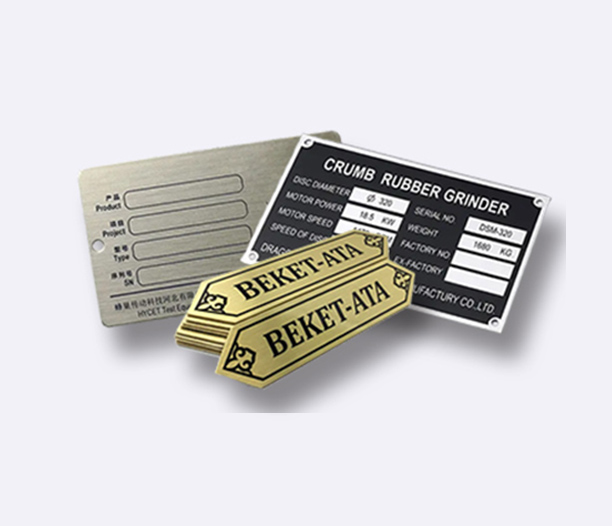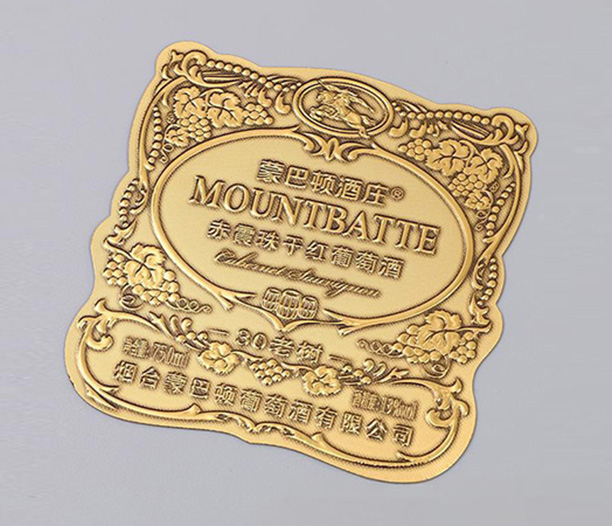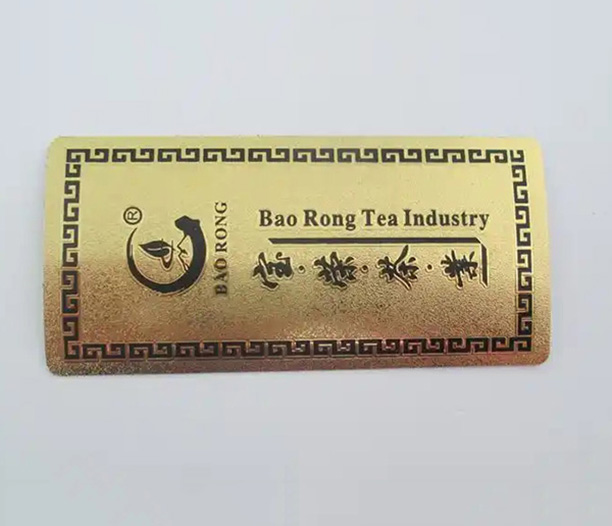
Tracking assets in tough environments requires tags that survive heat, cold, moisture, and impact. Metal inventory tags are engineered to outlast plastic and paper labels, keeping your data readable for the life of the equipment. Made from materials like stainless steel, aluminum, and brass, these tags resist corrosion, abrasion, and chemicals. Whether attached to pipes, pallets, or heavy machinery, they provide a permanent surface for barcodes, serial numbers, and QR codes. Companies reduce replacement costs and misreads by switching to metal-based identification.
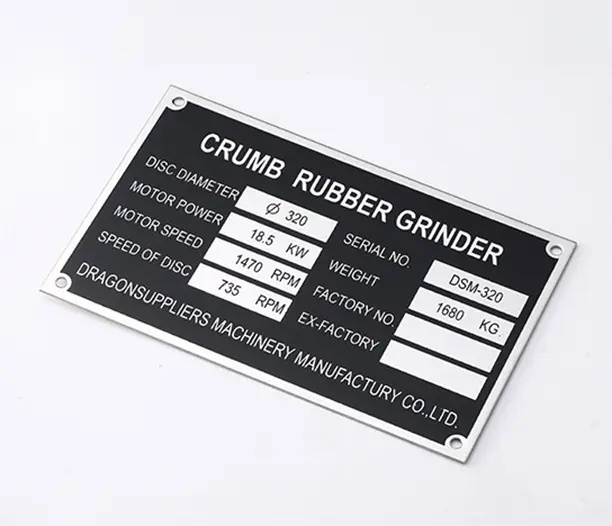
Why Metal Inventory Tags Outperform Other Labels
Industrial settings quickly destroy ordinary stickers. Metal inventory tags are built to withstand:
Extreme temperatures – from -40°F to 500°F depending on material.
UV radiation – no fading like plastic or paper.
Solvents and oils – common in manufacturing plants.
Physical wear – stamped or etched data stays legible.
These tags also improve scanning efficiency. Laser-etched barcodes on metal provide high contrast that scanners read instantly, reducing errors in inventory counts.
Material Options for Different Environments
Choosing the right substrate ensures long-term performance. Anodized aluminum tags are lightweight and resist corrosion, ideal for indoor racks. Stainless steel tags handle extreme heat and saltwater, perfect for offshore or chemical plants. Brass tags offer a classic look and are often used for valve identification in historical buildings.
Common Applications for Metal Inventory Tags
These tags appear across dozens of industries. Typical uses include:
Warehouse racking and shelving – permanently identify locations.
Oil and gas pipelines – wrap-around tags for curved surfaces.
Electrical equipment – danger warnings and asset numbers.
Transportation fleets – riveted tags on trailers and containers.
Tool cribs – small tags on drills, saws, and wrenches.
Because they are tamper-resistant, metal inventory tags also deter theft in high‑risk areas.
How to Select the Right Metal Inventory Tags
Several factors determine which tag works best for your operation. Consider these points before ordering:
Size and Thickness
Small items need thin, light tags (0.020″), while heavy equipment can take thicker tags (0.032″ or more) that resist bending.
Data Application Method
Stamping creates deep, readable characters. Laser etching produces high‑density barcodes. Embossing raises letters for legacy systems. Pre‑printed or indented text both work.
Attachment Style
Holes for screws or rivets, adhesive backing, cable ties, or special wraps for pipes. Match the attachment to the surface and environment.
Many suppliers offer custom shapes and pre‑numbered sequences. When ordering, verify that the finish (e.g., powder‑coated or plain) suits your conditions.
Installation Tips for Maximum Durability
Proper installation extends the life of metal inventory tags. Clean the surface thoroughly before applying adhesive‑backed tags. For riveted tags, use a backing plate to distribute stress. On vibrating equipment, add a second rivet or use a stainless steel band. Avoid placing tags where they will be directly struck by forklifts or moving parts.
Periodic inspections help catch loose tags before they fall off. In corrosive environments, a quick wipe with a cloth removes salt or chemical buildup.
Comparing Metal Tags to Plastic and Paper Alternatives
While plastic tags are cheaper initially, they become brittle in sunlight and peel off in heat. Paper labels smudge and tear within months. Metal inventory tags have a higher upfront cost but last decades, eliminating repeated relabeling. Total cost of ownership is significantly lower for metal in most industrial settings.
Plastic: short life in UV, may melt near hot equipment.
Paper/laminate: susceptible to moisture and abrasion.
Metal: fireproof, weatherproof, and impact‑resistant.
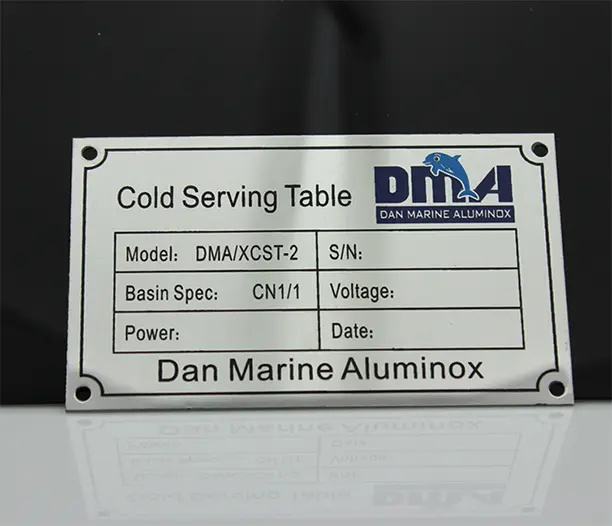
Customization and Compliance
Many industries require specific data on tags: UID codes for the military, CE marks for European equipment, or barcodes for inventory software. Metal tags can be pre‑etched with logos, warning symbols, and sequential numbers. They meet standards like MIL‑STD‑130 and ISO 9001 requirements for permanent identification.
Suppliers often provide free artwork proofs before production, ensuring your metal inventory tags match your exact specifications.
From the foundry to the warehouse, metal inventory tags provide a permanent, low‑maintenance way to track assets. They simplify audits, speed up cycle counts, and reduce lost equipment. For a reliable source of pre‑made or custom tags, check the selection of metal inventory tags available at major industrial suppliers. Investing in metal means your identification system will last as long as your assets.
Frequently Asked Questions About Metal Inventory Tags
Q1: What metals are commonly used for inventory tags?
A1:
Aluminum (lightweight, economical), stainless steel (maximum corrosion
resistance), and brass (decorative or antique finish). Some tags use steel with
a powder‑coated finish for extra protection.
Q2: Can metal inventory tags be printed with barcodes that scanners
can read?
A2: Yes. Laser etching and dot peening produce
high‑contrast barcodes that work with standard 1D and 2D scanners. Chemical
etching also creates smooth, readable surfaces.
Q3: Are these tags suitable for outdoor use in freezing or hot
climates?
A3: Absolutely. Stainless steel and aluminum tags handle
temperatures from -80°F to 800°F without degrading. They resist ice, snow, and
direct sun exposure.
Q4: How do I attach metal tags to uneven or curved
surfaces?
A4: Use flexible wrap‑around tags for pipes, or apply tags
with high‑strength adhesives. For rough surfaces, rivets or screws through
pre‑drilled holes provide a secure fit. Cable ties also work for temporary
mounting.
Q5: Can I get tags with consecutive numbers already
stamped?
A5: Most manufacturers offer pre‑numbered tags starting
from any number you choose. You can also have custom ranges for different asset
categories, ensuring each item has a unique ID.
Q6: How long will metal inventory tags last in a chemical
plant?
A6: Properly specified tags (e.g., 316 stainless steel with
laser‑etched marks) can last 20+ years in aggressive chemical environments. They
resist acids, solvents, and caustic wash‑downs.