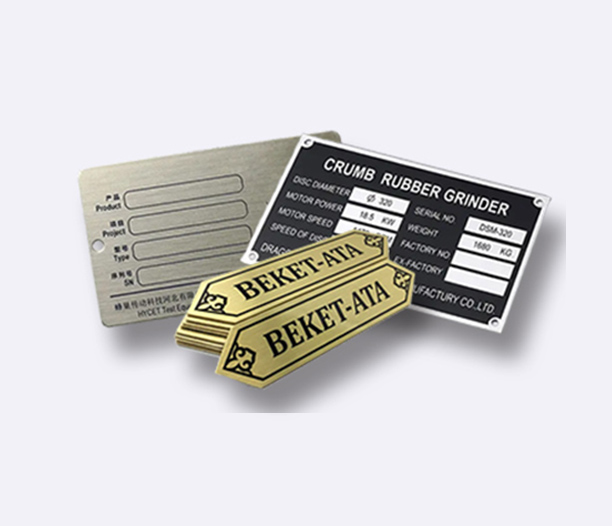
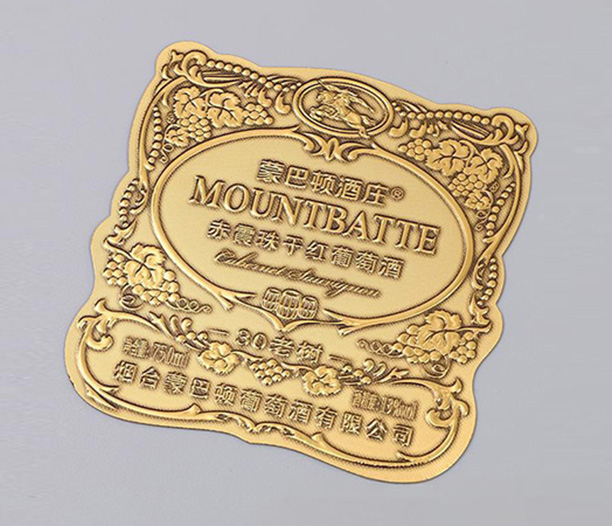
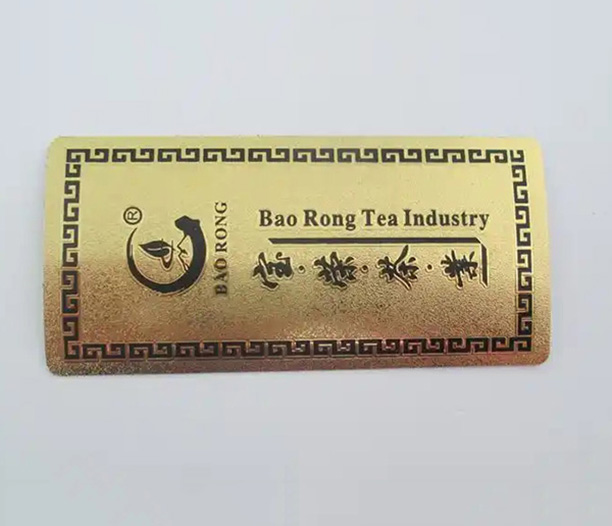
When you need signage that stands up to the elements and looks professional
for decades, embossed metal
signs are a proven solution. Their raised lettering and metallic
finish create a tactile, high-end appearance that flat signs simply cannot
match. From corporate headquarters to industrial floors, these signs convey
permanence and attention to detail. In this article, we explore the many facets
of embossed metal signs and why they remain a top choice for businesses and
homeowners alike.
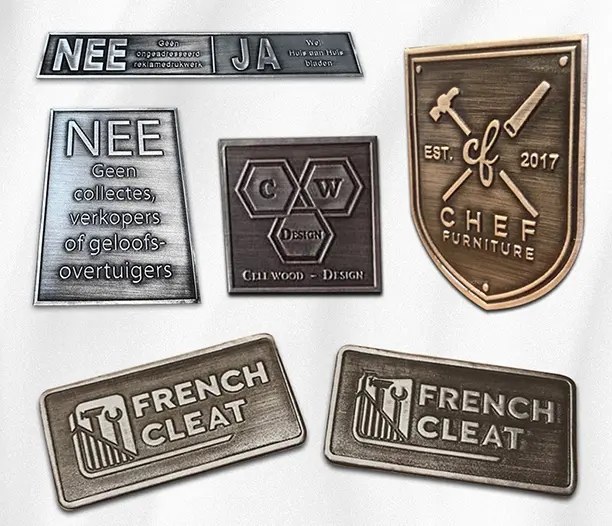
What Exactly Are Embossed Metal Signs?
Embossed metal signs are created by pressing sheet metal into a die, forcing
parts of the surface outward to form raised letters or designs. This process
gives the sign a three-dimensional quality that catches light and shadow. Metals
such as aluminum, brass, stainless steel, and copper are commonly used because
they are both malleable and strong. The result is a sign that offers visual
depth and rugged construction. Because the design is physically raised, embossed
metal signs remain legible even when paint fades over time.
Key Benefits of Embossed Metal Signs
Durability and Weather Resistance
One of the primary reasons people select embossed metal signs is their
ability to withstand rain, snow, UV rays, and temperature swings. Unlike
plastic, metal does not become brittle, and unlike wood, it will not rot. A
well-made metal sign can last twenty years or more with minimal maintenance.
This makes embossed metal signs a cost‑effective investment for outdoor
applications.
Enhanced Aesthetics
The raised elements create shadows that make lettering pop, improving
readability from a distance. For businesses, this translates to better brand
visibility. The premium look of metal also suggests quality and reliability.
Many architects and designers specify embossed metal signs for lobby walls,
conference rooms, and building exteriors because they add a touch of
elegance.
Customization Potential
With embossed metal signs, you are not limited to stock designs. Custom dies
can reproduce logos, unique fonts, or intricate artwork. Finishes range from
polished chrome to brushed nickel, antique copper, or painted enamel. You can
also choose different metal thicknesses and sizes. This flexibility ensures that
your sign matches your exact brand identity.
How Embossed Metal Signs Are Made
Manufacturing embossed metal signs involves several steps. First, a die is
created—usually from hardened steel—that contains the reverse image of the
design. A sheet of metal is placed over the die, and a matching press forces the
metal into the cavity, raising the letters. After embossing, the sign may be
trimmed, holes can be added for mounting, and the surface receives its final
finish. Painting is often done by hand or with rollers to color the raised areas
while leaving the background natural or contrasting. Quality control checks
ensure every detail is crisp.
Common Uses Across Different Industries
The versatility of embossed metal signs means they appear in a wide range of
settings:
Corporate: Lobby logos, nameplates, door signs, and award
plaques.
Industrial: Equipment labels, asset tags, safety warnings,
and pipe markers.
Retail & Hospitality: Storefront signs, room numbers,
amenity markers, and promotional displays.
Public Spaces: Memorial benches, historical markers, park
rules, and directional signs.
Residential: Custom house numbers, mailbox signs, family
name plaques, and decorative art.
Each of these applications benefits from the longevity and upscale appearance
that only embossed metal signs provide.
Embossed Metal Signs vs. Alternative Materials
Compared to plastic signs, embossed metal signs are far more resistant to
fading and cracking. Plastic may yellow or warp after a few years in the sun,
while metal maintains its shape and color. Wooden signs can be visually warm but
require regular staining or sealing to prevent rot and insect damage. Metal
signs, in contrast, need only occasional cleaning. Digital prints on vinyl or
ACM panels lack the tactile dimension of embossed metal, which can make a brand
feel more established. For long‑term value, metal often outperforms all other
materials.
Environmental Advantages of Choosing Metal Signs
Metal is one of the most recyclable materials on the planet. At the end of
their long life, embossed metal signs can be melted down and repurposed without
losing quality. Their durability also reduces waste—fewer replacements mean less
material sent to landfills. Many manufacturers use recycled metals and
eco‑friendly finishes, making these signs a sustainable choice for
environmentally conscious organizations.
Important Considerations When Purchasing Embossed Metal Signs
To ensure you get the best product for your needs, keep these factors in
mind:
Material selection: Aluminum is lightweight and rust‑proof;
brass offers a classic, warm tone; stainless steel is extremely strong and
corrosion resistant.
Thickness: Thicker gauges provide more rigidity, which is
important for large signs.
Mounting method: Decide whether you need pre‑drilled holes,
adhesive backing, or standoffs.
Color and finish: Specify if raised letters should be a
different color from the background.
Size and legibility: Ensure letters are large enough to be
read from the intended distance.
Quantity: Custom dies have a one‑time cost, so ordering
multiple signs spreads that expense.
By carefully evaluating these aspects, you can order embossed metal signs
that perfectly fit your application.
Installation and Maintenance Tips
Installing embossed metal signs is usually straightforward. Most come with
pre‑drilled holes for screws or slots for adhesive tape. For outdoor
installations, use stainless steel fasteners to avoid rust. Periodically check
that the sign remains secure, especially in windy areas. Cleaning is simple:
wipe with a soft cloth, mild soap, and water. Avoid abrasive cleaners or pads
that could scratch the finish. If the sign is painted, touch‑up paint can be
applied years later to refresh its appearance.
In summary, embossed metal signs offer a blend of strength, beauty, and
customization that few other signage options can match. Whether you need a
single nameplate or hundreds of industrial tags, these signs deliver consistent
performance and timeless appeal. For your next project, consider embossed metal
signs as a reliable and attractive solution.
Frequently Asked Questions About Embossed Metal Signs
Q1: What is the difference between embossed and debossed metal
signs?
A1: Embossing raises the design above the surface, while
debossing presses the design into the metal. Both create a three‑dimensional
effect, but embossing is more common for signs because it makes lettering more
prominent and easier to read.
Q2: Can embossed metal signs be made with custom
colors?
A2: Yes, the raised areas can be painted in any color, and
the background can be finished with various patinas or paints. Some
manufacturers also offer powder coating for extra durability and color
retention.
Q3: How long do embossed metal signs typically last?
A3:
With proper care, they can last 20 years or more. Outdoor signs may show slight
weathering over decades, but they remain legible and intact much longer than
plastic or wood signs.
Q4: Are embossed metal signs suitable for indoor use?
A4:
Absolutely. They are often used indoors for office directories, award plaques,
and room identifiers. Their elegant appearance enhances interior decor and
leaves a lasting impression on visitors.
Q5: Can I get a single embossed metal sign made, or do I need to
order in bulk?
A5: Many suppliers offer single‑piece production,
especially for prototypes or personal items like house signs. However, bulk
orders may reduce the per‑unit cost because the die expense is spread over more
pieces.
Q6: What is the maximum size for an embossed metal
sign?
A6: Size is limited by the press equipment, but many
manufacturers can produce signs up to 4 feet by 8 feet or larger using
specialized machinery. For very large signs, multiple panels can be joined
seamlessly.
Q7: How do I clean embossed metal signs without damaging
them?
A7: Use a soft cloth with mild soap and water. Dry thoroughly
to prevent water spots. For stubborn dirt, isopropyl alcohol can be used
sparingly. Avoid harsh chemicals and abrasive pads that could scratch the
surface.