Every gardener knows the frustration. You plant a beautiful new sapling, carefully write the variety name on the white plastic tag that came with it, and walk away satisfied. Fast forward two years. The tree has grown, but that tag is now brittle, cracked, and the writing has completely faded under the sun. You are left guessing whether that apple tree is a Gala or a Honeycrisp.
This is a common scenario in orchards and backyards alike. The solution is simple but often overlooked: switching to metal labels for trees. Unlike their plastic counterparts, metal tags are built to withstand the elements, ensuring that your plant history remains legible for decades, not just seasons.
If you are serious about organization, identification, and the long-term management of your landscape, metal is the only material that makes sense. Let’s look at why these markers are superior and how to choose the right ones for your green space.
The Problem with Plastic and Wood
To understand the value of metal labels for trees, you first have to look at why other materials fail. Plastic is the most common material found in nurseries because it is cheap. However, plastic suffers from UV degradation. The sun makes it brittle, and eventually, the loop snaps, leaving your tag in the dirt.
Wood looks natural, but it rots. Unless you are using treated lumber (which you might not want near fruit trees), a wooden stake will decompose in contact with the soil.
Metal, however, is permanent. When you invest in metal labels for trees, you are investing in a system that resists rain, snow, intense UV radiation, and even physical damage from trimmers or animals.
Choosing the Right Material: Aluminum vs. Stainless Steel
Not all metal tags are created equal. When shopping for metal labels for trees, you will generally encounter three main materials: aluminum, stainless steel, and copper.
Soft Aluminum TagsAluminum is a favorite for many home gardeners. It is soft, which means you can "write" on it using a simple ballpoint pen or a stylus. You aren't actually using ink; you are embossing the metal. This indentation is permanent. Even if the surface gets dirty, the indented writing remains readable.
Aluminum is also rust-proof. It creates a dull grey oxide layer that protects the inner metal, making these metal labels for trees incredibly long-lasting without needing maintenance.
Stainless Steel MarkersIf you want a sleek, industrial look, stainless steel is the way to go. These are much harder than aluminum. You cannot write on them with a pen. Instead, these usually require laser engraving or permanent stamping with a hammer and die set.
Stainless steel offers the highest durability. It will not bend easily and maintains a shiny appearance for a long time. For high-traffic botanical gardens or public parks, stainless steel metal labels for trees are often the standard choice.
Copper TagsCopper offers a unique aesthetic. Over time, it develops a patina (a green or brown coating) that helps it blend into the natural foliage. It doesn't look like a bright sign; it looks like part of the garden. Like aluminum, copper is soft enough to be embossed with a stylus.
The Importance of Embossing
One of the biggest mistakes people make is using permanent markers on metal. While "permanent" marker ink lasts a long time on paper, the sun is a powerful bleaching agent. Even thick black ink will fade to nothing after a few summers.
The true power of metal labels for trees lies in embossing or engraving. When you physically alter the surface of the tag—by pressing letters into it or scratching them out—you ensure the text survives regardless of the weather.
If you buy soft aluminum metal labels for trees, place the tag on a magazine or a piece of cardboard before writing. Press down hard with a ballpoint pen. This creates a deep relief that will be legible for years.
Protecting Your Tree: Attachment Methods
A major concern when attaching anything to a living organism is growth. Trees get wider every year. If you tie a wire tightly around the trunk, the tree will grow over the wire. This is called girdling, and it cuts off the flow of nutrients, eventually killing the branch or the whole tree.
When installing metal labels for trees, you must account for this growth.
The Loop MethodUse a flexible wire (often copper or galvanized steel). Create a large loop around a side branch, not the main trunk. Twist the ends loosely. The loop should be large enough to slide up and down the branch easily. Check these loops annually.
The Spring Nail MethodFor larger, established trees, many arborists use a stainless steel nail and a spring. You slip the metal labels for trees onto the nail, put the spring on, and drive the nail into the trunk. You do not drive it flush; you leave an inch or two sticking out.
As the tree grows, the trunk pushes the tag outwards along the nail. The spring keeps the tag near the head of the nail so it doesn't flop around, but the tree has room to expand without swallowing the label.
Organization and Record Keeping
Beyond just knowing the name of the plant, metal labels for trees allow for detailed record-keeping directly on the plant.
If you run a small orchard, you can include vital data on the tag:
Variety name (e.g., "Fuji Apple")Rootstock type (e.g., "M111")Date plantedSource nursery
Having this information physically attached to the tree saves you from having to run back to the house to check your paper files or digital spreadsheets. When you are out pruning in the winter, seeing the rootstock type on your metal labels for trees helps you decide how aggressively to cut.
Aesthetic Value in Landscape Design
Gardens are visual spaces. White plastic strips fluttering in the wind can look trashy and cheapen the feel of a well-designed landscape.
Metal labels for trees add a level of professionalism. They suggest that this is a curated collection of plants, not just a random assortment. In a rose garden or a fruit orchard, the glint of a silver or copper tag adds a touch of class. It looks intentional.
For those selling properties, these small details matter. A prospective buyer seeing durable, professional labeling perceives that the garden has been well-maintained and cared for.
Durability in Harsh Climates
If you live in an area with salt spray (coastal regions) or heavy snow, your choice of label matters even more. Salt can corrode lesser metals quickly.
In these environments, high-grade aluminum or 316-grade stainless steel metal labels for trees are essential. They resist pitting and corrosion. Furthermore, in snowy climates, heavy snow loads can snap brittle plastic tags. Metal bends but rarely breaks under the weight of a snowdrift.
Preventing Loss and Theft
It is an unfortunate reality that birds, specifically crows and magpies, are attracted to shiny objects. They have been known to pull loose tags off trees.
To combat this, ensure your metal labels for trees are twisted securely. If using the wire method, use a heavier gauge wire that a bird cannot easily manipulate. Some gardeners also prefer copper tags in these areas because they quickly dull down to a brown color, becoming less attractive to curious birds than bright aluminum.
Commercial Applications
For nurseries and tree farms, inventory management is money. Losing the identity of a tree means you cannot sell it as a specific cultivar. Using metal labels for trees ensures that inventory remains accurate from the seedling stage all the way to the final sale.
Many commercial operations use sequential numbering stamped onto metal tags. These numbers correspond to a digital database. This is much more reliable than handwriting variety names, which can be misread or misspelled by different workers.
The Cost-Benefit Analysis
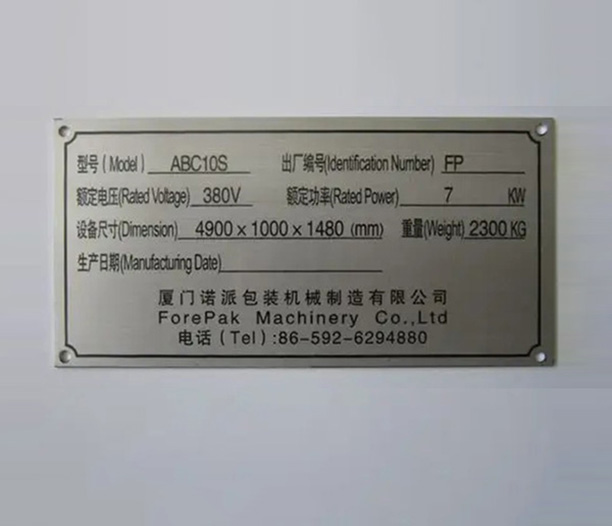
Yes, metal labels for trees cost more upfront than a roll of plastic tape. A box of 100 aluminum tags might cost what 1,000 plastic ones do. However, the cost of labor to replace faded plastic tags every two years is significant.
If you have to research your garden map, write a new tag, and go out to re-label a tree, that is 15 minutes of work. Multiply that by 20 trees, and you have lost an afternoon. Metal labels for trees are a "one-and-done" task. You install them once, and they last for the life of the tree. The return on investment in time savings is massive.
Where to Place Your Labels
Consistency is key. If you place your metal labels for trees on the north side of every tree at eye level (or waist level), you will always know where to look.
Avoid placing tags too low where they can be splashed with mud during rainstorms or hidden by tall grass. Waist height on a sturdy side branch is usually the ideal location. This keeps the tag clean and readable without requiring you to bend down constantly.
Safety Considerations
Metal tags can have sharp edges. When purchasing metal labels for trees, look for brands that advertise "rolled edges" or "rounded corners."
If you are making your own tags from sheet metal, be sure to file down the corners. A sharp metal corner can cut a gardener’s hand or scratch the bark of the tree during a windstorm. Safety for both the human and the plant should be a priority.
DIY Options vs. Professional Tags
You can buy pre-made metal labels for trees that come with wires attached. These are convenient and uniform.
However, some frugal gardeners make their own. You can cut strips from aluminum flashing (sold at hardware stores) or even recycle aluminum soda cans. By cutting the can into strips and using a hole punch, you can create free tags. While these DIY versions are effective, they are often thinner than commercial tags. For a permanent specimen tree, the thicker, commercial-grade metal labels for trees are usually worth the small expense for their rigidity and longevity.
Final Thoughts on Garden Organization
A garden without labels is a mystery, but a garden with illegible labels is a frustration. Transcending the cycle of replacing brittle plastic tags is a rite of passage for the serious gardener.
By switching to metal labels for trees, you secure the identity of your plants against the ravages of time and weather. Whether you choose the soft embossing of aluminum or the industrial strength of stainless steel, the result is a more organized, professional, and manageable landscape.
Frequently Asked Questions
Q1: Will the wire from the metal labels hurt my tree as it grows?
A1: It can if you are not careful. You must avoid wrapping the wire tightly around the trunk. The best practice is to hang the tag on a side branch using a large, loose loop. If attaching to the trunk, use the "spring and nail" method, which allows the tree to push the tag outward as it expands, preventing the wire from cutting into the bark.
Q2: What is the best way to write on aluminum metal labels for trees?
A2: Do not use markers, even permanent ones, as they will fade. The best method is to emboss the metal. Place the tag on a semi-soft surface (like a magazine or mousepad) and write firmly with a ballpoint pen or a metal stylus. This creates a physical indentation in the metal that will remain legible even if the surface oxidizes or gets dirty.
Q3: Do metal labels for trees rust over time?
A3: It depends on the metal. Aluminum and stainless steel are rust-resistant and will generally stay silver and clean. Copper will not rust in the traditional sense, but it will oxidize, turning brown and eventually green (verdigris). This is a natural protective layer and is often desired for its aesthetic look. Standard steel (not stainless) will rust and should be avoided.
Q4: Can I reuse metal labels if a tree dies?
A4: Yes, especially if you use stainless steel or thick aluminum. If the tag was embossed, you can sometimes flatten the writing out by rolling over it with a hard object, but the old text may still be faintly visible. A better option is to simply flip the tag over and use the reverse side. If you used a laser-etched tag, you cannot change the text, but the wire hardware is certainly reusable.
Q5: Where can I buy high-quality metal labels for trees?
A5: You can find them at specialized forestry supply stores, garden centers, or online industrial hardware retailers. It is best to look for suppliers that specialize in horticulture or arboriculture, as they ensure the metal is of the correct thickness and the wires provided are suitable for outdoor use. Avoid standard paper-goods stores, as their "metal tags" are often too thin for long-term outdoor use.