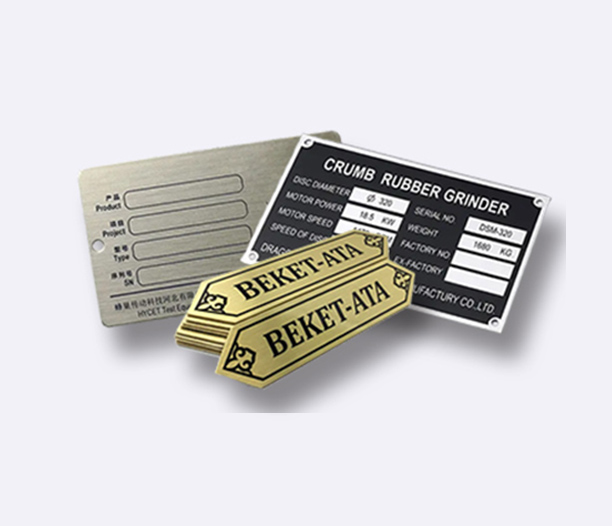
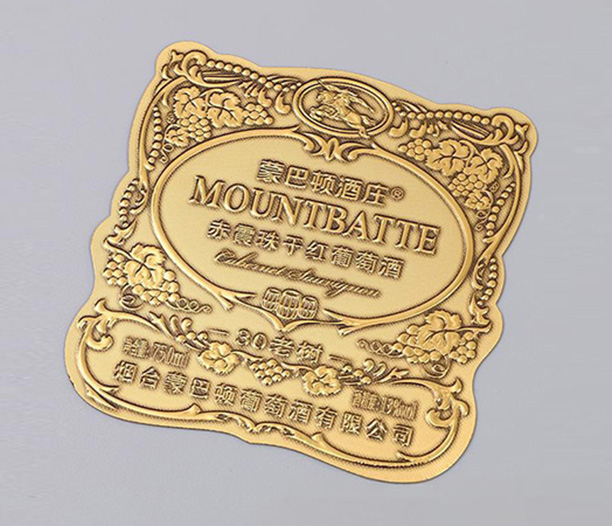
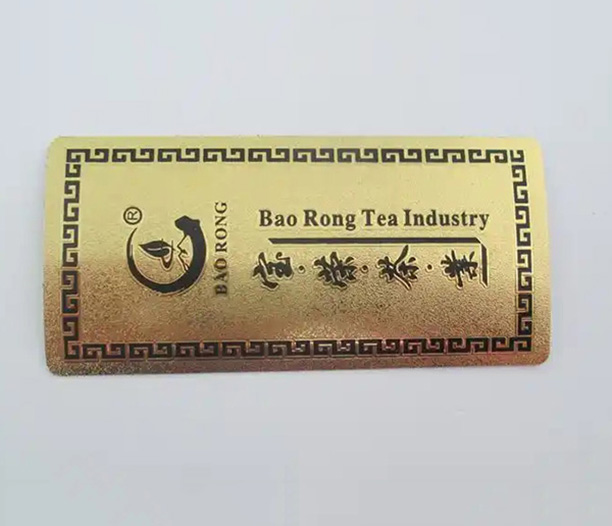
Finding the right nameplate manufacturer is a crucial step in product development. These small plates carry essential information: your brand logo, model numbers, safety warnings, and certifications. A poorly made nameplate can fade, peel, or fall off, damaging your product's perceived quality and violating regulations.
This isn't just about buying a sticker. It's a technical partnership. The right manufacturer ensures durability, compliance, and a perfect aesthetic match for your design.
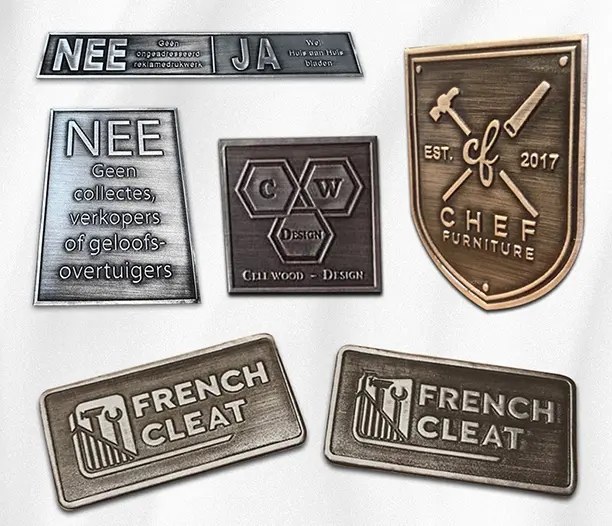
What Does a Professional Nameplate Manufacturer Actually Do?
A full-service nameplate supplier does much more than just print labels. They are experts in materials science, graphic design, and industrial adhesion.
Their core service is transforming your digital artwork into a durable, physical product. They advise on the best materials and processes for your specific environment. This could be extreme temperatures, outdoor UV exposure, chemical contact, or abrasion.
They handle the entire production process. This includes material selection, prototyping, manufacturing, quality control, and sometimes direct shipping to your assembly line. A true industrial nameplate manufacturer understands compliance standards for various industries, from medical devices to heavy machinery.
How to Vet and Select a Reliable Nameplate Supplier
Not all manufacturers are equal. Your selection process should be thorough, as this partner impacts your supply chain and product integrity.
Start with their expertise. Do they specialize in your industry? A manufacturer experienced with automotive durable nameplates will know about heat resistance and automotive-grade adhesives. One focused on electronics will understand ESD and cleanroom requirements.
Request samples. Any reputable custom nameplate manufacturer will gladly send a sample kit. Evaluate the look and feel. Test the adhesion. Try to scratch it. Expose it to solvents or sunlight if that's relevant. The physical sample tells you more than any brochure.
Ask about their prototyping process. How quickly can they turn around a design proof? What format do they need your artwork in? A smooth, collaborative prototyping phase is a good indicator of future service.
Finally, assess their communication. Are they responsive and asking smart questions about your application? Your point of contact should be knowledgeable and proactive.
Understanding Cost Drivers: Why Nameplate Prices Vary
A quote for nameplates can range from pennies per piece to many dollars. Understanding what drives cost helps you budget and make smart trade-offs.
Material choice is the primary factor. Simple polyester labels are inexpensive. Anodized aluminum, brushed stainless steel, or polycarbonate substrates cost more. Specialized materials like UL-recognized films or chemical-resistant alloys add to the price.
The production technology significantly impacts cost. Digital printing is cost-effective for short runs and complex colors. Screen printing offers excellent opacity for longer runs. Etching, embossing, or using domed resins are premium processes that add both beauty and cost.
Quantity plays a huge role. Setup costs (for tooling, screens, or dies) are amortized over the production run. Ordering 1,000 pieces will have a much higher per-unit cost than ordering 50,000. Discuss your long-term needs with the nameplate manufacturer for the best economies of scale.
Finish and extras matter. Laminates for protection, special adhesives (like high-tack or removable), serialization, or laser marking each add incremental cost.
A Look at Manufacturing Techniques: From Screen Printing to Photo-Anodization
The method a nameplate manufacturer uses defines the product's capabilities. Each technique has strengths.
Screen printing is a classic and versatile method. Ink is pushed through a fine mesh screen onto the substrate. It delivers vibrant colors and excellent durability on metals, plastics, and more. It's ideal for medium to long runs.
Digital printing offers maximum flexibility for short runs and complex, full-color graphics. There are no screens to create. Modern UV-cured digital inks are very durable, making this technology increasingly popular for prototyping and low-volume production.
Photo-anodization is a high-end process for aluminum. It involves anodizing the aluminum and then using a photographic process to dye and seal the surface. The result is a metal nameplate with graphics that are inside the surface layer, making them incredibly wear-resistant and elegant.
Etching and engraving remove material to create marks. Chemical etching can produce fine details on metal. Laser engraving vaporizes material for permanent, deep marks. Both are excellent for sequential numbering, barcodes, and creating a tactile feel.
In-mold decorating is a specialized process where the product nameplate is formed as part of the plastic injection molding process. The label becomes an integral, inseparable part of the housing, offering unmatched durability.
Your Project Timeline: From Concept to Delivery
Working with a nameplate manufacturer is a multi-stage process. Knowing the steps helps set realistic expectations.
It begins with a quote request. Provide your artwork, desired material, quantity, and application details. A good manufacturer will review the design for manufacturability and may suggest improvements.
The approval stage involves reviewing a digital proof and physical prototypes. Never skip the prototype. It’s your chance to catch errors in color, size, or feel.
Upon approval, production begins. For processes requiring tooling (like metal dies or silkscreens), this is the lead time to factor in. The manufacturer will produce a first article for your final sign-off before full production runs.
Finally, the order is packaged and shipped according to your instructions. Many manufacturers offer kitting, direct line-side delivery, or inventory management services.
Frequently Asked Questions (FAQs)
Q1: What file format should I provide for my nameplate artwork?
A1: Always provide vector-based artwork (like .AI, .EPS, or .PDF) when possible. Vector graphics are scalable without quality loss, ensuring sharp edges on text and logos. If you only have a raster image (like .JPG or .PNG), ensure it is very high resolution (at least 300 DPI) at the final print size.
Q2: How do I know which adhesive is right for my product's surface?
A2: This is a critical question for your nameplate manufacturer. Tell them the substrate material (painted metal, textured plastic, glass, etc.) and any environmental challenges (heat, cold, humidity, oil). They will recommend an adhesive type—from permanent acrylic to removable rubber-based or heavy-duty VHB tapes.
Q3: Can you produce nameplates that meet specific safety standards?
A3: Reputable industrial nameplate manufacturers regularly produce labels that comply with standards like UL/CSA, RoHS, REACH, MIL-SPEC, or FDA requirements. You must specify the exact standard needed. They will use certified materials and processes and can often provide documentation of compliance.
Q4: What is the typical minimum order quantity (MOQ) for custom nameplates?
A4: MOQs vary widely. For digitally printed labels, an MOQ might be as low as 50-100 pieces. For processes requiring custom tooling like screen printing or metal etching, MOQs often start at 500 to 1,000 pieces. Always discuss quantity expectations upfront.
Q5: What if I need to make a change to the design after production has started?
A5: Changes after tooling has been created or production has begun can be costly and cause delays. This is why the prototype and first article approval stages are so vital. Minor changes may be possible, but significant revisions will likely require new tooling and a new production run, incurring additional charges and lead time.