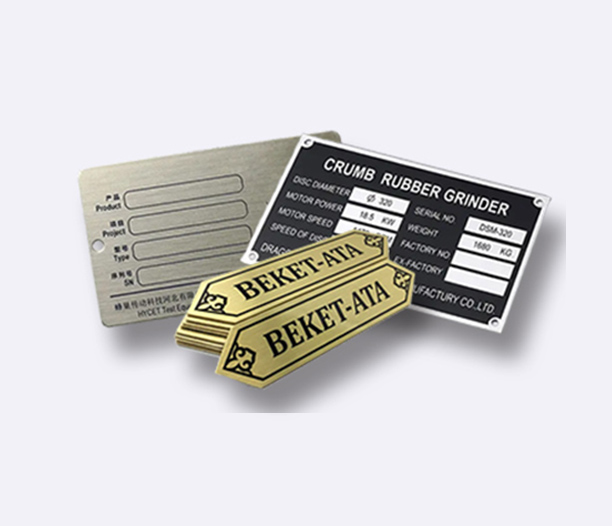
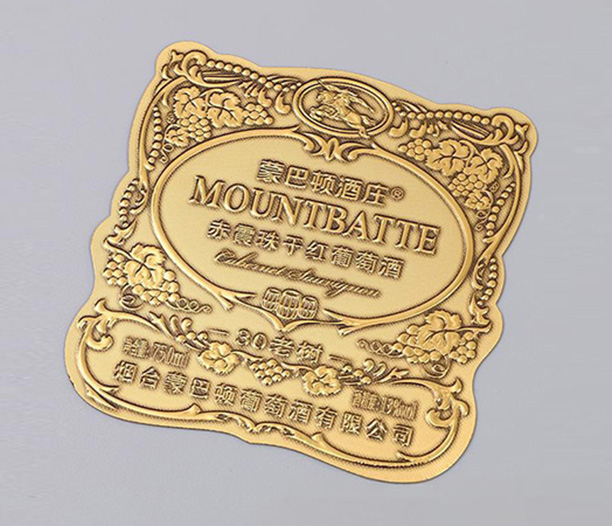
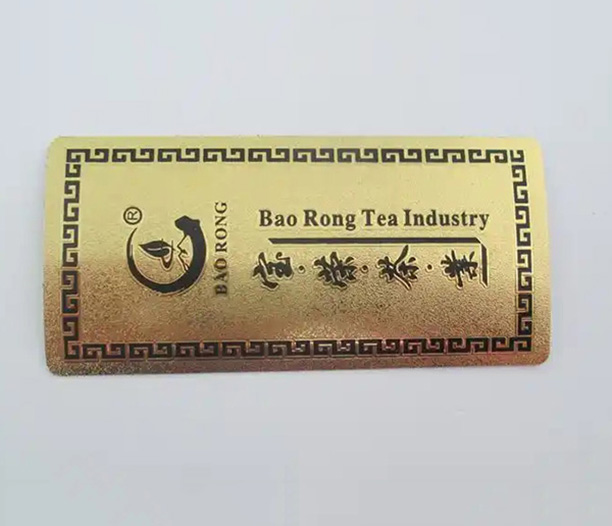
In many settings, from factories to storefronts, durable identification is essential. Metal sticker labels provide a robust solution. They combine strength with visual clarity. This article covers their key aspects and practical uses.
These labels are thin metal sheets with an adhesive backing. They stick to surfaces like equipment, products, and signs. Their resistance to wear makes them a reliable choice. We will look at their features in detail.
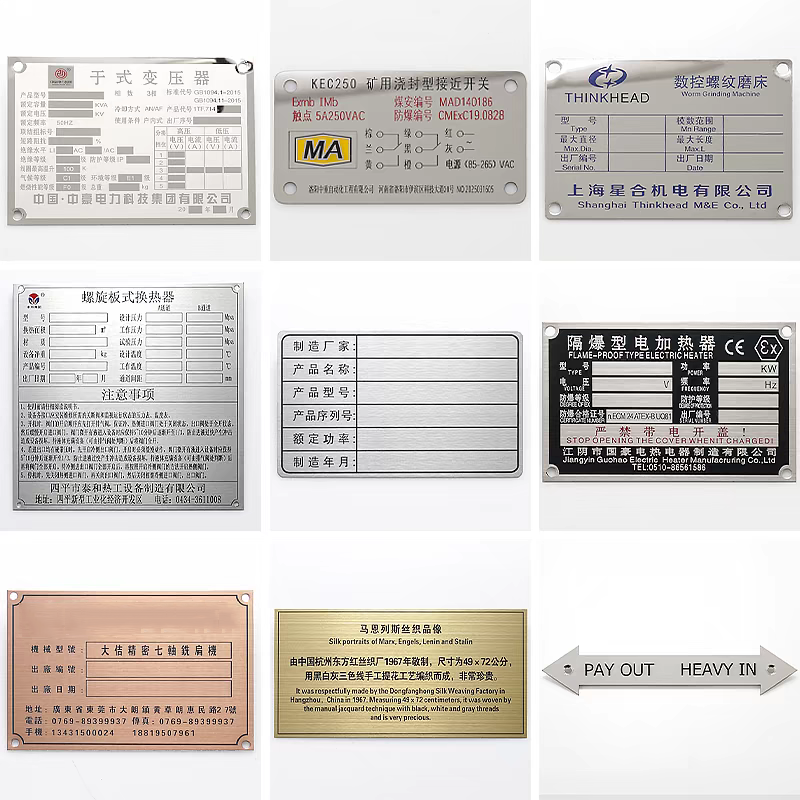
Understanding Metal Sticker Labels
Metal sticker labels are specialized tags made from metal foils. They serve for marking, branding, and information display. Their construction allows them to last for years. This makes them different from paper or plastic labels.
Basic Composition and Makeup
These labels typically have three layers. The top is a thin metal layer. Below is an ink or engraved area for information. The bottom is a strong adhesive. This design ensures they stay in place.
Common metals used include:
Aluminum: Light and resistant to rust.
Stainless steel: Tough and handles high heat.
Brass: Has a distinctive gold-like look.
Copper: Often used for its natural color.
How They Are Produced
Making metal sticker labels involves precise steps. First, the metal sheet is cleaned and prepared. Then, designs are printed or etched onto the surface. Finally, they are cut to shape and coated for protection.
This process ensures consistency and quality. Advanced techniques allow for detailed graphics and text.
Where Metal Sticker Labels Are Used
The applications for metal sticker labels are wide-ranging. They fit both indoor and outdoor environments. Their durability supports long-term use in tough conditions.
Industrial and Manufacturing Settings
In factories, these labels mark machinery and parts. They withstand oil, chemicals, and friction. This helps with asset tracking and safety warnings. Workers rely on them for clear instructions.
Key uses in industry:
Equipment nameplates and serial numbers.
Electrical panel certifications.
Pipe and valve identification.
Quality control tags.
Commercial and Retail Applications
Businesses use these labels for branding and product info. They add a premium feel to items. Store shelves and displays often feature them. They resist handling and environmental exposure.
Examples include:
Price tags on luxury goods.
Brand logos on appliances.
Information labels on tools.
Promotional decals for windows.
Personal and Decorative Projects
Individuals use metal sticker labels for crafts and organization. They personalize items like laptops, bottles, and gear. The labels offer a sleek, custom look. They are easy to apply at home.
Popular personal uses:
Name tags for belongings.
Decorative elements for interiors.
Labels for storage bins.
Custom gifts and mementos.
Different Types of Metal Sticker Labels
Various materials and finishes are available. Each type suits specific needs. Choosing the right one depends on the environment and purpose.
Aluminum Sticker Labels
Aluminum labels are lightweight and cost-effective. They resist corrosion well. This makes them ideal for outdoor signs and electronics. They can be printed in many colors.
Their flexibility allows for curved surfaces. They are a common choice for general-purpose labeling.
Stainless Steel Sticker Labels
Stainless steel offers high strength. It handles extreme temperatures and harsh chemicals. These labels are used in automotive and aerospace industries. They have a silver, professional appearance.
They are often etched or engraved for permanence. This ensures the information does not fade.
Brass and Copper Sticker Labels
Brass and copper labels provide a classic, elegant look. Brass has a gold tone, while copper has a reddish hue. They are common in architectural and decorative contexts. These metals also develop a patina over time.
They are suitable for plaques and vintage-style branding. Their natural appeal enhances visual design.
Advantages of Choosing Metal Sticker Labels
Opting for metal sticker labels brings several benefits. Their performance in diverse settings is notable. They offer a good return on investment due to longevity.
Durability and Long Lifespan
These labels last much longer than paper or vinyl. They do not tear or degrade easily. This reduces the need for frequent replacement. They maintain readability for years.
Factors contributing to durability:
Resistance to UV rays from the sun.
Ability to handle moisture and rain.
Protection against abrasion and scratches.
Stability in temperature changes.
Professional and Premium Appearance
Metal labels give a high-quality impression. They look sleek and modern. This enhances brand image and product value. Customers often perceive them as more reliable.
Their reflective surfaces can catch light. This makes them stand out in displays.
Versatility in Adhesion and Use
The adhesives used are strong and varied. Some are permanent, while others are removable. They stick to metals, plastics, glass, and more. This allows for application on many items.
Special adhesives exist for rough or textured surfaces. Proper selection ensures a secure bond.
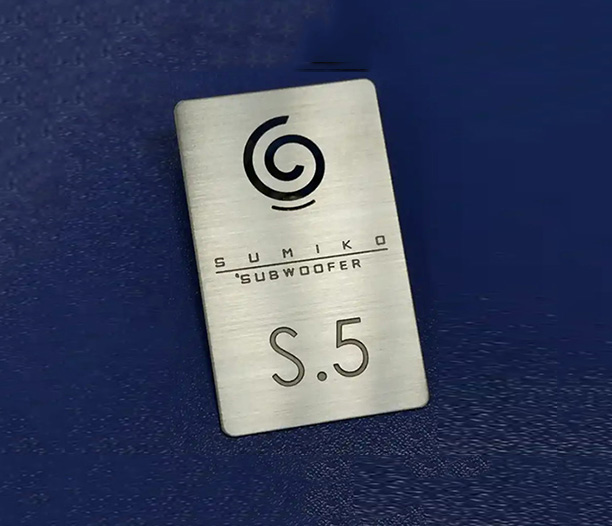
Selecting the Right Metal Sticker Labels
Choosing appropriate metal sticker labels involves a few considerations. The right match depends on your specific project needs.
Assessing the Environment
Think about where the label will be placed. Indoor use might need less protection. Outdoor settings require weather-resistant materials. Harsh conditions demand stainless steel or coated aluminum.
Consider exposure to:
Design and Printing Options
Designs can be simple or complex. Printing methods include screen printing, digital printing, and etching. Colors, fonts, and logos should be clear. Ensure the text size is readable from a distance.
Some labels have protective laminates. These add an extra layer against wear.
Understanding Adhesive Types
Adhesives vary in strength and purpose. Permanent adhesives are for long-term fixes. Removable ones allow for repositioning. Always check the surface compatibility before applying.
Test a small area if unsure. This prevents damage or poor adhesion.
How Metal Sticker Labels Are Made
The manufacturing process ensures quality and precision. It involves several stages from design to final product.
Design and Artwork Preparation
First, the label design is created digitally. Software helps layout text and graphics. Specifications like size and shape are set. This step is crucial for accuracy.
Proofs are often shared for approval. Changes can be made before production.
Printing, Cutting, and Finishing
Next, the design is transferred to the metal sheet. Printing methods depend on the material. Then, machines cut the labels into shapes. Edges are smoothed for safety.
Finishing touches might include:
Applying a clear protective coat.
Adding dome effects for texture.
Die-cutting for custom outlines.
Quality checks for defects.
Packaging and Distribution
Finally, labels are packed to prevent damage. They are shipped to customers or distributors. Proper packaging ensures they arrive ready for use.
Bulk orders often reduce costs per unit. This is useful for large projects.
Conclusion
Metal sticker labels offer a dependable way to mark and identify items. Their strength and looks make them suitable for many tasks. From industry to home use, they provide clear communication.
When planning your next labeling project, consider these factors. The right metal sticker labels can enhance functionality and style. They are a practical investment for lasting results.
Frequently Asked Questions (FAQs)
Q1: What are the main benefits of using metal sticker labels over plastic ones?
A1: Metal sticker labels are more durable and resistant to environmental damage. They withstand heat, chemicals, and UV exposure better than plastic. They also offer a more professional, premium appearance that can enhance brand perception.
Q2: Can metal sticker labels be used outdoors?
A2: Yes, many metal sticker labels are designed for outdoor use. Materials like aluminum and stainless steel have corrosion-resistant properties. Protective coatings can further shield them from rain, sun, and temperature changes.
Q3: How do I apply metal sticker labels correctly?
A3: Ensure the surface is clean, dry, and free of dust. Peel the backing off the label and align it carefully. Press firmly from the center outward to remove air bubbles. For best results, apply at room temperature.
Q4: Are metal sticker labels removable?
A4: Some metal sticker labels come with removable adhesives, but many are designed for permanent application. Check the product specifications before purchase. Attempting to remove permanent labels may damage the surface or the label itself.
Q5: What customization options are available for metal sticker labels?
A5: You can customize size, shape, material, color, and finish. Printing techniques allow for detailed graphics, text, and logos. Options include sequential numbering, barcodes, and special adhesives for specific surfaces.