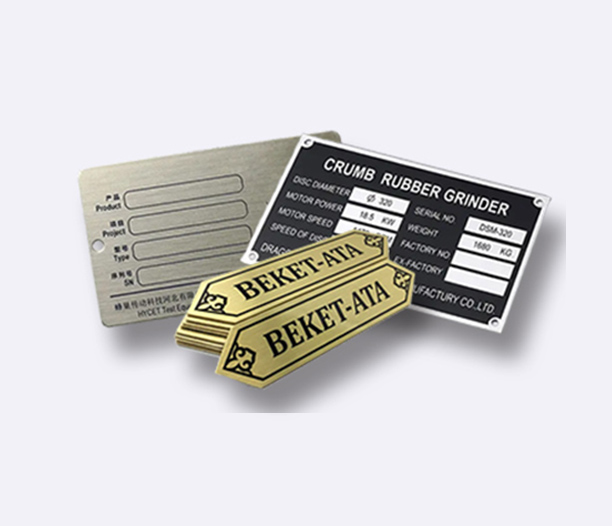
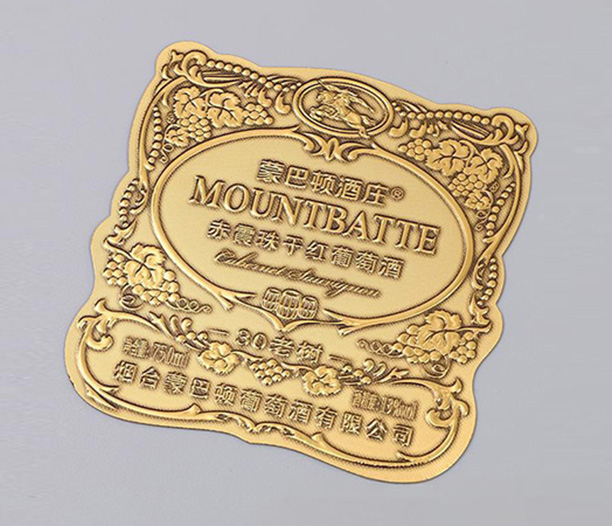
Clear identification is important in many spaces. On a desk, door, or wall, a name plate provides quick information. Portrait name plates are a popular style designed for this purpose. They are wider than they are tall, fitting a name and title comfortably.
This format is common for professional environments. It offers a clean, organized look. This article explains their uses, materials, and how to choose one. It will help you make an informed decision for your needs.
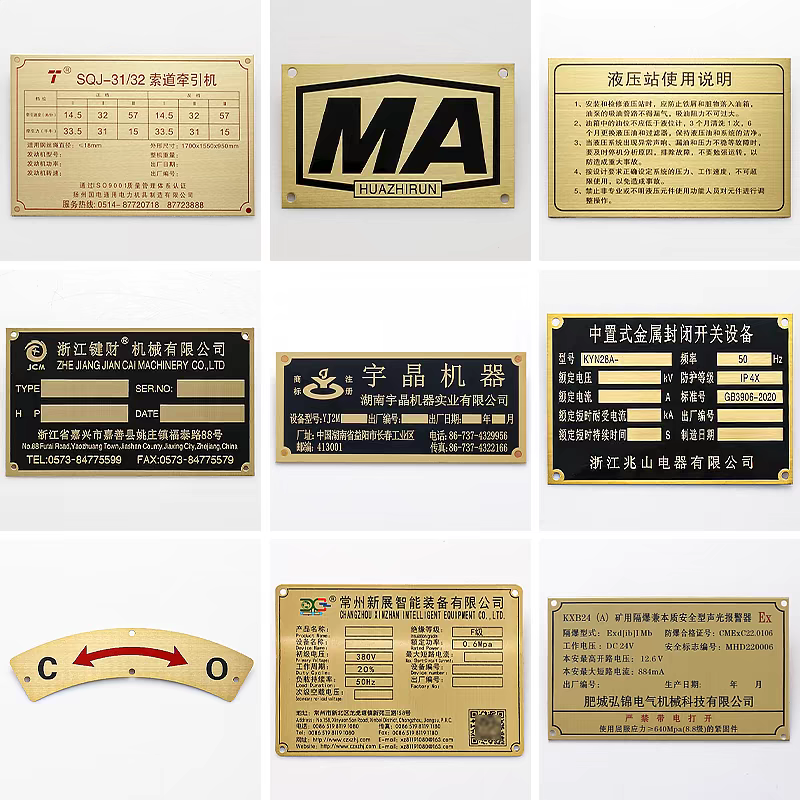
What Are Portrait Name Plates?
A portrait name plate is oriented horizontally. Its width is greater than its height. This layout is ideal for displaying a person's name, job title, and sometimes a company logo.
They are typically placed on a desk or mounted on a door or wall. The design is straightforward and easy to read from a distance. They serve as a point of introduction and establish presence.
Standard Dimensions and Orientation
Common sizes range from around 1 inch to 2 inches in height. The length often varies from 6 to 10 inches. This shape uses space efficiently on a desk corner or below a window.
The portrait orientation is different from a "landscape" name plate, which is taller than it is wide. The wide format allows for text to be spread out, improving readability.
Common Uses for Portrait Name Plates
These name plates are versatile. They are found in many settings where identification is needed. Their professional appearance makes them a standard choice for businesses.
Corporate and Office Environments
This is the most frequent use. They are placed on desks in open-plan offices, cubicles, and private offices. They help clients and colleagues identify staff quickly.
Common placements in an office include:
On the desk, standing with a metal or plastic holder.
Mounted on the door of an office or conference room.
At reception desks for greeters and administrators.
On name walls or directories at building entrances.
Professional Services and Medical Fields
Doctors, lawyers, and therapists use them. A portrait name plate on a desk adds credibility. It assures clients they are in the right place.
In medical offices, they often include credentials like "MD" or "PhD." Clean, easy-to-sanitize materials are important here.
Events and Conferences
Temporary name plates are used for meetings and trade shows. They identify speakers, panelists, and attendees. They are often placed on tables in front of seats.
These are usually made from lighter materials like plastic or acrylic. They can be reused for different events.
Materials Used in Making Name Plates
The material choice affects look, durability, and cost. Each option has its own benefits. The right one depends on your budget and setting.
Metal Name Plates
Metal offers a classic, high-end feel. It is very durable and lasts for years. Common metals include brass, aluminum, and stainless steel.
Brass and aluminum are often engraved or etched. Stainless steel has a modern, industrial look. Metals are suitable for executive offices and formal settings.
Plastic and Acrylic Name Plates
Plastic is a cost-effective and lightweight choice. Modern plastics like acrylic look sleek and professional. They come in many colors and finishes.
Benefits of plastic and acrylic:
Lower price point, good for bulk orders.
Lightweight and easy to ship or move.
Can be transparent, frosted, or colored.
Text is usually printed or infilled.
Wood and Composite Materials
Wood name plates provide a warm, traditional appearance. They suit law firms, libraries, or academic offices. Composite materials mimic wood or stone at a lower cost.
They often have a carved or routed look. A protective finish is applied to prevent wear. They add a touch of elegance to any desk.
Design Elements and Customization
A well-designed name plate is clear and matches its environment. Customization options are wide. You can control the text, font, logos, and colors.
Text and Typography
The name is the focal point. It should be the largest text element. The job title or department is usually smaller. Choosing a clear, professional font is key.
Serif fonts (like Times New Roman) look traditional. Sans-serif fonts (like Arial or Helvetica) appear modern and clean. Avoid overly decorative fonts for readability.
Adding Logos and Graphics
Many companies add their logo to employee name plates. This reinforces brand identity. The logo can be engraved, printed, or applied as a separate piece.
Other graphics might include:
Departmental icons or flags.
Professional association emblems.
Simple decorative borders or lines.
Security badges or access control tags.
Finishes and Colors
The finish changes the overall feel. Metals can be polished, brushed, or satin. Plastics can be glossy, matte, or textured.
Color choices include:
Black text on a silver or gold background.
White engraved text on a dark plastic plate.
Company color schemes integrated into the design.
Natural wood stains and finishes.
How to Choose the Right Portrait Name Plate
Selecting a name plate involves several factors. Consider where it will go, who will see it, and your budget. The goal is to find a balance between function and style.
Consider the Location and Use
Think about the physical placement. A desk plate needs a stand or to lie flat. A door plate requires mounting holes. Will it be indoors or in a high-traffic area?
For a busy hallway, choose a durable material. For a protected executive desk, you can focus more on aesthetic materials.
Match the Company Culture
The name plate should reflect the organization's style. A tech startup might prefer sleek acrylic. A financial institution may opt for classic brass engraving.
Consistency across the office looks professional. Many companies have a standard design for all employees.
Understand Budget and Quantity
Material and customization affect price. Metal plates cost more than plastic. Ordering in bulk almost always reduces the per-unit cost.
Determine your needs:
How many plates do you need now?
Will you need more for new hires later?
Is a simple, standard design sufficient?
Are you willing to pay more for premium materials?
The Ordering and Production Process
Getting custom portrait name plates is straightforward. Most suppliers have a simple process. It involves design, proofing, and manufacturing.
Preparing Your Information
Gather all names, titles, and departments accurately. Double-check spelling. Have your company logo ready in a high-resolution digital format.
Decide on the material and size. A good supplier will guide you through these choices if you are unsure.
Design Proof and Approval
The supplier will create a visual proof. This shows exactly how the name plate will look. Review this proof carefully. Check all text, logos, and dimensions.
Once approved, production begins. Changes after approval may cause delays or extra charges.
Manufacturing and Shipping
Production time depends on material and order size. Engraving metal takes time. Printing plastic plates can be faster. The supplier will provide an estimated timeline.
Plates are then packed securely and shipped. They often come with necessary accessories like stands or mounting tape.
Caring for and Maintaining Name Plates
With proper care, a name plate can last for many years. Simple maintenance keeps it looking new. The method depends on the material.
Cleaning Different Materials
For metal plates, use a soft, damp cloth. A mild soap can help with fingerprints. Dry immediately to prevent water spots. Avoid abrasive cleaners.
For plastic and acrylic, a microfiber cloth works well. Use a plastic cleaner to remove smudges and restore shine. Wood plates should only be dusted lightly.
Handling and Storage
Handle plates by the edges to avoid marks. Store spare plates in a cool, dry place. Lay them flat to prevent warping, especially for plastic.
If a plate gets damaged, contact the supplier. They may be able to repair it or create a replacement to match the original set.
Portrait name plates are a simple but effective tool for identification. They create a professional atmosphere and help with navigation in a workspace. The right plate combines clarity, durability, and style.
By considering material, design, and use, you can select the perfect option. A well-chosen portrait name plate makes a positive and lasting impression on clients and colleagues alike.
Frequently Asked Questions (FAQs)
Q1: What is the typical size for a desk portrait name plate?
A1: A common size is about 1 inch high by 8 inches wide. Sizes can vary, but the portrait orientation means the width is always greater than the height. Standard heights range from 1" to 2", with lengths from 6" to 10".
Q2: Can I order just one custom portrait name plate, or is there a minimum order?
A2: Many suppliers accept single orders, but the unit cost may be higher. Ordering in quantity (often 10 or more) usually provides a better price per plate. Check with the specific manufacturer for their policy.
Q3: How is the text put onto a metal name plate?
A3: Text on metal is commonly engraved (cut into the surface) or etched (chemically treated). The grooves can be left plain or filled with colored enamel for contrast. Other methods include sublimation printing for full color.
Q4: What is the delivery time for custom name plates?
A4: Production time depends on complexity and quantity. Simple plastic plates may ship in 3-5 business days. Engraved metal plates or large bulk orders may take 7-14 business days. Always confirm timelines with your supplier.
Q5: Are there eco-friendly materials for name plates?
A5: Yes. Options include recycled aluminum, bamboo, and bio-based plastics. Some manufacturers use sustainable wood sources. When ordering, you can inquire about the environmental properties of their materials.