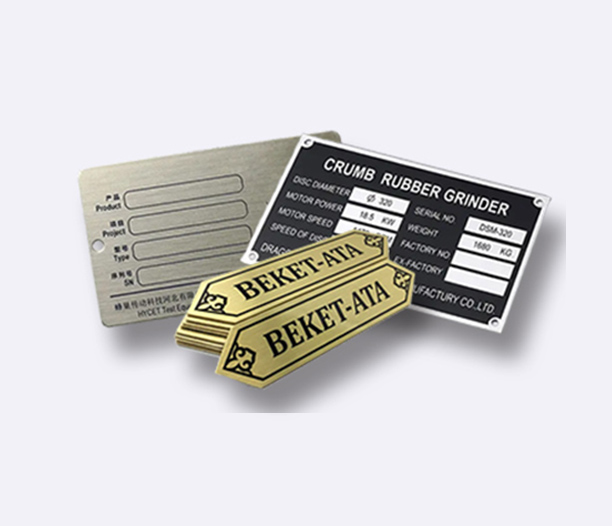
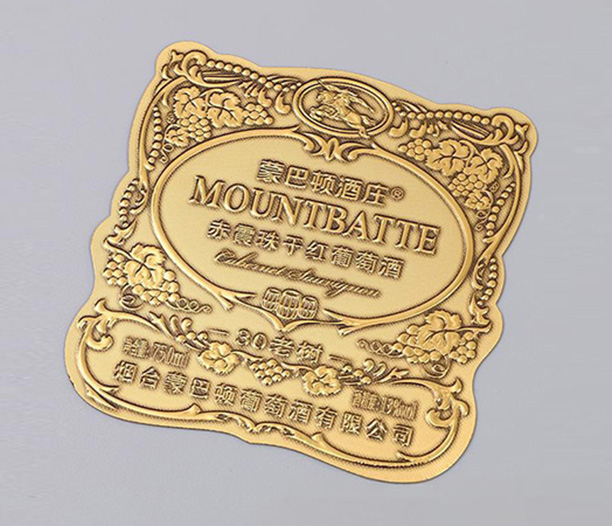
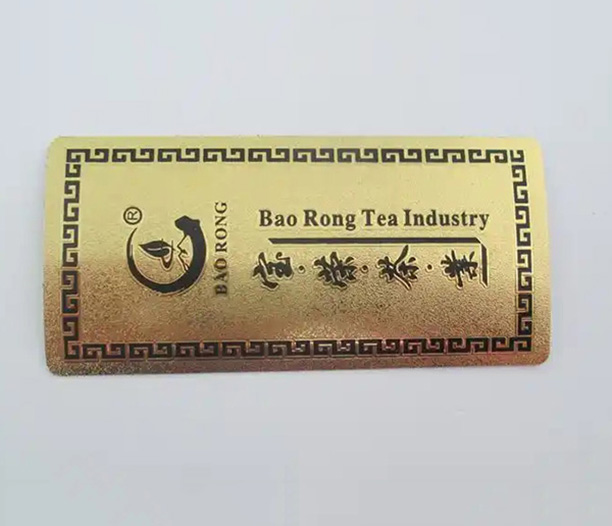
When it comes to organizing and identifying plants in your garden, labels play a crucial role. Among the various options available, metal tags for plants have gained popularity for their durability and elegance. Whether you're a hobbyist gardener or a professional horticulturist, using metal plant tags can transform how you manage your green space. These tags offer a permanent solution that withstands weather, time, and handling, making them a smart investment for any gardening enthusiast.
In this article, we'll explore everything you need to know about metal tags for plants. From their benefits and types to practical applications and purchasing tips, we'll cover all aspects to help you make an informed decision. By the end, you'll understand why metal tags for plants are a top choice for reliable garden labeling.
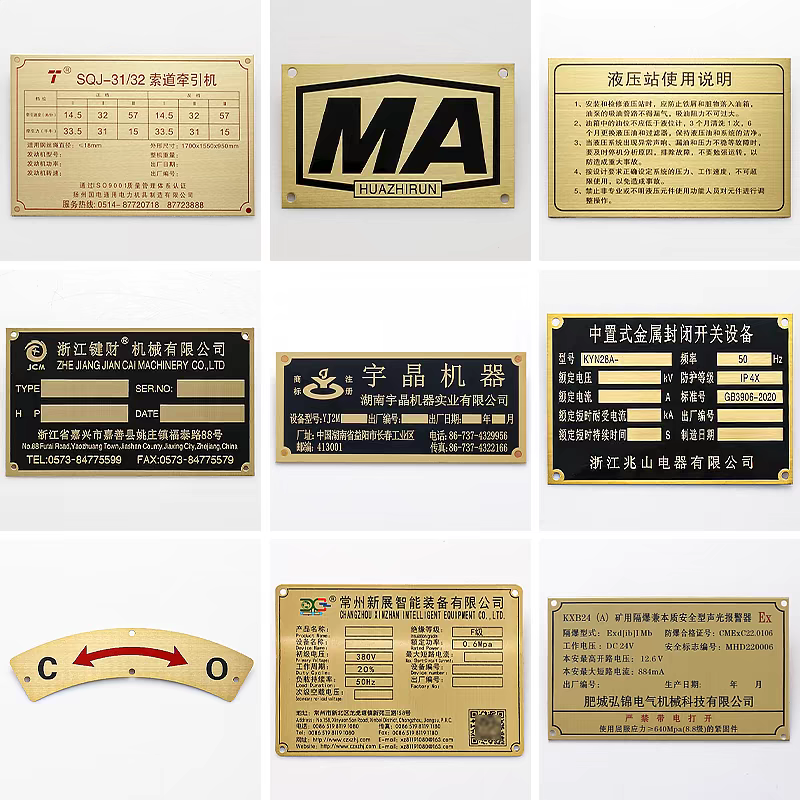
What Are Metal Tags for Plants?
Metal tags for plants are durable markers made from materials like aluminum, stainless steel, or copper. They are designed to label plants in gardens, nurseries, or botanical settings. These tags typically feature engraved or stamped information, such as plant names, species, or care instructions. Unlike plastic or wooden labels, metal tags for plants resist fading, breaking, and environmental damage.
The primary purpose of metal plant tags is to provide long-lasting identification. They help gardeners keep track of their plants, especially in large or diverse collections. With metal tags for plants, you can ensure that your labels remain legible for years, even in harsh conditions like rain, sun, or frost. This makes them ideal for both indoor and outdoor use.
Benefits of Using Metal Tags for Plants
One of the key advantages of metal tags for plants is their exceptional durability. Metal plant tags do not degrade easily, unlike paper or plastic alternatives. They can last for decades without losing their clarity. This longevity saves you money and effort in the long run, as you won't need to replace labels frequently.
Another benefit is their aesthetic appeal. Metal tags for plants often have a sleek, professional look that enhances the beauty of your garden. They come in various finishes, such as matte, polished, or antique, allowing you to match them with your garden's style. Additionally, metal plant tags are environmentally friendly, as many are made from recyclable materials.
Metal tags for plants also offer practicality. They are easy to clean and maintain, requiring only occasional wiping to keep them readable. Their resistance to pests, such as insects or rodents, further adds to their reliability. For gardeners seeking a permanent labeling solution, metal plant tags are a standout choice.
Comparing Metal Tags with Other Plant Labels
When choosing labels for your garden, it's helpful to compare metal tags for plants with other materials. Plastic tags are lightweight and inexpensive, but they can become brittle over time. Sun exposure often causes plastic to fade or crack, making them less reliable for long-term use. In contrast, metal plant tags maintain their integrity under similar conditions.
Wooden labels offer a natural look but are prone to rotting and decay. Moisture can cause wood to warp or break, limiting its lifespan. Metal tags for plants, especially those made from stainless steel or aluminum, are impervious to water damage. This makes them superior for outdoor gardens or humid environments.
Another option is ceramic or stone markers, which are durable but often heavy and costly. Metal plant tags strike a balance between durability and affordability. They are lightweight enough for easy installation yet sturdy enough to endure seasons. For gardeners prioritizing both function and value, metal tags for plants are a compelling option.
How to Use Metal Tags for Plants in Your Garden
Using metal tags for plants is straightforward, but some tips can enhance their effectiveness. Start by selecting the right size and shape for your needs. Small metal plant tags work well for potted plants or seedlings, while larger tags are better for trees or shrubs. Ensure the tag is visible but not obtrusive, blending seamlessly with your garden's layout.
When attaching metal tags for plants, consider the method. Many tags come with holes for wiring or tying to branches or stakes. Use durable materials like copper wire or nylon ties to secure them. Avoid placing tags too tightly, as plant growth may require adjustment. For direct insertion into soil, choose tags with stakes or pointed ends designed for metal plant tags.
Engraving or labeling the tags is crucial. Use a permanent method like etching or stamping to write plant names, dates, or care notes. This prevents information from wearing off. Regularly check metal tags for plants to ensure they remain secure and legible. With proper use, these tags can become an integral part of your gardening routine.
Choosing the Right Metal Tags for Plants: A Buyer's Guide
Selecting the best metal tags for plants involves considering several factors. First, decide on the metal type. Aluminum tags are lightweight and corrosion-resistant, ideal for general use. Stainless steel metal plant tags offer superior strength and rust prevention, suitable for wet climates. Copper tags develop a natural patina over time, adding a vintage charm to your garden.
Next, think about the size and shape. Metal tags for plants come in various dimensions, from small rectangles to large ovals. Choose based on the plants you're labeling and the amount of information needed. For example, herb gardens might benefit from compact tags, while orchards may require larger metal plant tags with detailed engravings.
Consider the customization options. Some suppliers offer pre-engraved tags, while others provide blank metal tags for plants that you can label yourself. If you have specific design preferences, look for tags with decorative edges or colors. Also, check the attachment methods—some tags include built-in stakes, while others need separate fasteners.
Lastly, evaluate durability and warranty. High-quality metal plant tags should withstand outdoor elements without tarnishing. Read reviews or ask for samples to assess the product's longevity. By focusing on these aspects, you can find metal tags for plants that meet your gardening needs and budget.
Where to Find Metal Tags for Plants
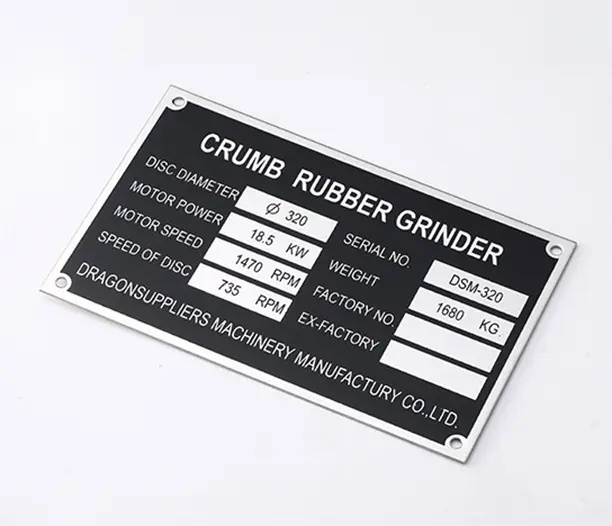
Finding reliable suppliers for metal tags for plants is essential for quality and value. Start by searching online marketplaces that specialize in gardening supplies. These platforms often offer a wide range of metal plant tags from various manufacturers. Look for sellers with positive feedback and detailed product descriptions to ensure you're getting durable tags.
Local garden centers or nurseries may also carry metal tags for plants. Visiting in person allows you to inspect the tags for quality and finish. If you prefer customization, consider reaching out to metalworking shops or engraving services. They can create bespoke metal plant tags tailored to your specifications, though this may come at a higher cost.
Another option is to attend gardening expos or trade shows. These events often feature vendors showcasing innovative metal tags for plants. Networking with other gardeners can also lead to recommendations for trusted suppliers. When purchasing, compare prices and services to find the best deal for your metal plant tags.
Regardless of where you buy, ensure the supplier uses high-grade materials for metal tags for plants. Ask about production processes and any guarantees against defects. With a bit of research, you can source metal plant tags that enhance your garden's organization and appeal.
Understanding the Cost of Metal Tags for Plants
The price of metal tags for plants varies based on several factors. Material is a primary cost driver. Aluminum metal plant tags are generally affordable, while stainless steel or copper tags may be more expensive due to their durability and aesthetic value. Custom engravings or designs can also increase the cost of metal tags for plants.
Quantity plays a role too. Buying metal plant tags in bulk often reduces the per-unit price, making it economical for large gardens or commercial use. Conversely, small orders might have higher individual costs. Consider your long-term needs when purchasing metal tags for plants to maximize value.
Additional features, such as decorative finishes or special shapes, can add to the expense. Basic metal tags for plants are usually budget-friendly, but premium options with intricate details may command a higher price. Shipping and handling fees should also be factored in, especially for online orders of metal plant tags.
On average, metal tags for plants range from a few cents to several dollars per tag, depending on quality and customization. Investing in durable metal plant tags can save money over time by avoiding frequent replacements. Assess your budget and priorities to find cost-effective metal tags for plants that don't compromise on quality.
The Technology and Craftsmanship Behind Metal Tags for Plants
The production of metal tags for plants involves advanced technology and skilled craftsmanship. It typically starts with selecting raw metals, such as aluminum or steel sheets. These materials are cut into desired shapes using laser cutting or stamping machines. This precision ensures consistency in size and edges for metal plant tags.
Engraving is a critical step in creating metal tags for plants. Modern methods include laser engraving, which etches information permanently into the surface. This technology allows for detailed text and graphics on metal plant tags, ensuring legibility even after years of exposure. Some tags are also stamped or embossed for a raised effect.
Finishing processes enhance the durability and appearance of metal tags for plants. Treatments like anodizing or powder coating add corrosion resistance and color. For instance, anodized aluminum metal plant tags are available in various hues, while stainless steel tags may be polished to a shine. These finishes protect the tags from weathering and wear.
Quality control is essential in manufacturing metal plant tags. Each tag is inspected for defects, such as sharp edges or incomplete engravings. This attention to detail ensures that metal tags for plants meet high standards. By understanding the craftsmanship involved, you can appreciate the value of these durable garden labels.
Frequently Asked Questions About Metal Tags for Plants
Q1: How long do metal tags for plants typically last?
A1: Metal tags for plants are designed for longevity. With proper care, they can last for decades, even in outdoor conditions. Materials like stainless steel or aluminum resist rust and fading, making metal plant tags a permanent labeling solution for gardens.
Q2: Can I engrave metal tags for plants myself?
A2: Yes, you can engrave metal tags for plants at home using tools like engraving pens or stamps. However, for best results, consider professional services that use laser engraving. This ensures clear, durable markings on your metal plant tags.
Q3: Are metal tags for plants safe for all types of plants?
A3: Absolutely. Metal tags for plants are inert and non-toxic, posing no harm to plants or soil. They are safe for use in vegetable gardens, ornamental beds, and potted plants. Just ensure the tags are securely attached to avoid damaging plant stems.
Q4: What is the best way to clean metal plant tags?
A4: Cleaning metal tags for plants is simple. Use a soft cloth with mild soap and water to wipe off dirt or debris. For stubborn stains, a gentle scrub with a brush works well. Avoid harsh chemicals that might damage the engraving on metal plant tags.
Q5: Where can I buy affordable metal tags for plants in bulk?
A5: Affordable metal tags for plants in bulk are available from online wholesalers, gardening supply stores, or direct manufacturers. Compare prices and read reviews to find reliable suppliers. Buying in bulk often reduces costs for metal plant tags, making it ideal for large projects.
In conclusion, metal tags for plants offer a durable, elegant, and practical way to label your garden. By understanding their benefits, types, and applications, you can make an informed choice that enhances your gardening experience. Whether you're starting a new garden or upgrading old labels, metal plant tags are a worthwhile investment for lasting organization.